Why This Fails Locally
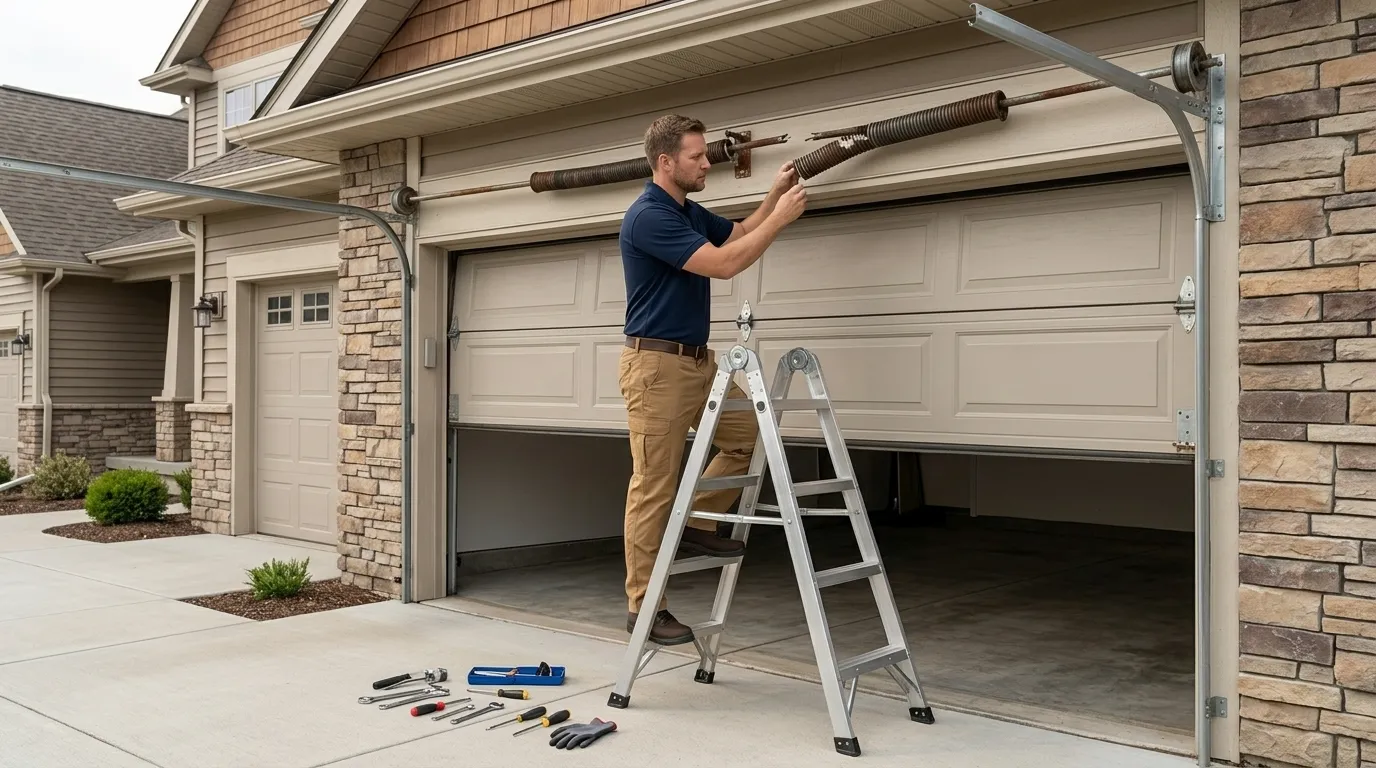
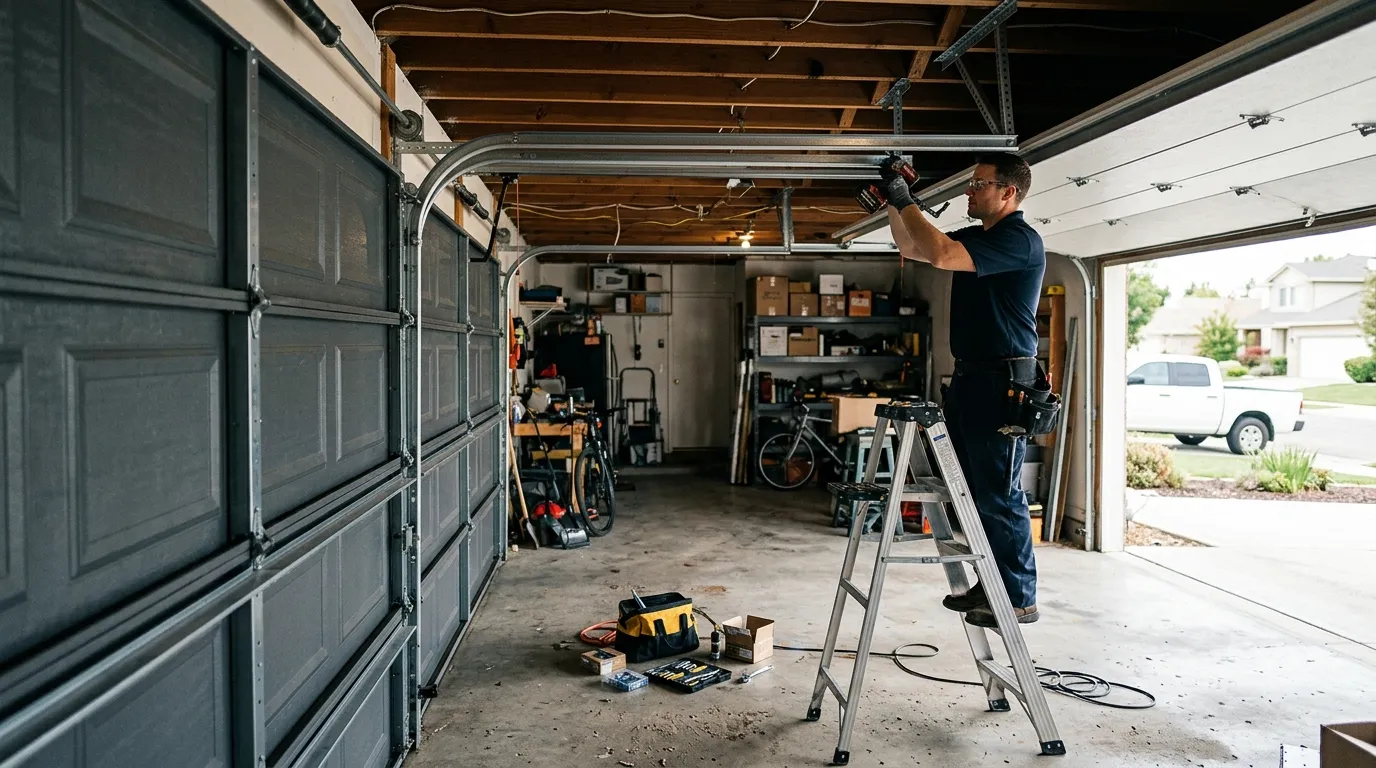
A big share of Garland's roughly 46,718 owner-occupied houses went up during the same twenty- to thirty-year building run, which means a lot of torsion springs, openers, and cable drums are aging out on a similar timeline. When a neighborhood was built in a five- or ten-year window, its garage door hardware tends to fail in that same window, just staggered by how often each door gets used.
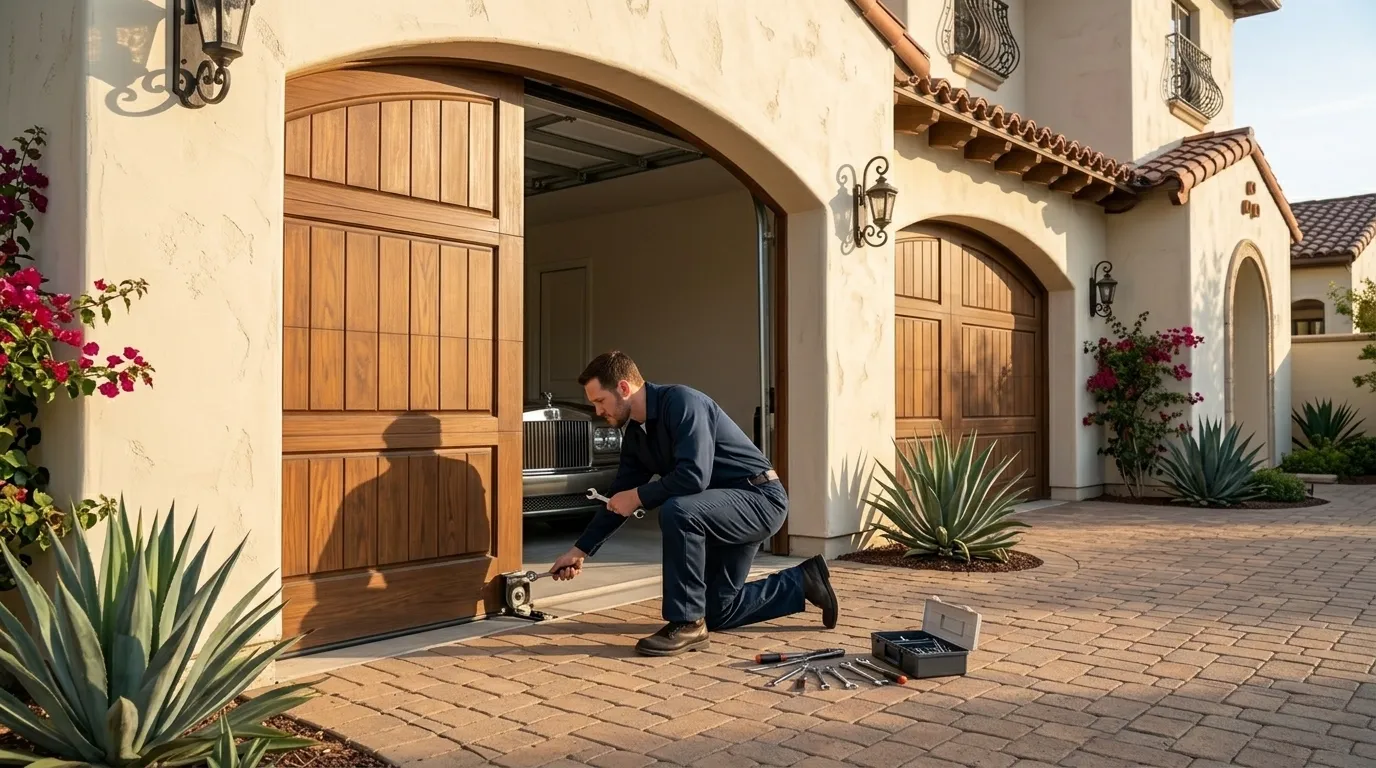
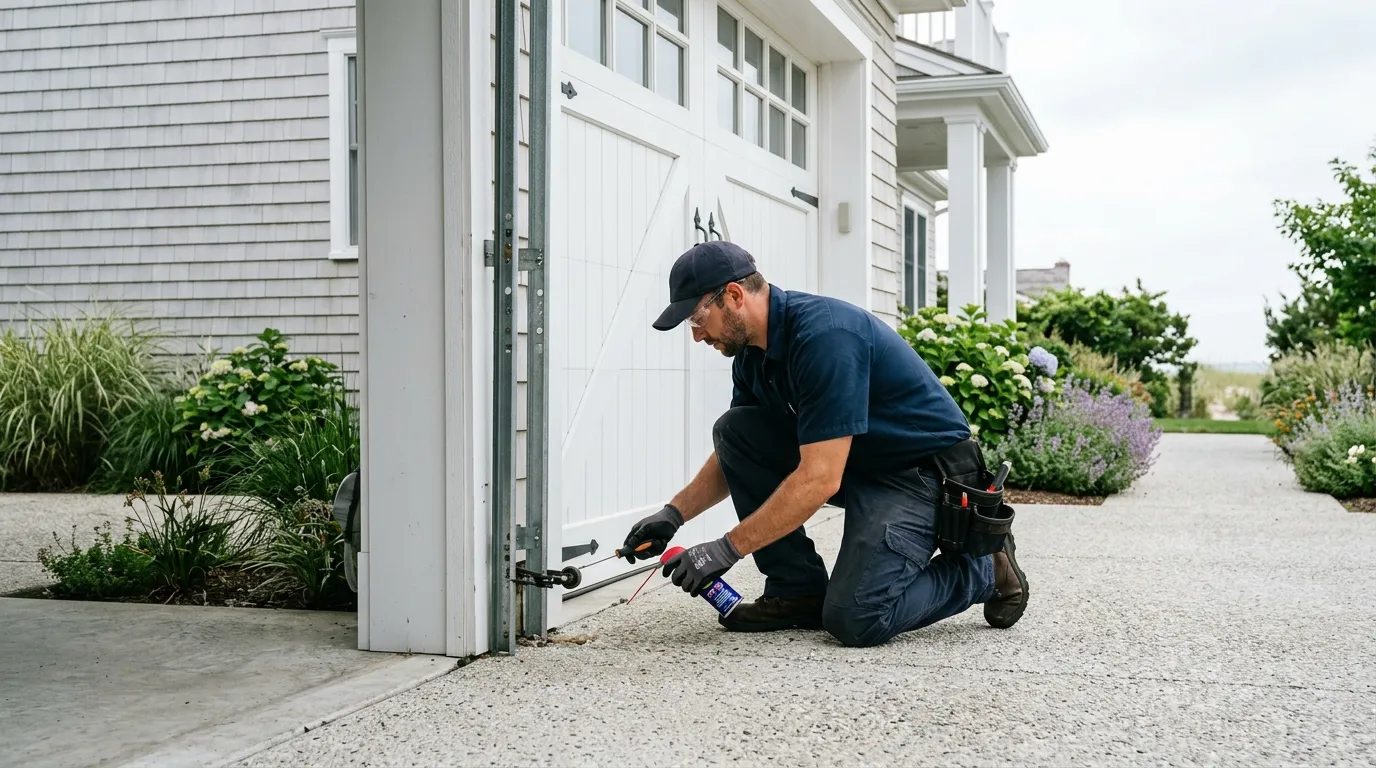
Garland sits in a moderate heat climate band, and that matters more for garage doors than people expect. Repeated summer heat cycles dry out spring lubrication and stiffen nylon rollers faster than in a mild climate, and steel track brackets expand and contract enough over the years to work screws loose. None of that is dramatic on its own, but stacked on top of hardware that's already fifteen to twenty-plus years old from the original build, it's what turns a quiet door into one that grinds, sticks, or drops without warning.
This isn't a defect in how these homes were built. It's what happens when a consistent construction era meets a consistent climate pattern over two decades. The fix is routine, but the timing of when it shows up is very local to housing stock like Garland's.
What You Are Seeing
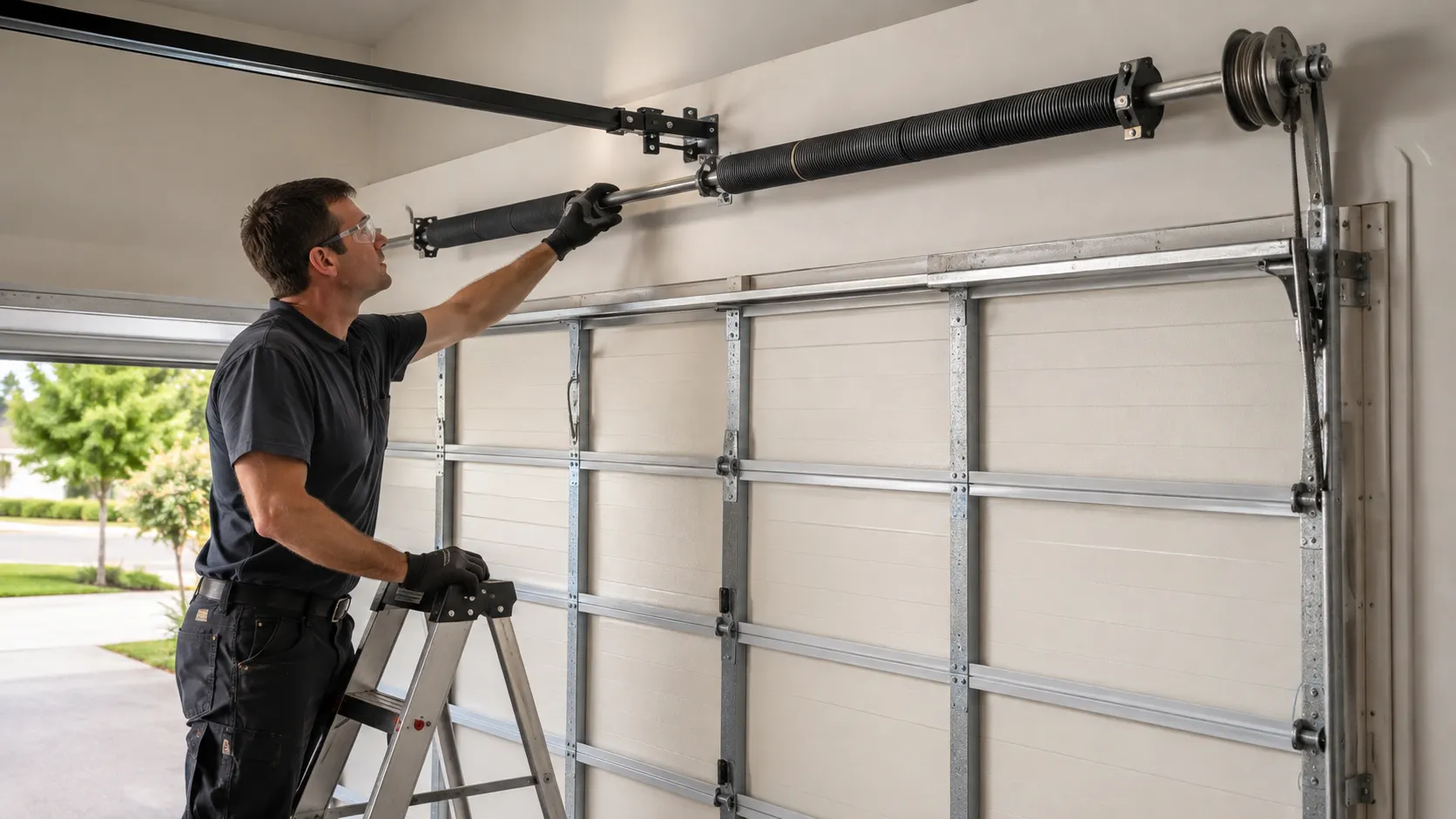
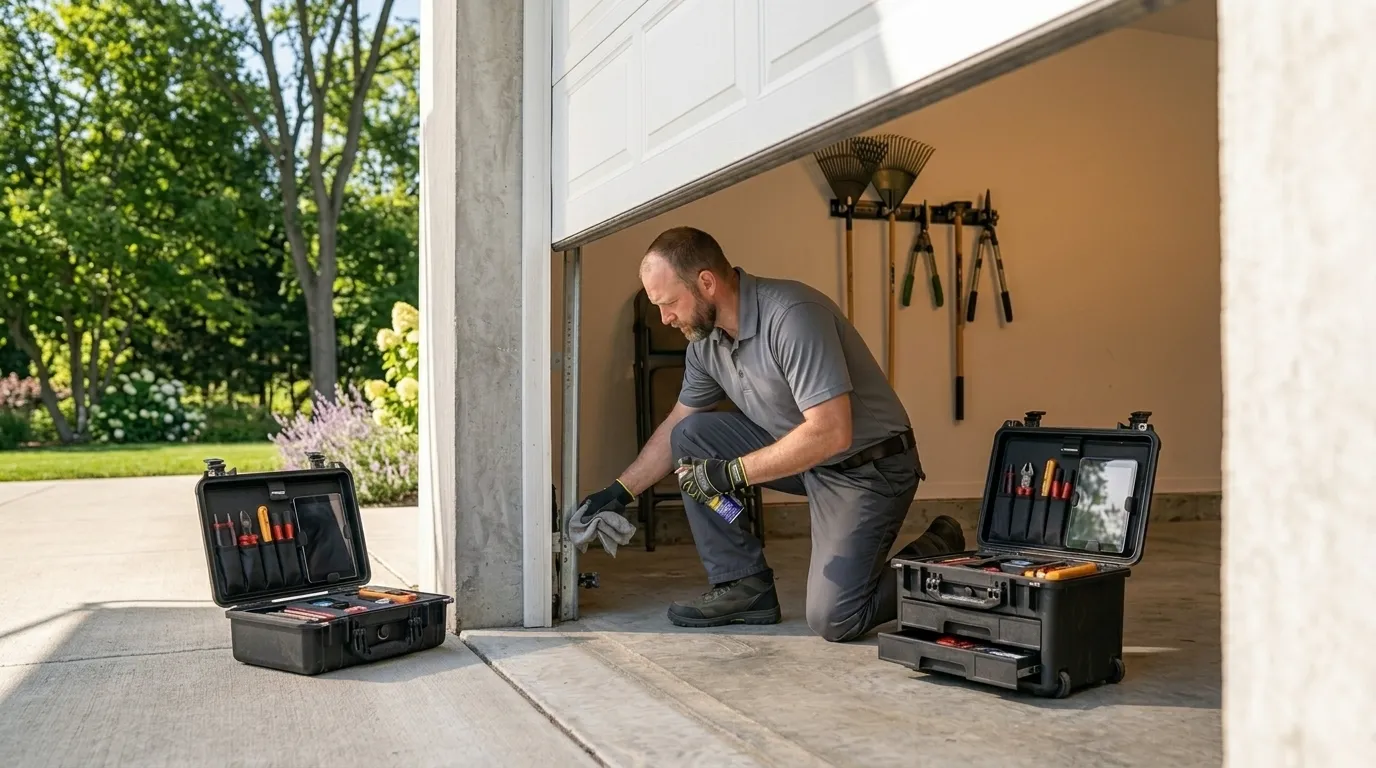
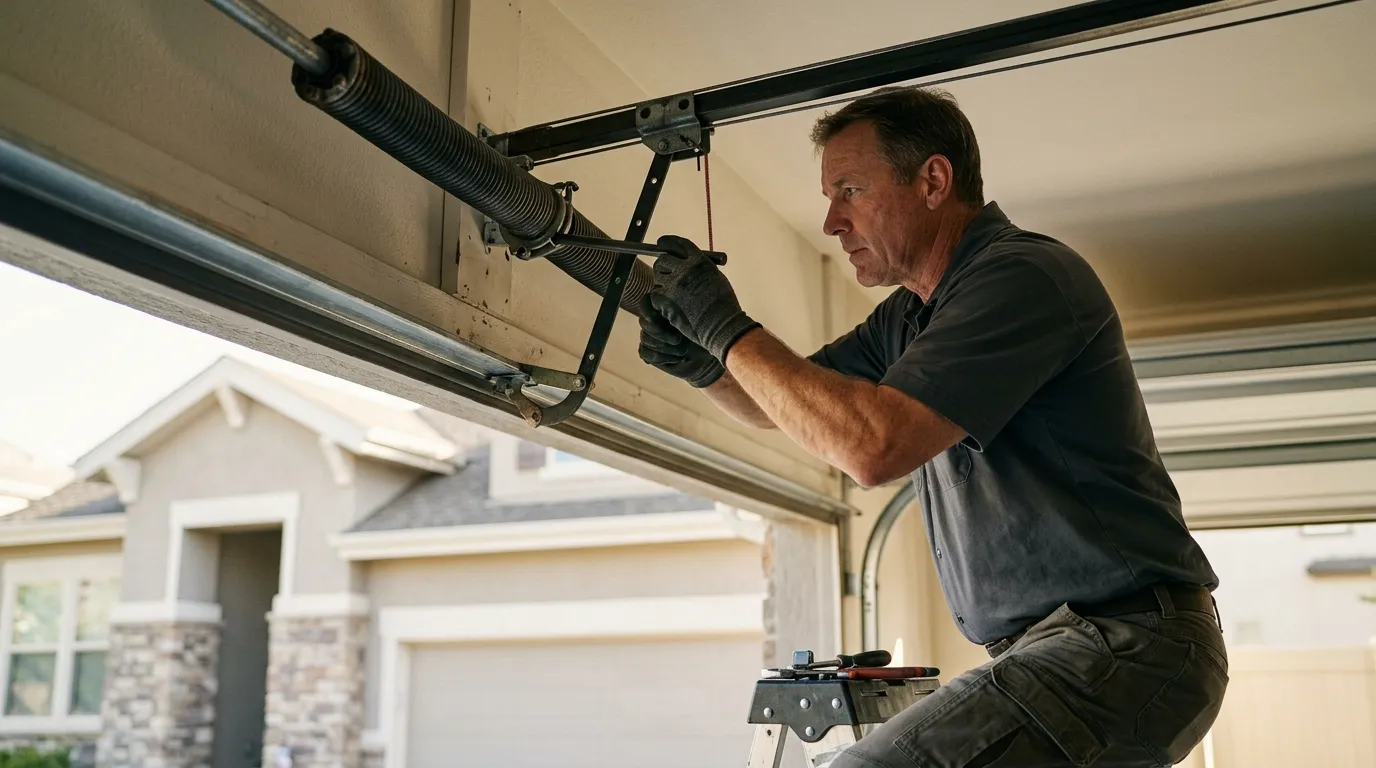
If your door has gotten loud in the last year, or it hesitates for a second before it starts moving, that's usually a spring losing tension, not the opener. Openers get blamed first because they make the noise you notice, but the motor is often just straining to lift a door that a worn spring should be doing most of the work on.
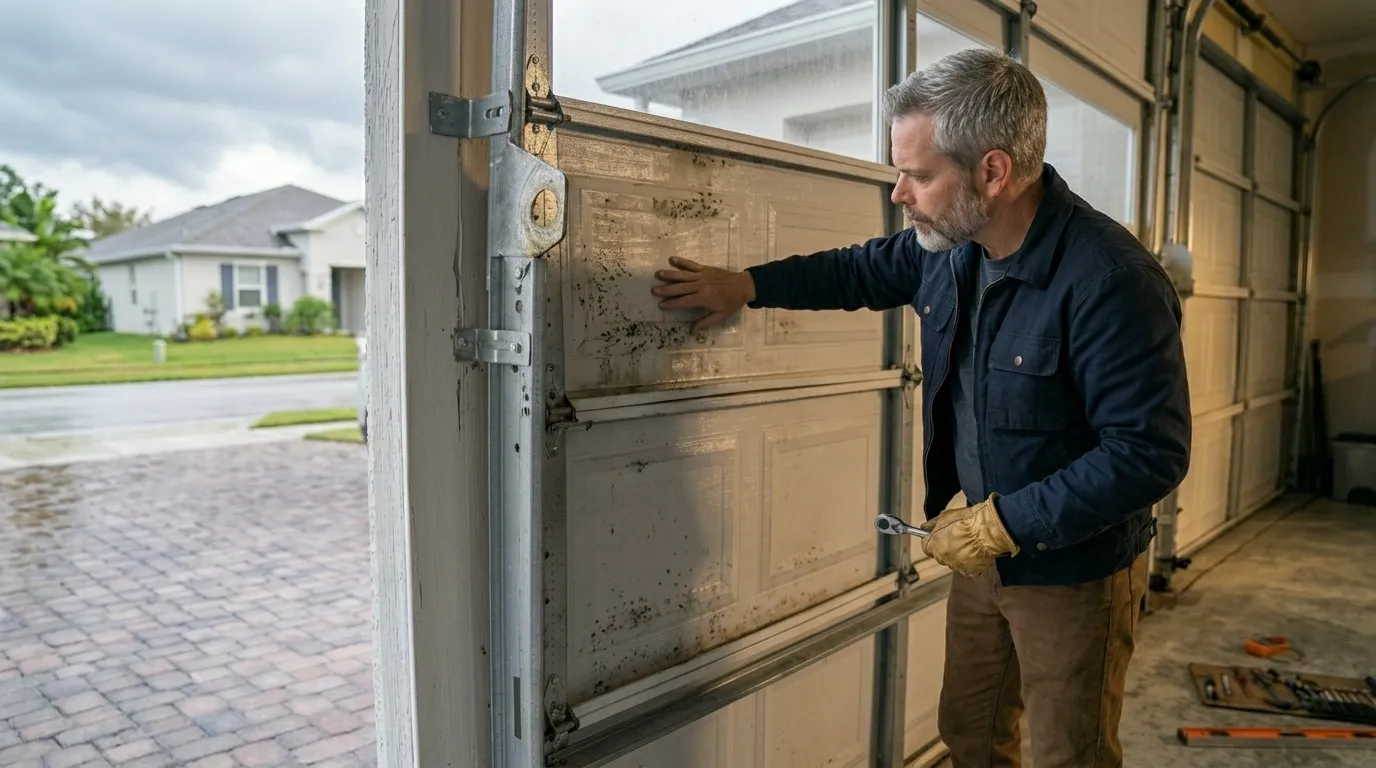
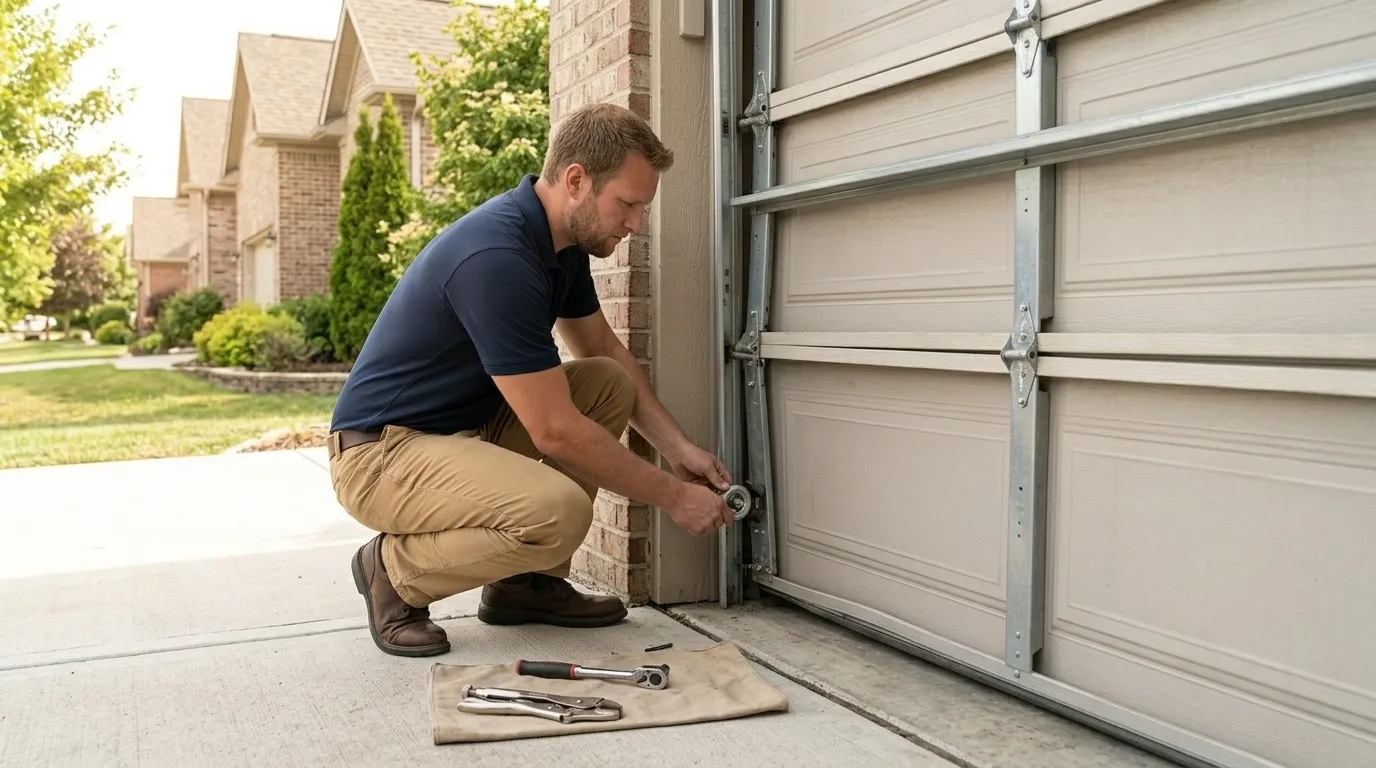
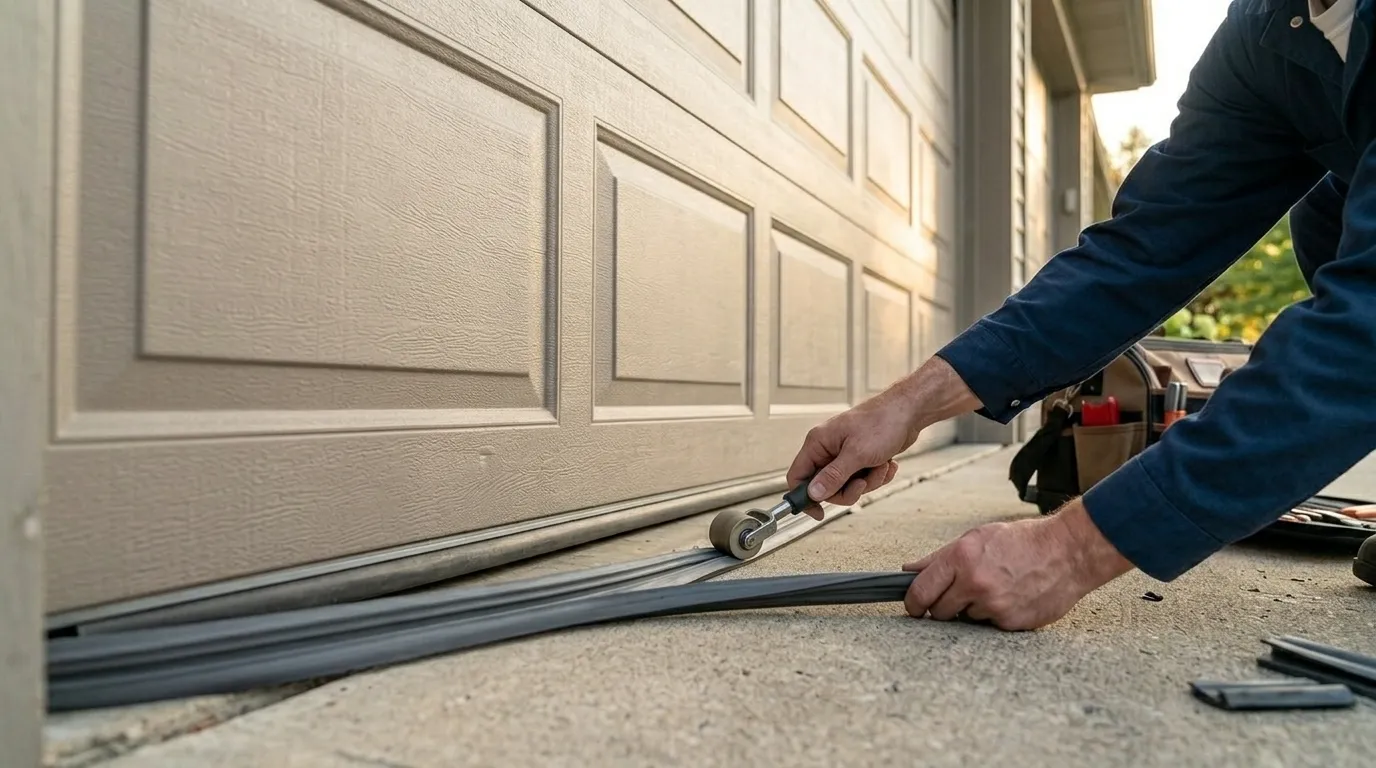
A door that reverses partway down, or one that closes crooked with one side lower than the other, points to a cable or roller problem rather than the opener's electronics. Track alignment issues show up the same way after enough years of the door being opened and closed - the rollers wear a groove into a slightly different path than the track was set for.
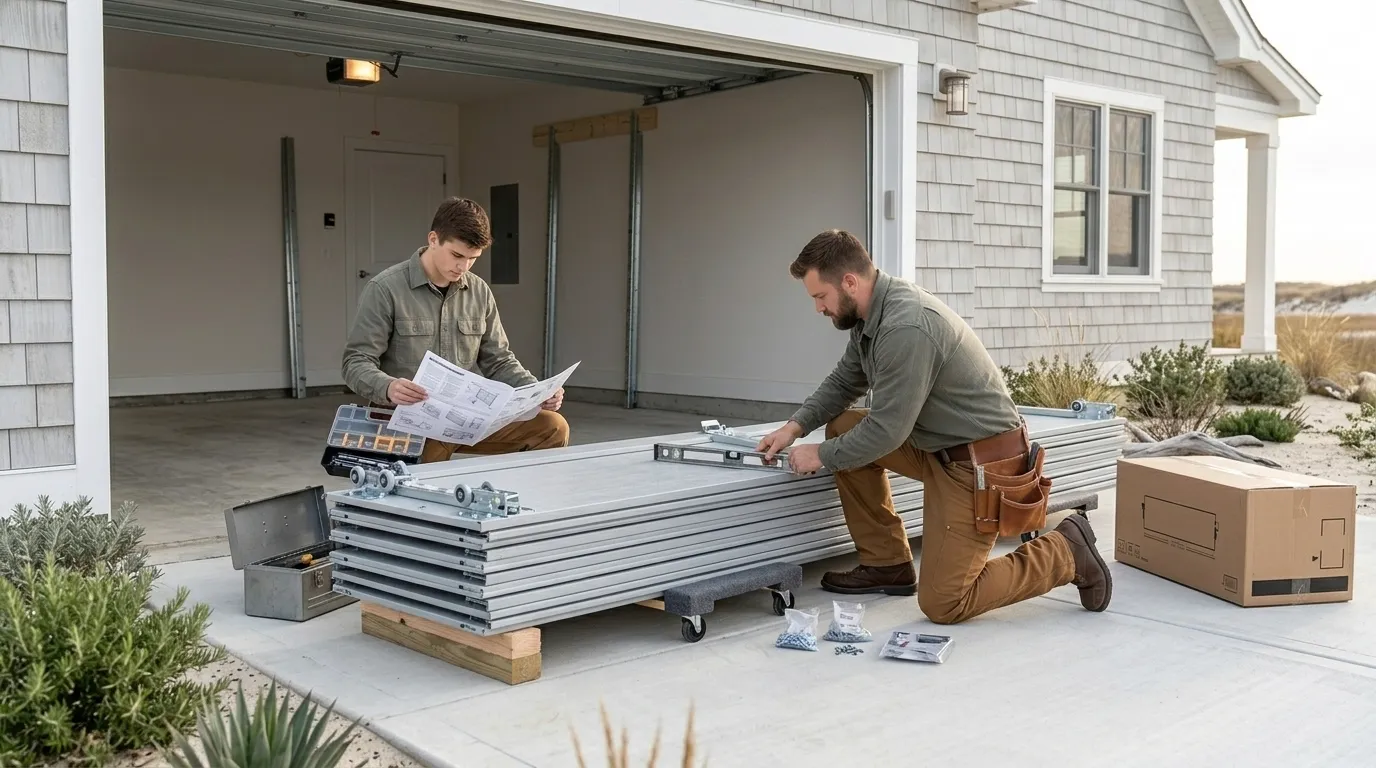
Given that so much of the housing here dates to the 1973-2013 run with a median around 2002, a lot of what we see is original equipment finally reaching the end of a normal service life, not damage from an accident or bad installation. That's a different conversation than a door that failed early, and it changes whether the right move is a repair or a full swap of the spring and hardware together.