24/7 Emergency Service Open 7 days · 7am–8pm Serving Garland, TX & nearby
(469) 482-9423
Garland, TX

What Happens to Your Opener When the Power Goes Out in Garland

Garland houses built mostly between 1973 and 2013 run openers that weren't built for today's power cuts and heat. Here's when to call and what to check first.

What Happens to Your Opener When the Power Goes Out in Garland

When to Call Someone

If the door won't budge after a power cut and the manual release cord is already pulled, that's not a job to keep fighting on your own. A door stuck halfway on its track, with the opener carriage jammed, can drop the section on you or on the trolley rail. Call if you hear the motor humming but the door doesn't move - that's usually a capacitor or a stripped gear, not something you fix by unplugging and replugging.

Call sooner rather than later if the opener is original to a house built in the 1970s through the 1990s. Parts for those units are getting harder to source, and a board replacement can cost close to what a new opener runs. We'll tell you straight when replacing beats repairing - we're not going to chase a $40 part for three visits when a new unit solves it in one.

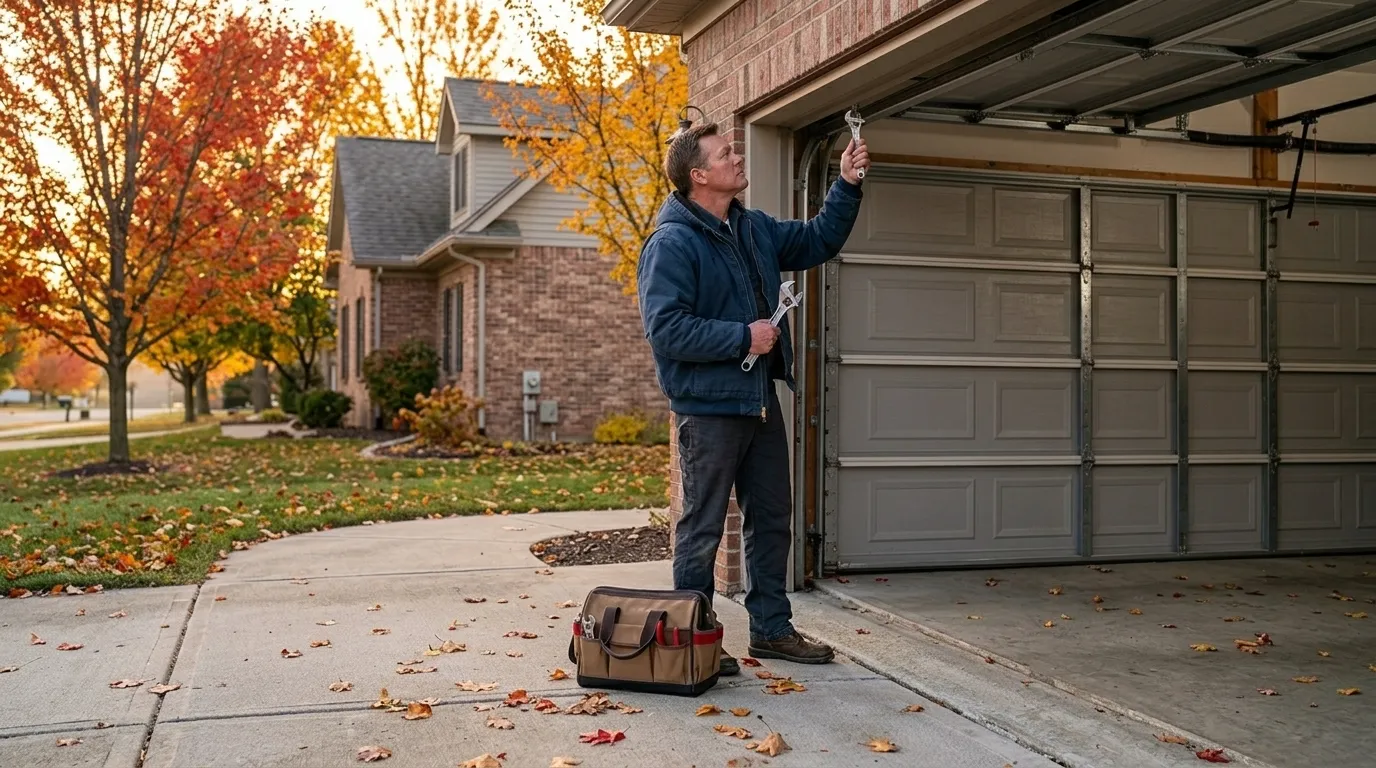
Don't call for a door that simply won't open because the power's out and you haven't tried the manual release yet. Every opener has one - a red cord hanging from the trolley. Pull it, lift the door by hand, and see if the spring is doing its job. That tells you a lot before anyone needs to come out.

How Local Conditions Play In

Most of the housing across the Garland service area - the 19 named areas that make it up - was built between 1973 and 2013, with the bulk of it going up in the 2000s. That means a lot of garages here are running openers that are either original 2000s-era chain drives or a first replacement bought sometime in the fifteen years since. Neither generation was built with battery backup as standard, so a power cut on a hot afternoon leaves the door locked wherever it was when the power died.

The climate here sits in a moderate heat band, and an attached garage with a metal door soaks up heat all summer. Circuit boards in openers don't like sustained heat any more than the rest of the electronics in your house - solder joints and capacitors degrade faster in a garage that regularly runs hotter than the rooms around it. That's not a Garland-specific defect, but it does mean an opener here is working under tougher conditions than the same unit would in a cooler climate, and it shortens the years before the board starts acting up.

What to Check

Start with the obvious: is the outlet the opener plugs into actually dead, or is it just the opener? Check a lamp or phone charger in the same outlet before assuming the unit's fried. Garage outlets on their own circuit sometimes trip separately from the rest of the house.

Next, check the wall control panel light. If it's dark and the ceiling unit's light is also dark, you're dealing with a power problem, not an opener problem - wait it out or check your breaker panel. If the wall panel has power but the ceiling unit doesn't respond, the issue is likely in the opener's own wiring or board.

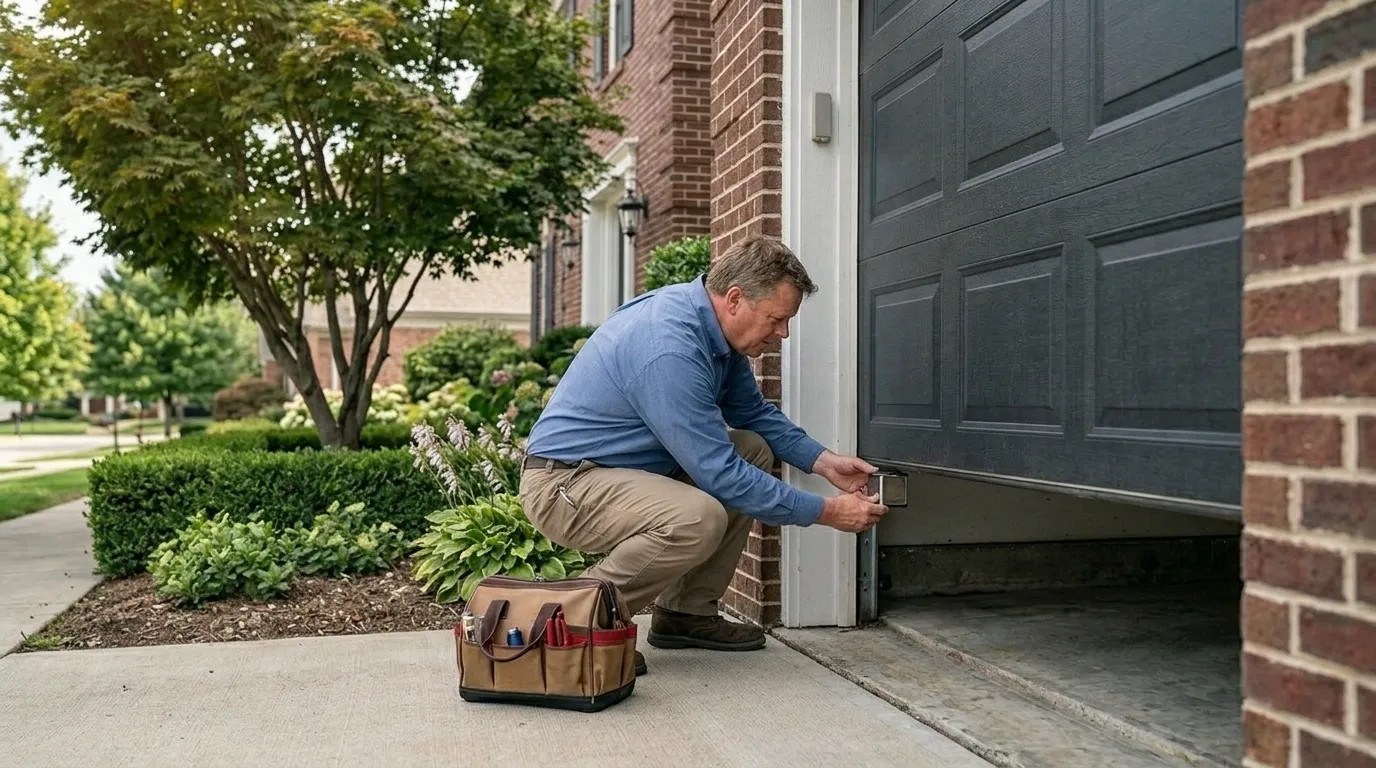
Look at the manual release cord and trolley. After a power cut, some owners pull the release, open the door by hand, then forget to reconnect the trolley to the carriage before power comes back. The opener will then run without moving the door at all - sounds like it's working, does nothing. Reconnecting is usually just sliding the trolley back until it clicks.

If your house was built in the 2000s and the opener looks original, check the manufacture date sticker inside the housing. That tells you whether you're dealing with a twenty-year-old unit worth retiring rather than repairing again.
What Is Going On

A garage door opener that behaves oddly after a power cut is usually one of three things: a lost connection between the logic board and the wall control, a tripped or blown circuit that hasn't reset, or a board that took a small surge when the power came back on and is now misreading commands. Older openers - the kind still running in houses built in the 1970s through 1990s stretch of this area's housing - don't have surge protection built in, so a rough power restoration can knock out the board entirely.

At a median household income of $133,750 across the service area, a lot of owners here choose to move up to a newer opener with battery backup and surge protection rather than keep repairing an old chain-drive unit - it's a fair trade for a door that still opens when the power's out at 6 a.m. and you're leaving for work.

One honest limitation: we don't stock every board for every opener brand and year. If yours is an older or less common model, a board repair can mean a parts order and a second visit rather than a same-day fix. We'll tell you that up front instead of guessing at a timeline.

How it works

From “it’s stuck” to “it’s fixed”

A quick, honest process - no guesswork and no surprises.

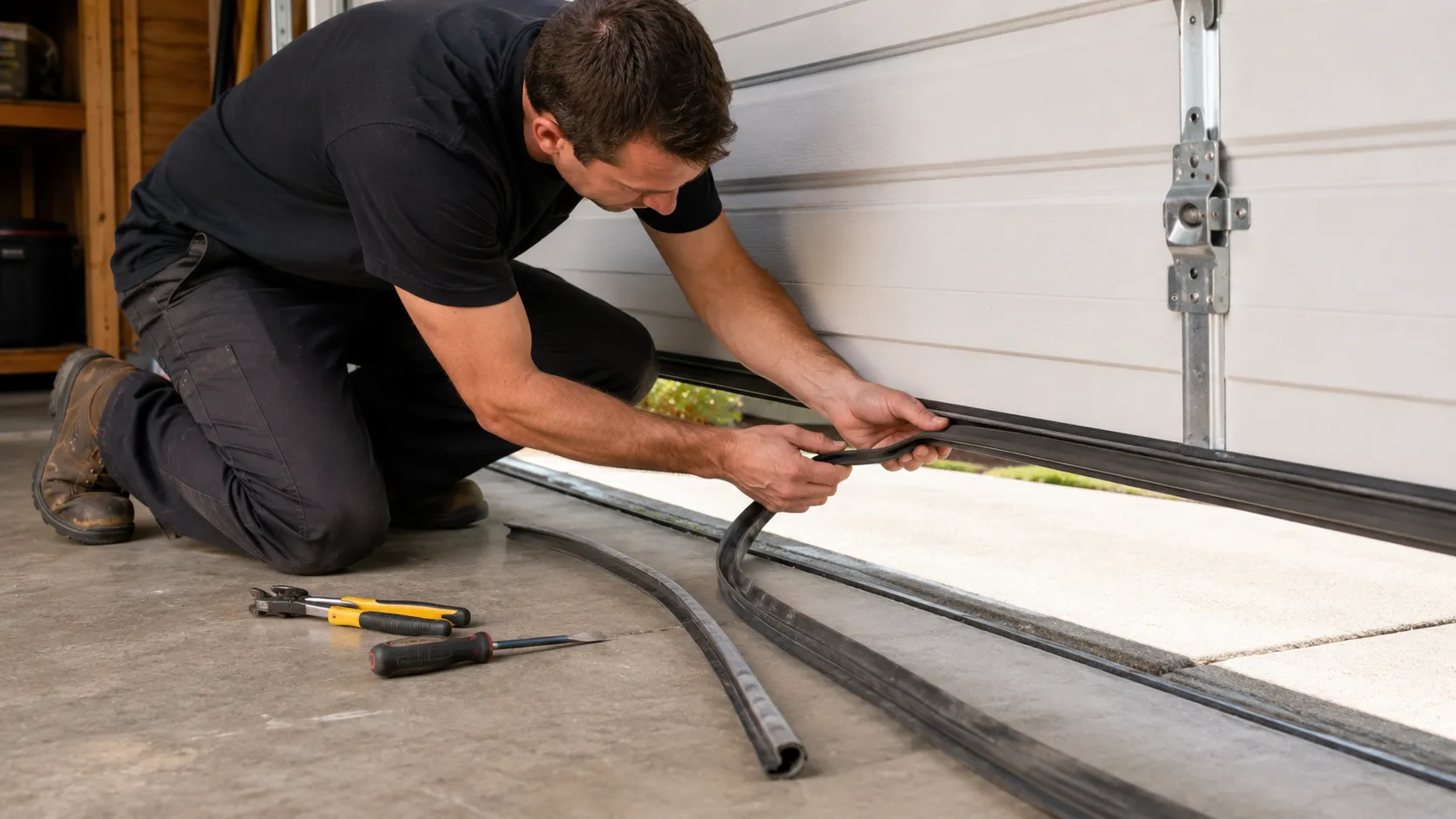
  1. Tell us what’s wrong - Garland garage door service
    1

    Tell us what’s wrong

    Describe the symptom - won’t open, loud bang, opener runs but the door won’t move.

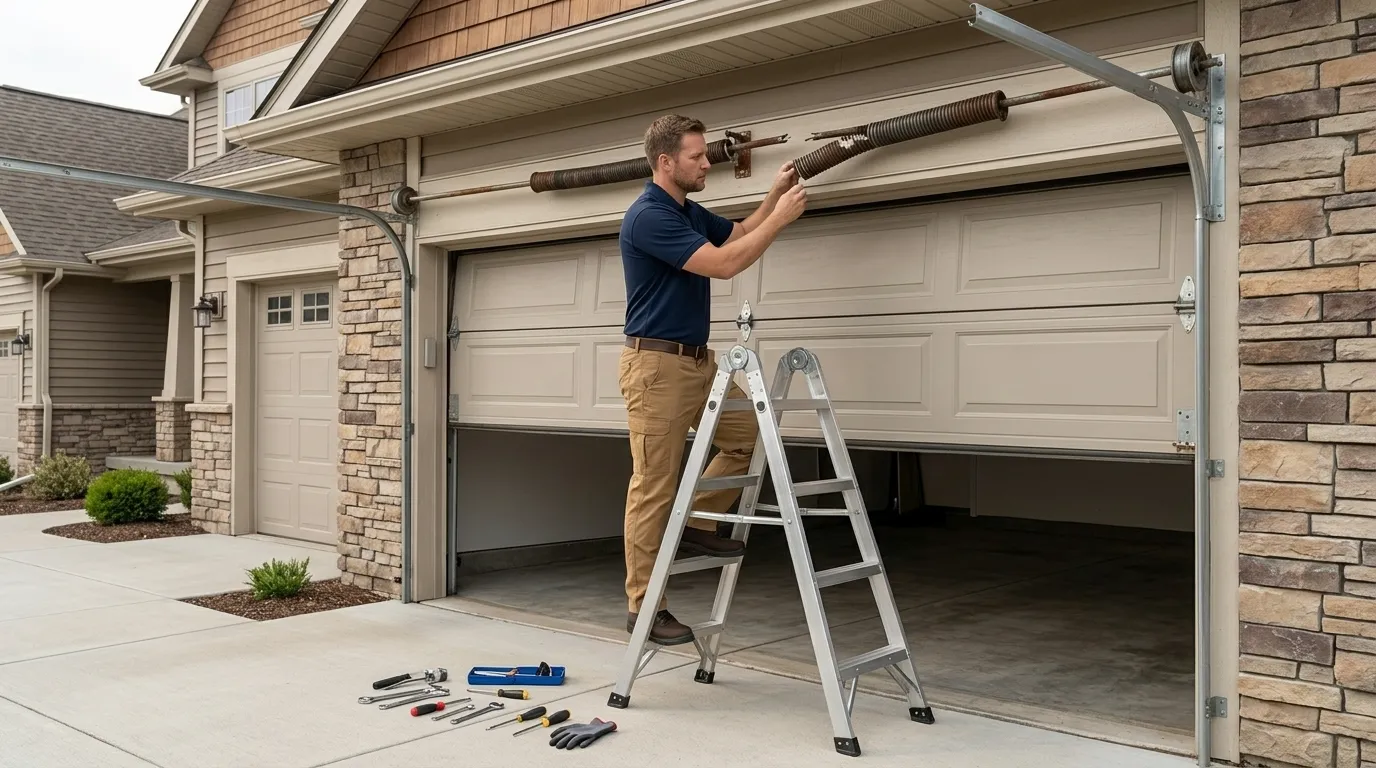
  2. On-site diagnosis - Garland garage door service
    2

    On-site diagnosis

    A technician tests the door under power and by hand and finds what actually failed.

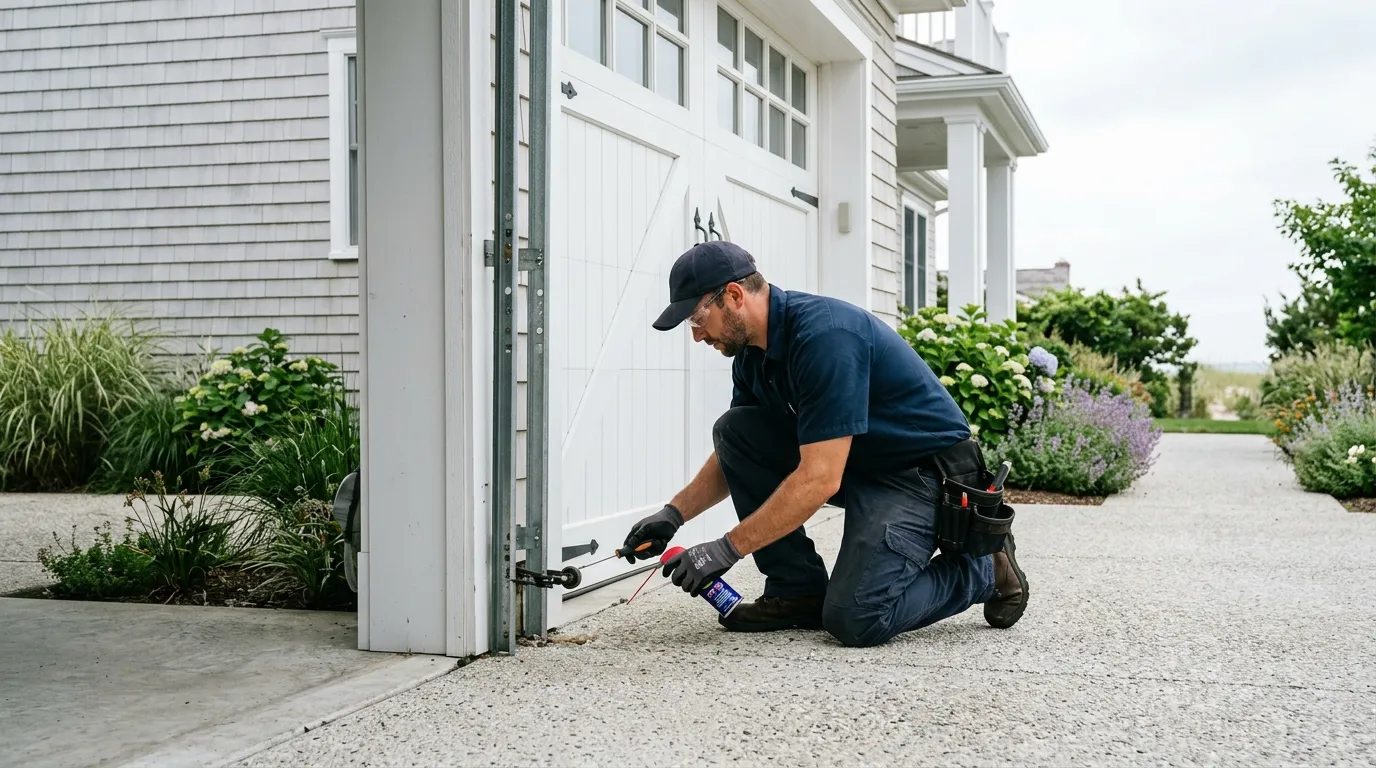
  3. Clear, up-front plan - Garland garage door service
    3

    Clear, up-front plan

    You get the fix that’s needed and what drives the cost - before any work starts.

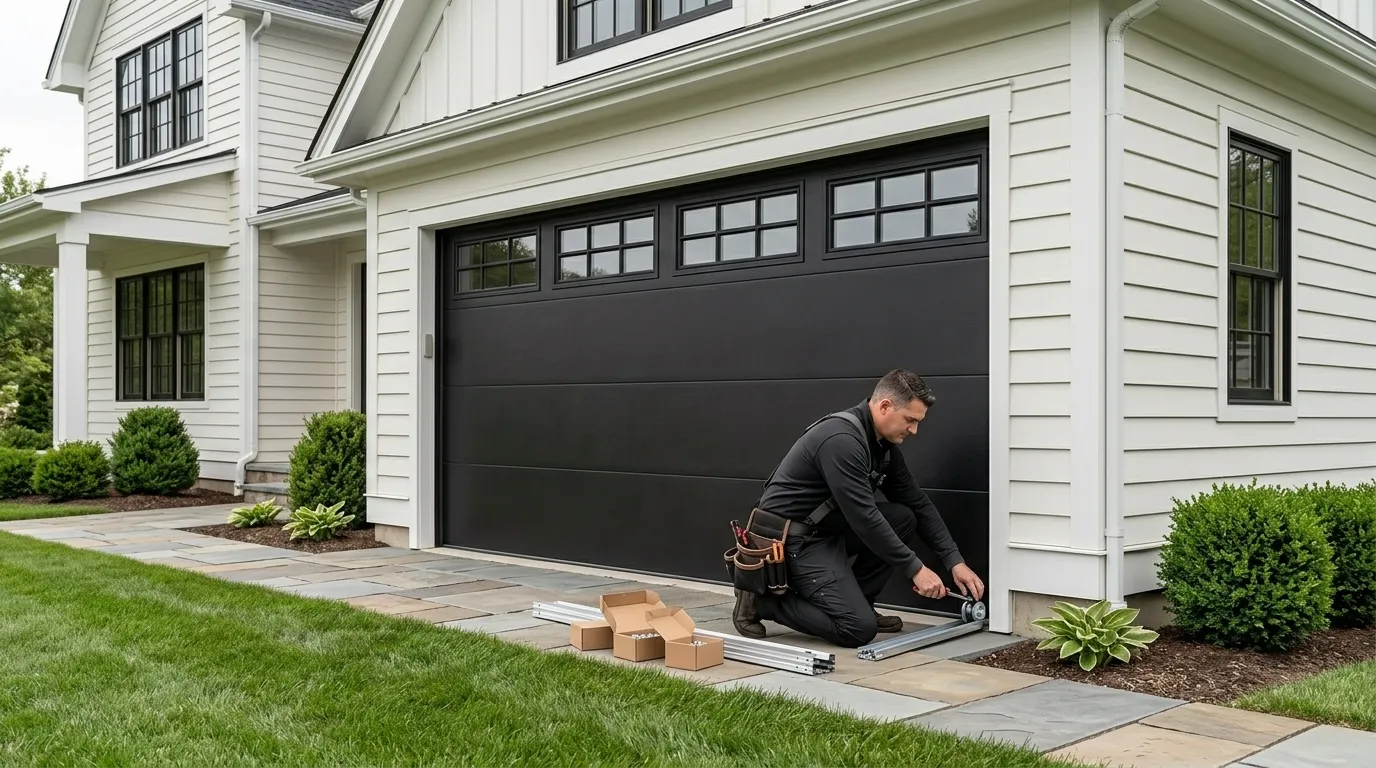
  4. Repaired & tested - Garland garage door service
    4

    Repaired & tested

    The repair is done, the door is set true and tested, and the work area left clean.

Serving Garland, TX - tell us what your door’s doing and we’ll take it from there.

How we work

What to expect

Diagnosis first

Every visit starts by finding what actually failed - not a pre-written parts list.

The right part for the doorSprings and openers matched to the door’s weight and age, so the fix holds up.
Straight answersWhen a repair makes more sense than a replacement - or the reverse - you hear it plainly.
Clean, careful workTension released safely, hardware set true, the door tested under power before we leave.
Questions

Frequently asked

Straight answers about garage door repair in Garland. Still unsure? Ask us directly.

Why did my opener stop working the moment the power came back on?

Openers without surge protection can take a small hit when power is restored unevenly, especially after a longer outage. This scrambles the logic board's memory or trips an internal fuse. It's common in older units without battery backup, which describes a lot of the openers still running in this area's 1970s-to-1990s housing stock.

Should I replace my opener or just fix it after a power cut?

If the opener is original to a house built decades ago and this isn't its first issue, replacement usually makes more sense than another repair. If it's newer and the problem is a tripped breaker or disconnected trolley, that's a quick fix, not a reason to replace anything.

Does the heat here shorten how long an opener lasts?

Garland sits in a moderate heat band, and an attached garage runs hotter than the house around it most of the year. That heat wears on circuit boards and capacitors over time, so openers here tend to show board problems a bit sooner than the same unit would in a cooler climate.

My manual release cord is pulled but the door still won't move by hand - what now

That usually means the spring isn't holding the door's weight anymore, not an opener problem. Don't force it. A door that won't stay up on manual release with the trolley disconnected needs a spring check before anyone touches the opener again.

Ready to get your garage door sorted?

Tell us what it’s doing and where you are in Garland - we’ll take it from there.

Request a QuoteCall