This Area's Housing
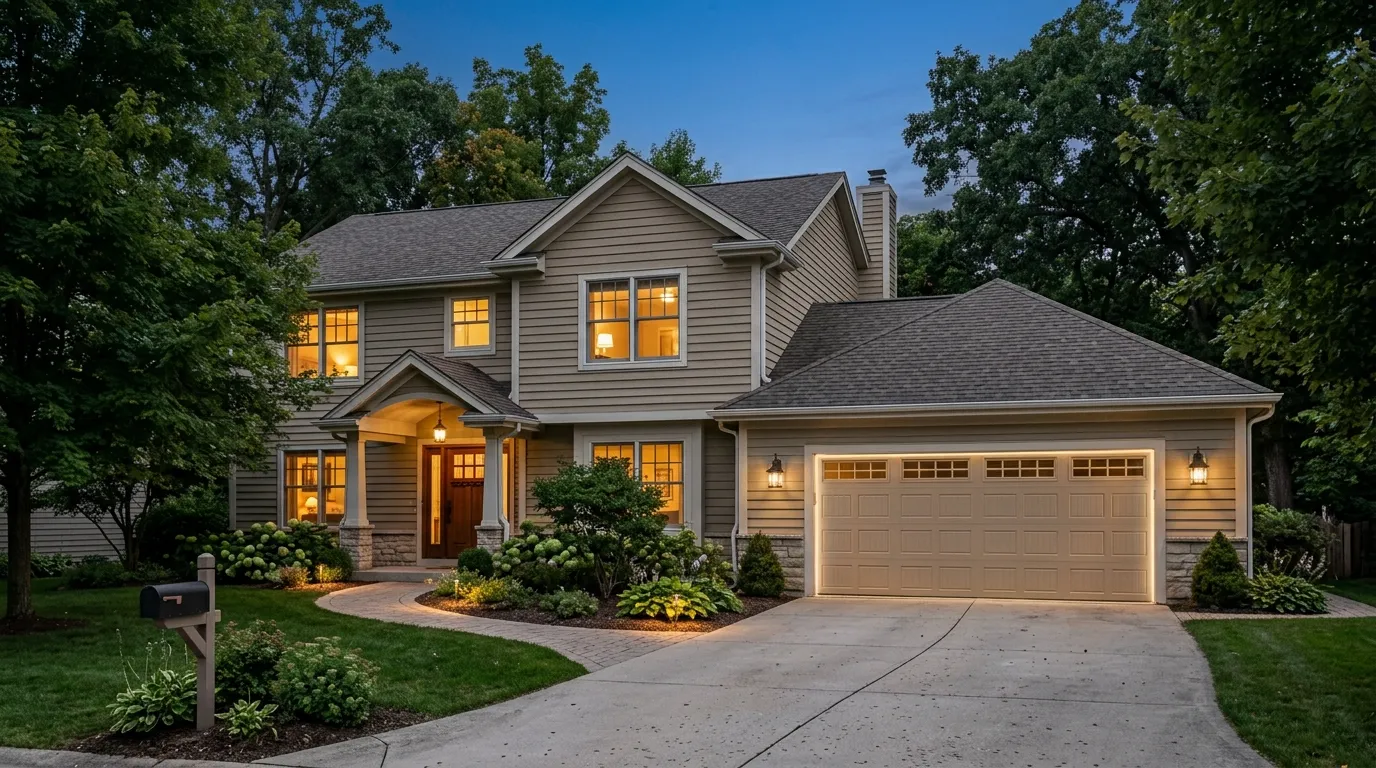
Murphy's housing stock leans newer than a lot of what we see across the wider service area. The median build year here runs around 2005, a few years past the 2002 median for the region as a whole, and the area overall was built out mostly between 1973 and 2013. That newer median matters because it puts most Murphy garage doors squarely in the torsion-spring, steel-sectional era rather than the older extension-spring setups still common in the region's 1970s and 80s pockets.
With about 5,907 households, Murphy is a smaller slice of the roughly 72,723 households we cover out of Garland, but it's a well-off one - median household income here is $165,109, well above the $133,750 figure for the service area as a whole. That income level tends to track with better-maintained original hardware, but it doesn't mean the doors are immune to wear; a 2005 torsion spring is still pushing 20 years of cycles.
What the Housing Means for Your Door
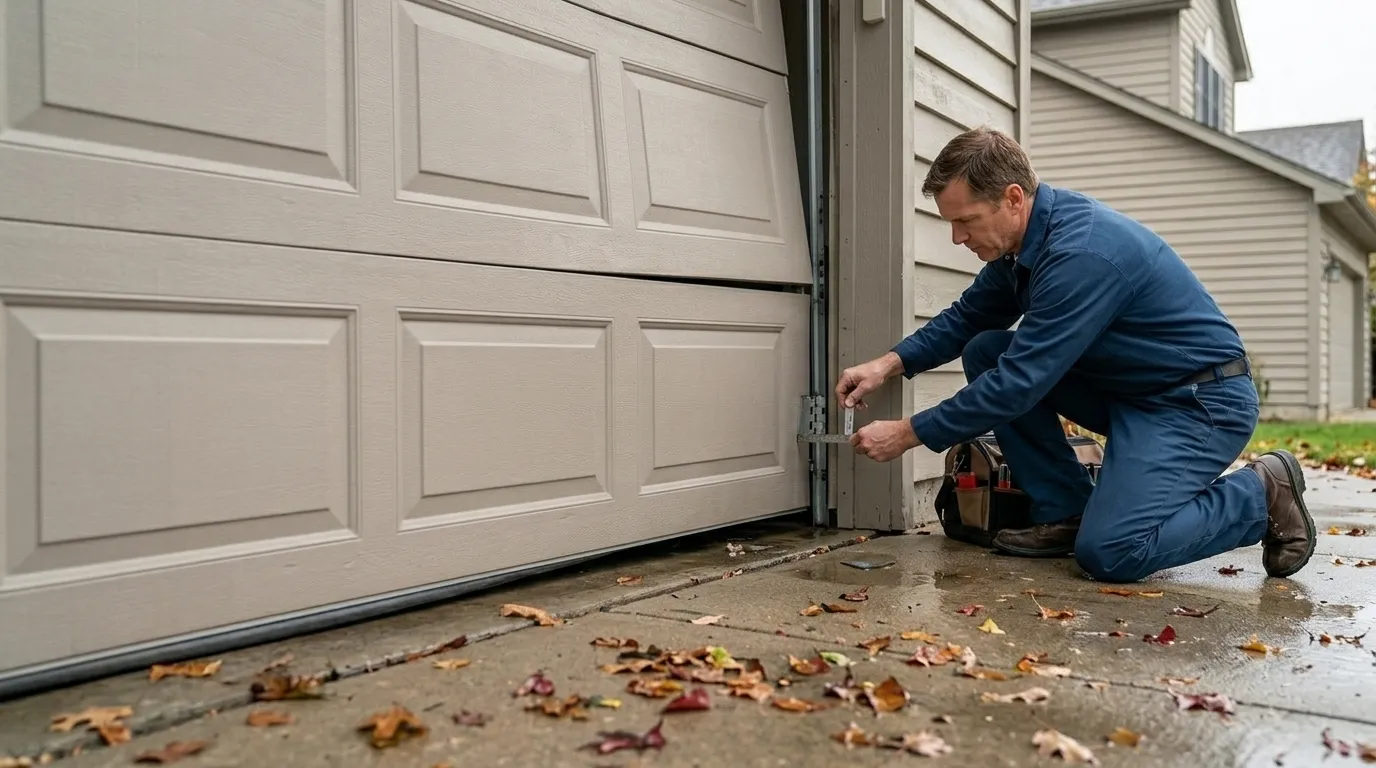
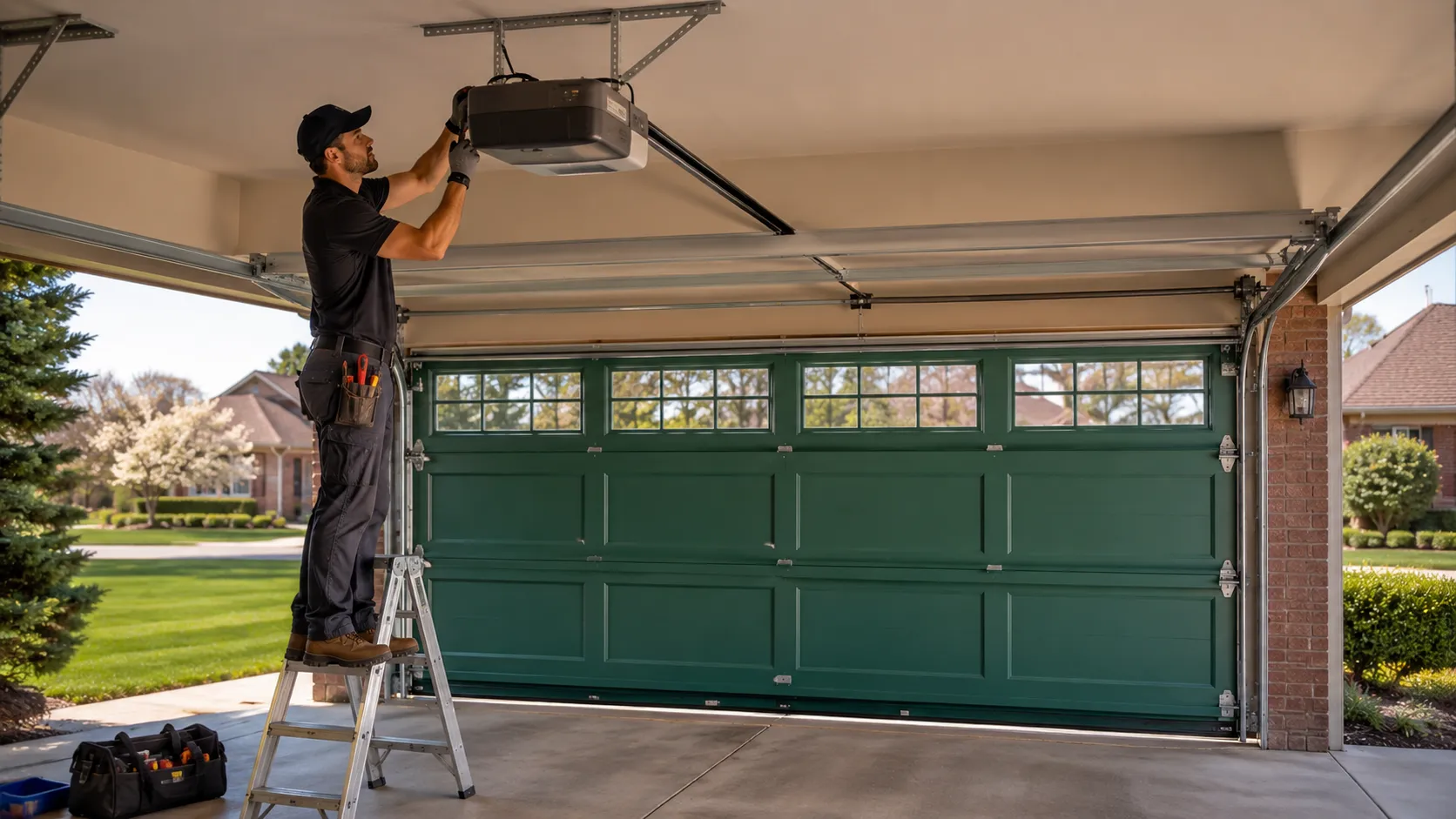
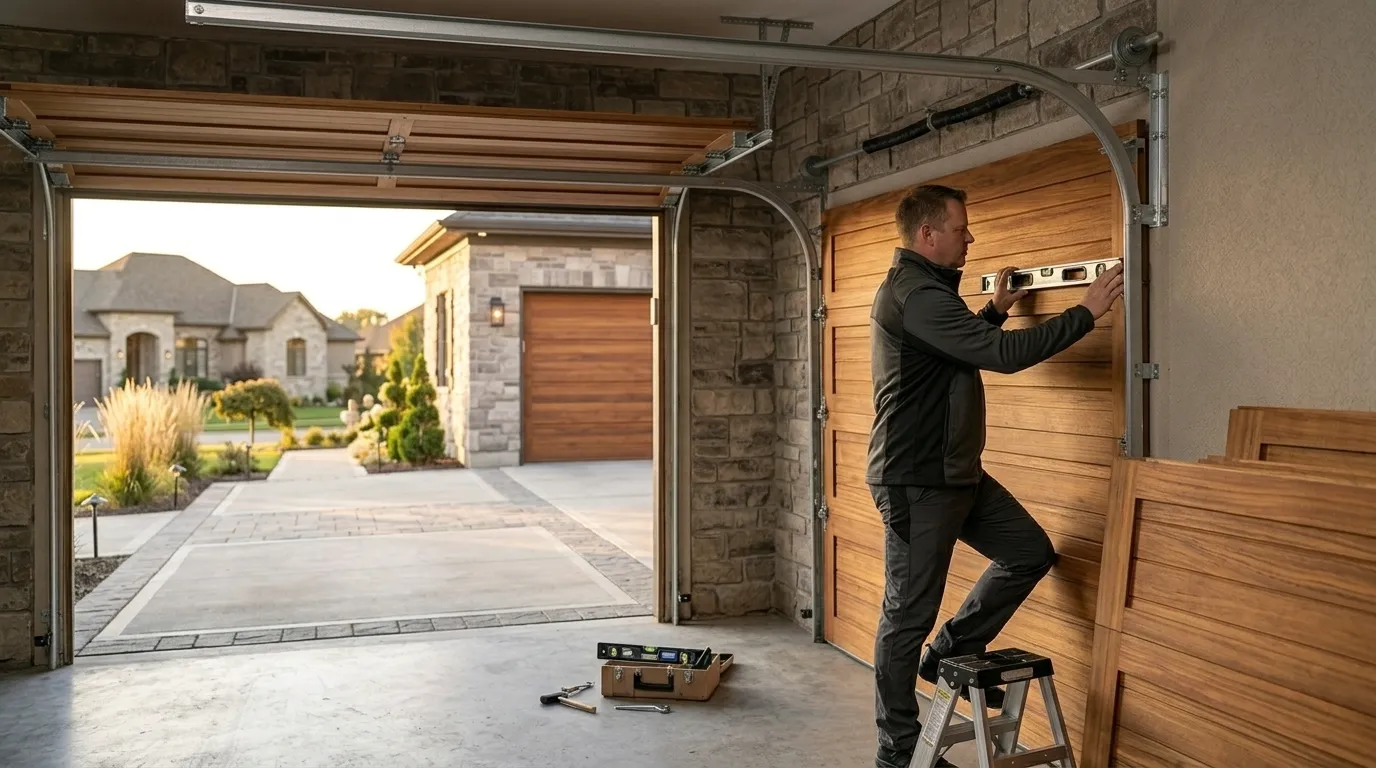
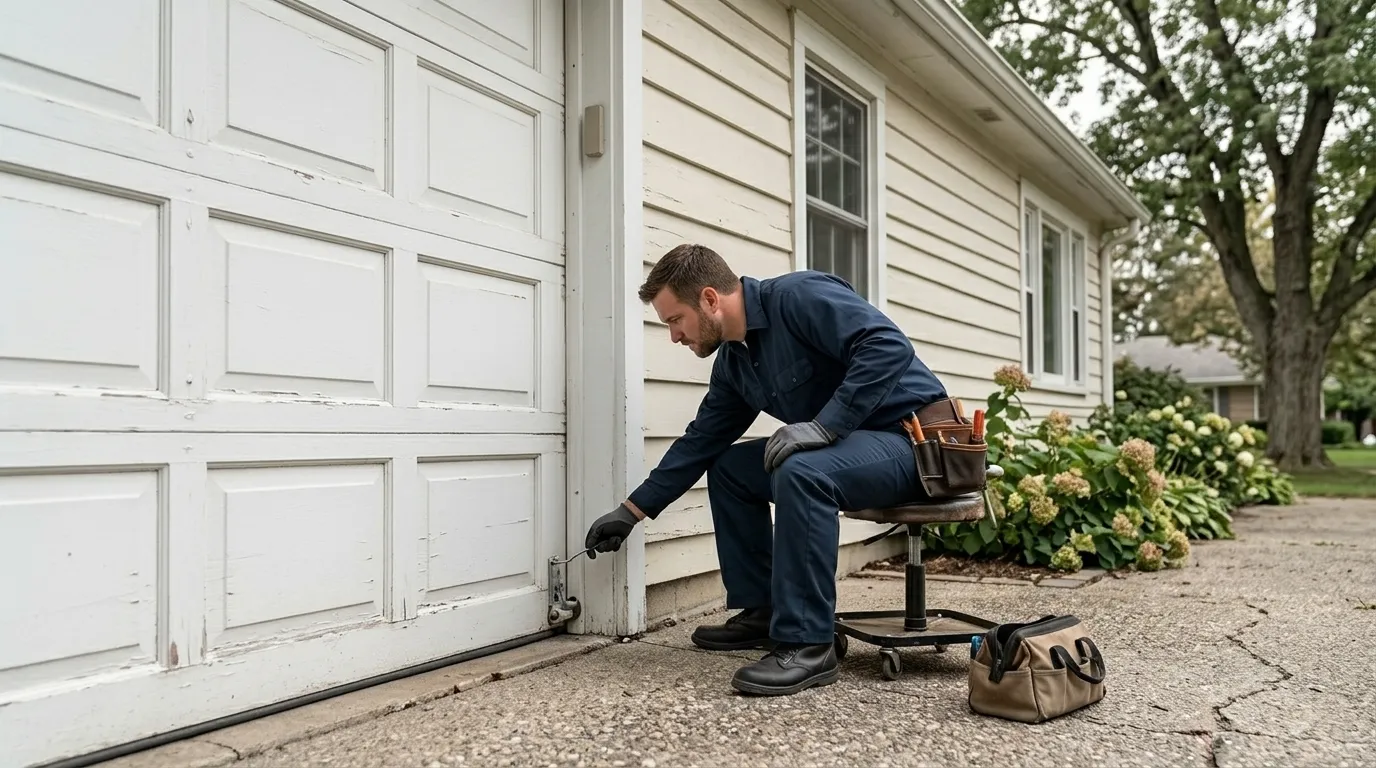
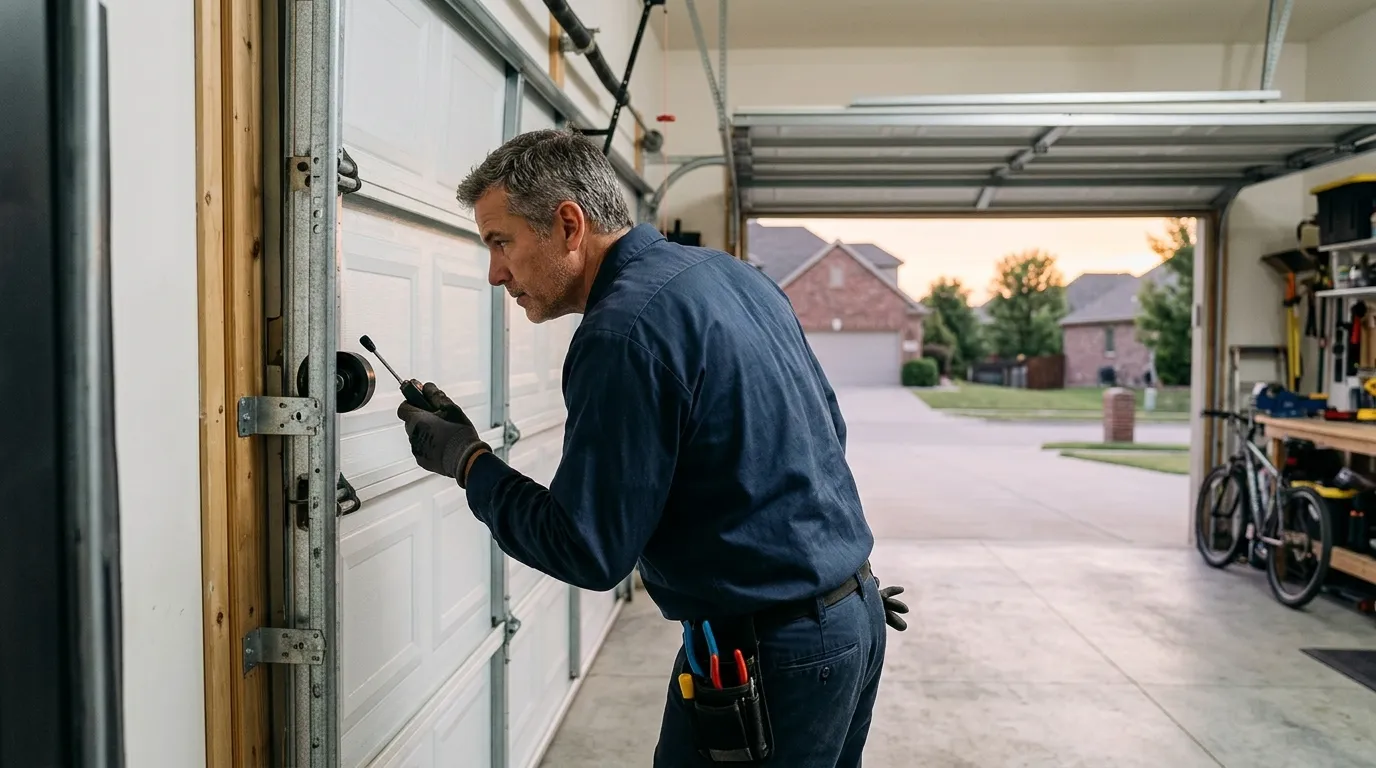
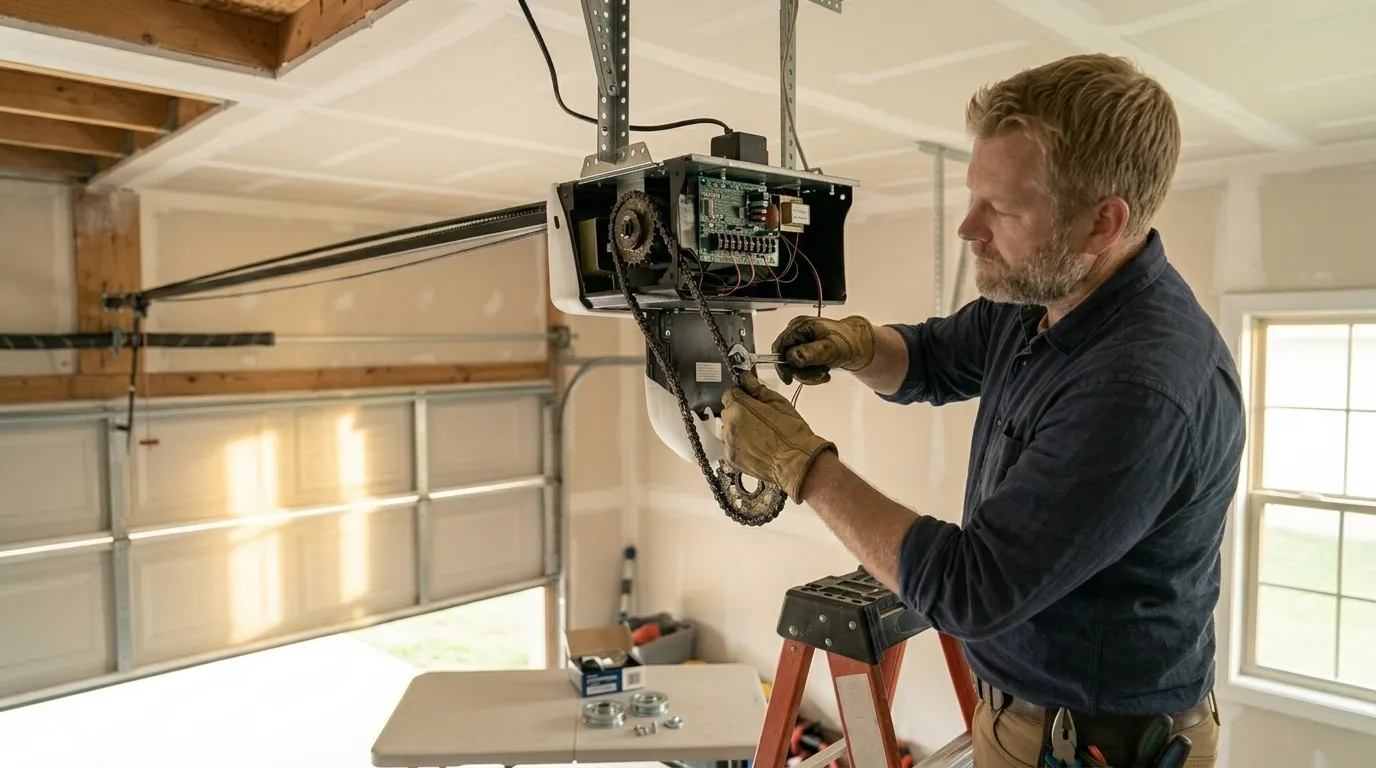
A door built in 2005 almost always means torsion springs mounted on a shaft above the opening, not the side-mounted extension springs you'd find in an older neighborhood. That's a different repair: torsion work needs winding bars and a correctly sized spring for the door weight, and it's not a job to guess at. It also usually means a belt or chain-drive opener from that same era, which by now is old enough that circuit boards and logic units start failing even when the motor itself is fine.
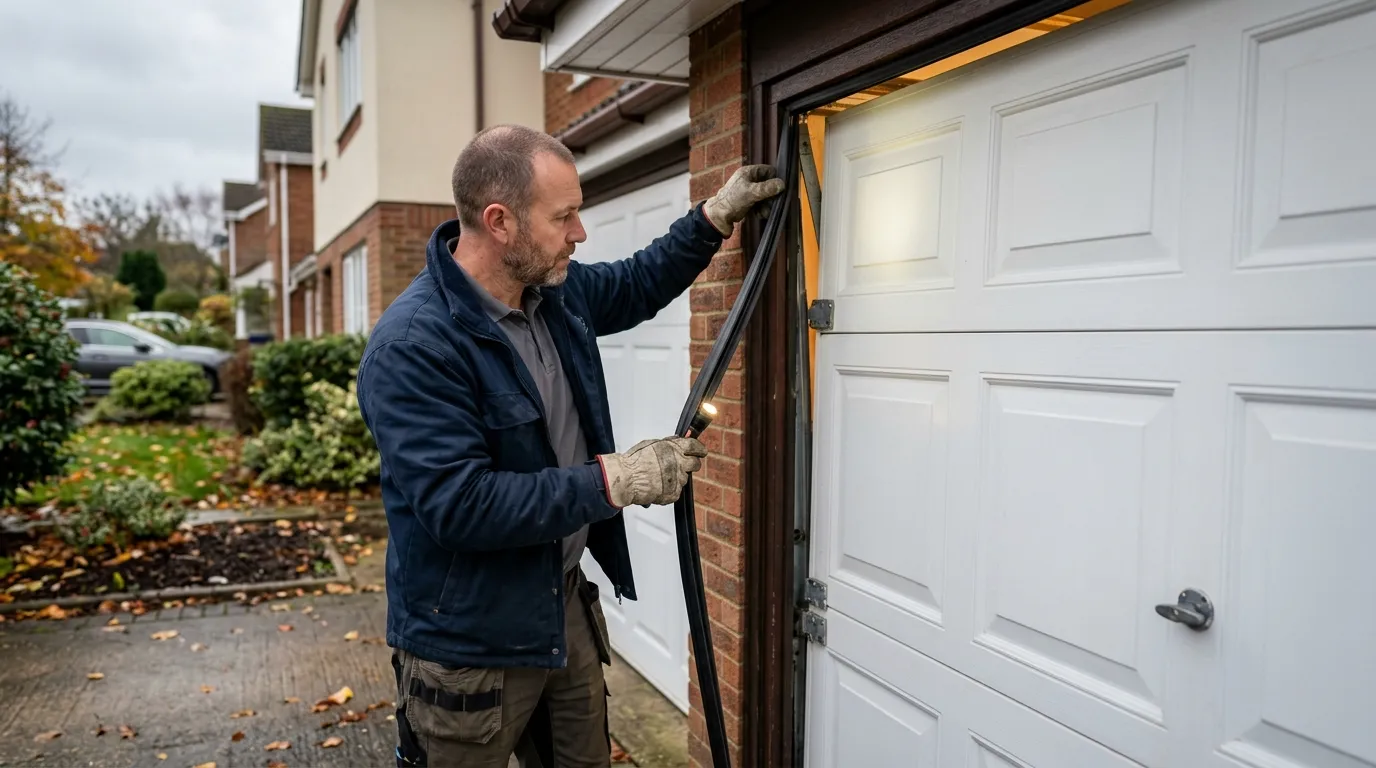
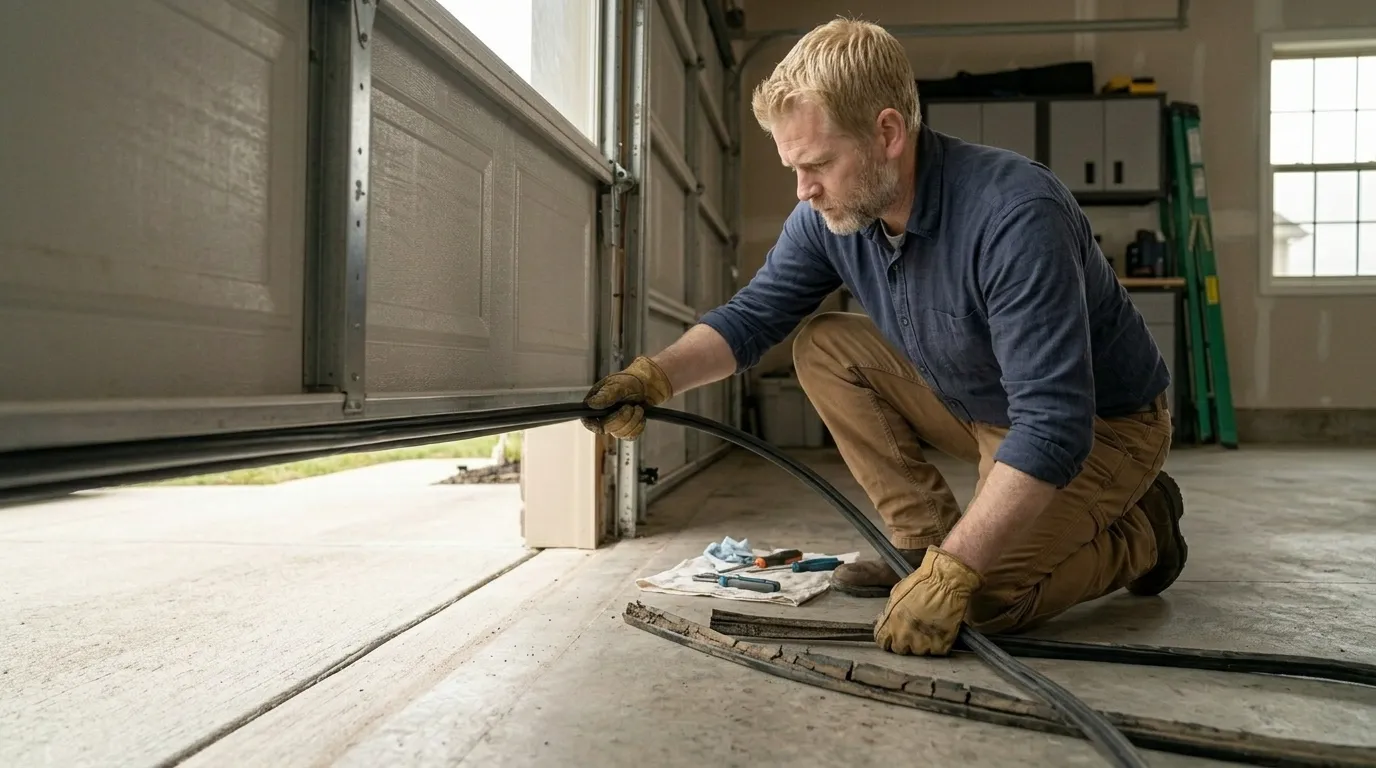
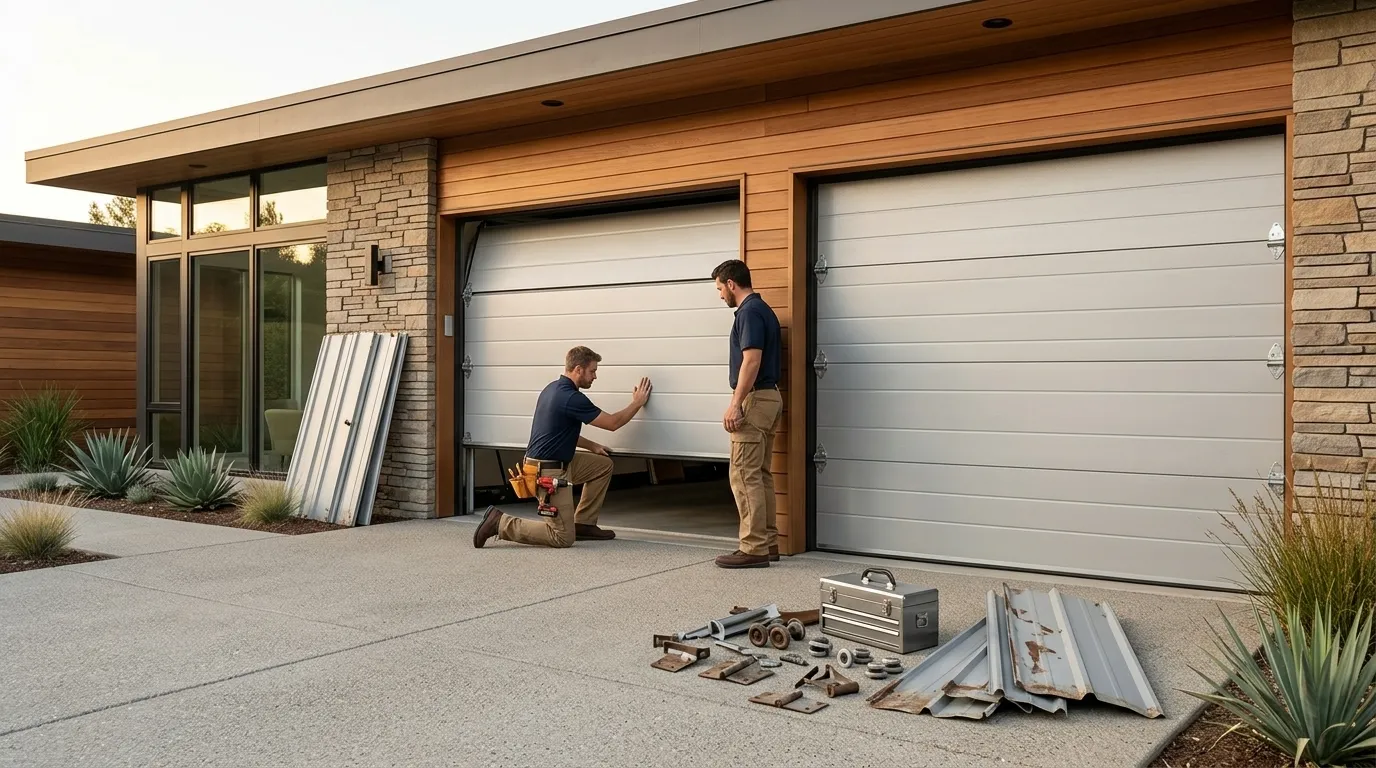
Because the regional climate band here runs moderate heat rather than extreme, we don't see the kind of summer heat failures on plastic gears and sensor eyes that you'd get in a hotter zone - but heat still shortens the life of opener lubricant and rubber weatherseal over 15-20 years. Steel sectional doors from the 2000s also tend to use thinner gauge panels than older doors, which means more dents from a bumped car and slightly less resistance to wind load on a two-car opening. None of that is unique to any one house, but it's the pattern this build era produces.