Garland Garage Door Pros serves Lowry Crossing homes built mostly in the 1990s, 19 miles from our Garland base. Torsion spring, opener, and panel repair for this area's doors.
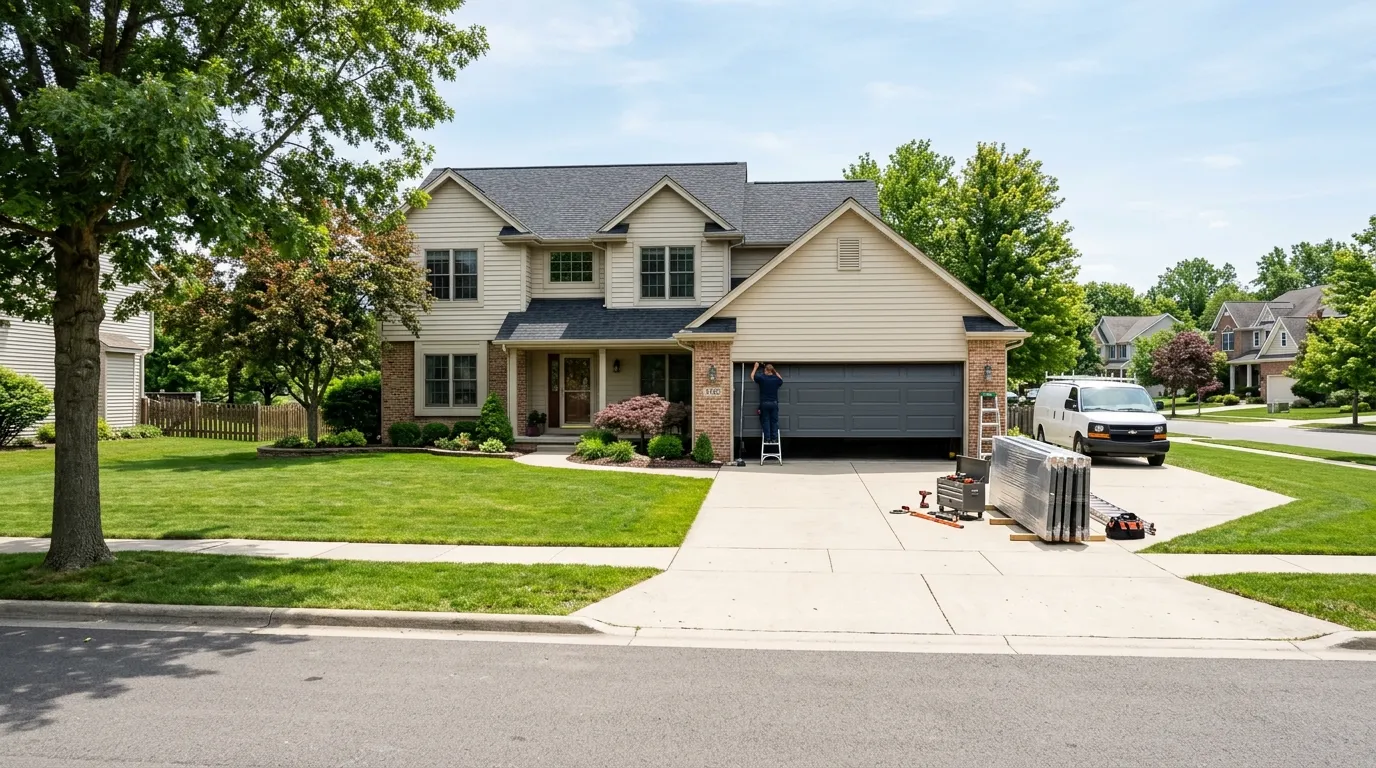
We're honest about the drive. Lowry Crossing sits about 19 miles from our Garland base, which is farther than most of the area we cover. We won't promise a same-day emergency window out here the way we might closer to Garland - if your spring lets go at 7am on a weekday, factor in travel time when you call. We also won't quote a repair over the phone sight unseen; torsion spring sizing and cable routing vary enough house to house that we need to see the door. And if a door is old enough that the opener, the springs, and the track all need replacing at once, we'll tell you that plainly instead of patching pieces that won't outlast each other by more than a year or two.
We don't do new construction installs on spec, and we don't work on doors where the homeowner has already pulled the springs off tension without knowing how to safely re-set them - that's a job we ask you to leave alone until we arrive. With only 642 households in this area, we're not going to pad a quote assuming a big-subdivision job; most calls here are single-door houses on standalone lots, and we price them that way.
This Area's Housing
Lowry Crossing's housing stock centers on a median build year of 1994, noticeably newer than the roughly 2002 median across the wider service area covered by Garland Garage Door Pros. That decade matters more than it sounds like it should. A door and opener installed in the mid-90s used different spring mounting and different opener drive systems than what went into houses built after 2000, and a lot of those original units are now 25-30 years old - well past a typical service life even with maintenance.
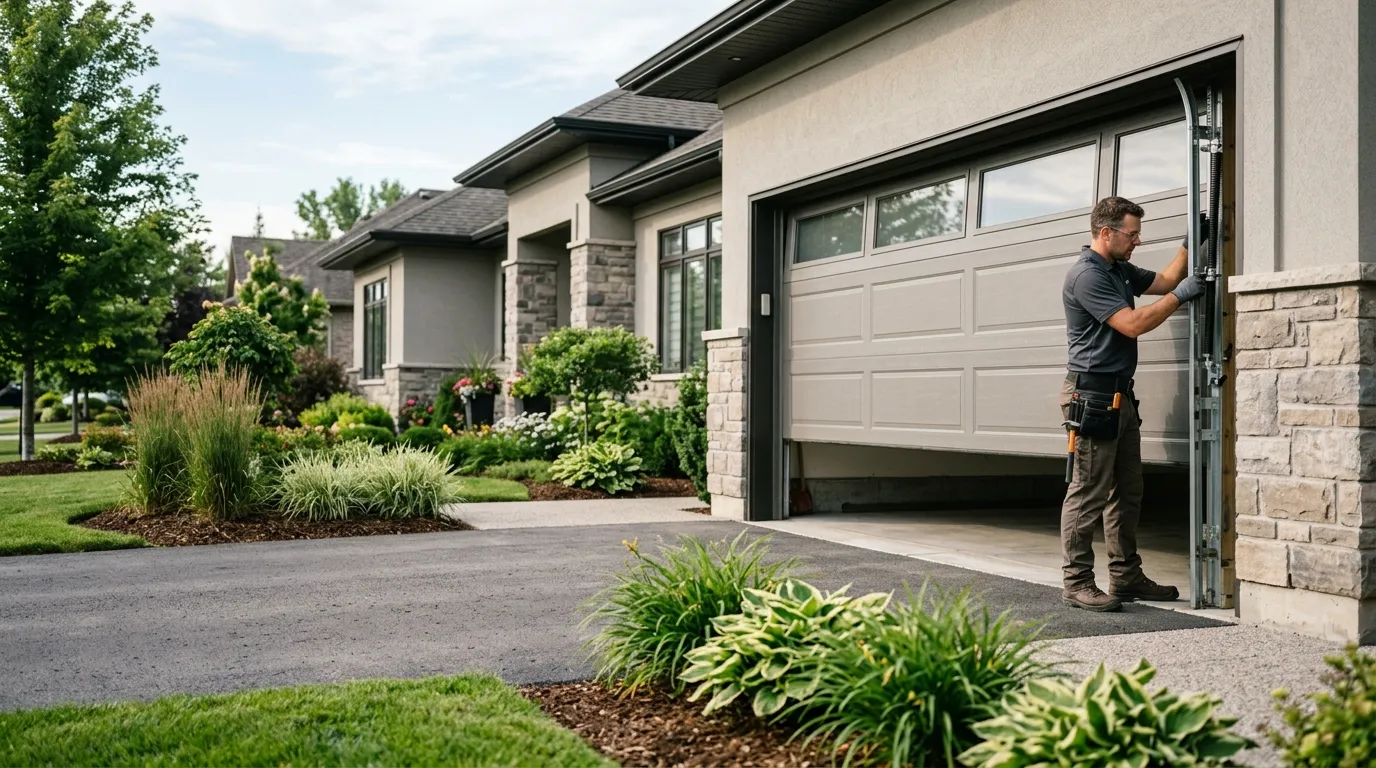
With 642 households in the area and a median household income of $110,357, this isn't a market of stripped-down builder-grade doors. Most of what we see are mid-size double-car garages with steel sectional doors, torsion springs mounted on a center bracket, and openers that are either original to the house or a single replacement generation in. The area falls in a moderate-heat climate band, which is easier on doors and openers than a lot of Texas but doesn't eliminate the effect of years of summer heat cycling on nylon rollers and opener drive belts.
What the Housing Means for Your Door
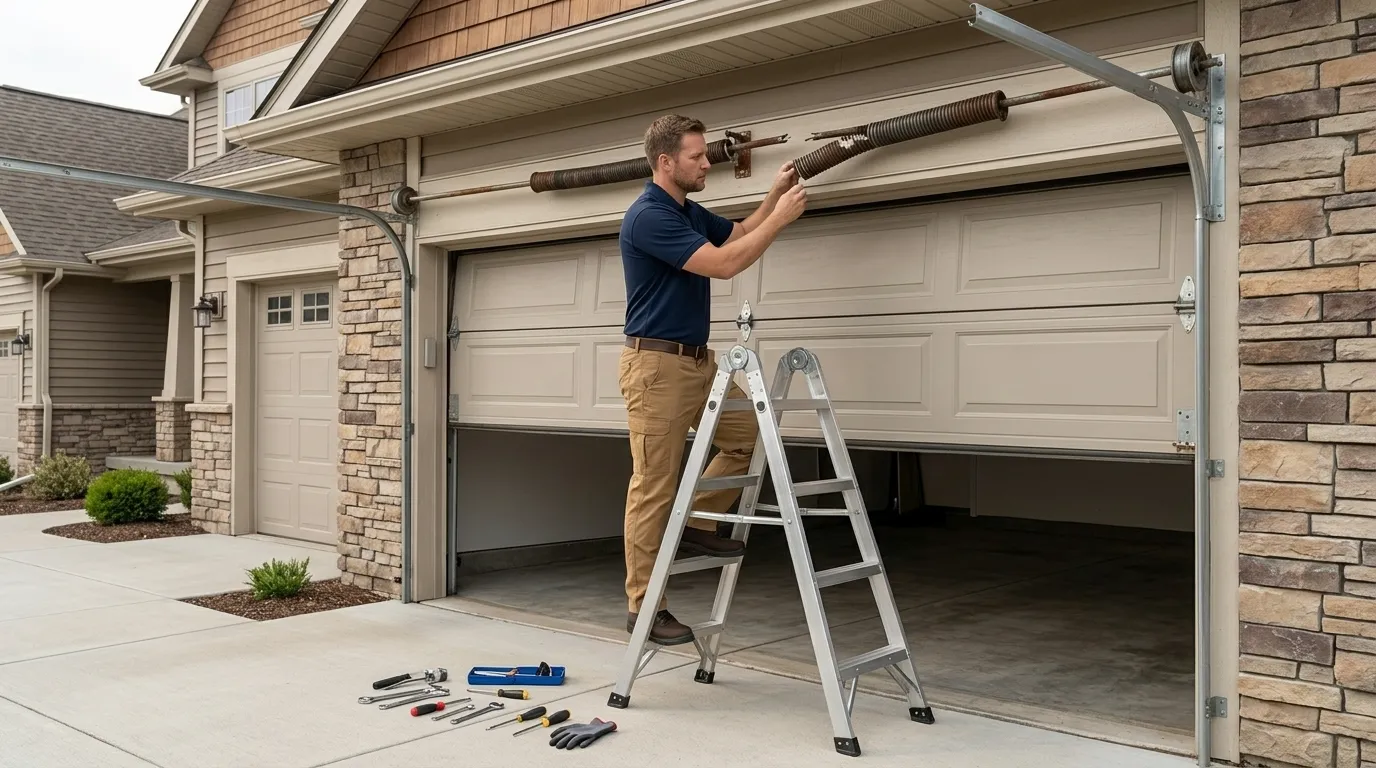
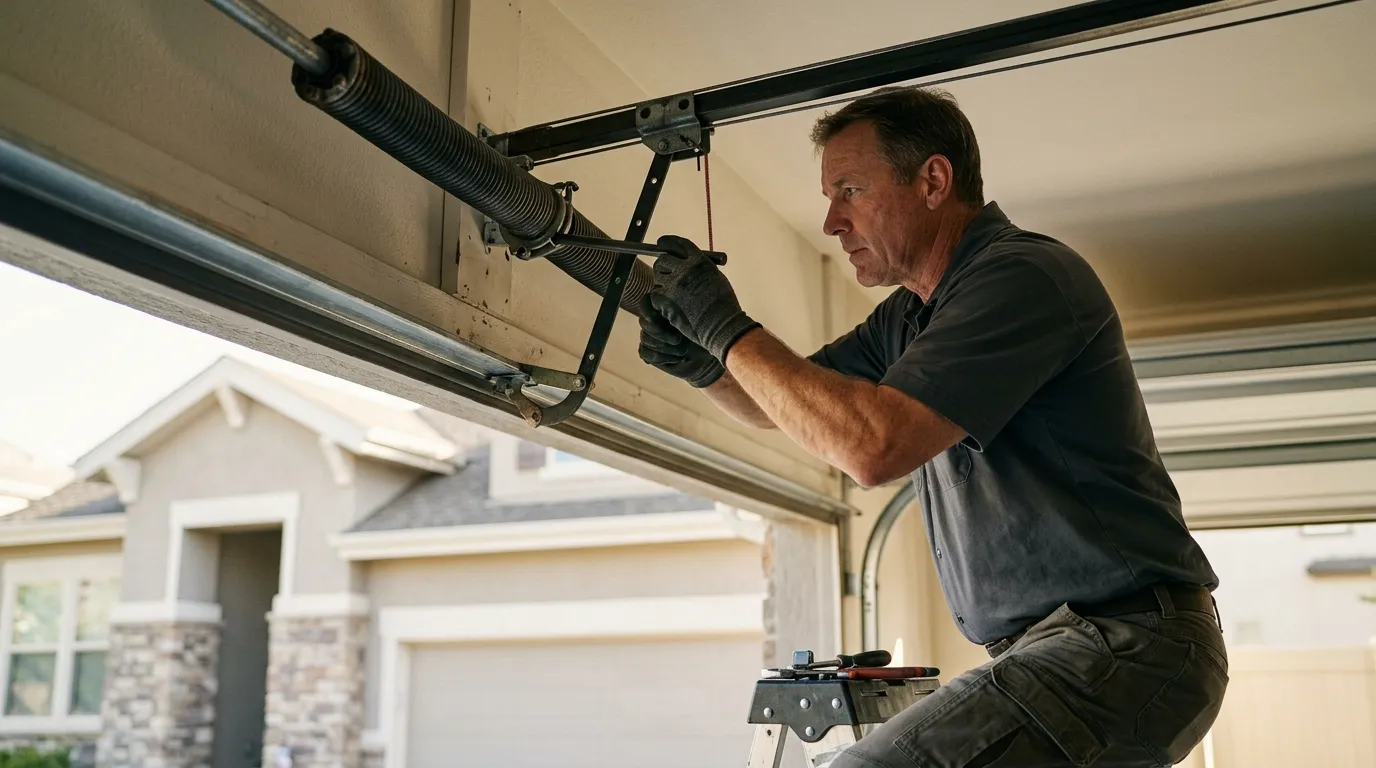
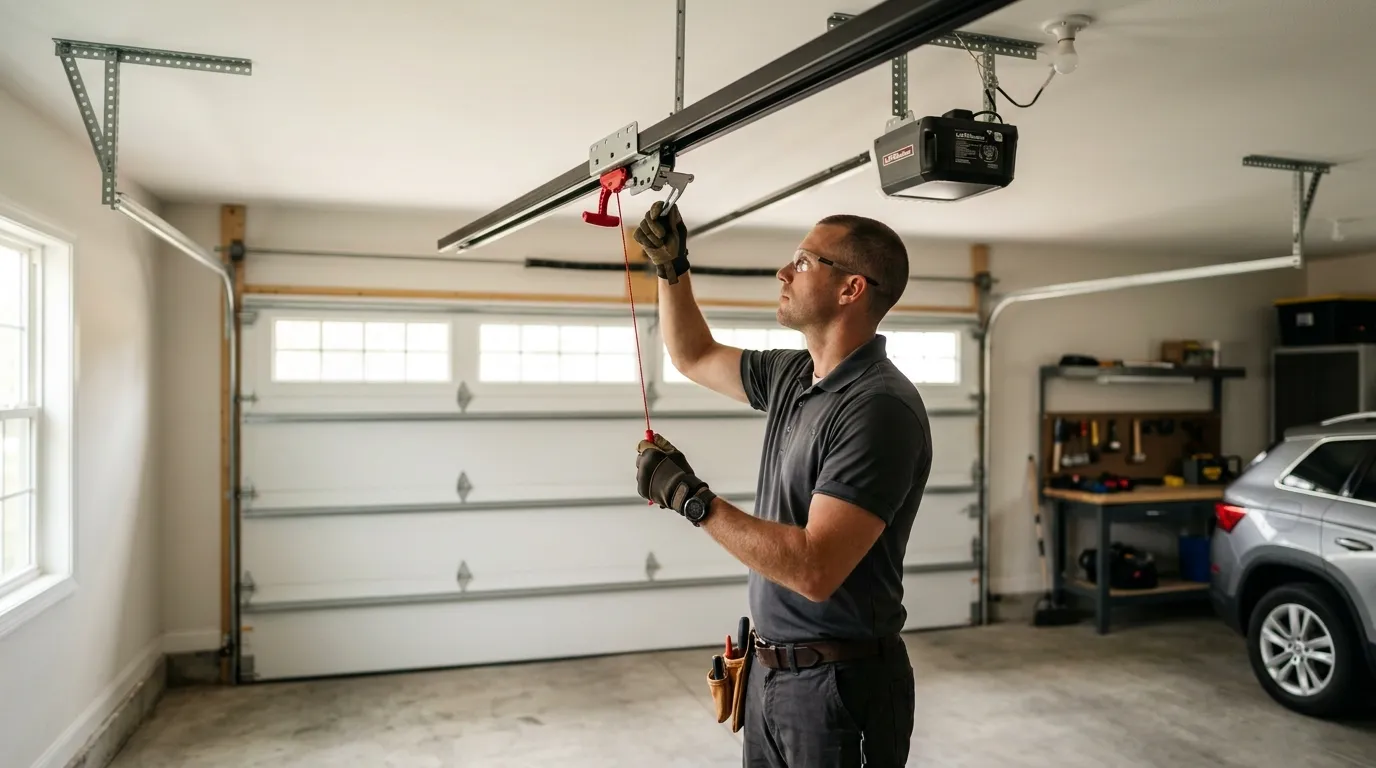
Because so many Lowry Crossing garages date to the early-to-mid 1990s, the failure pattern is predictable. Torsion springs rated for that era's doors are usually undersized for a homeowner who's since added insulation or a heavier decorative overlay to the panel - the spring just wears out faster than it should. We also see a lot of original 1990s chain-drive openers still running, which means worn drive gears and sprockets rather than the belt or logic-board issues that show up on newer units.
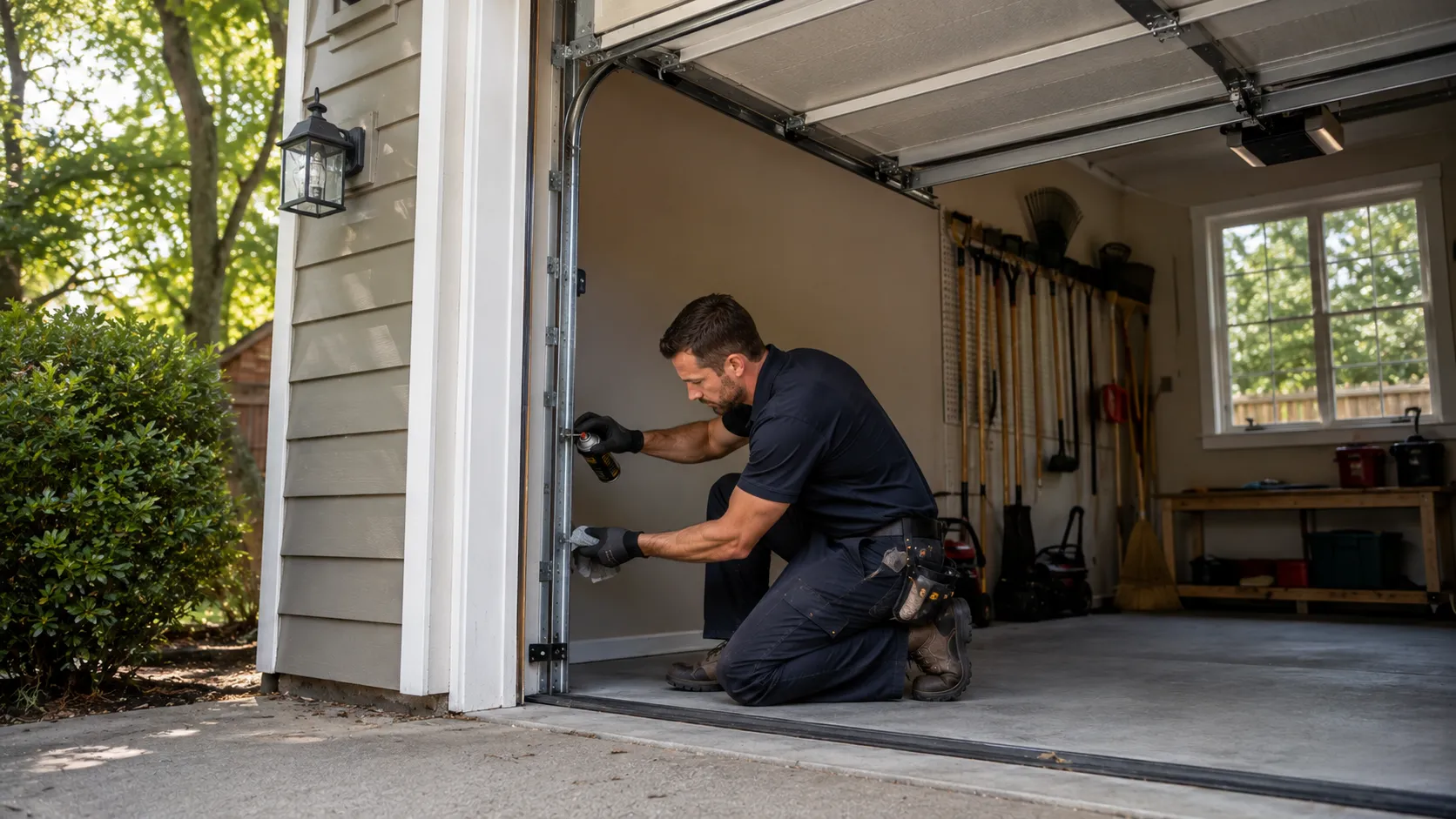
Rollers are the other recurring item. A door that's been cycling for 25-30 years in a moderate-heat climate has usually gone through at least one full roller set, and if it hasn't, that's often the source of the grinding or binding a homeowner calls about. None of this means every door here needs full replacement - a spring swap and a roller set often buy another decade on a door that's structurally sound, and we'll say so rather than upsell a new door when the panel and track are fine.
The Calls We Get From Here
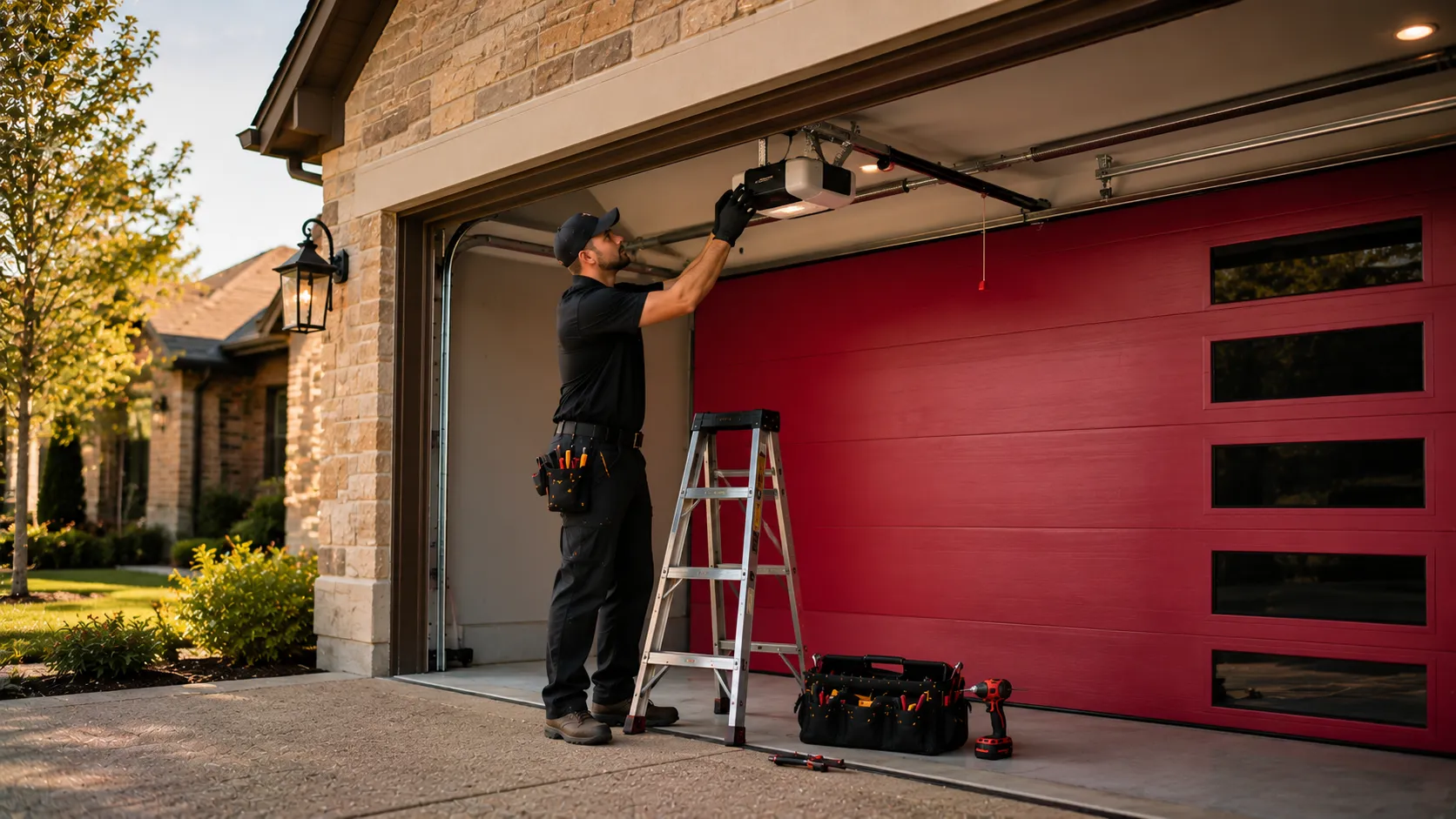
The calls from this area lean toward age-related failure rather than storm damage or accident damage. Torsion spring breaks top the list, usually on doors that have never had the spring serviced since the house was built. Opener calls come in close behind - either the chain-drive unit has finally worn its sprocket enough to skip, or the safety sensors have drifted out of alignment after years of the door being bumped by a car bumper or a garden hose reel.
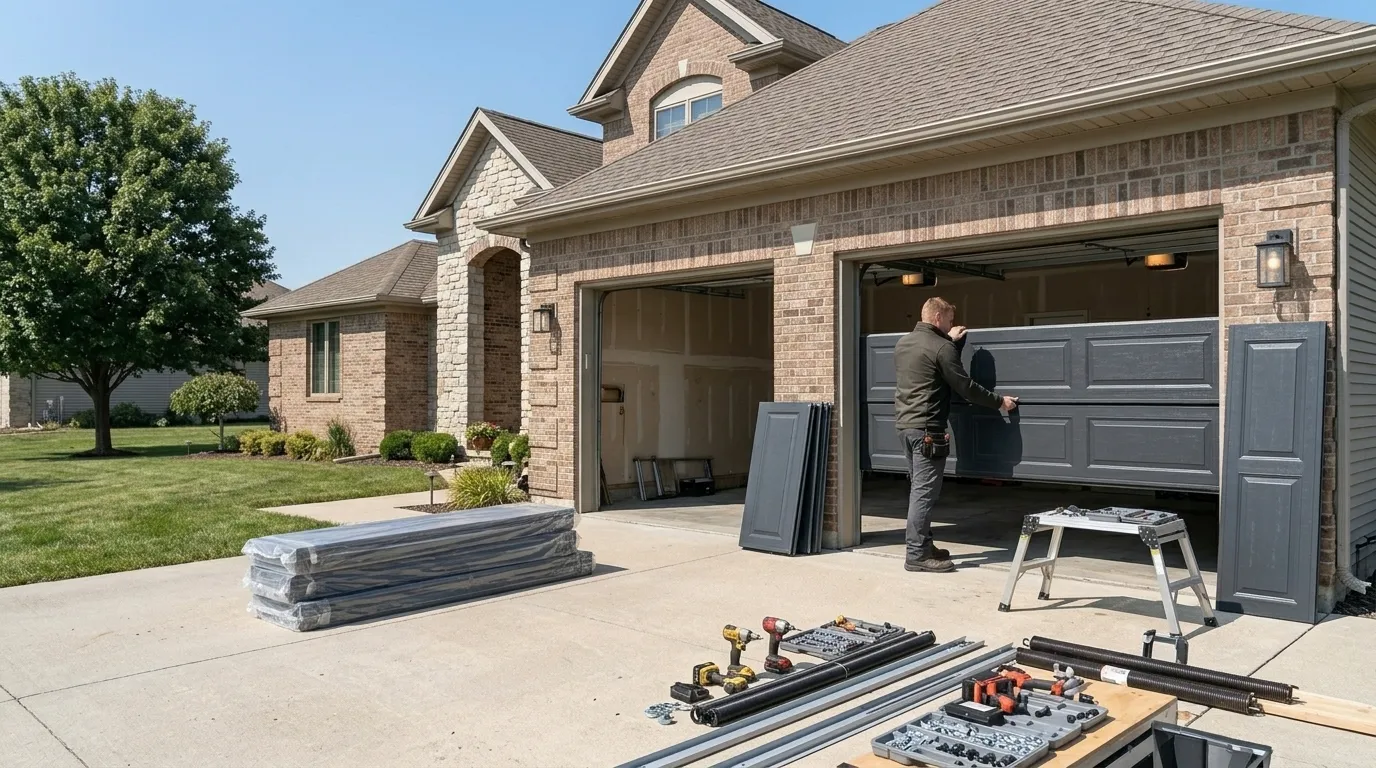
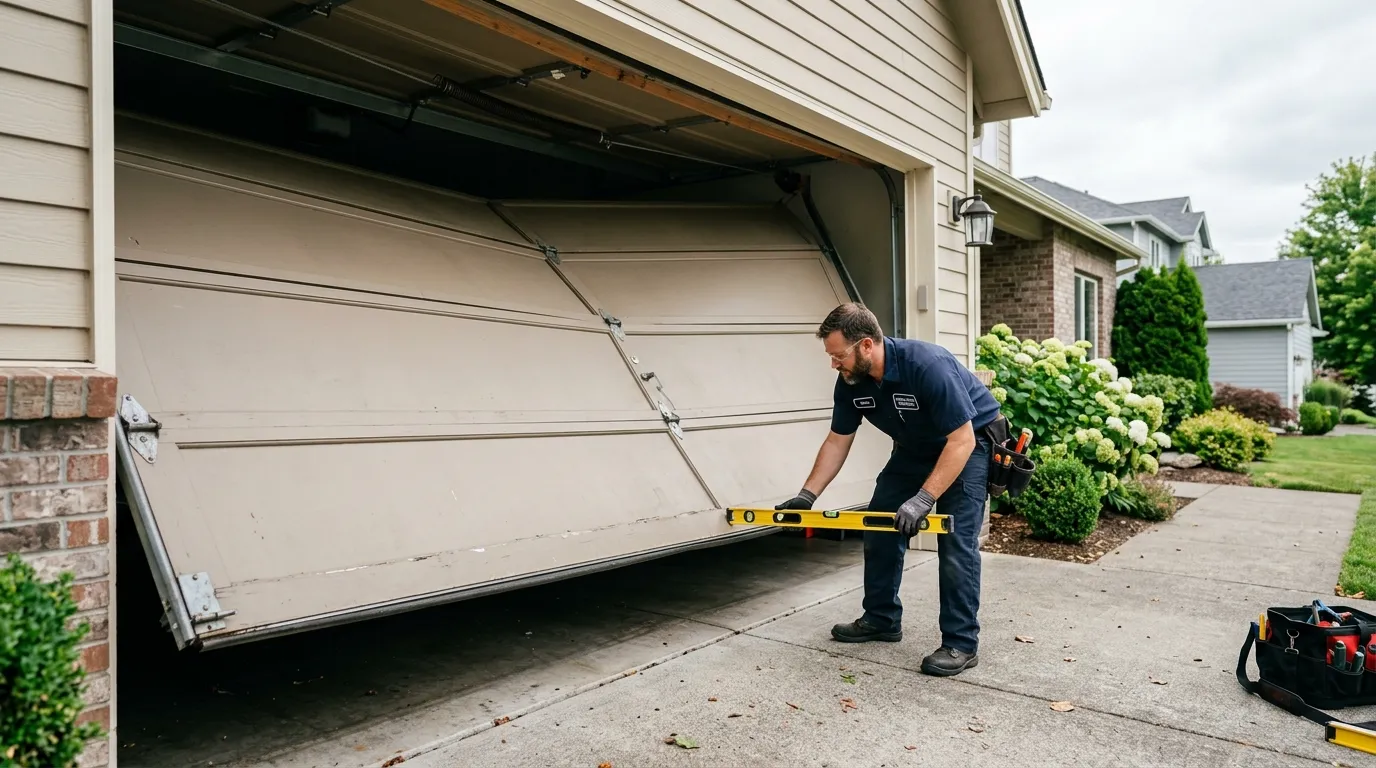
We also get track and roller calls where the door has started binding partway through the cycle, which on a house this age is almost always worn rollers rather than a track that's actually bent. Panel damage calls are less common here than in denser subdivisions, which tracks with the lower household count and more standalone-lot layout. When we do get a panel call, it's usually a single dented section rather than full-door replacement, and we'll match and replace just that section where the manufacturer still stocks it.
How it works
From “it’s stuck” to “it’s fixed”
A quick, honest process - no guesswork and no surprises.
1
Tell us what’s wrong
Describe the symptom - won’t open, loud bang, opener runs but the door won’t move.
2
On-site diagnosis
A technician tests the door under power and by hand and finds what actually failed.
3
Clear, up-front plan
You get the fix that’s needed and what drives the cost - before any work starts.
4
Repaired & tested
The repair is done, the door is set true and tested, and the work area left clean.
Serving Garland, TX - tell us what your door’s doing and we’ll take it from there.
How far out is Lowry Crossing from your Garland location?
About 19 miles. We do travel out for repairs and installs, but factor the drive into your scheduling window, especially for non-emergency work - we're not based in the area and can't offer the same tight turnaround we'd give a job closer to Garland.
Why did my opener from the 1990s finally start skipping?
Most Lowry Crossing garages date to the early-to-mid 1990s, and original chain-drive openers from that era are now 25-30 years old. The chain sprocket wears down gradually until the chain skips a tooth under load - that's a worn part, not usually a fixable adjustment.
Is my house too old for a spring repair instead of full replacement?
Not necessarily. Age alone doesn't retire a door - most of what we replace on 1990s-era Lowry Crossing houses is the spring and rollers, which can add another decade of service if the panel and track are still straight and the opener still runs cleanly.
Ready to get your garage door sorted?
Tell us what it’s doing and where you are in Garland - we’ll take it from there.