This Area's Housing
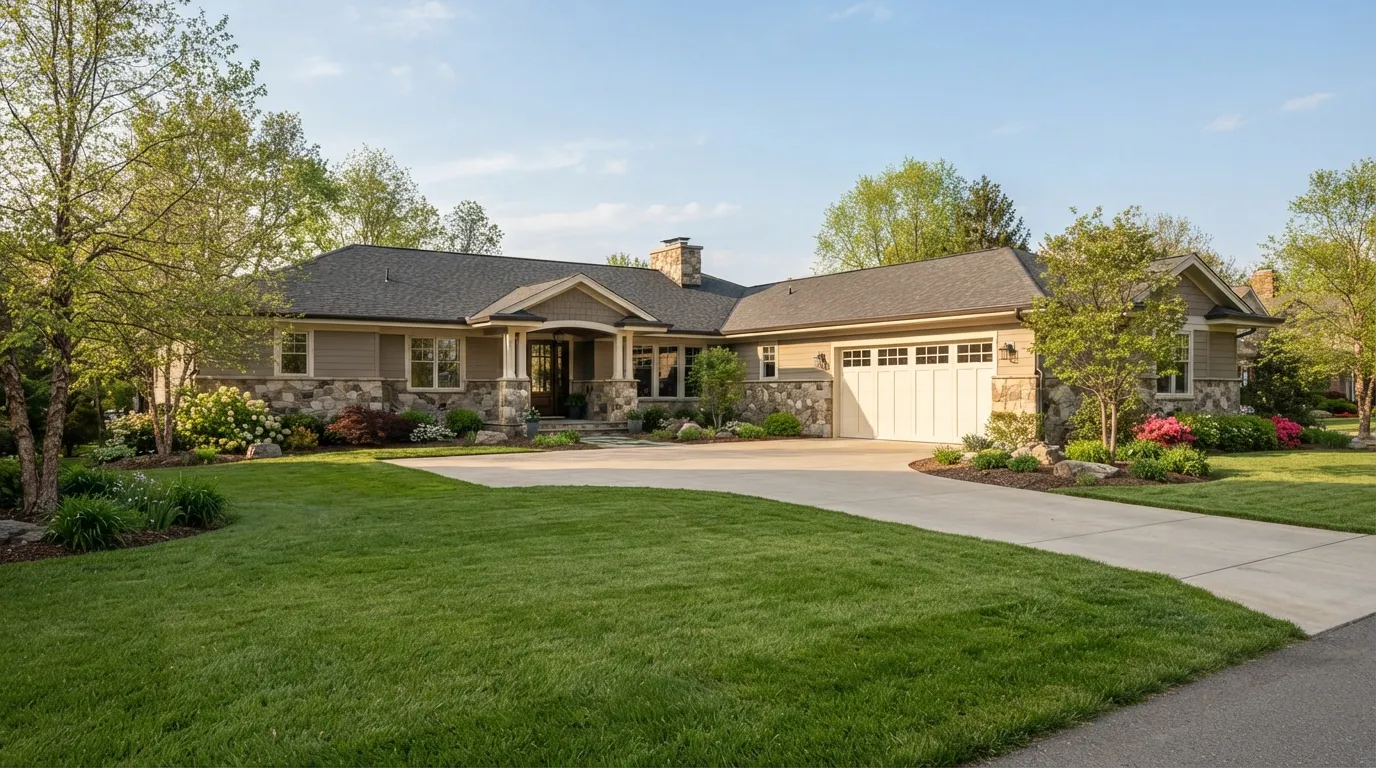
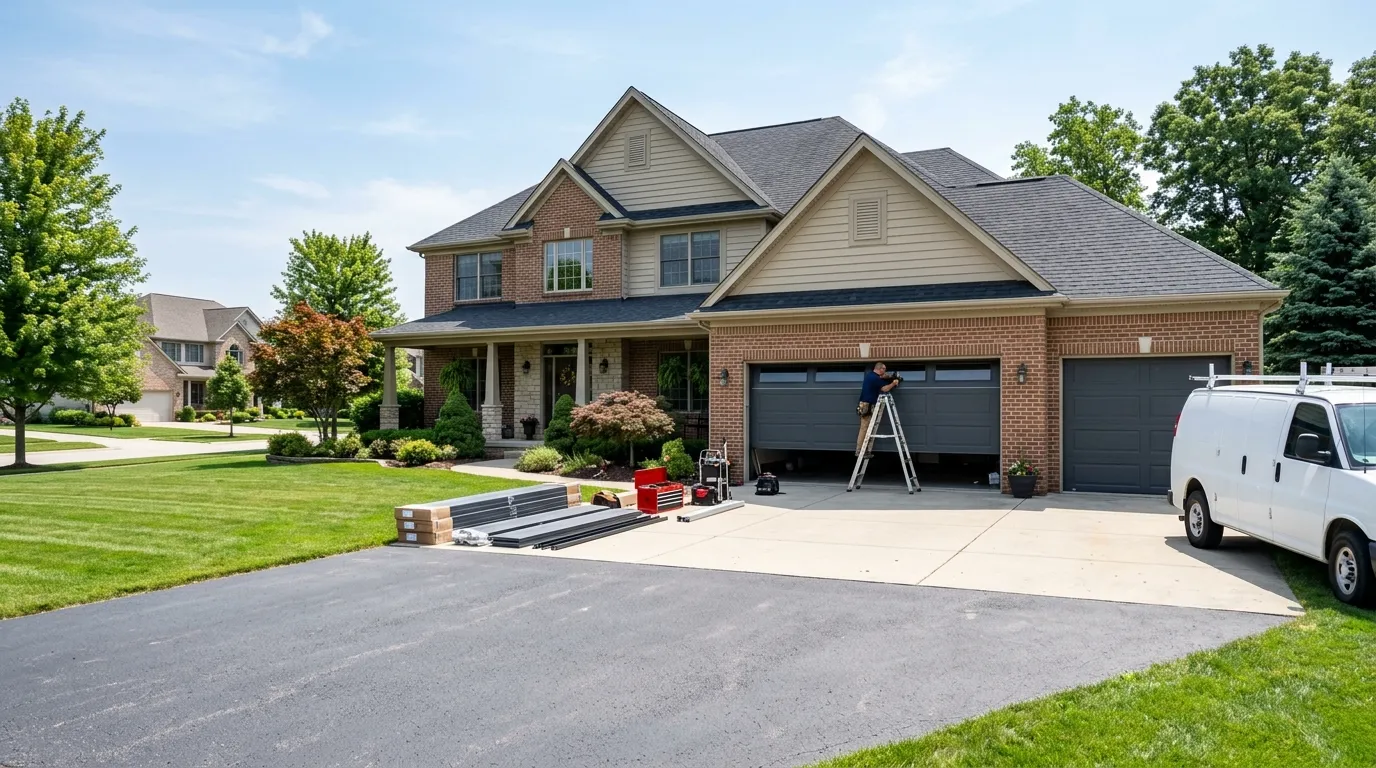
Balch Springs sits apart from a lot of the rest of the service area in one clear way: the typical home here dates to around 1987, well ahead of the newer construction that makes up much of the newer named areas closer to 2002 median build. That fifteen-year gap matters more than it sounds like. A house built in 1987 was framed to different garage door rough-opening standards, and it was almost certainly built with a garage door system that's now on its second or third opener but possibly its original spring setup. With 8,472 households in the area and a median income of $70,528, most of what we see are owner-occupied single doors and standard two-car double doors on original or near-original steel track, not the wider, taller openings you find in post-2000 subdivisions.
What the Housing Means for Your Door
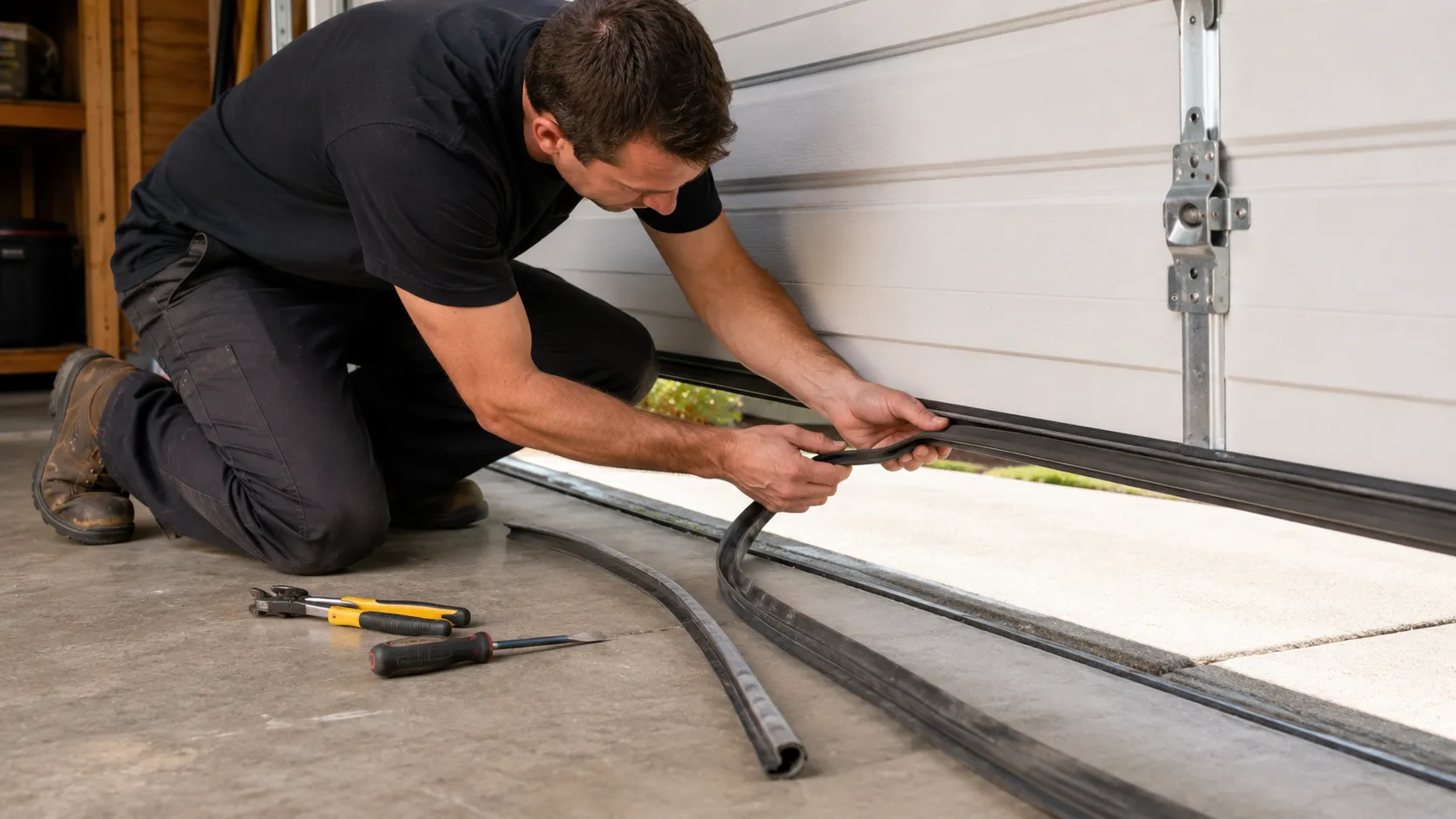
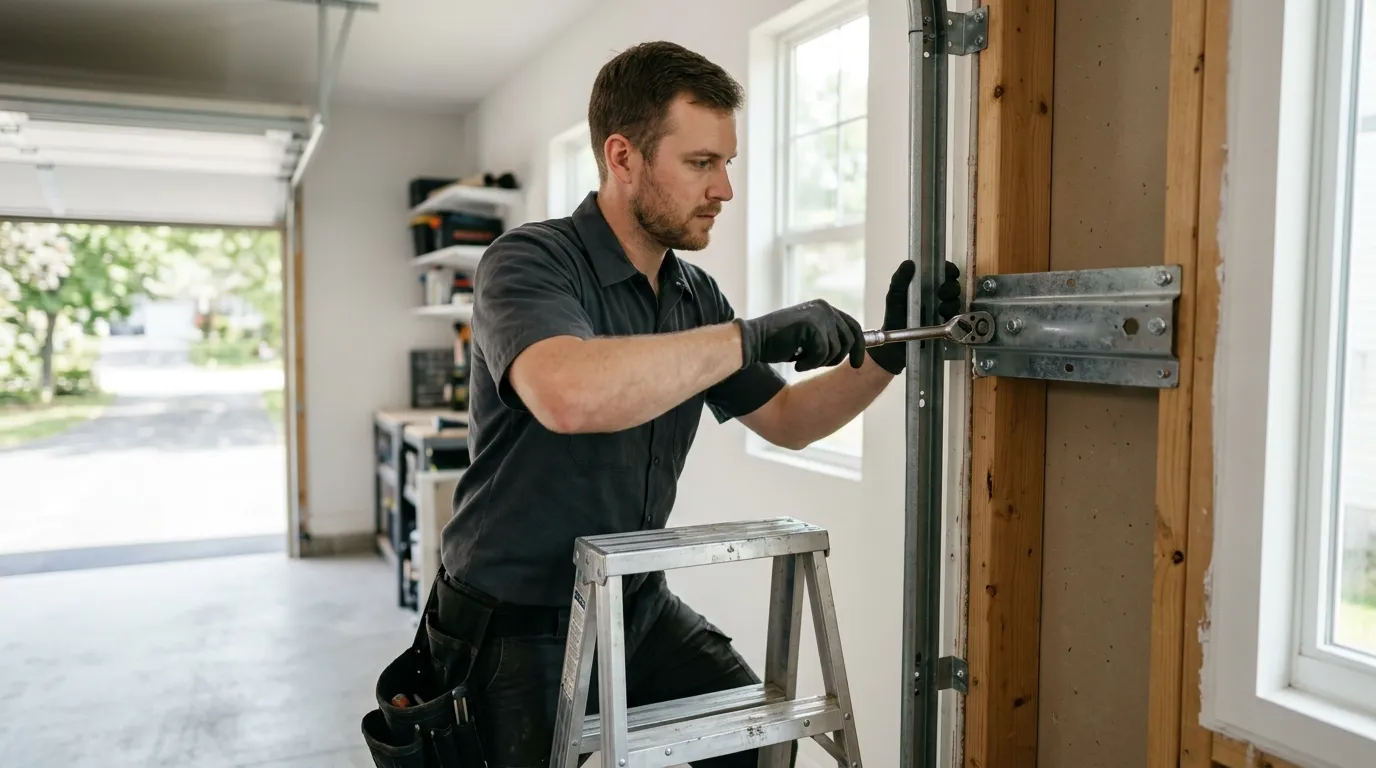
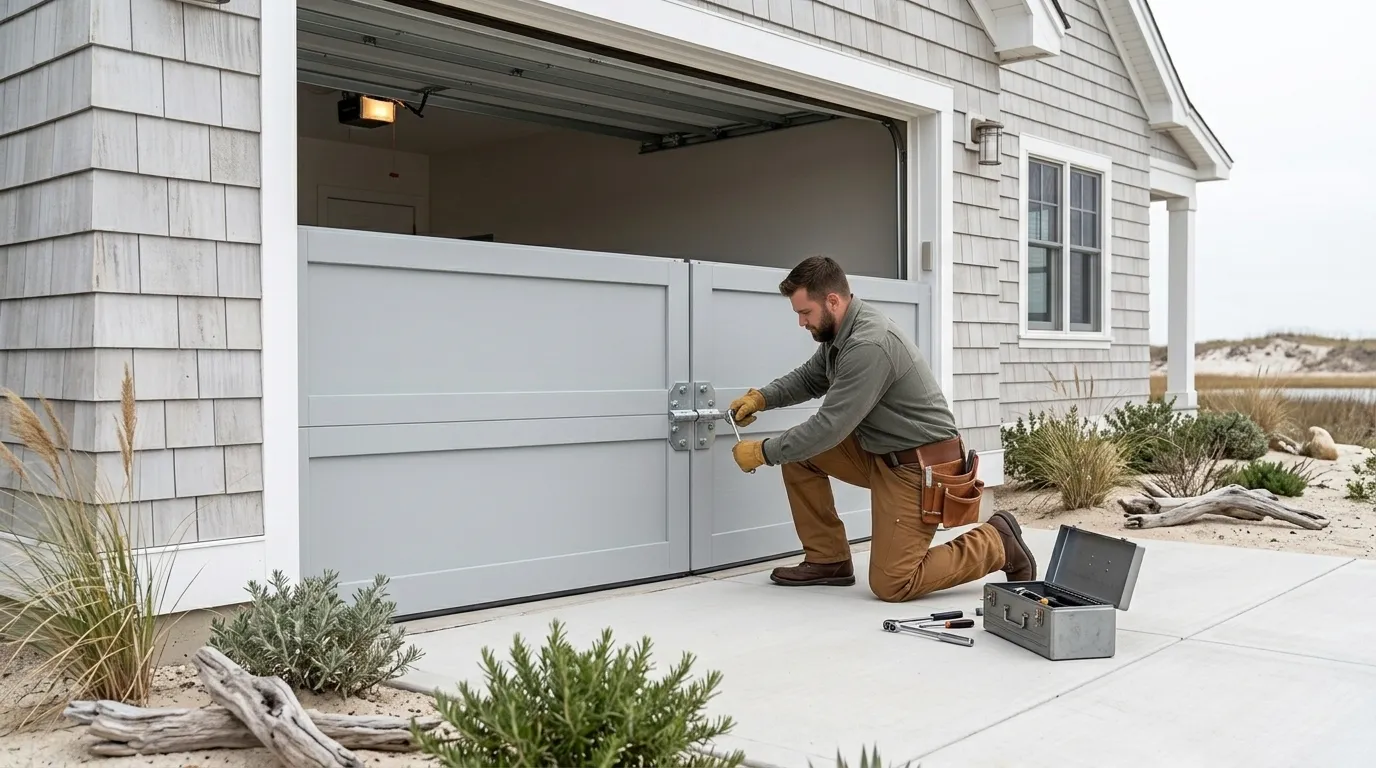
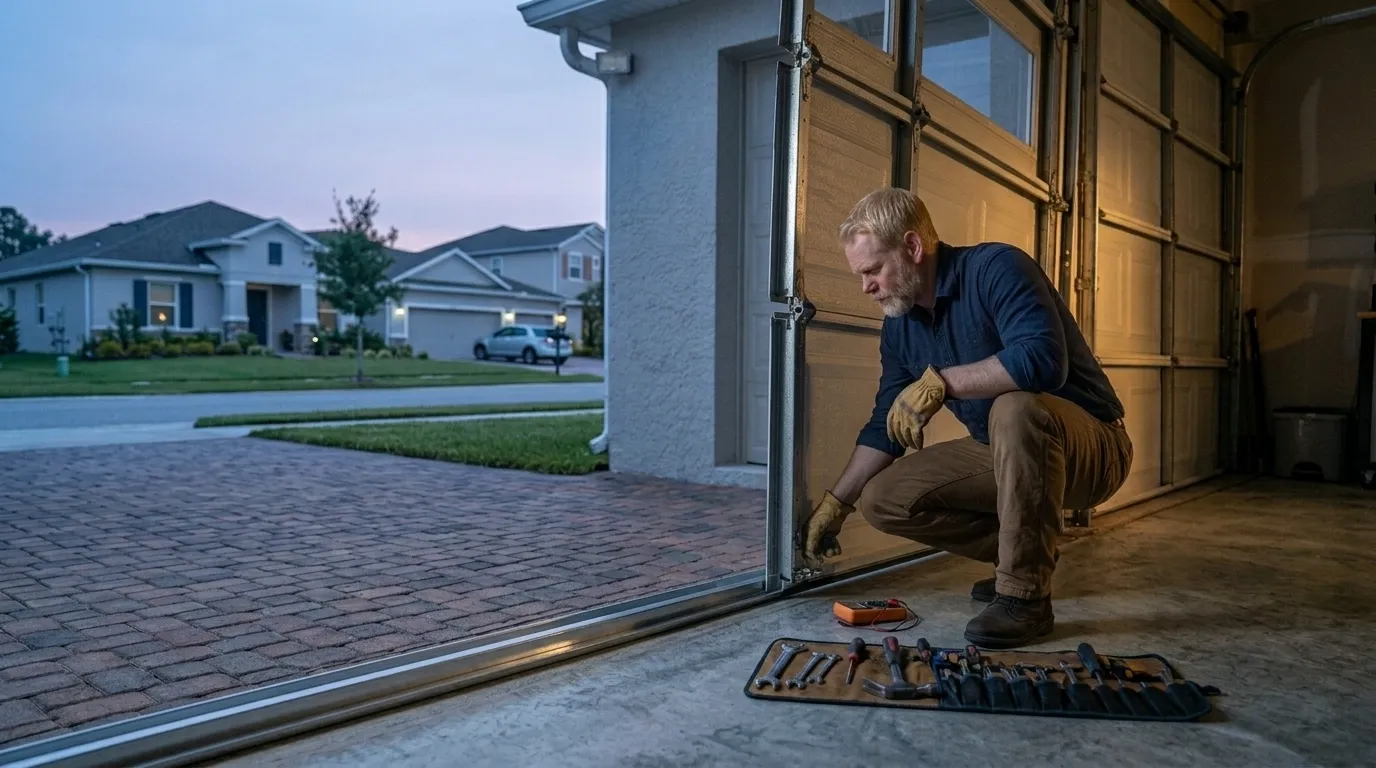
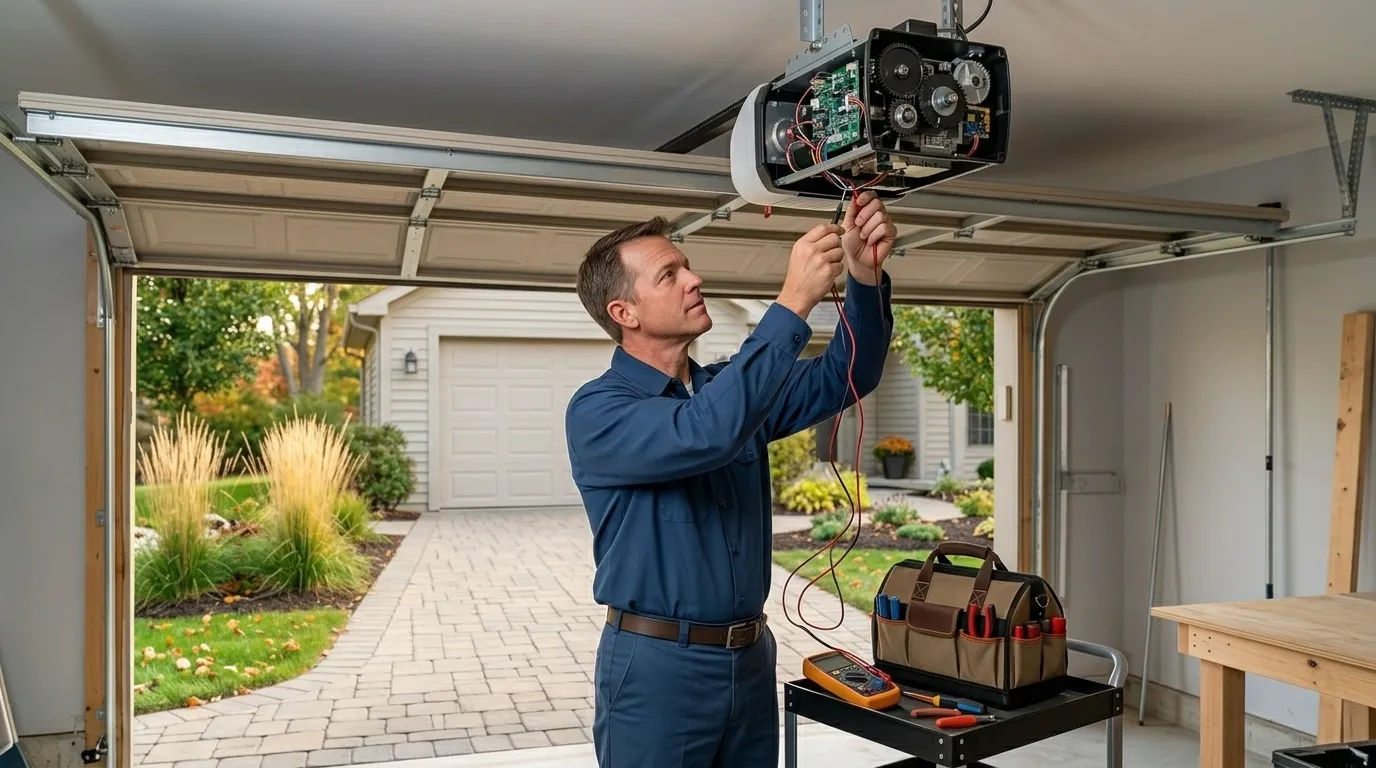
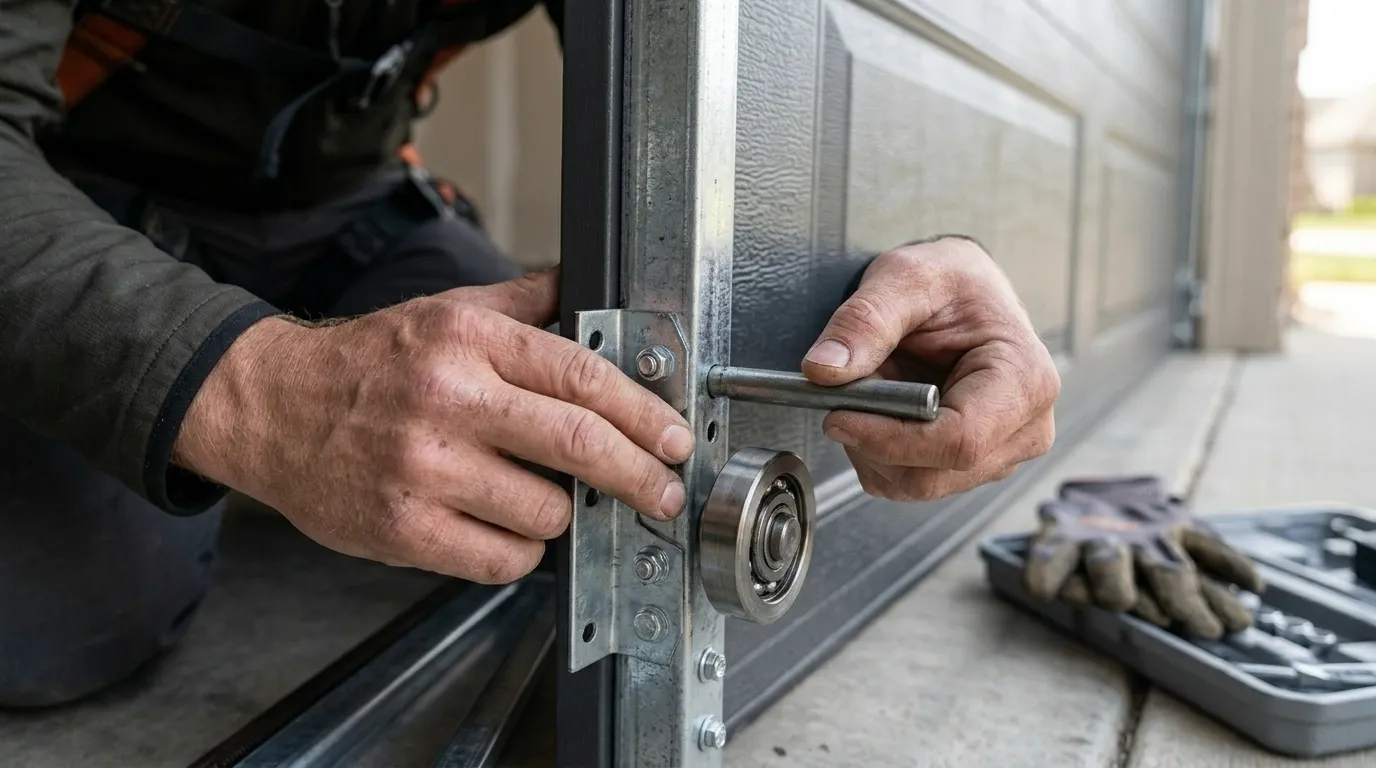
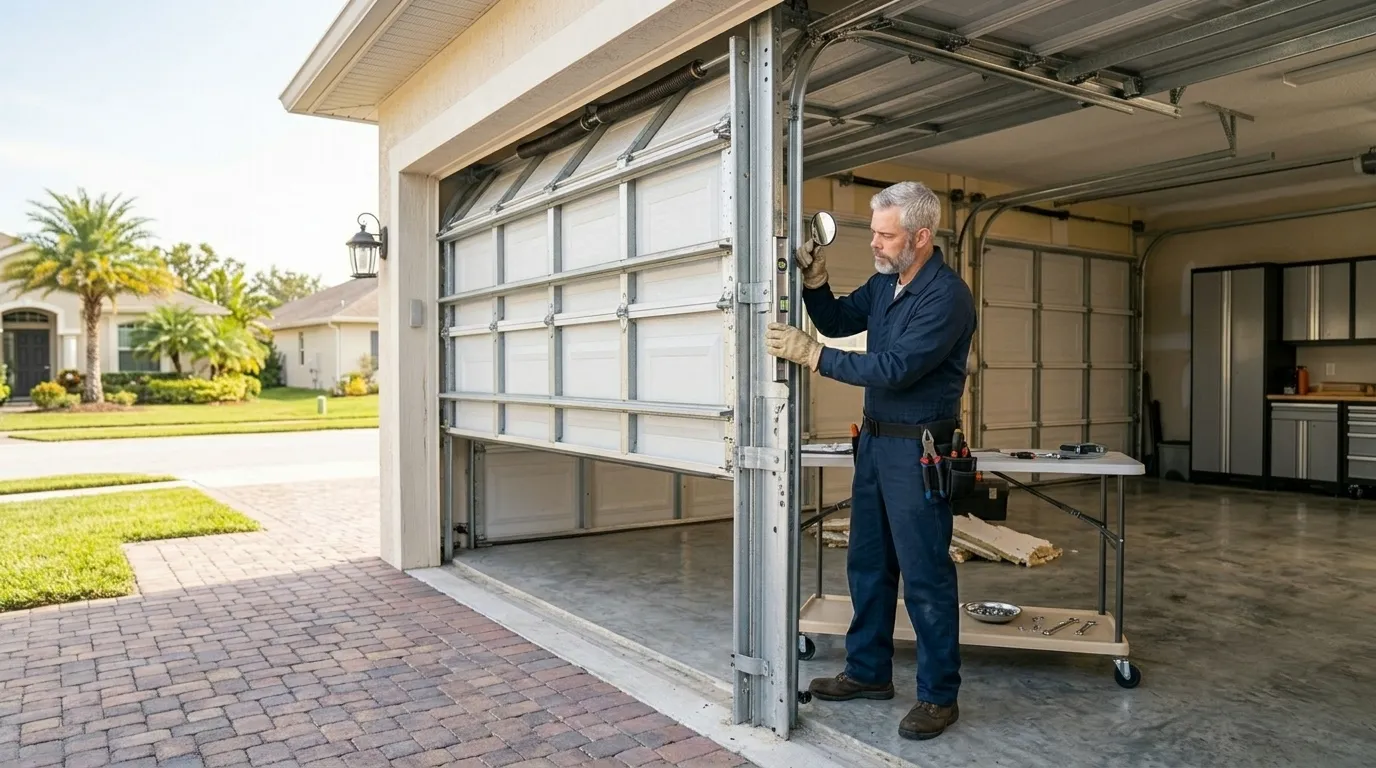
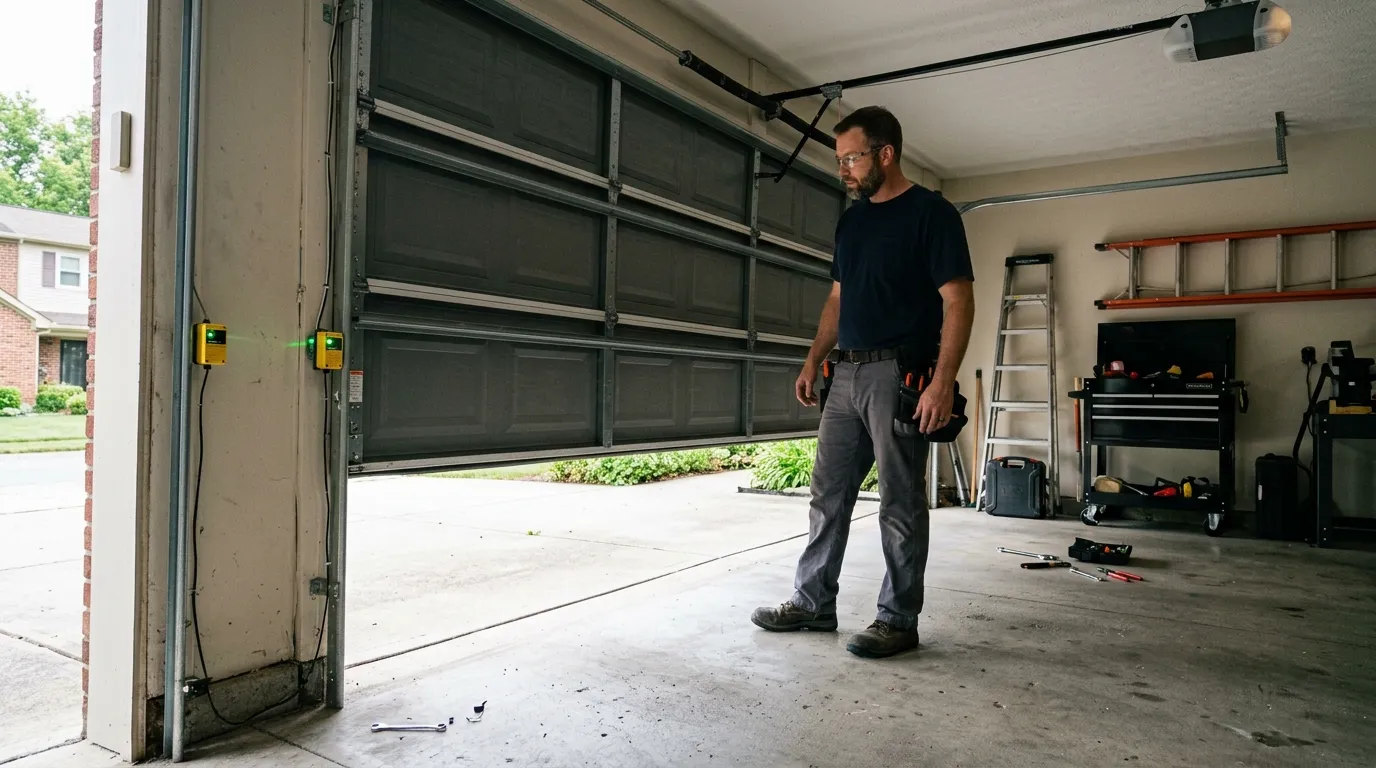
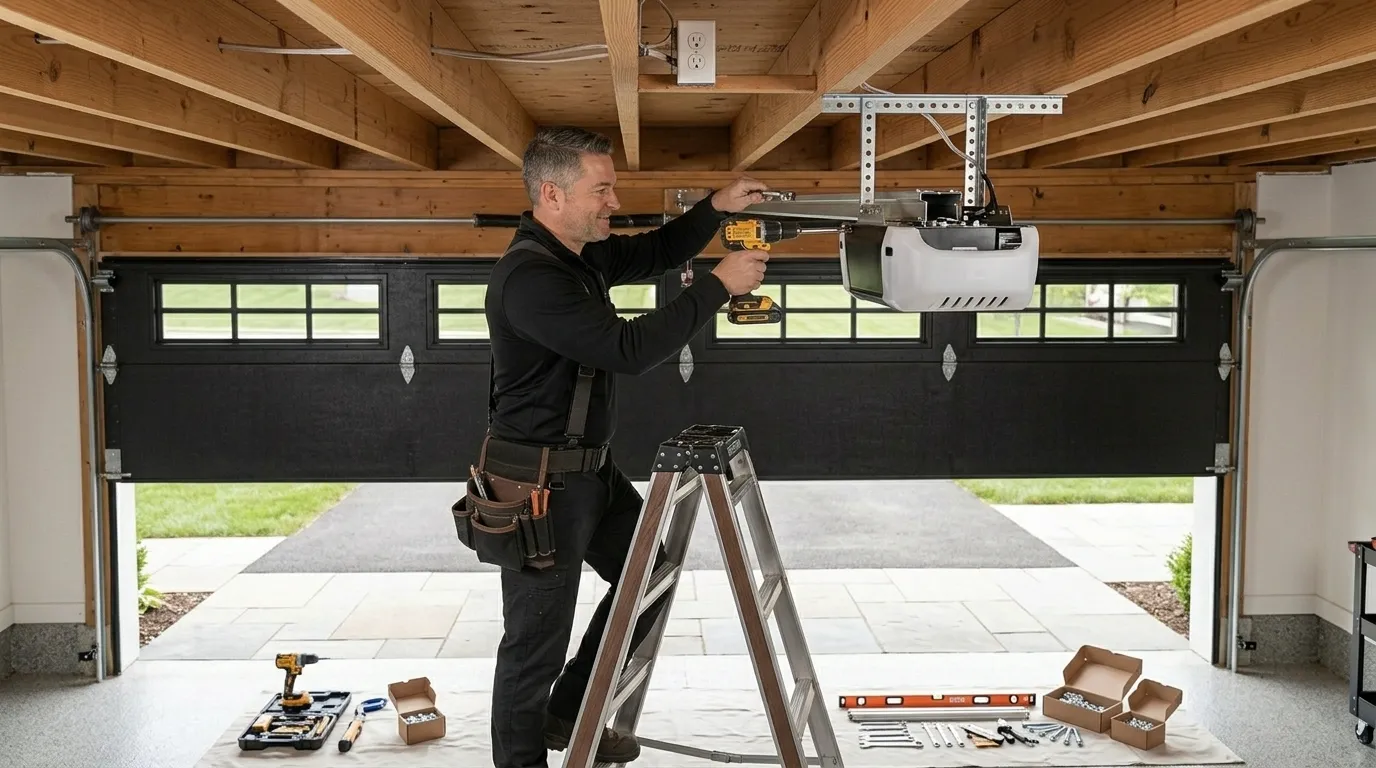
A door built around 1987 usually runs on a torsion spring sized for the standards of that decade - lighter-gauge steel doors, older extension or torsion setups depending on when the garage was last touched, and hardware that's cycled tens of thousands of times by now. The most common failure we see on houses this age isn't the door skin, it's the torsion spring reaching the end of its cycle life, or the original steel rollers wearing grooves into galvanized track that was never replaced. Openers from this era, if they haven't been swapped already, often lack rolling-code security and modern auto-reverse sensors - worth knowing if you've got kids or pets in the garage's path. The regional climate band here runs moderate heat, so we don't see the extreme cold-snap spring failures some northern markets deal with, but summer heat still dries out old lubrication and stiffens seals faster than owners expect.