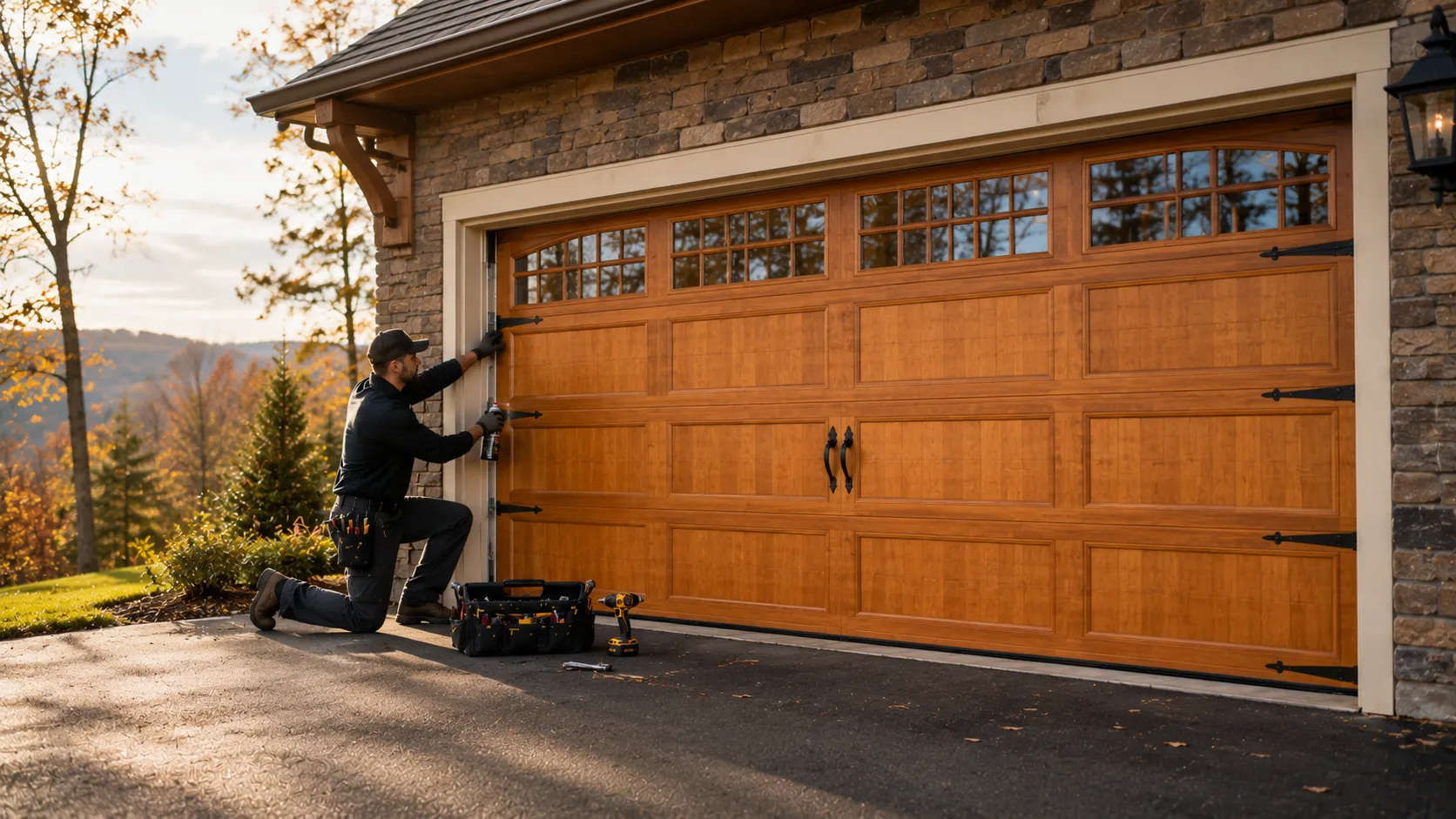
This Area's Housing
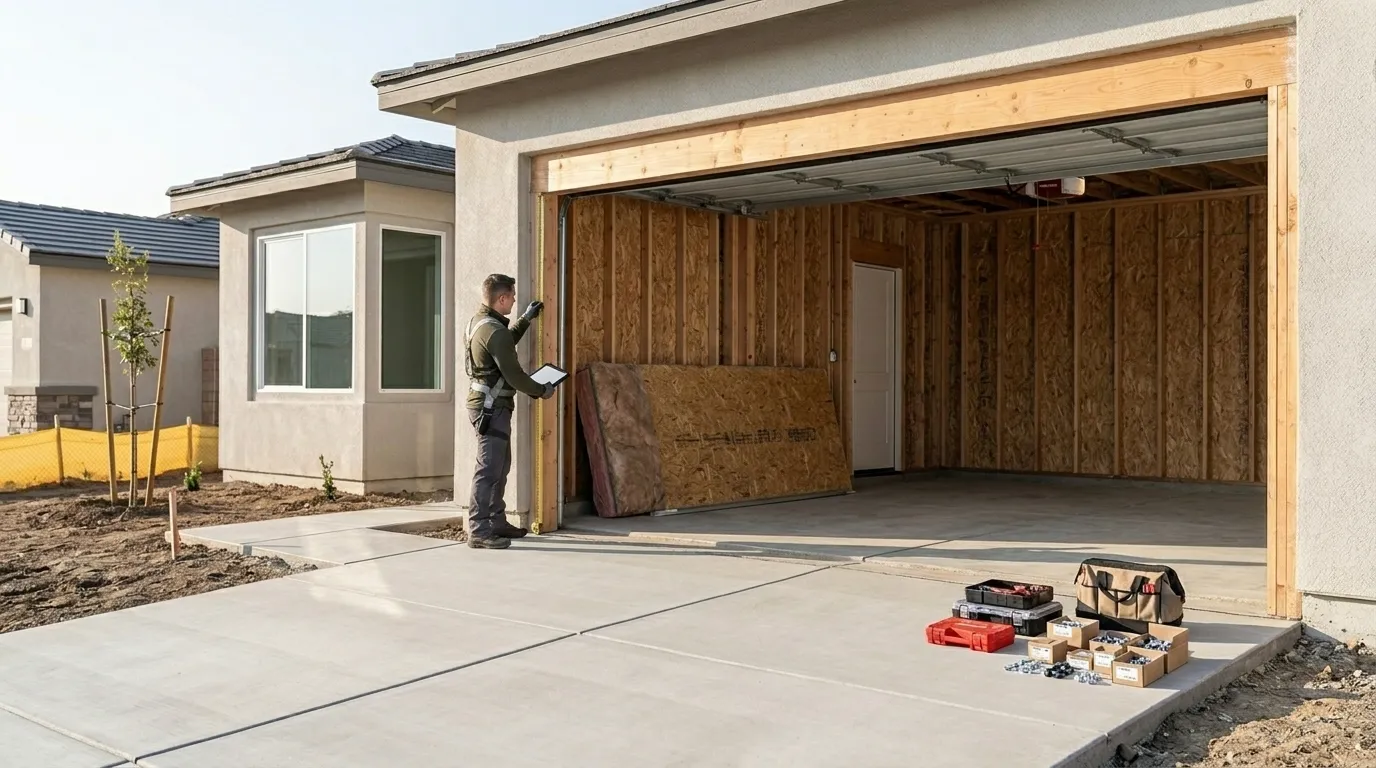
Most of the houses we service in McLendon-Chisholm went up around 2009, which puts this pocket noticeably newer than the median build year across the wider Garland coverage area (2002). At 1,298 households, it's also one of the smaller markets we cover, and the income here runs well above the coverage area average - $196,458 median compared to $133,750 across the service area as a whole. That combination shows up on the doors themselves: bigger sections, heavier insulated panels, and openers that were spec'd for a newer build code rather than retrofitted onto an older frame.
What the Housing Means for Your Door
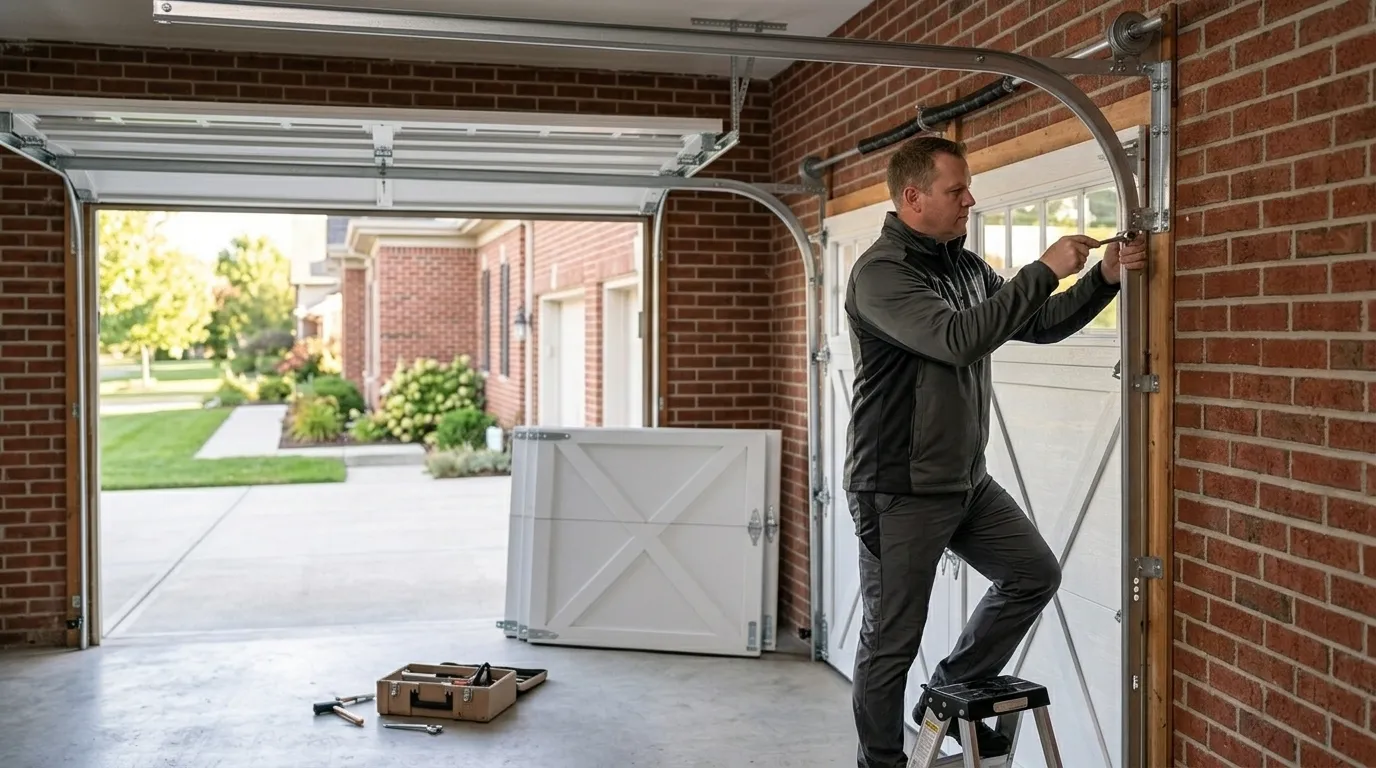
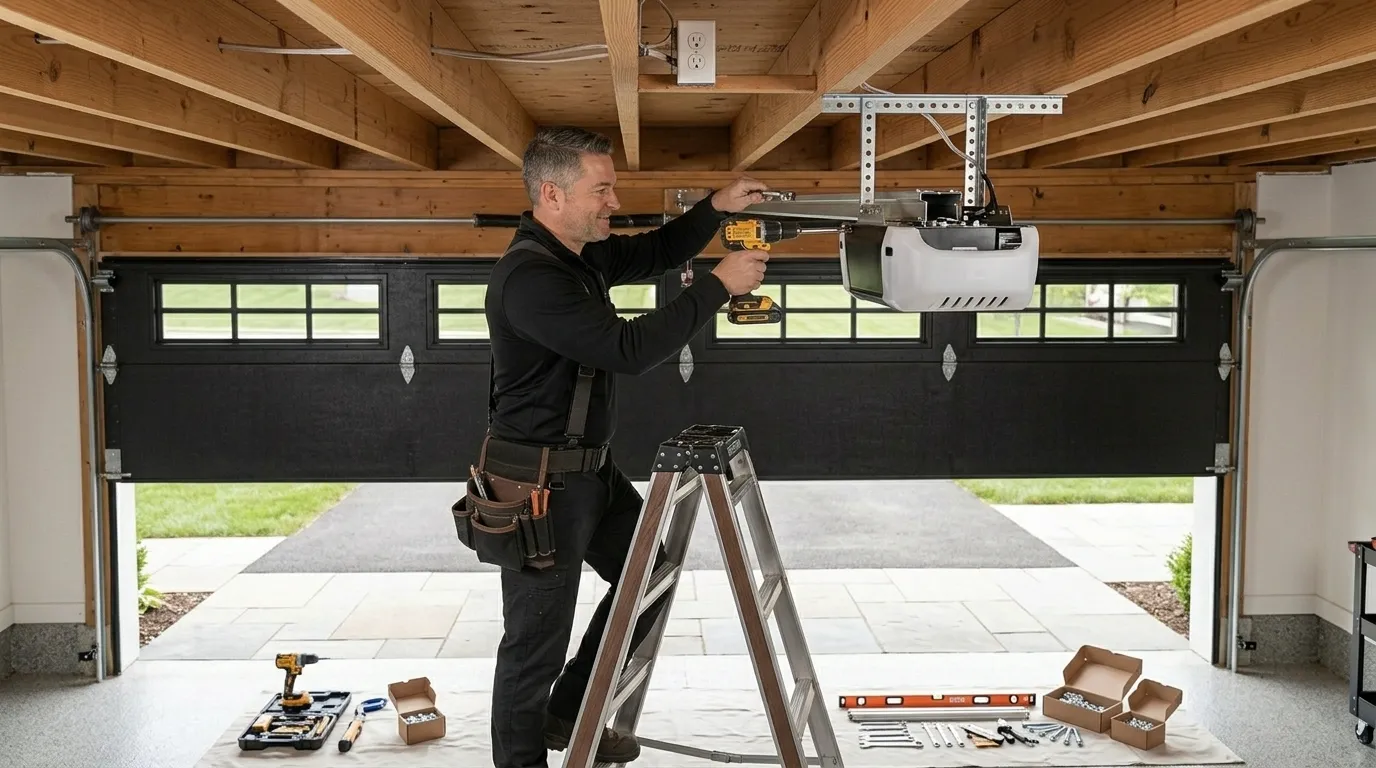
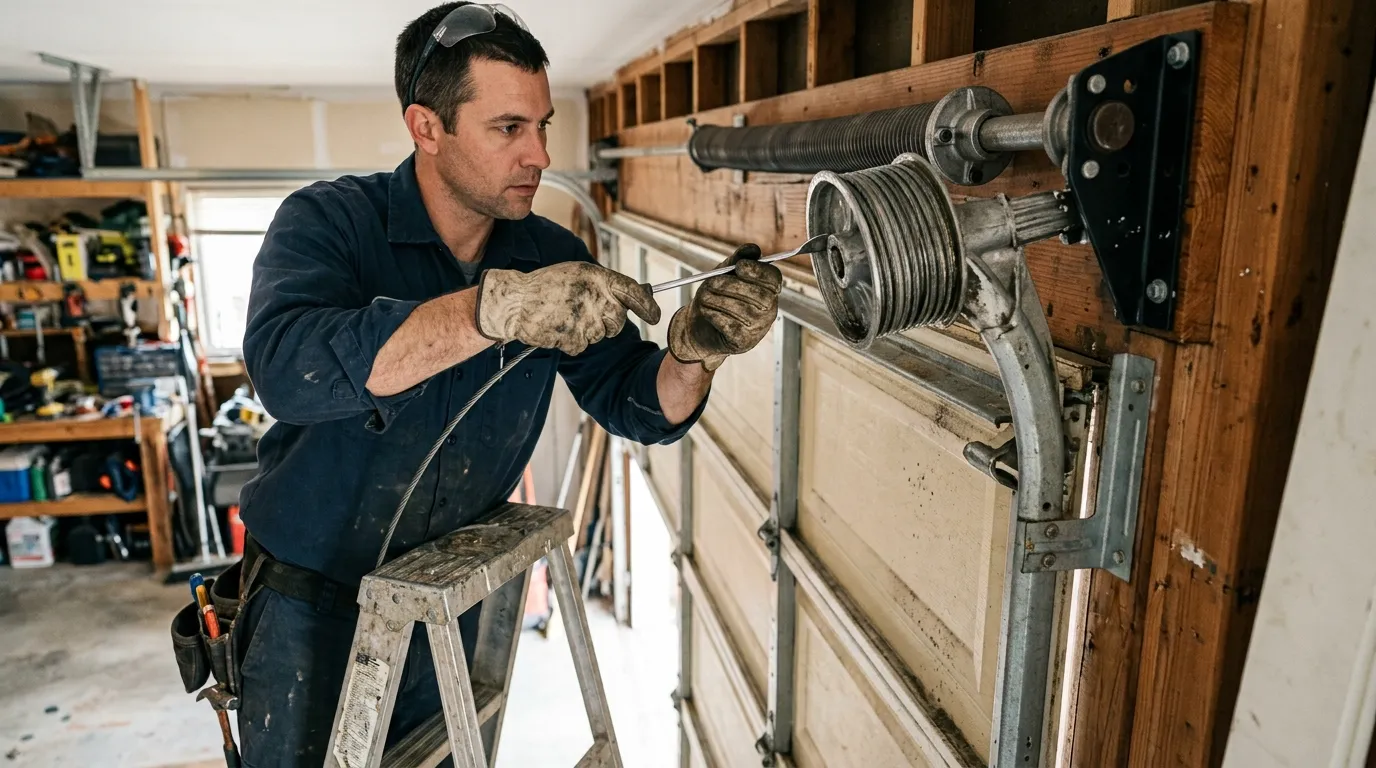
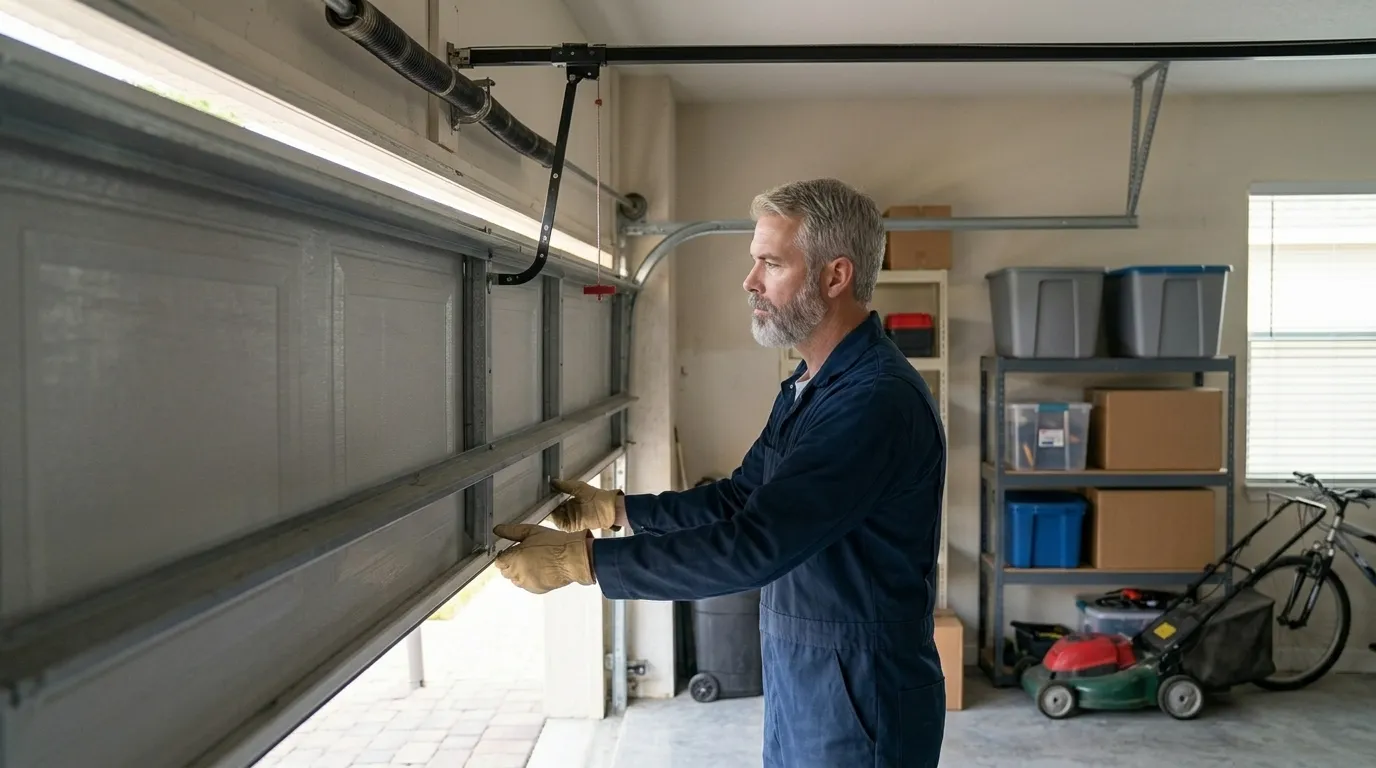
A 2009-era build means your torsion spring setup is almost certainly a standard two-spring or single-spring assembly on a factory-installed rail, not the older extension-spring hardware you'd find on a house from the 1970s or 80s. That's good news for repair speed - parts are common, not special-order. What we do see more of here is opener electronics failing before the mechanical hardware does: circuit boards, wall consoles, and safety sensors that are pushing 15 years old and start acting up before the springs or cables ever need touching. Heat is a factor too - our climate band here runs moderate heat exposure, which is easier on rubber seals and lift cables than a harsher band would be, but it still means insulated panel doors take some sun stress along south- and west-facing driveways. If your door was installed with the house, expect the opener to be the first thing that needs attention, not the spring.