24/7 Emergency Service Open 7 days · 7am–8pm Serving Garland, TX & nearby
(469) 482-9423
Garland, TX

What Your Garage Door Is Trying to Tell You

Garland homes built mostly between 1973 and 2013 share the same aging hardware. Here's how to read the sounds your door makes before a spring or cable lets go.

What Your Garage Door Is Trying to Tell You

When to Call Someone

A garage door that grinds, bangs, or pops on a door installed anywhere between 1973 and 2013 - which covers most of the housing stock in this service area - is usually past the point where a homeowner should keep opening and closing it to see if it stops. If the noise shows up right when the door starts moving and gets louder as it lifts, that's often a spring giving out, and a spring under tension is not a DIY repair. Call before the door drops on its own. If the sound is a single loud bang followed by the door refusing to open at all, stop using the opener immediately - that's very likely a broken torsion spring, and running the opener against a stuck door can strip the gears or bend the track. We'd rather get a call for a noise that turns out to be nothing than get a call after someone's hand is near a door that lets go. If the door still opens smoothly and the noise is a mild squeak on the rollers, that one can usually wait for a scheduled visit rather than an emergency call.

How Local Conditions Play In

This area sits in a moderate-heat climate band, which matters more for garage doors than people expect. Metal track, torsion springs, and steel panels expand and contract through the seasonal heat swings here, and that daily flexing is what loosens hardware over years - bolts back out of the track brackets, hinges wear at the pivot points, and the noise shows up as a rattle or knock rather than a sudden failure. Because most doors in the 19 named areas across this service area date to the 2000s stock, a lot of that hardware is now old enough that the original lubrication has long since dried out, which turns a quiet door into a squeaky one well before anything actually breaks. Heat doesn't cause the failure by itself, but it accelerates the wear that eventually does. A door that was installed and never serviced through fifteen or twenty summers here is a different repair job than the same door in a cooler climate that sees less expansion cycling. That's part of why we ask how old the door and opener are before we guess at what's making the noise.

What to Check

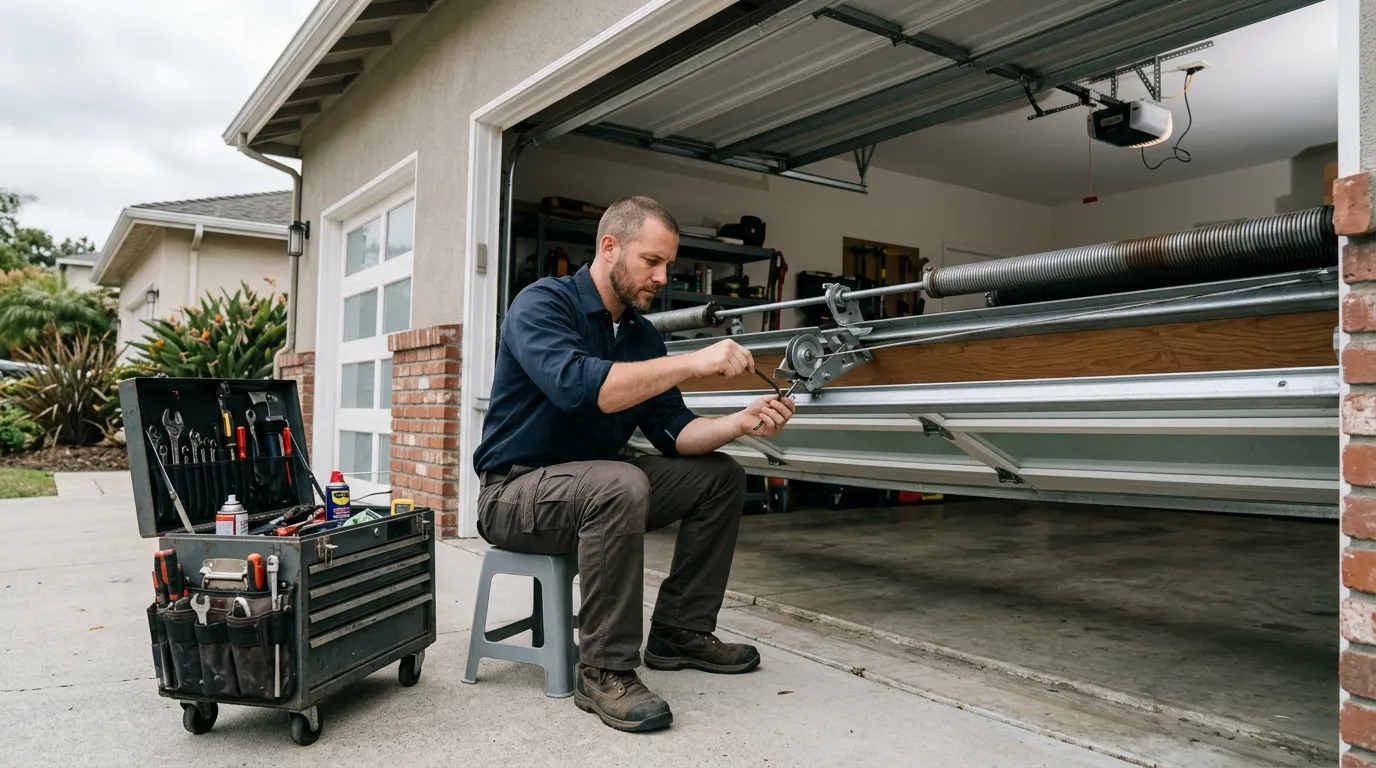
Before calling, look at three things. First, the springs above the door - if you can see a gap in the coil where it looks like it's separated, that's broken and the door should not be opened by the automatic opener until it's fixed. Second, the rollers riding in the track: if they're rusted, cracked, or visibly wobbling side to side as the door moves, that's your grinding or rattling noise. Third, listen for where the sound happens in the door's travel. A noise only at the very top or bottom usually points to the track or the limit settings on the opener; a noise through the whole run points to rollers or hinges. Given that median housing here traces back to 2002, a lot of doors are old enough that the rollers are original nylon and have simply worn out - that's a cheap fix if caught early and a bigger one if a worn roller has chewed up the track. We don't recommend homeowners touch the springs or the cables under any circumstances; those are the two places where a mistake causes real injury.
What Is Going On

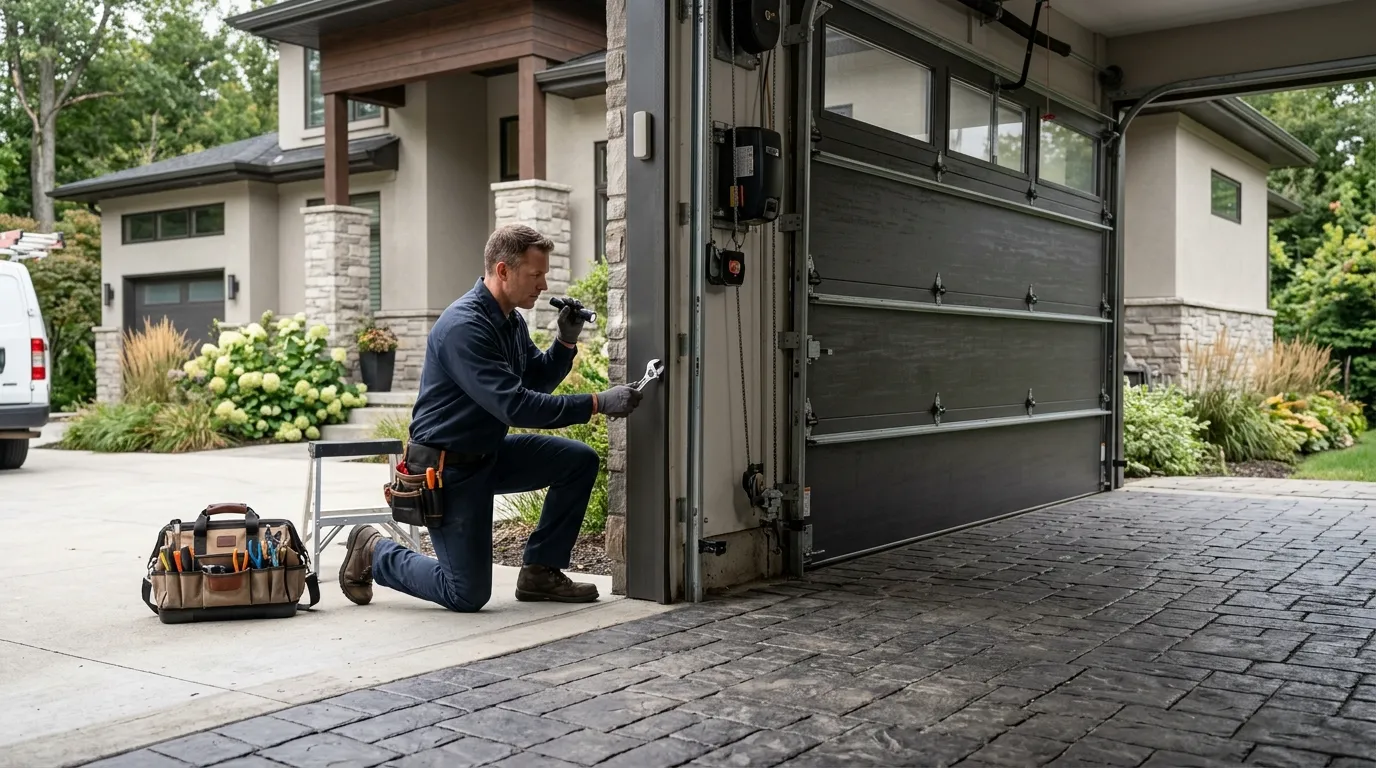
Most of the noise complaints we hear match the age curve of the housing here: doors and openers installed new when a house was built between 1973 and 2013 are now old enough that original hardware is wearing out on schedule, not failing early. A squeak is usually a dry hinge or roller. A rhythmic thump is usually a flat spot on a roller or a bent track section. A loud bang followed by a dead door is almost always a broken spring, and on a double-wide door that's a heavier, more dangerous spring to be near than on a single door. One honest limitation: we can often tell you what's likely wrong over the phone, but we won't guess at a repair versus replace call without seeing the door - a door old enough to be part of that 1970s-through-1990s slice of the stock may cost more to keep patching than to replace outright, and that's a judgment call that needs eyes on the actual hardware.

How it works

From “it’s stuck” to “it’s fixed”

A quick, honest process - no guesswork and no surprises.

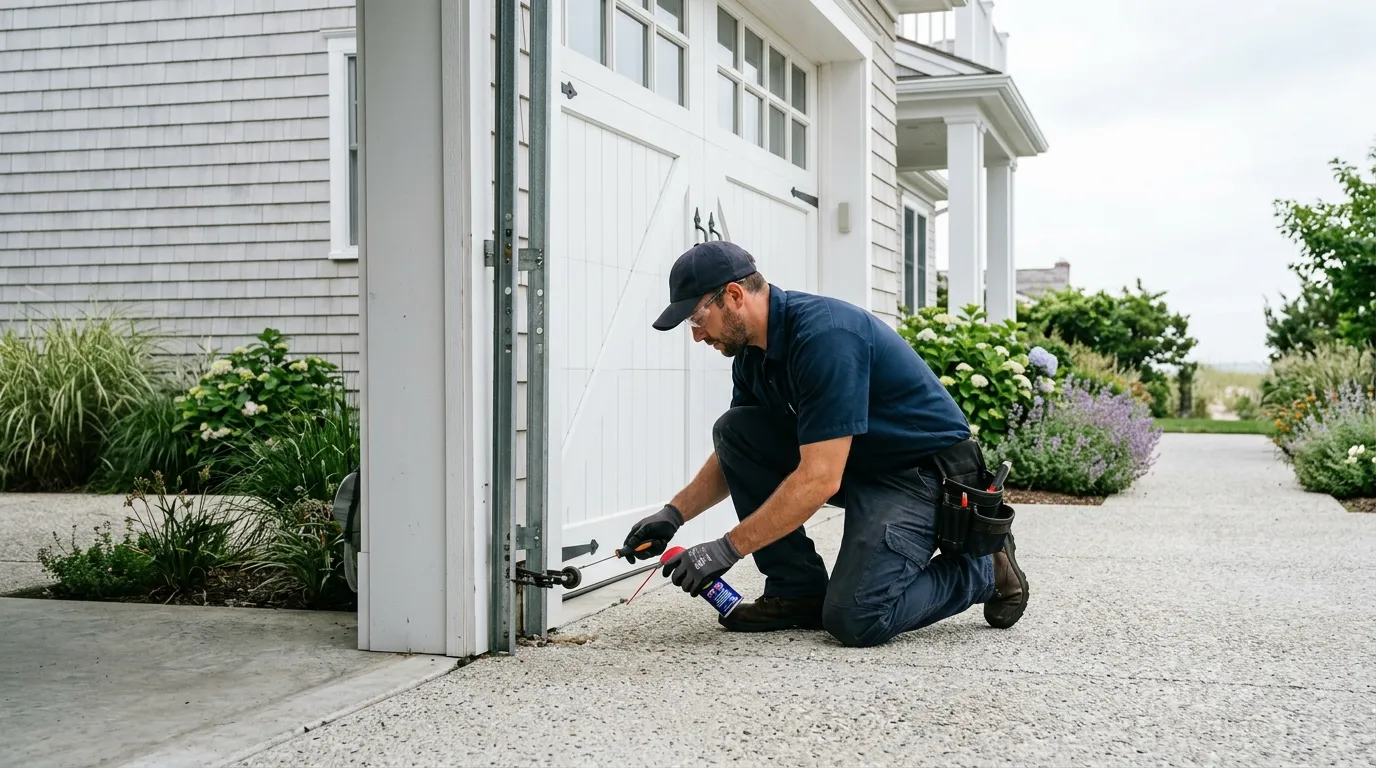
  1. Tell us what’s wrong - Garland garage door service
    1

    Tell us what’s wrong

    Describe the symptom - won’t open, loud bang, opener runs but the door won’t move.

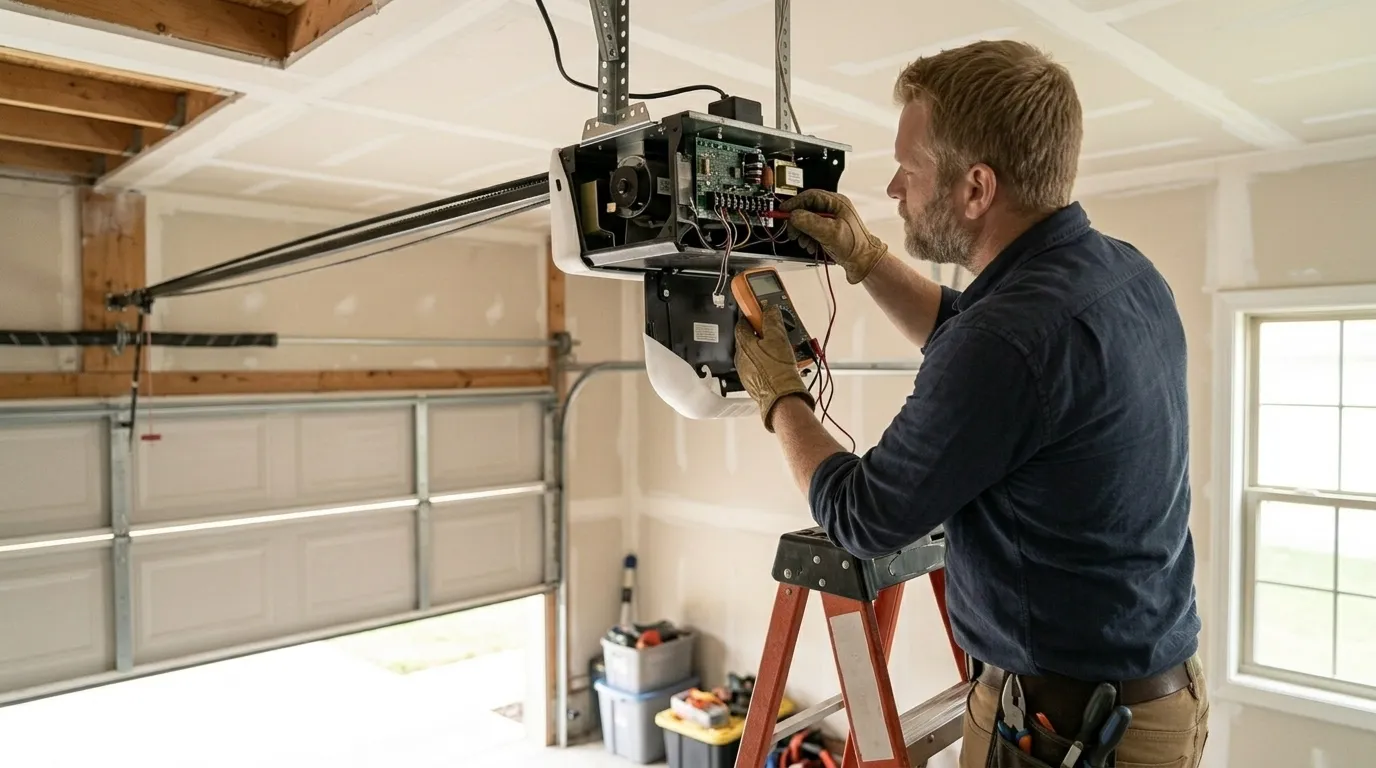
  2. On-site diagnosis - Garland garage door service
    2

    On-site diagnosis

    A technician tests the door under power and by hand and finds what actually failed.

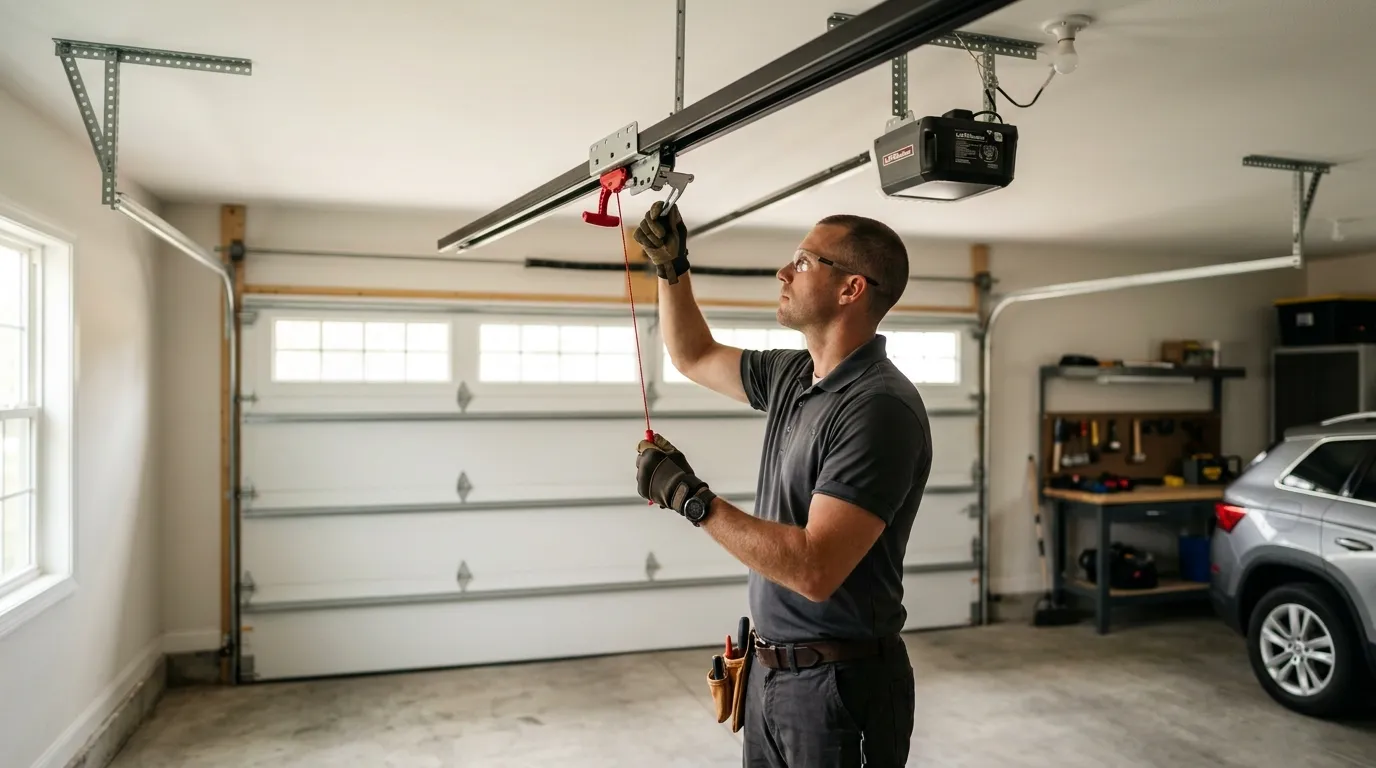
  3. Clear, up-front plan - Garland garage door service
    3

    Clear, up-front plan

    You get the fix that’s needed and what drives the cost - before any work starts.

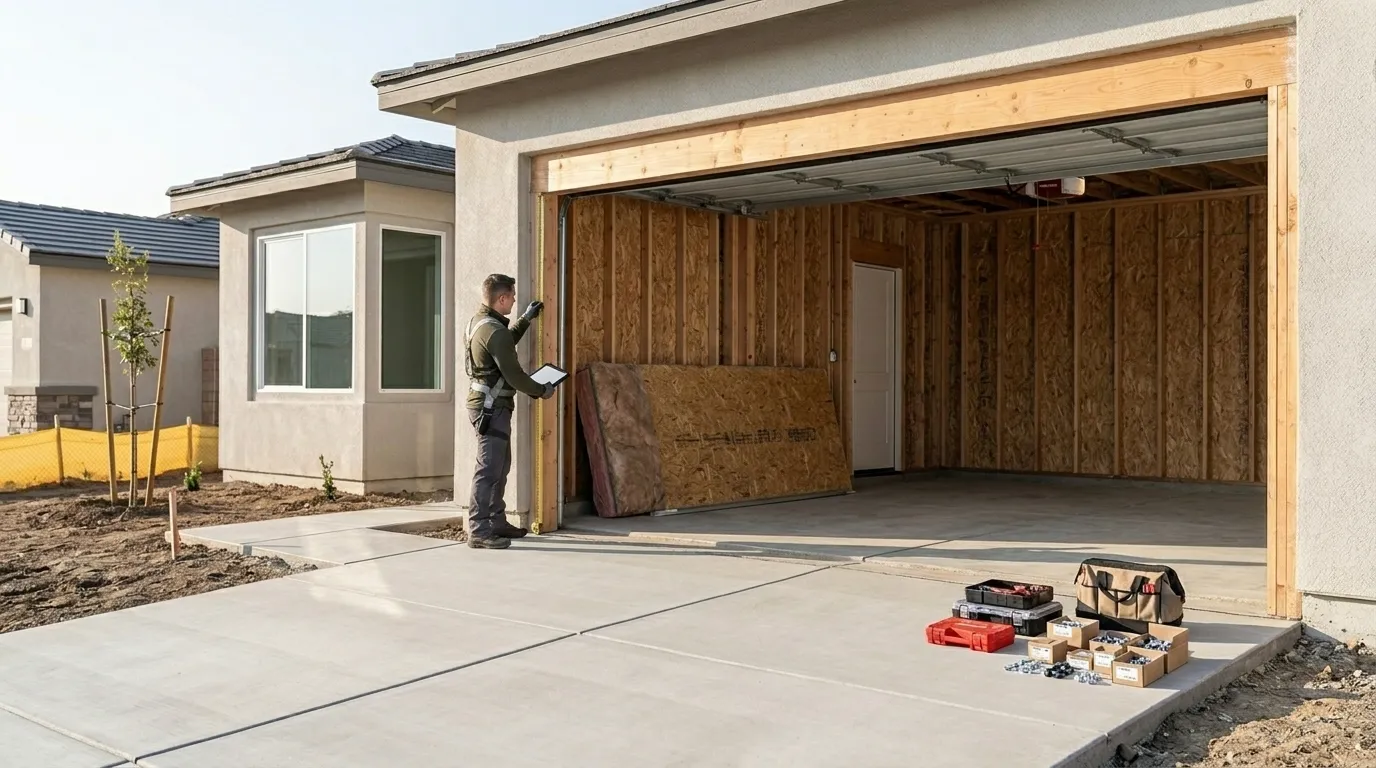
  4. Repaired & tested - Garland garage door service
    4

    Repaired & tested

    The repair is done, the door is set true and tested, and the work area left clean.

Serving Garland, TX - tell us what your door’s doing and we’ll take it from there.

How we work

What to expect

Diagnosis first

Every visit starts by finding what actually failed - not a pre-written parts list.

The right part for the doorSprings and openers matched to the door’s weight and age, so the fix holds up.
Straight answersWhen a repair makes more sense than a replacement - or the reverse - you hear it plainly.
Clean, careful workTension released safely, hardware set true, the door tested under power before we leave.
Questions

Frequently asked

Straight answers about garage door repair in Garland. Still unsure? Ask us directly.

My garage door makes a loud bang and won't open. Is this an emergency?

Yes. A loud bang followed by the door refusing to move is almost always a broken spring. Stop using the opener right away - running it against a broken spring can damage the opener motor or drop the door unexpectedly. Call before trying to force it open by hand.

Why does my door only squeak in hot weather?

This area's moderate-heat climate band means metal track and hardware expand and contract through the year. That cycling dries out lubrication and loosens bolts faster than in cooler climates, so a door that was fine in spring can start squeaking as summer heat builds.

My house was built in the 1980s. Is my door hardware original?

It's possible. Housing in this service area was built mostly between 1973 and 2013, and a door and opener from the early end of that range is old enough that original rollers, hinges, and even the opener motor may still be in place. Worn original hardware is one of the more common noise sources we see.

Should I replace the door or just fix the noise?

Depends on the door's age and what's actually worn. We won't make that call without seeing it - a quick fix like rollers or lubrication is cheap, but a door old enough to be near the start of the 1973-2013 build range may have enough worn parts that replacement makes more sense long-term.

Ready to get your garage door sorted?

Tell us what it’s doing and where you are in Garland - we’ll take it from there.

Request a QuoteCall