Why This Fails Locally
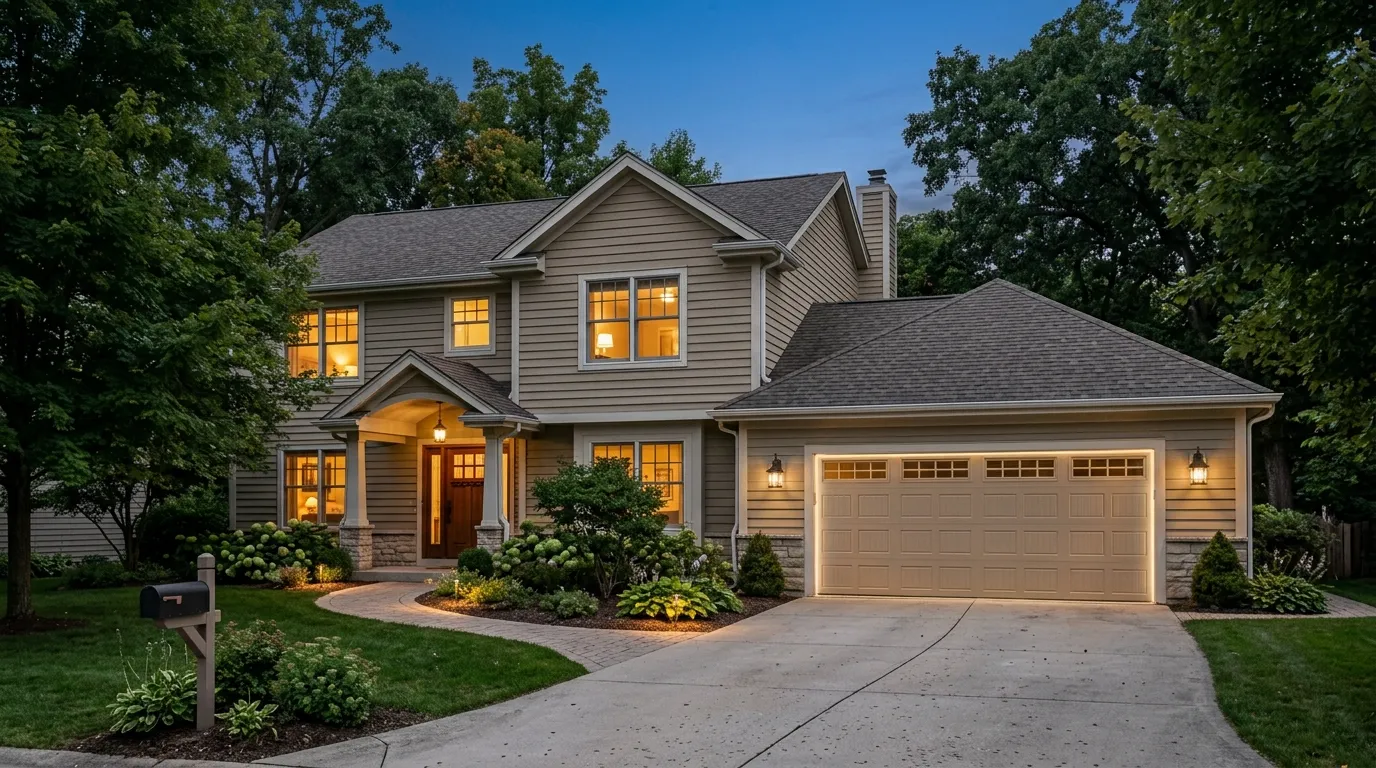
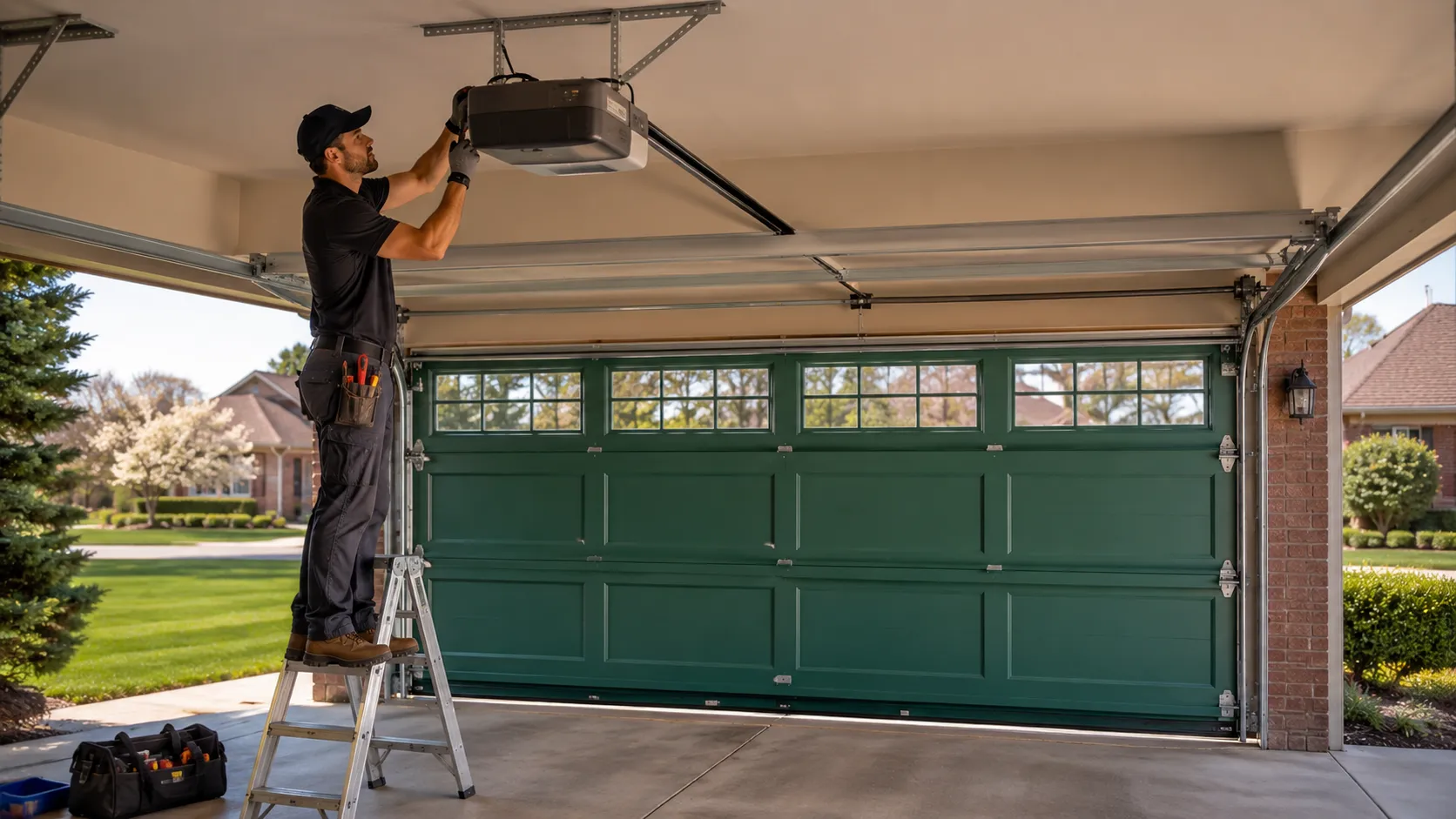
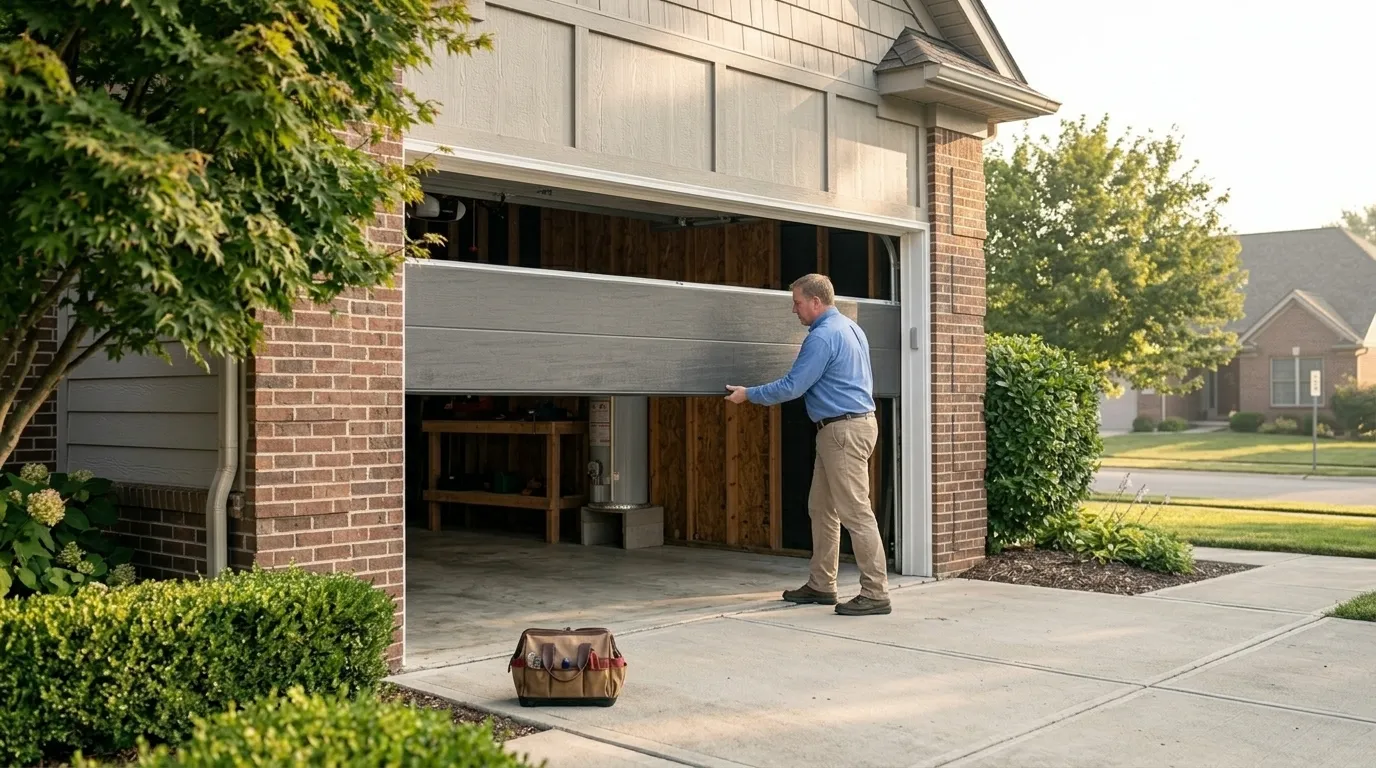
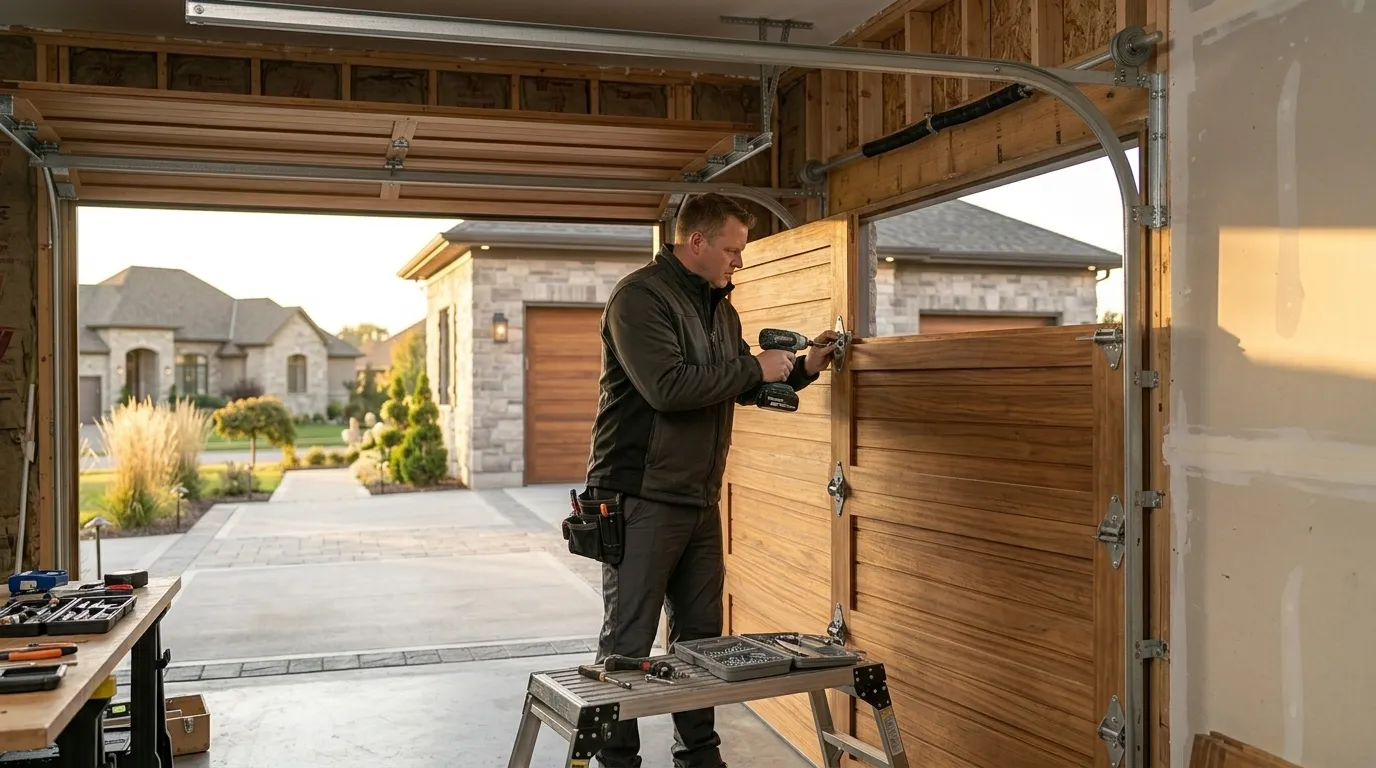
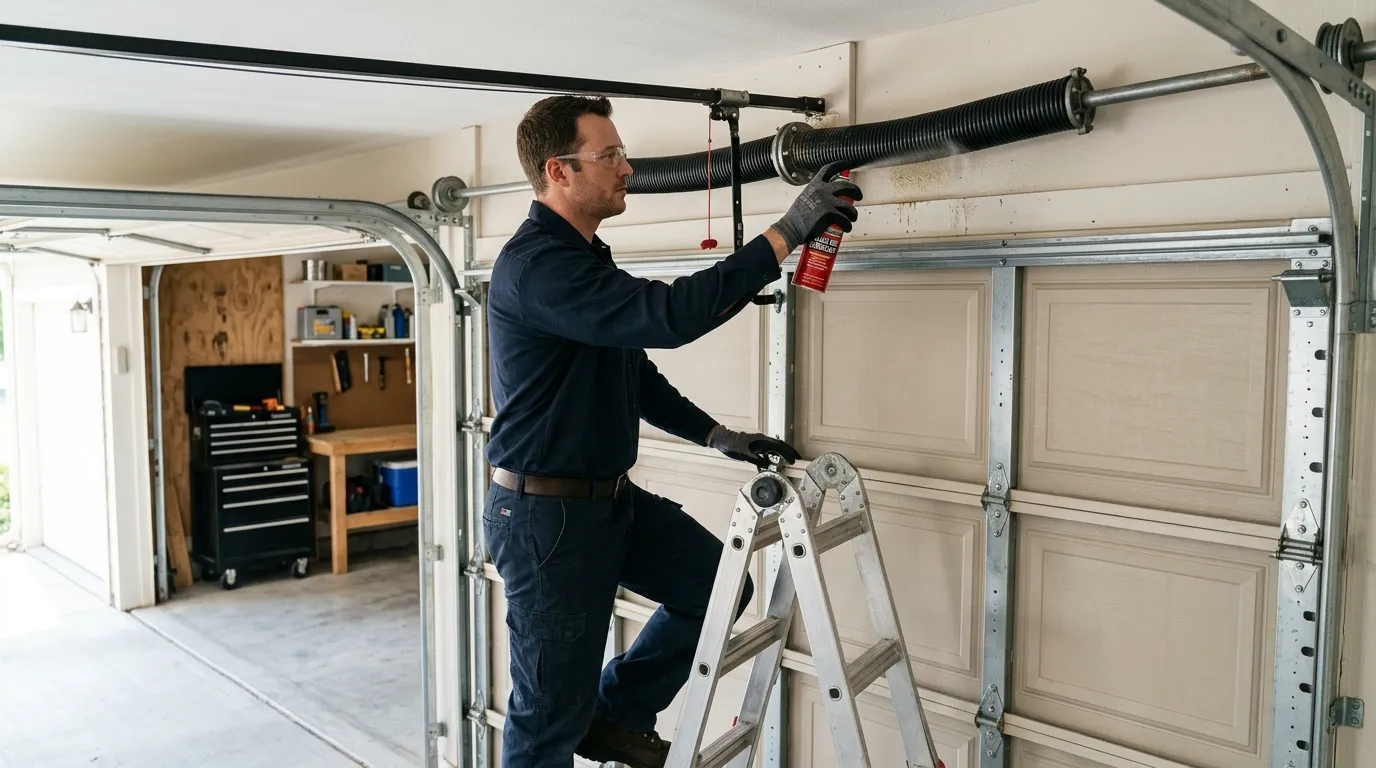
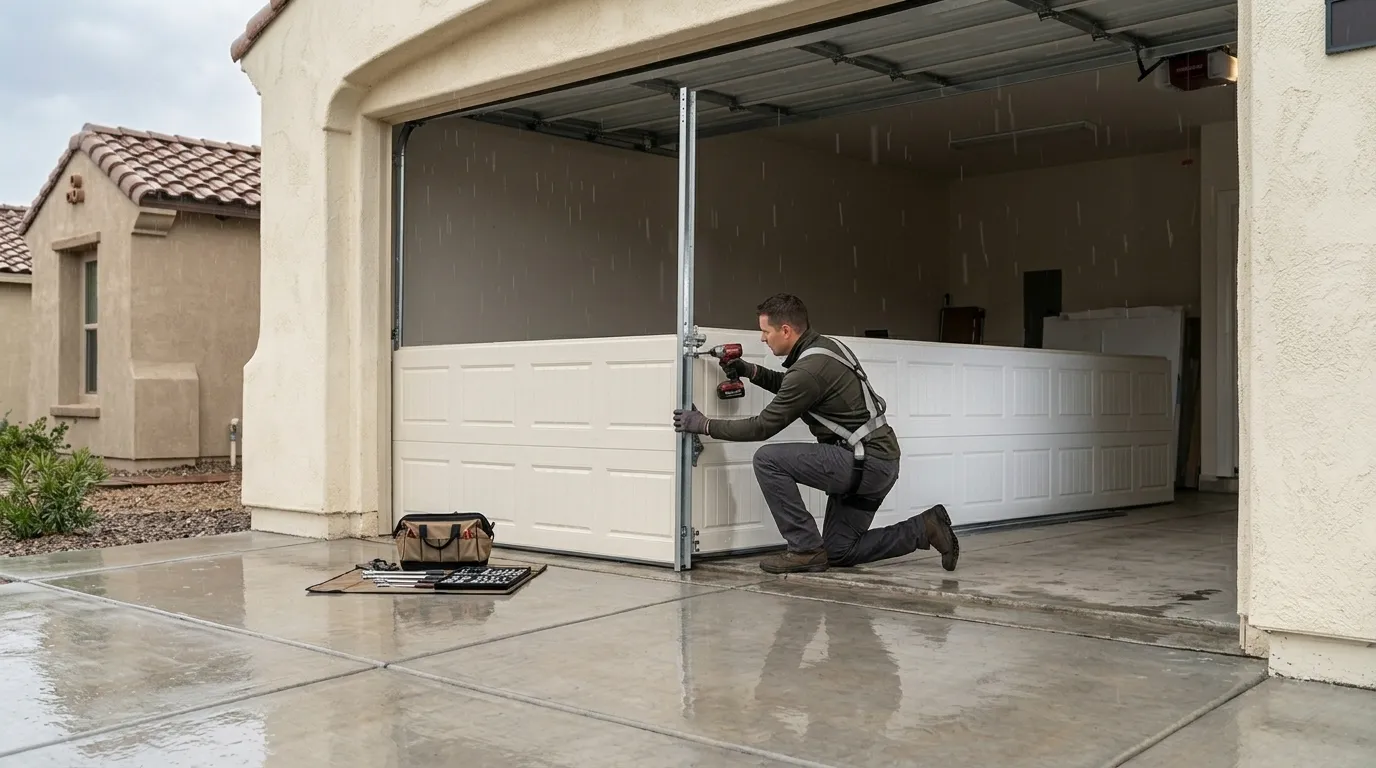
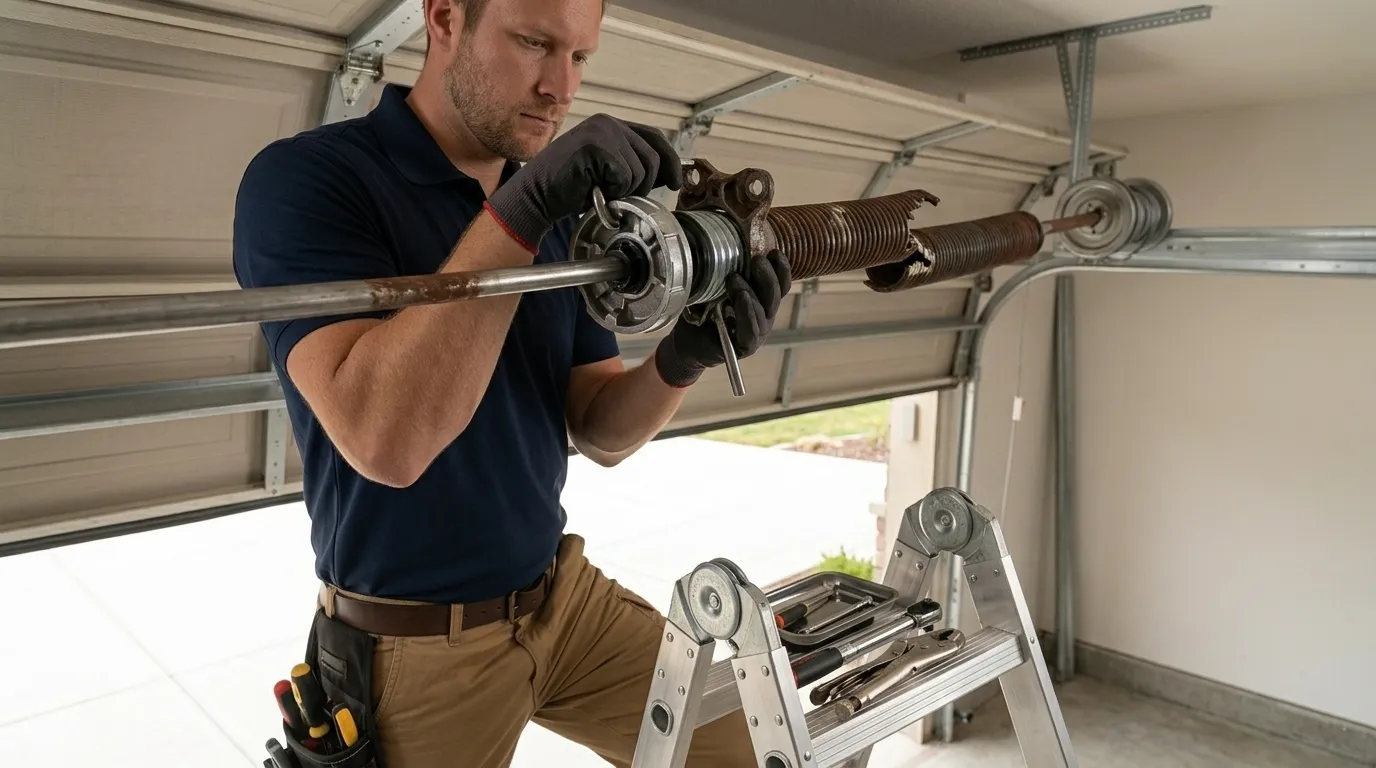
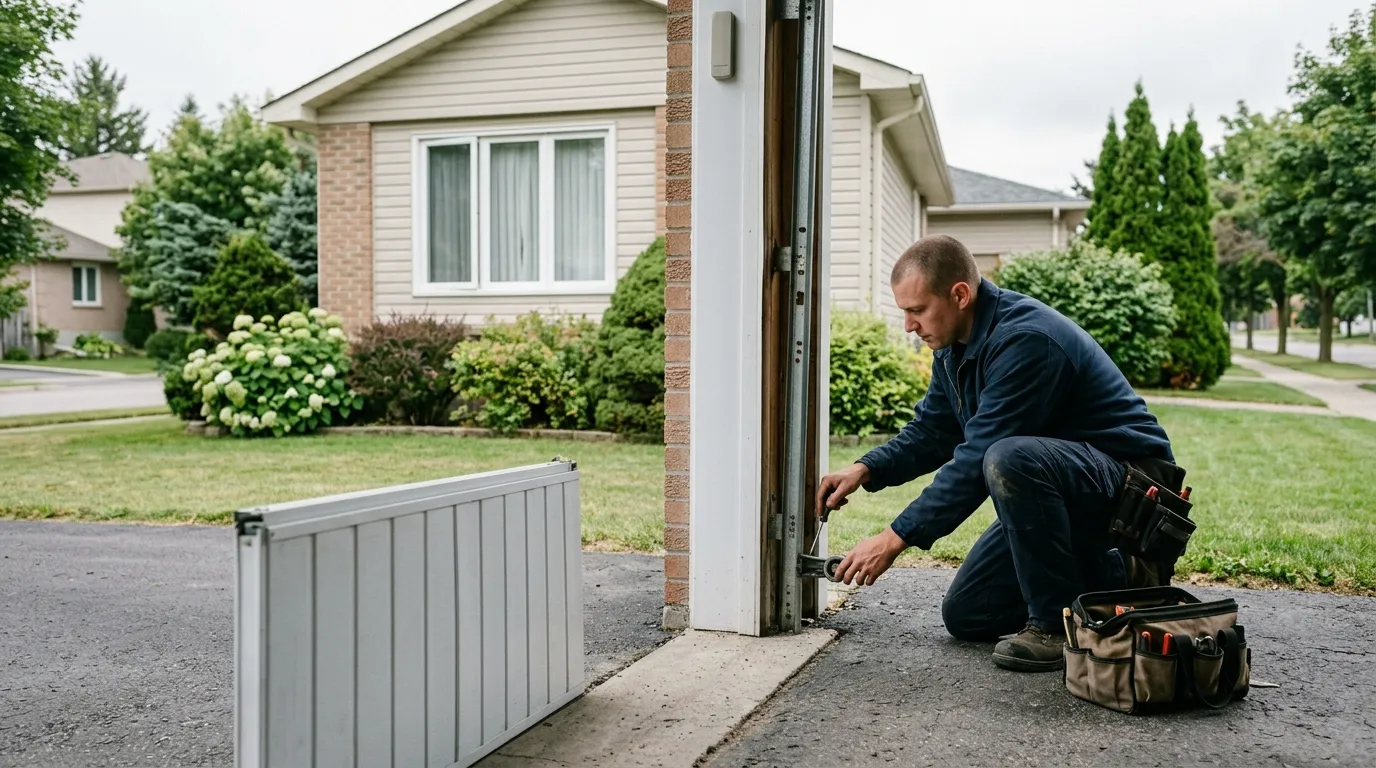
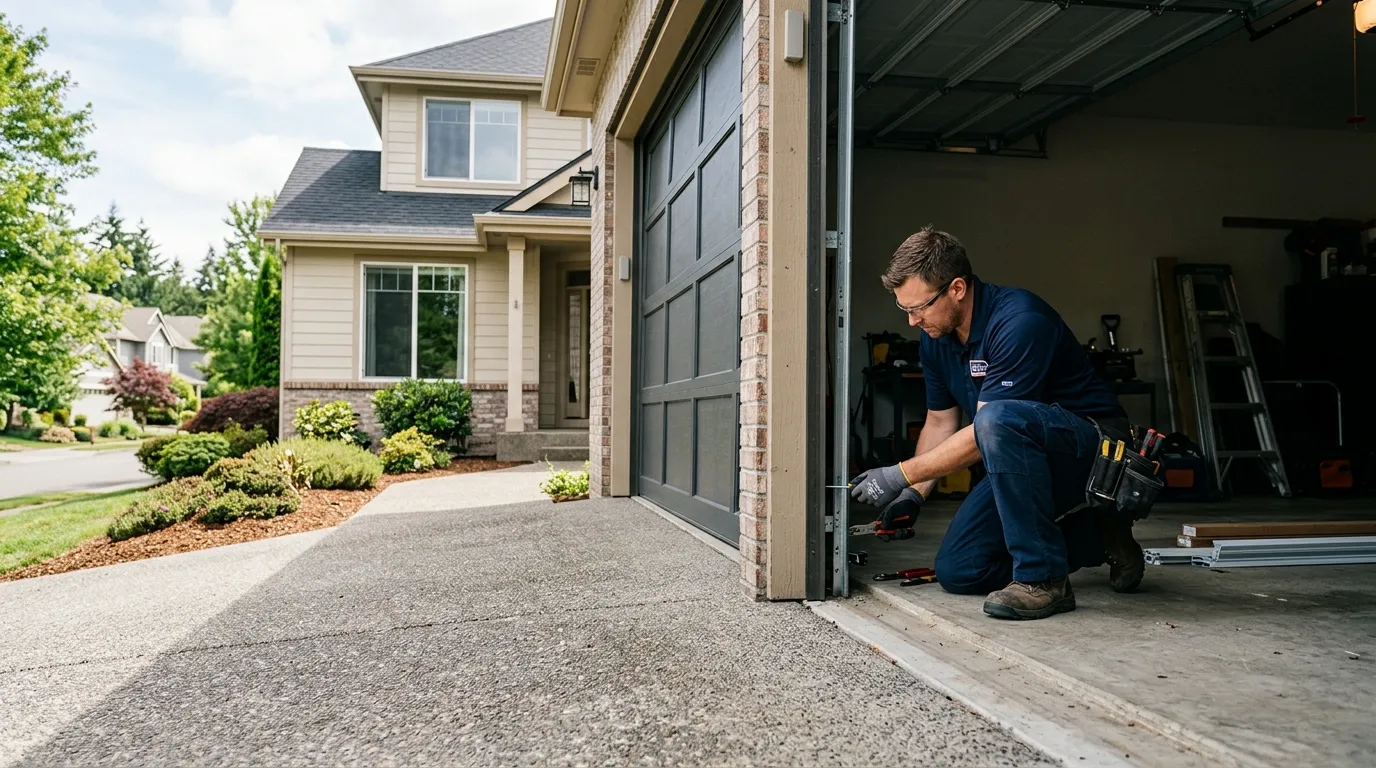
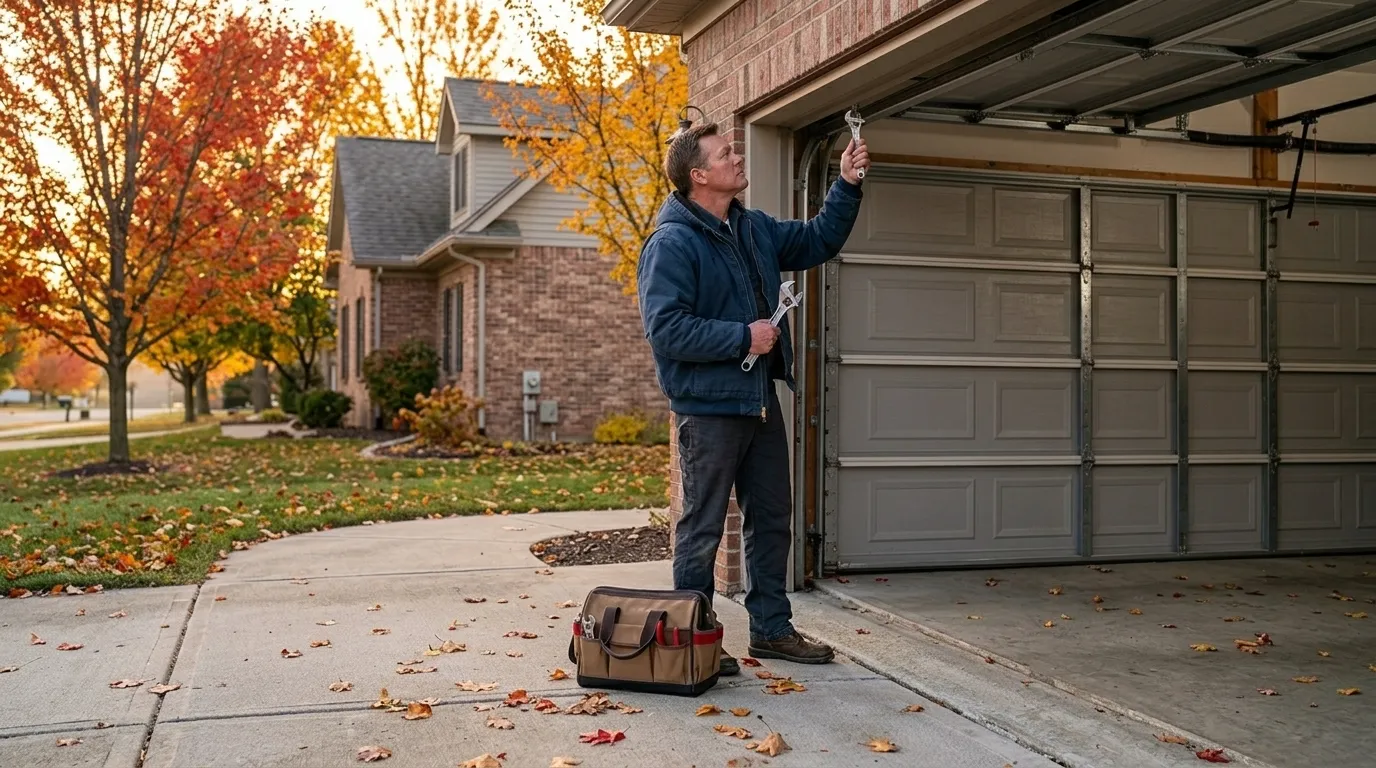
Garland's housing stock runs 1973 to 2013, with the median build year landing around 2002, and that matters for doors more than most people think. A door installed when a house was built in the late 1970s or 1980s is now 40-plus years old, well past the design life of the springs and rollers even if the panels still look fine. On the 2000s-era stock that makes up most of the 19 named areas in this service area, doors are younger but were often builder-grade - the cheapest insulated or non-insulated steel panel that met code at the time, not built for decades of Texas heat cycling. The moderate-to-high heat band this area sits in pushes steel doors through daily expansion and contraction, which loosens hinge screws, stresses panel seams, and dries out weatherstripping faster than in a milder climate. That combination - aging original doors on older builds, builder-grade doors on newer ones, all of it baking in the same heat pattern - is why installation calls here skew toward full replacement rather than a simple swap.
What You Are Seeing
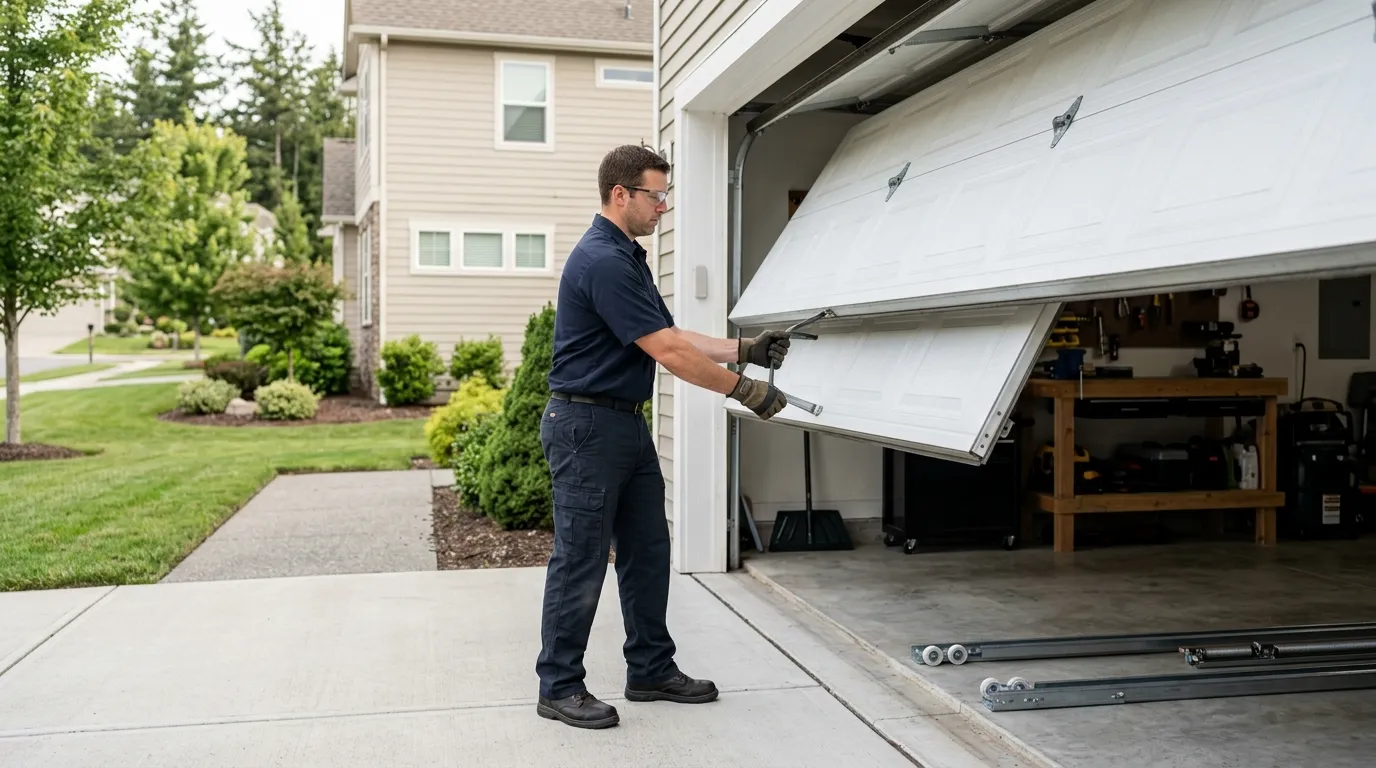
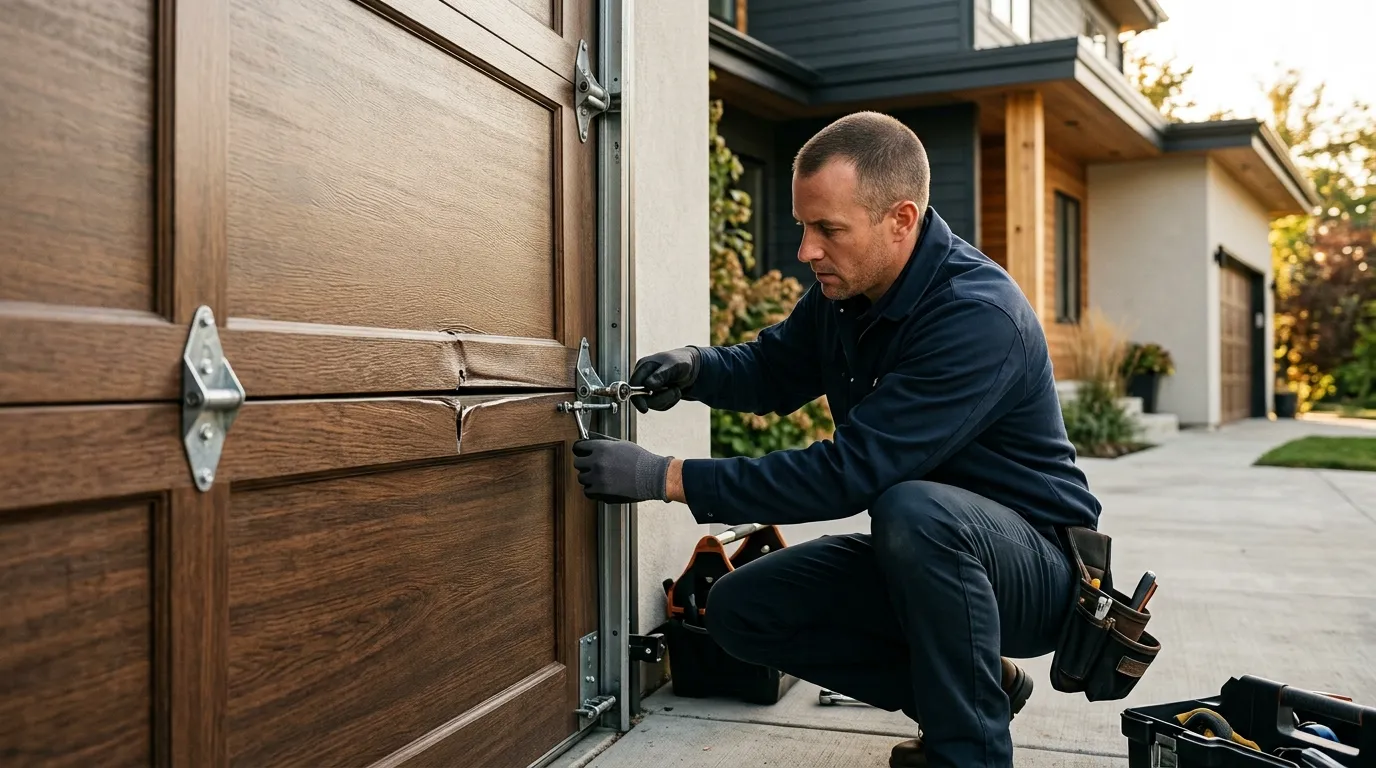
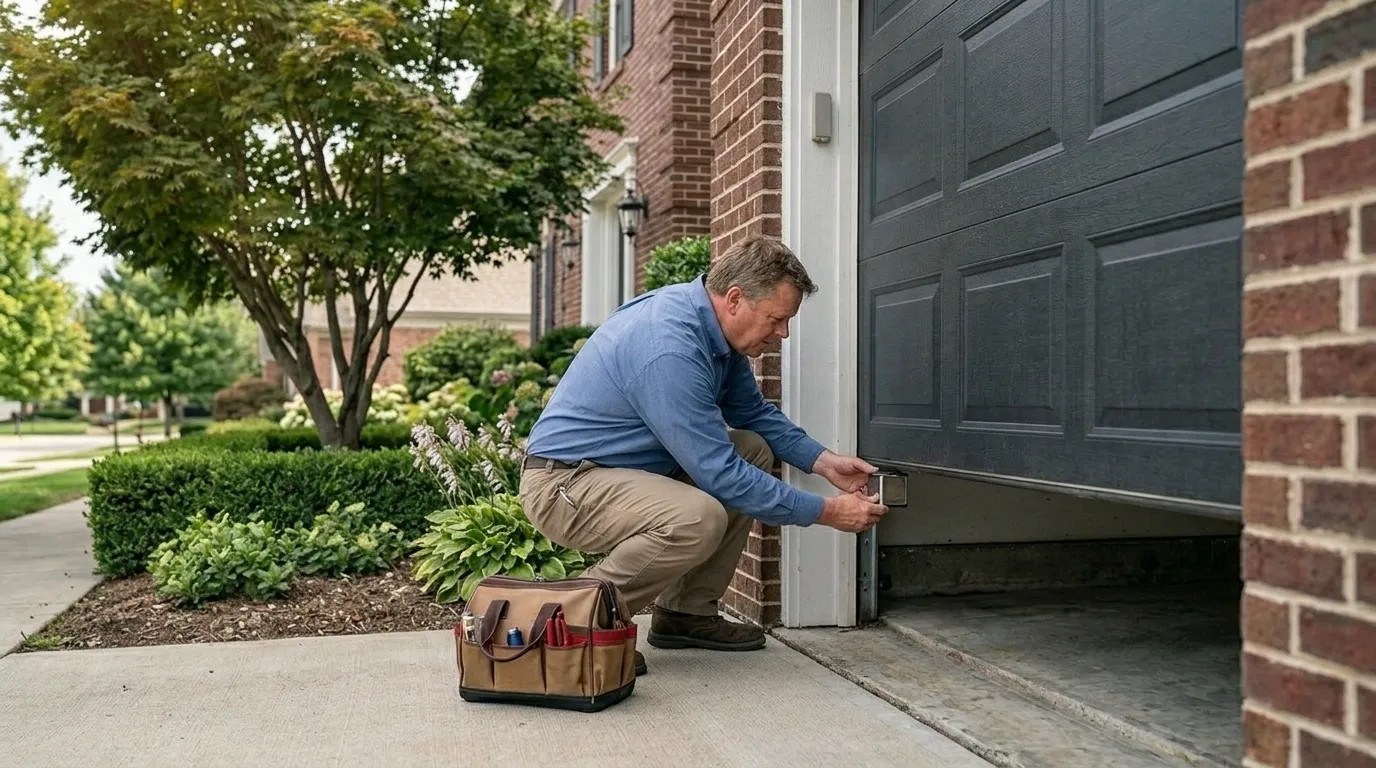
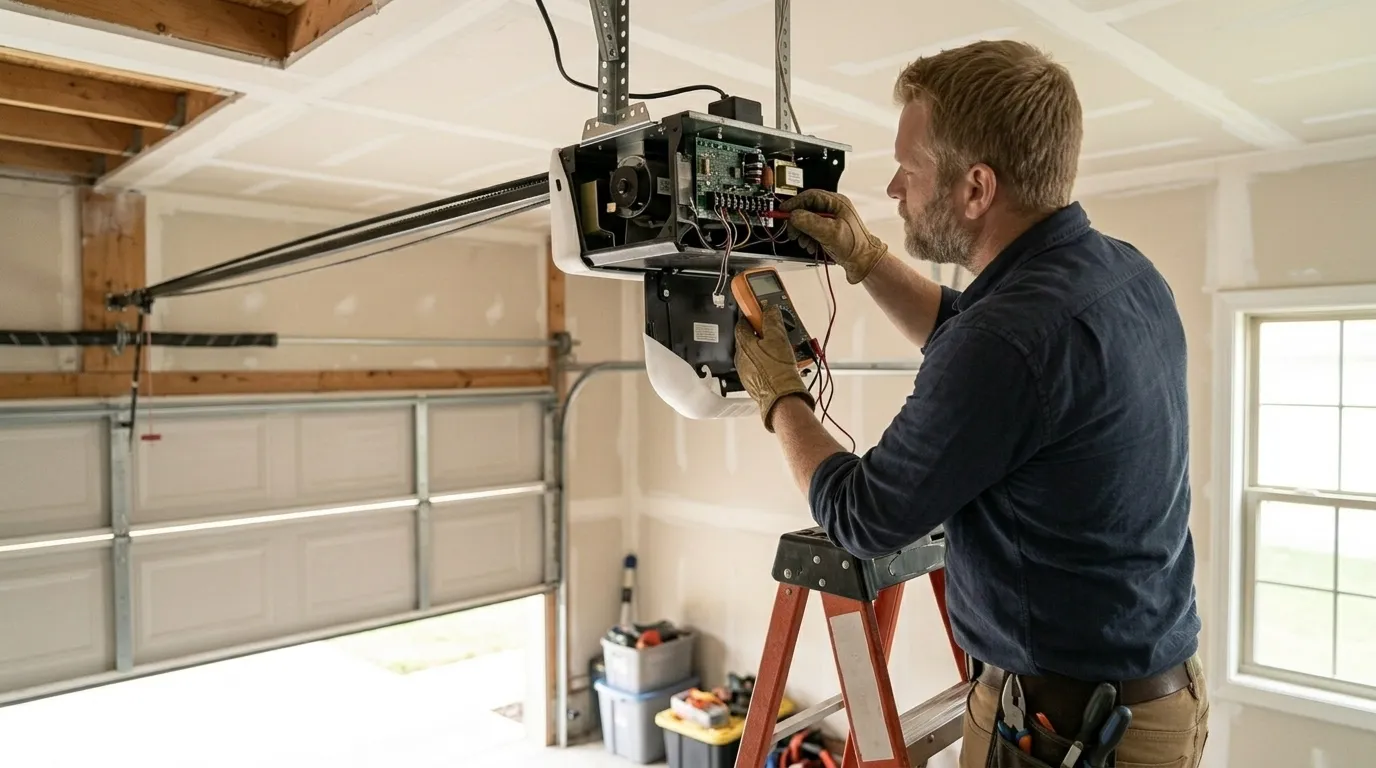
If your door is original to a house built in the earlier part of Garland's 1973-2013 range, you're likely looking at a door that's stiff to lift, has a track that's pulled slightly away from the frame, or an opener that runs louder than it used to because the whole assembly has aged past what grease can fix. On 2000s-built homes, the more common sign is a door face that's slightly bowed on the side that gets the most afternoon sun, or panel seams that have started to separate at the corners from repeated heat expansion. Weatherstripping that's cracked and no longer sealing the bottom edge is common across both eras here, given how much heat this area's doors sit in for months at a time. None of these on their own mean you need a full new door, but taken together - stiff lift, warped face, gapped seals - they usually mean the door has reached the point where patching costs more over time than replacing it.