This Area's Housing
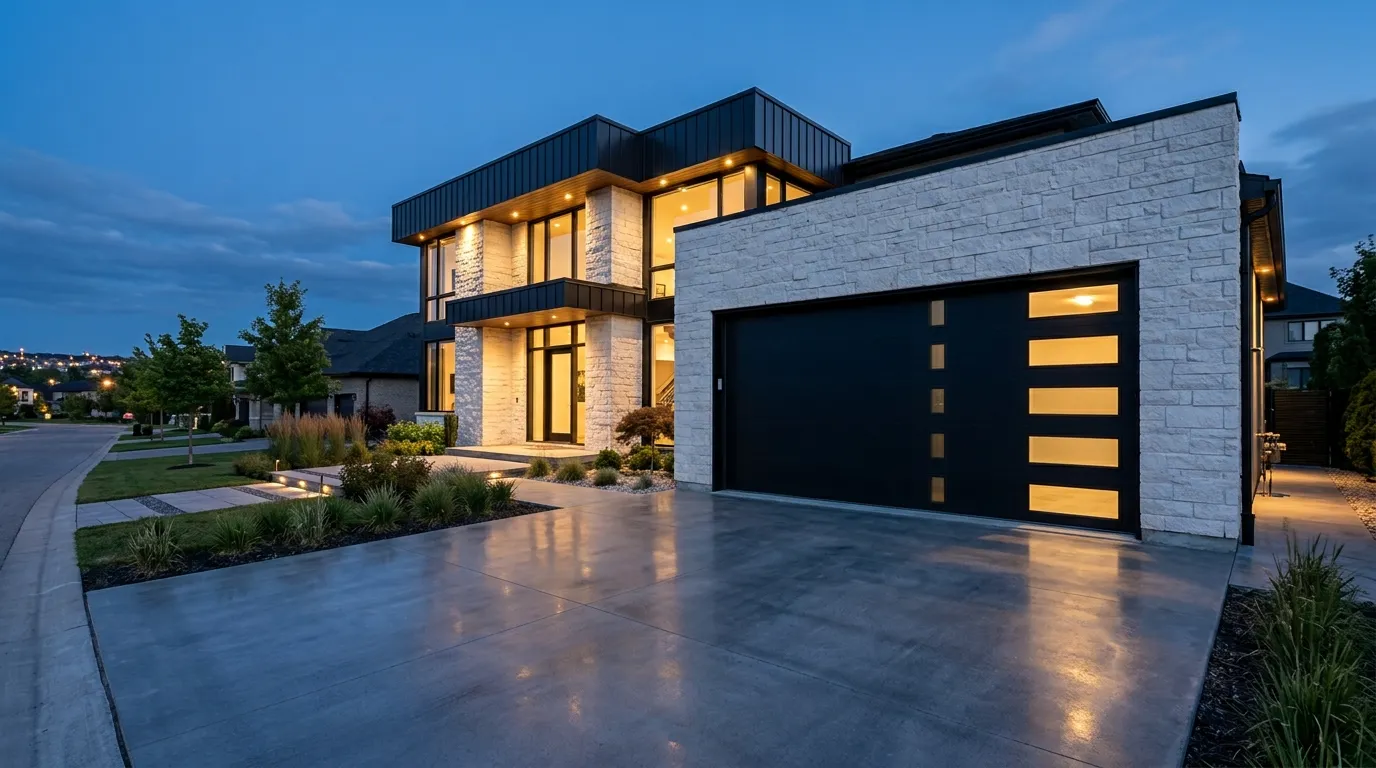
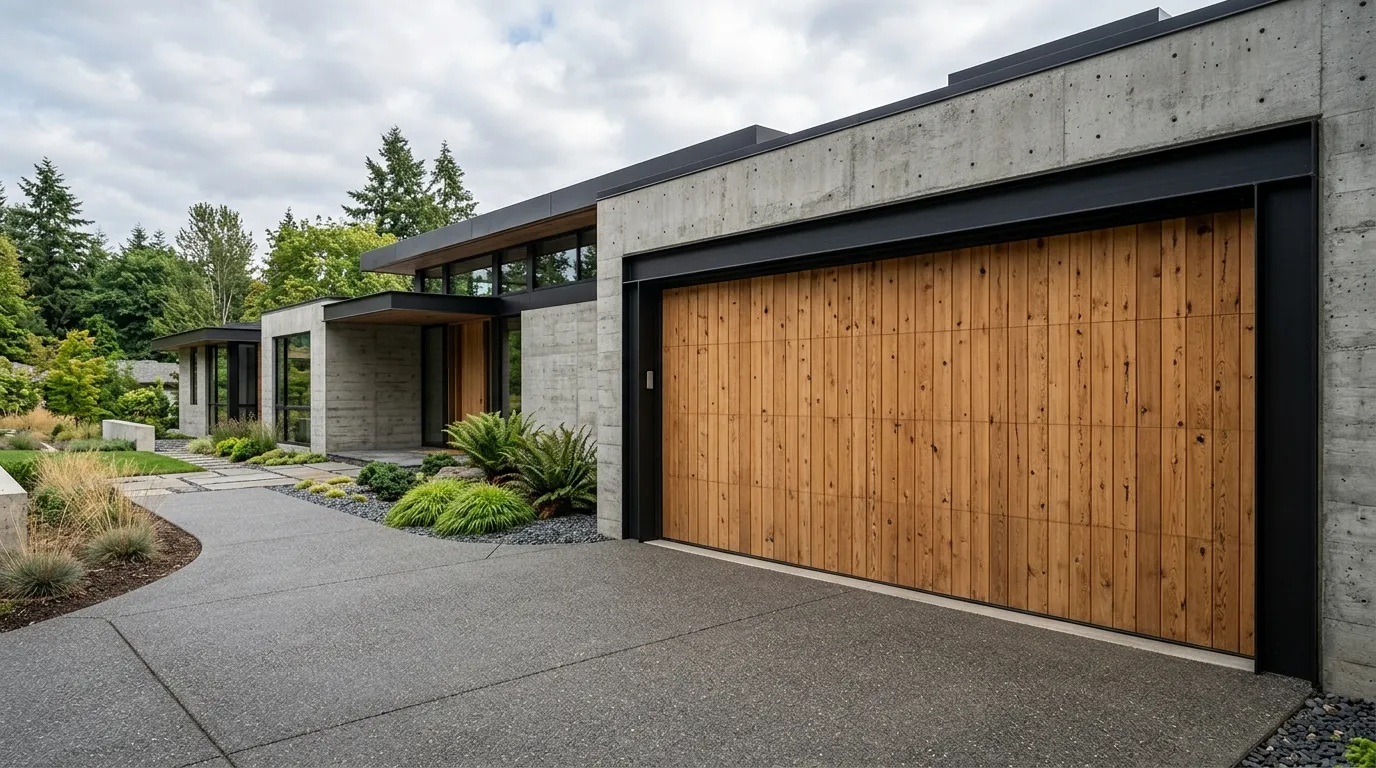
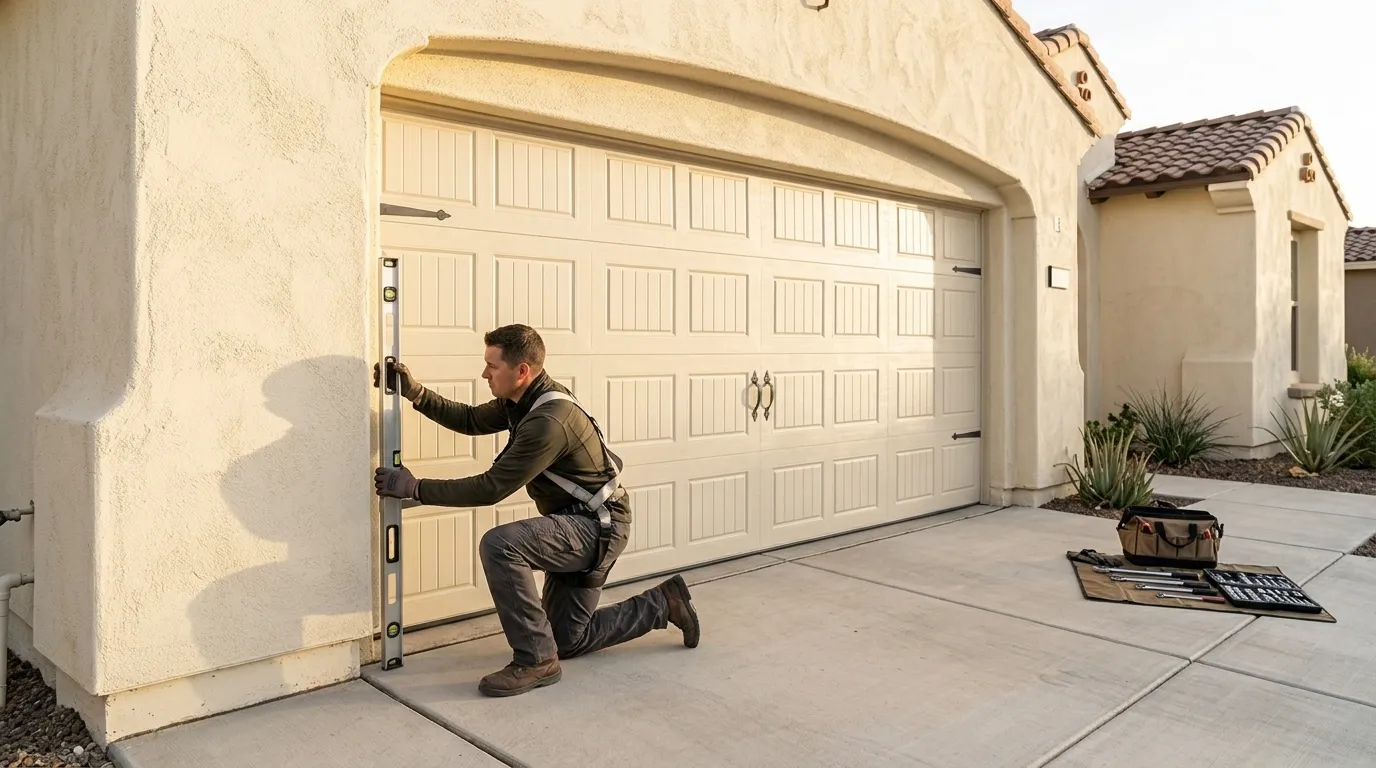
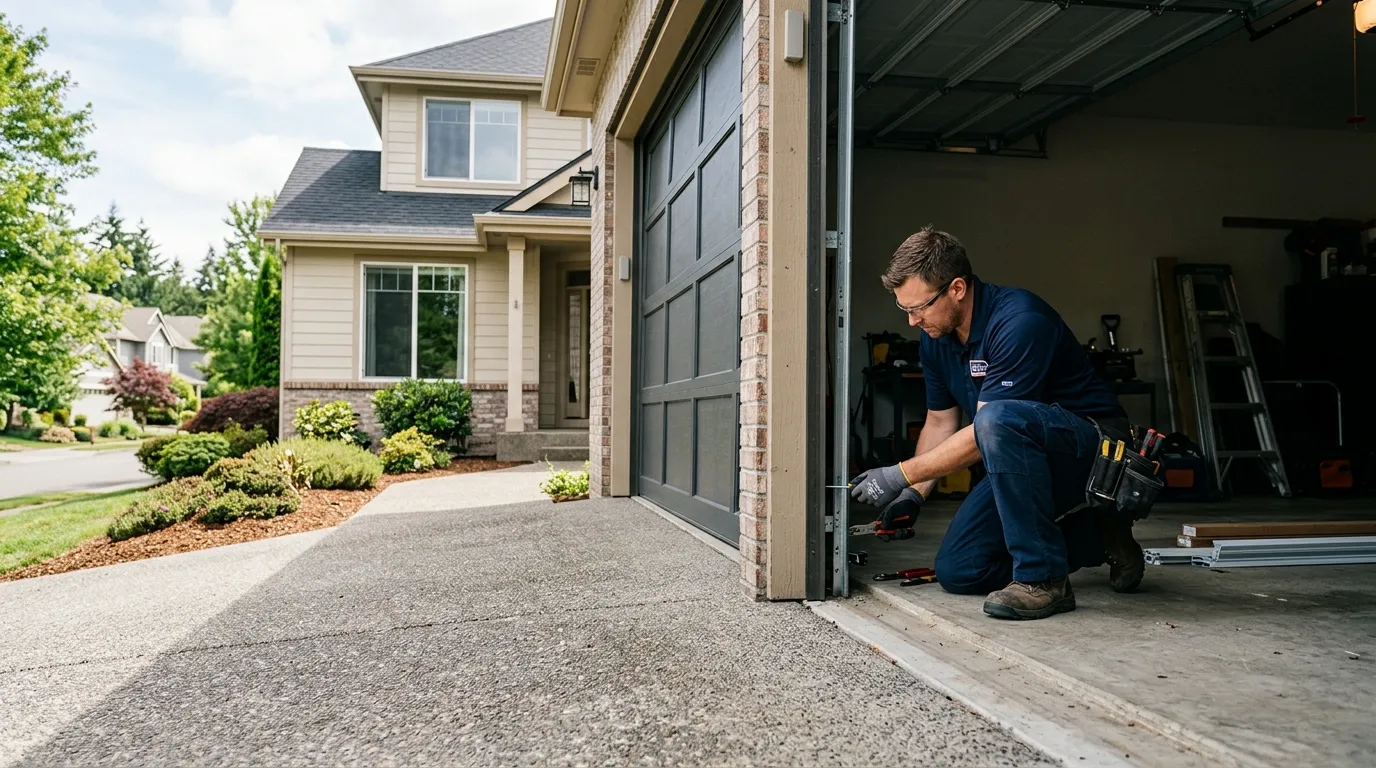
Heath's roughly 3,414 households sit on newer ground than a lot of what we cover out of Garland. The median home here was built in 2001, and household income runs $216,160 - well above the $133,750 median across the broader service area. That combination shows up on the garage door: bigger lots, wider driveways, and more double-wide bays than you'll see on older, tighter streets closer to the city.
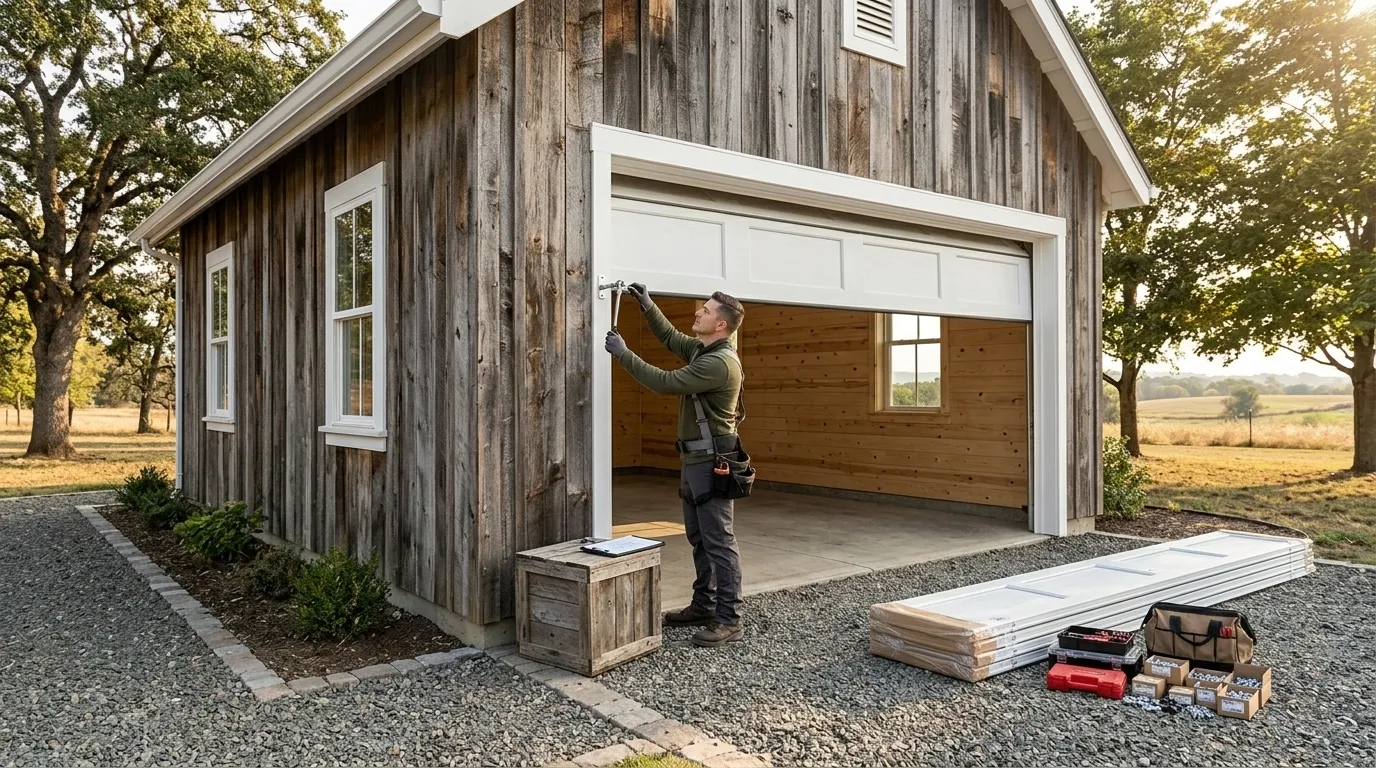
Across the wider area we work, homes were built anywhere from 1973 to 2013, with a median around 2002 - so Heath tracks close to that overall midpoint, but it clusters tighter around the early 2000s than towns with a lot of older infill. That matters for parts. A door installed here in 2001 or 2002 is old enough now to need a spring or a cable, but new enough that it's almost certainly a factory steel sectional door on standard torsion hardware - not the mixed bag of eras you find where houses span fifty years on one block.
What the Housing Means for Your Door
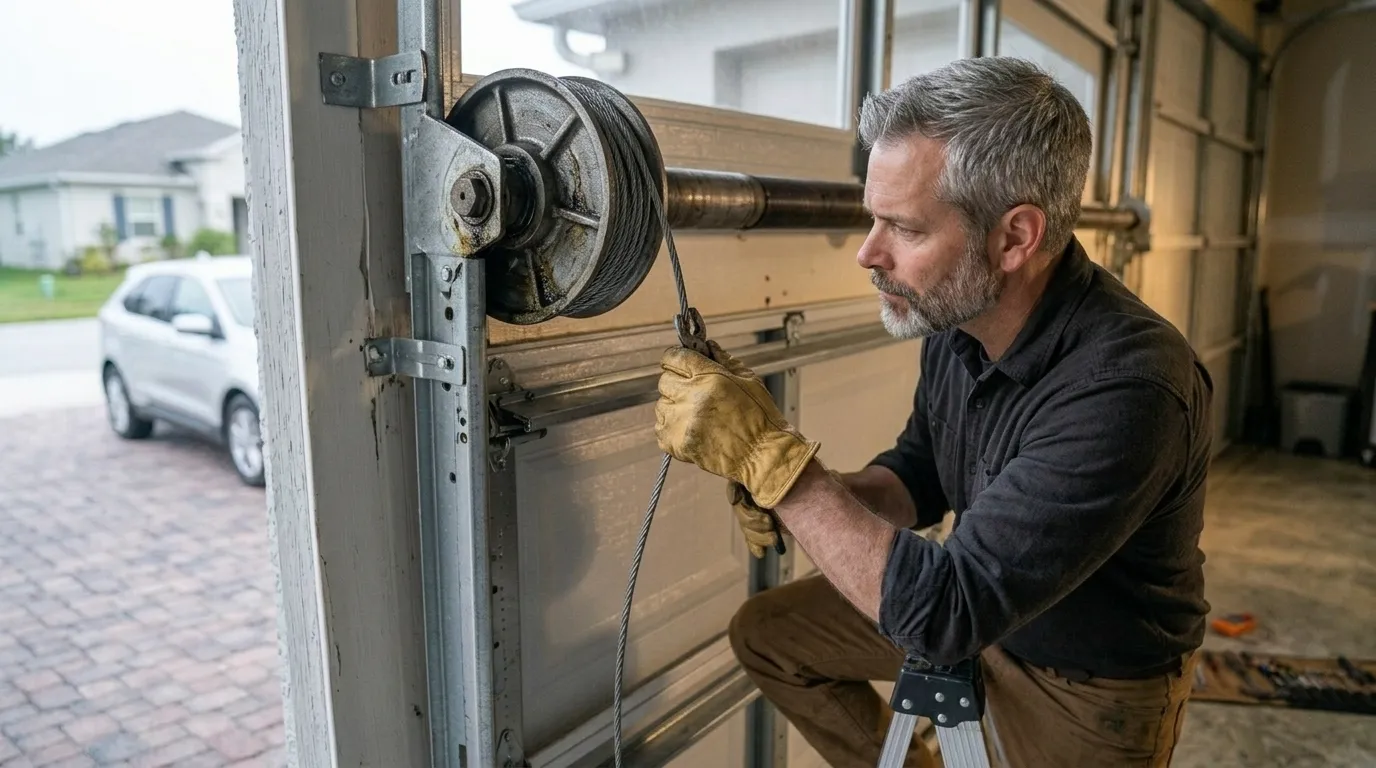
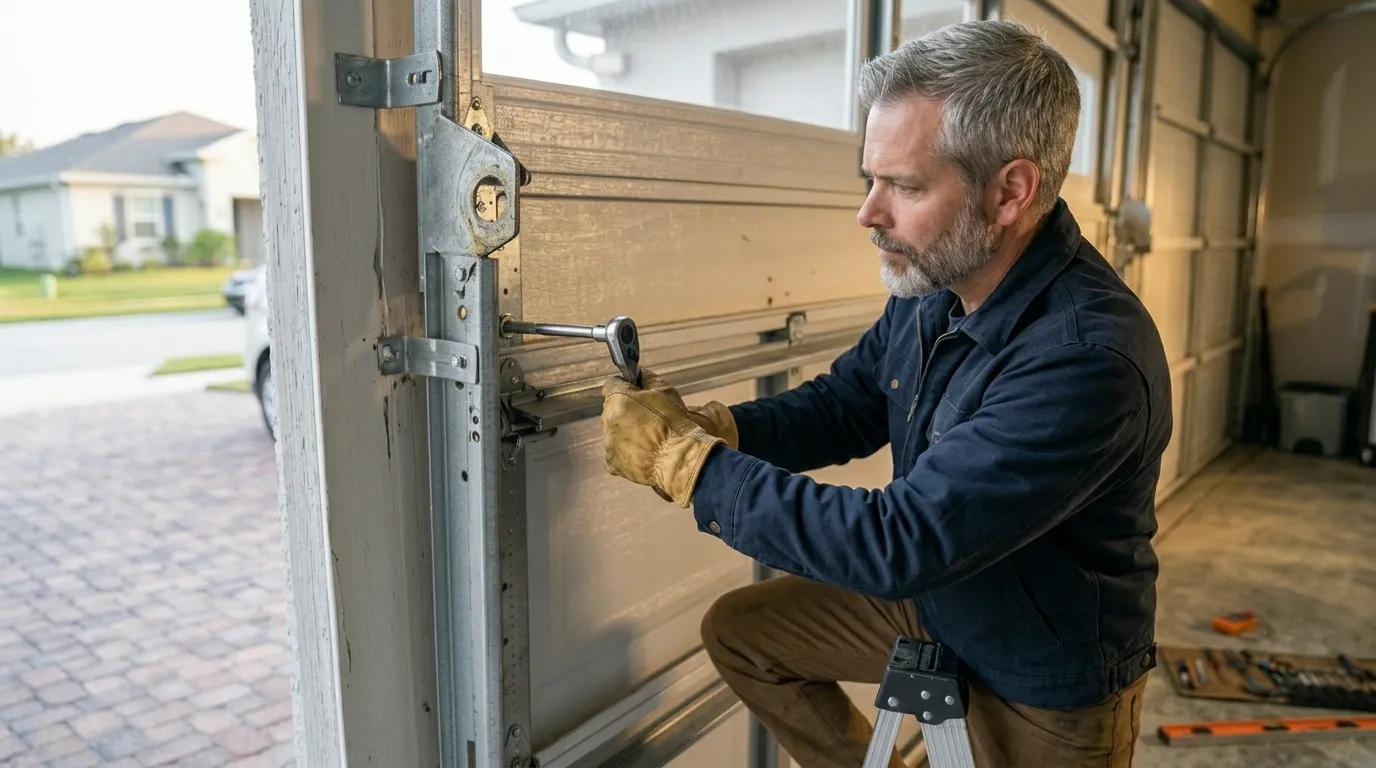
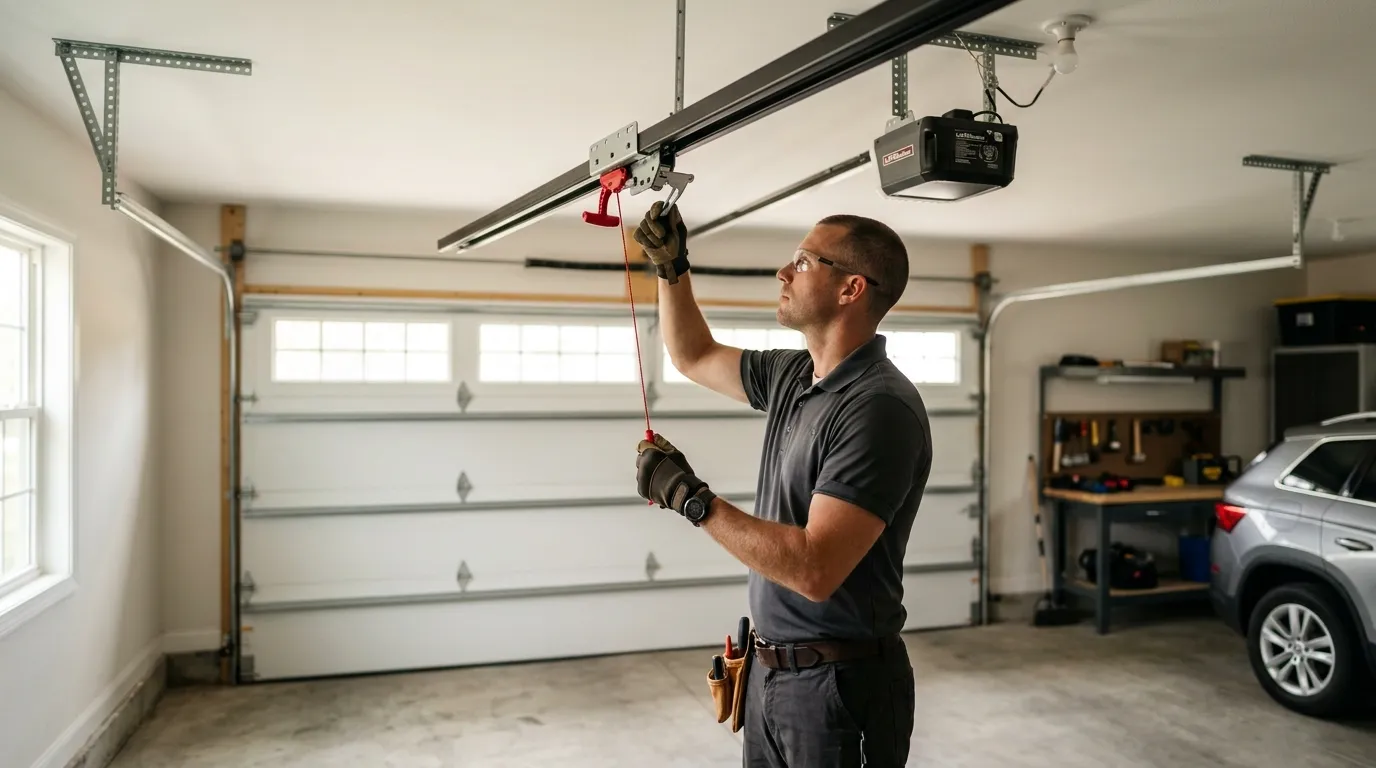
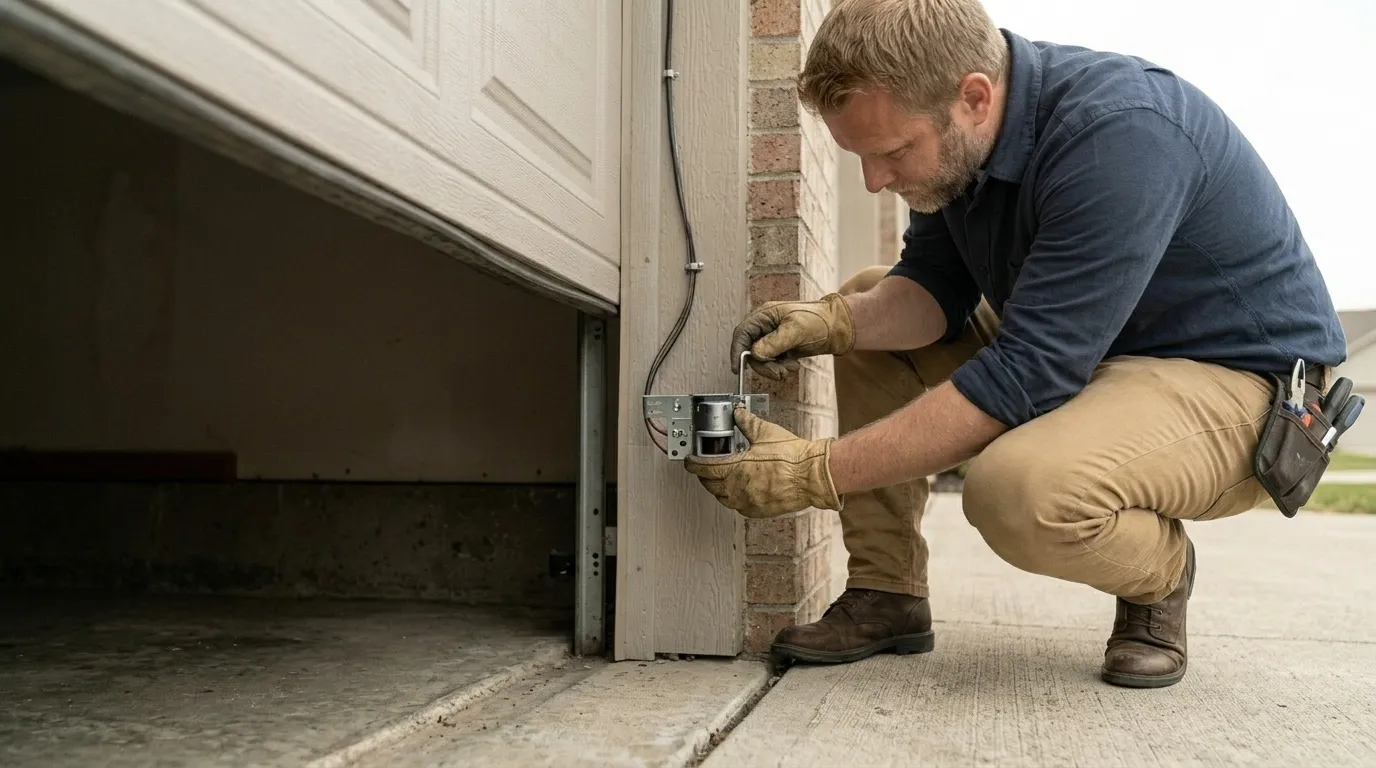
A door put in around 2001 is roughly 24 years old today. That's right in the window where torsion springs - rated for a set number of cycles - start giving out, and where the original opener's circuit board and logic sensors are the first parts to fail, not the motor itself. If your opener clicks but the door doesn't move, or the light blinks a code you don't recognize, that's usually the board, not the whole unit.
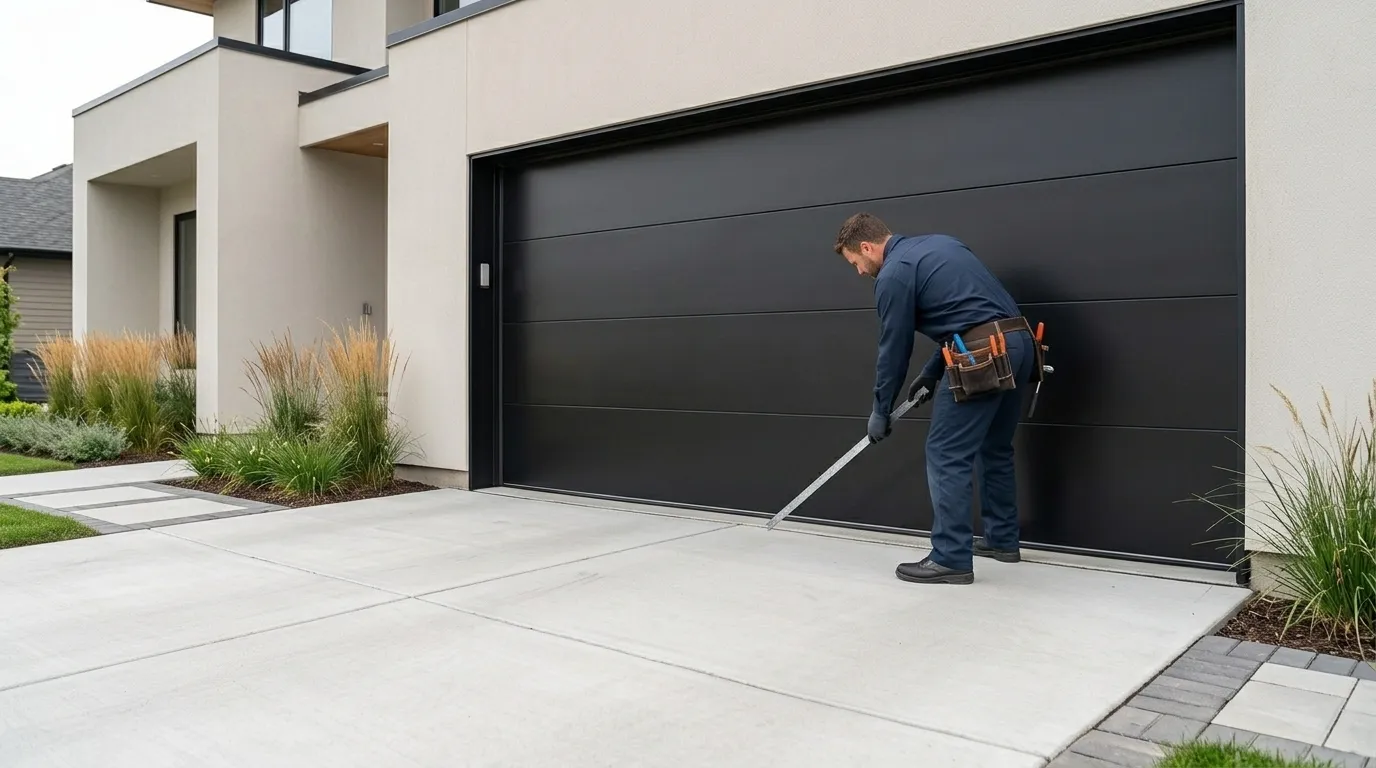
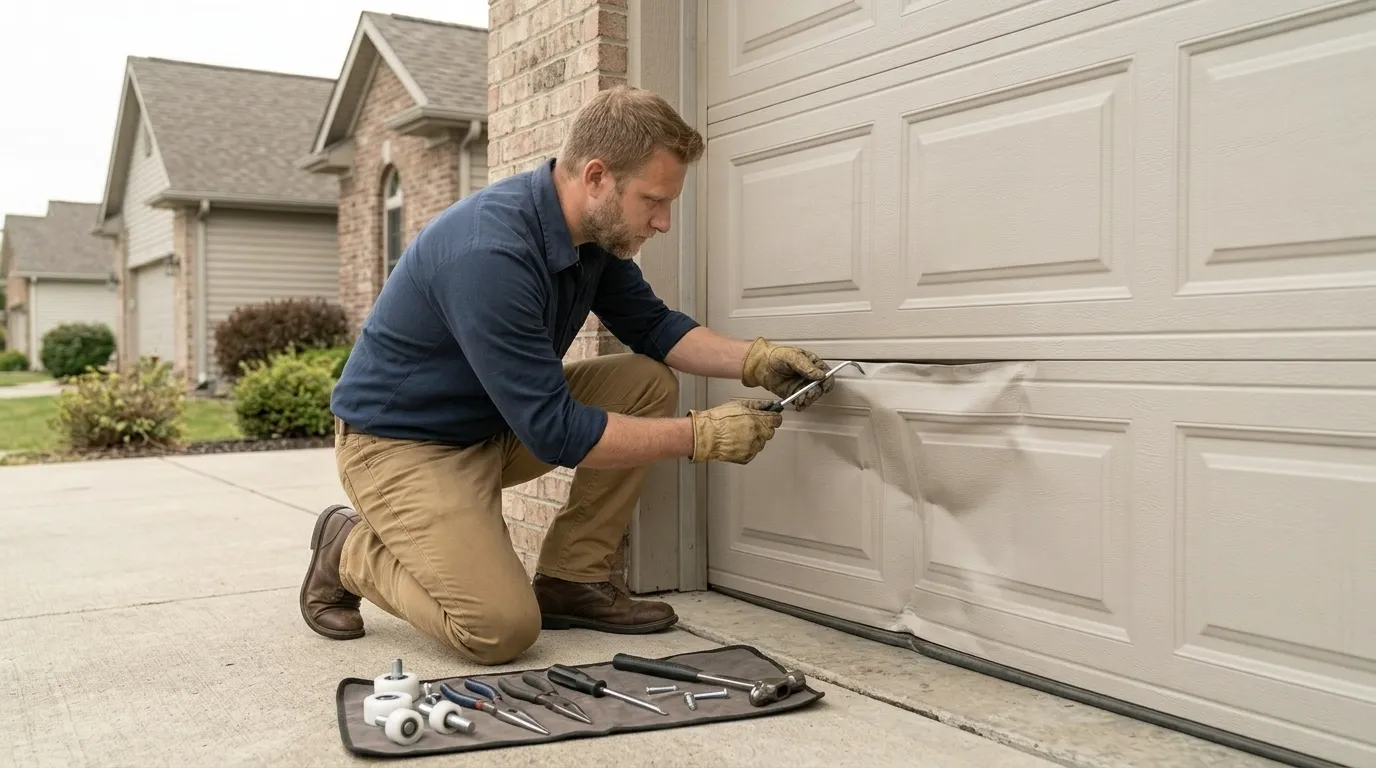
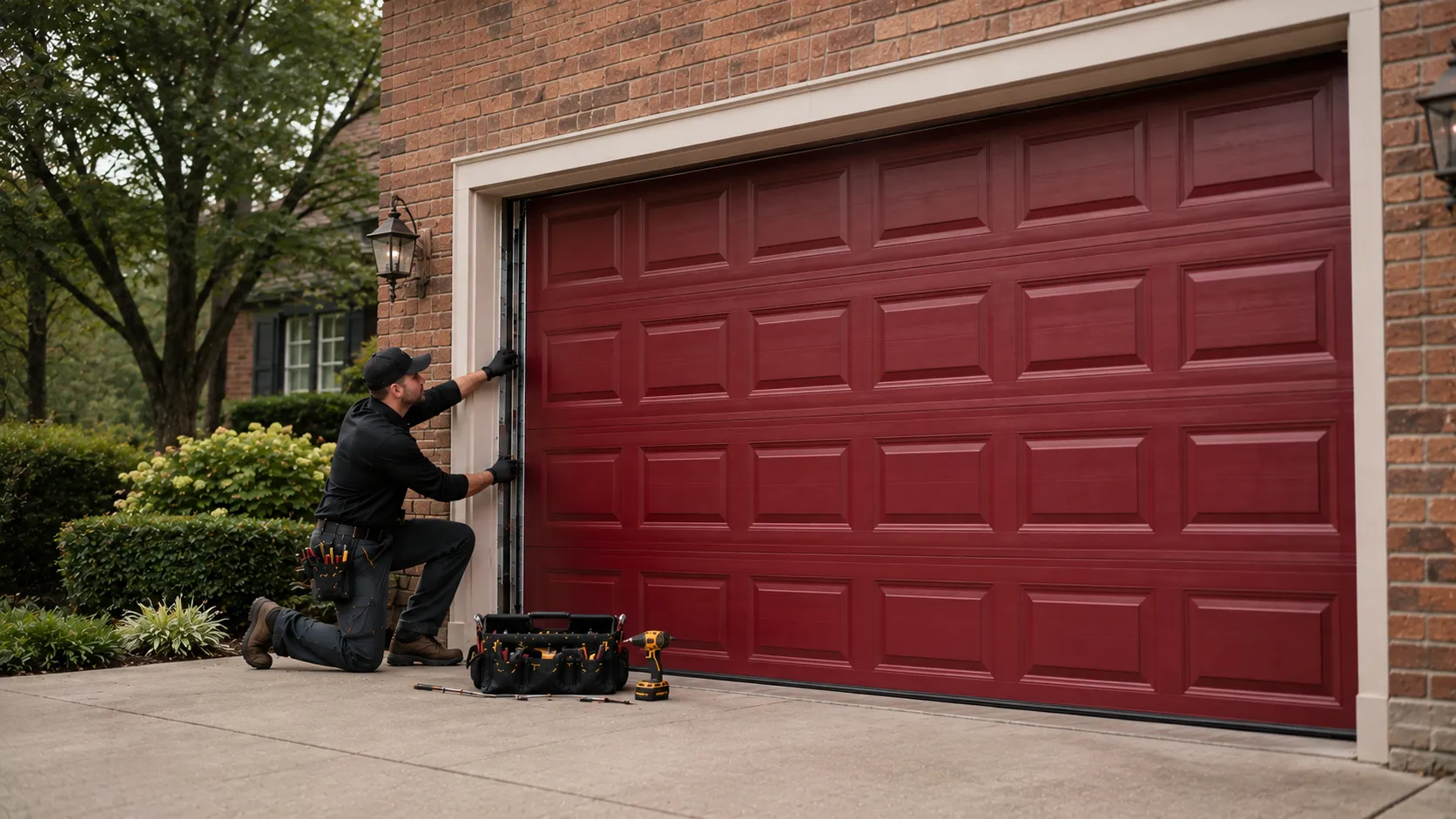
Heath's larger, higher-income builds also tend to run double-wide doors more often than single bays, which means heavier doors on torsion springs sized for that width - get the spring size wrong and you're back out here in six months. Insulated steel sectional doors are standard on stock this age, which suits the moderate heat load this part of Texas carries: not the extreme end of the state's climate zones, but hot enough that a worn weather seal or a bowed panel costs you real cooling dollars in summer. We check seals and panel condition on every torsion job out here, not just the spring.