Plain Answers
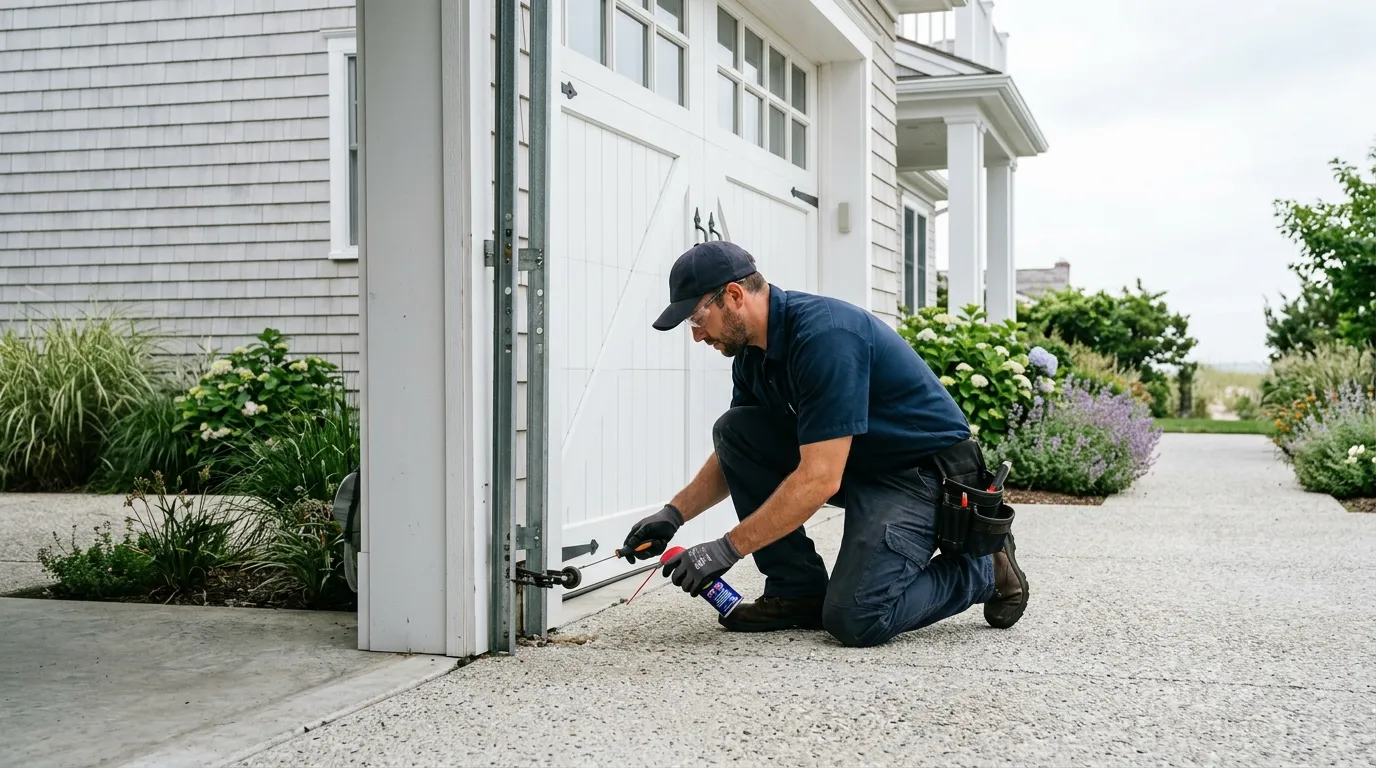
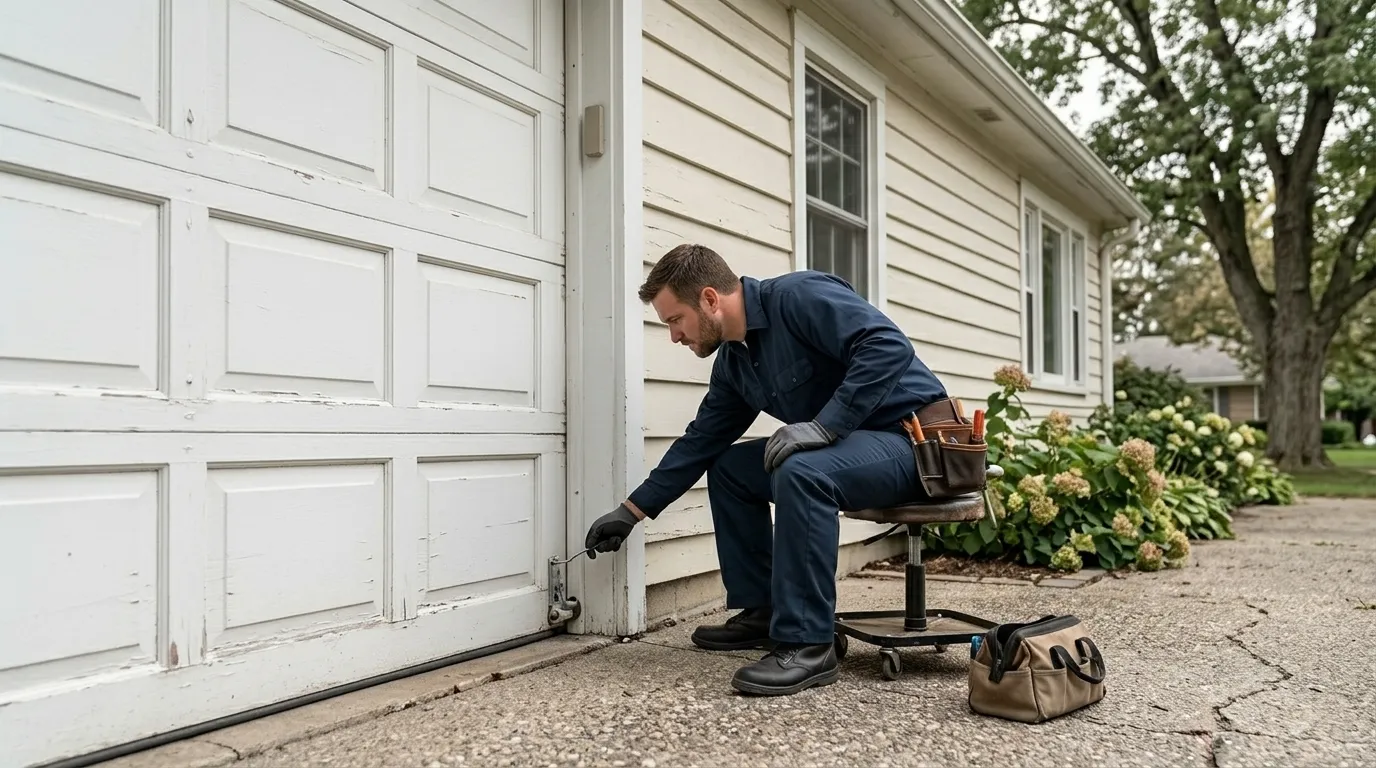
Most calls we get from this stretch of Garland aren't emergencies - they're a spring that's finally given out after 15-20 years of cycles, or an opener that's starting to grind because the house it's mounted in is old enough now to need it. Given the 1973-2013 build range here, we're seeing openers and springs from the original install starting to reach the end of their working life across a lot of this housing.
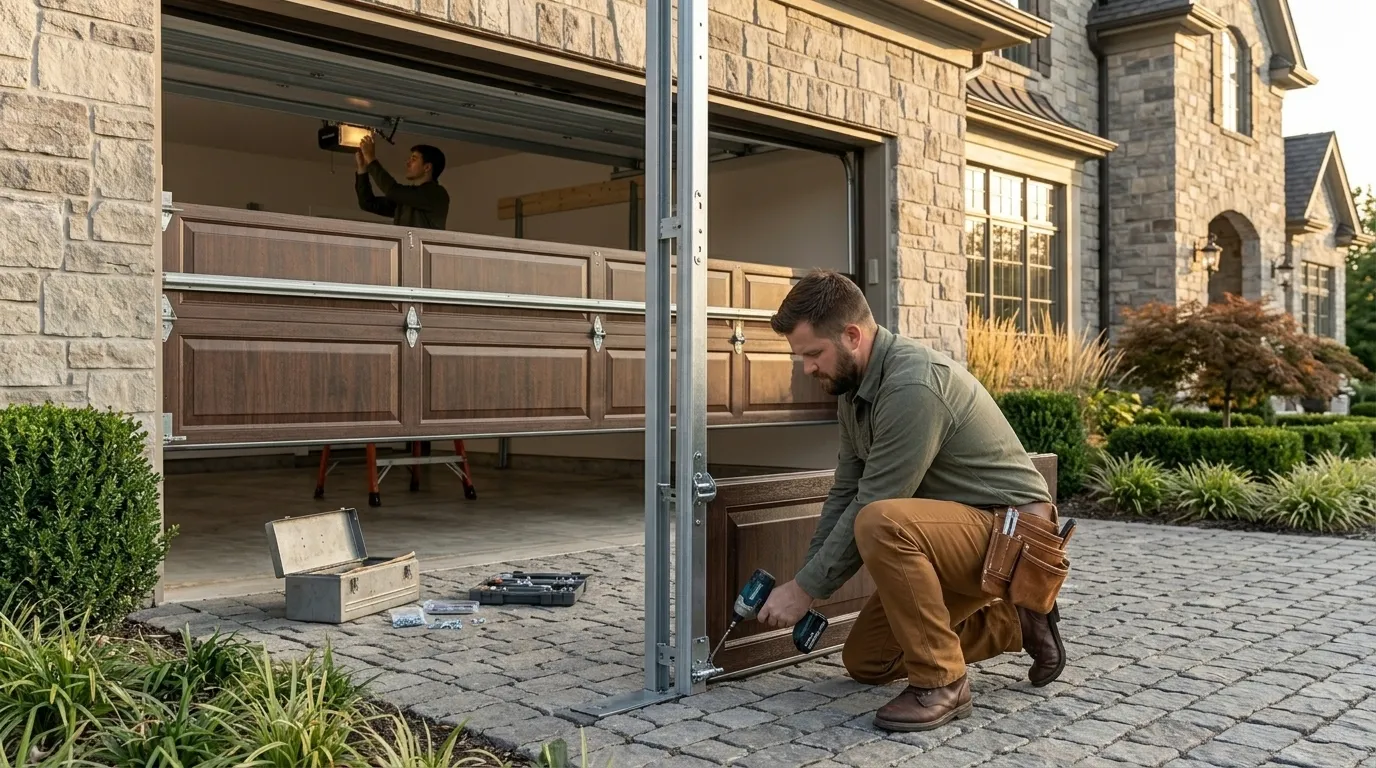
One honest limitation: if your door or track was installed outside a common size or spec for that era, we may need to order the part rather than pull it off the truck, and that can add a day or two. We'd rather tell you that up front than promise same-day and miss it.
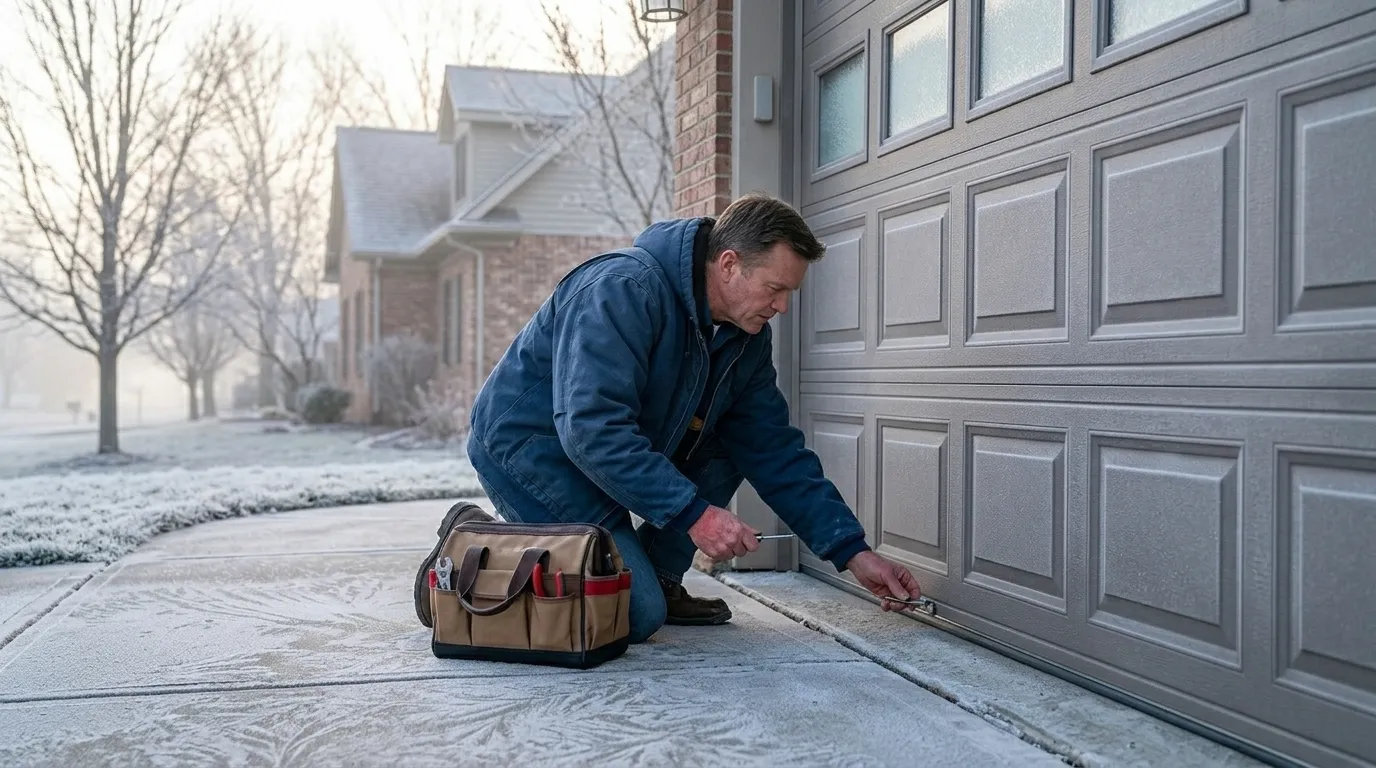
On climate: this area sits in a moderate heat band, not an extreme one, so we're not dealing with the kind of daily thermal swing that cracks panels or warps track the way you'd see further south or in a harsher zone. Steel doors here age on cycles and lubrication, more than on heat stress.
What Is on These Garages
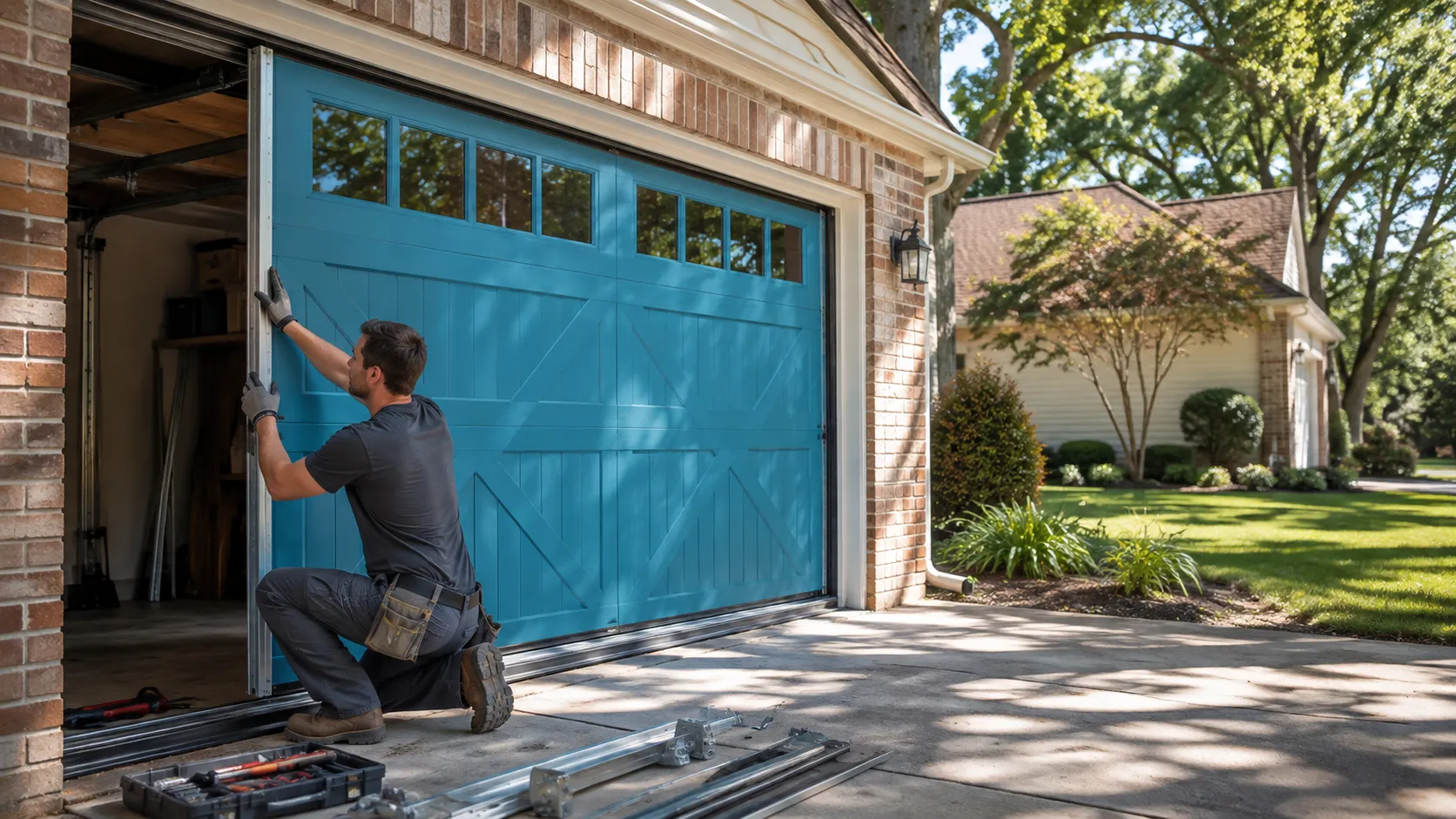
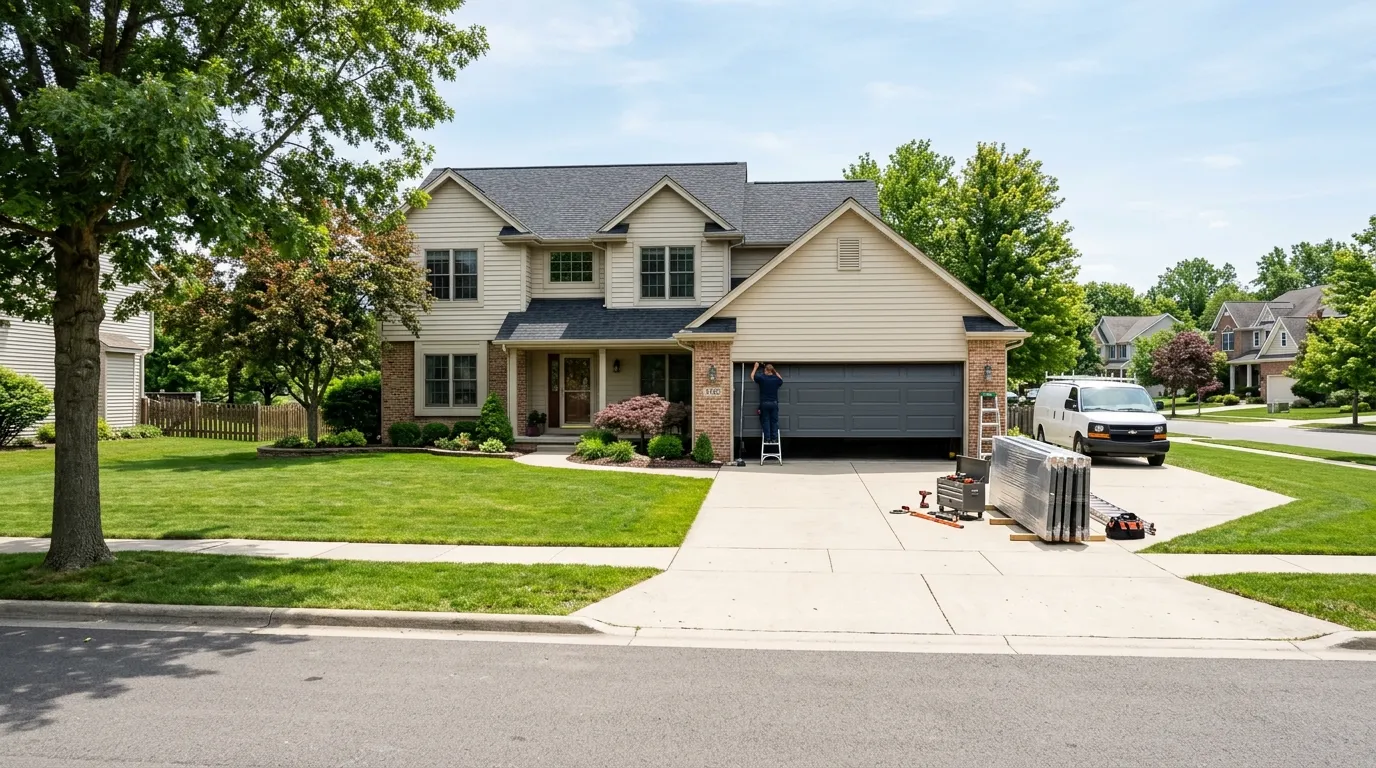
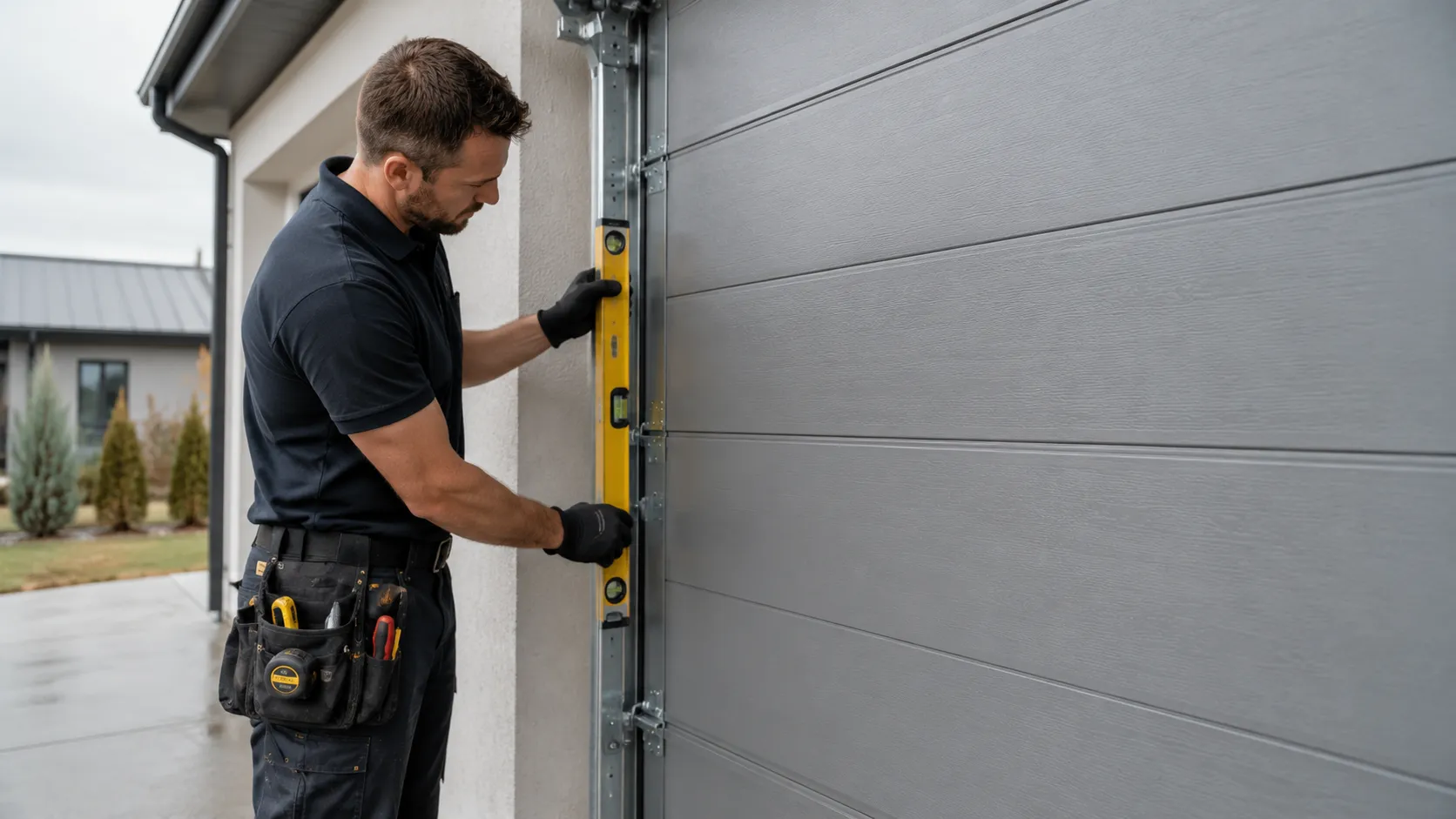
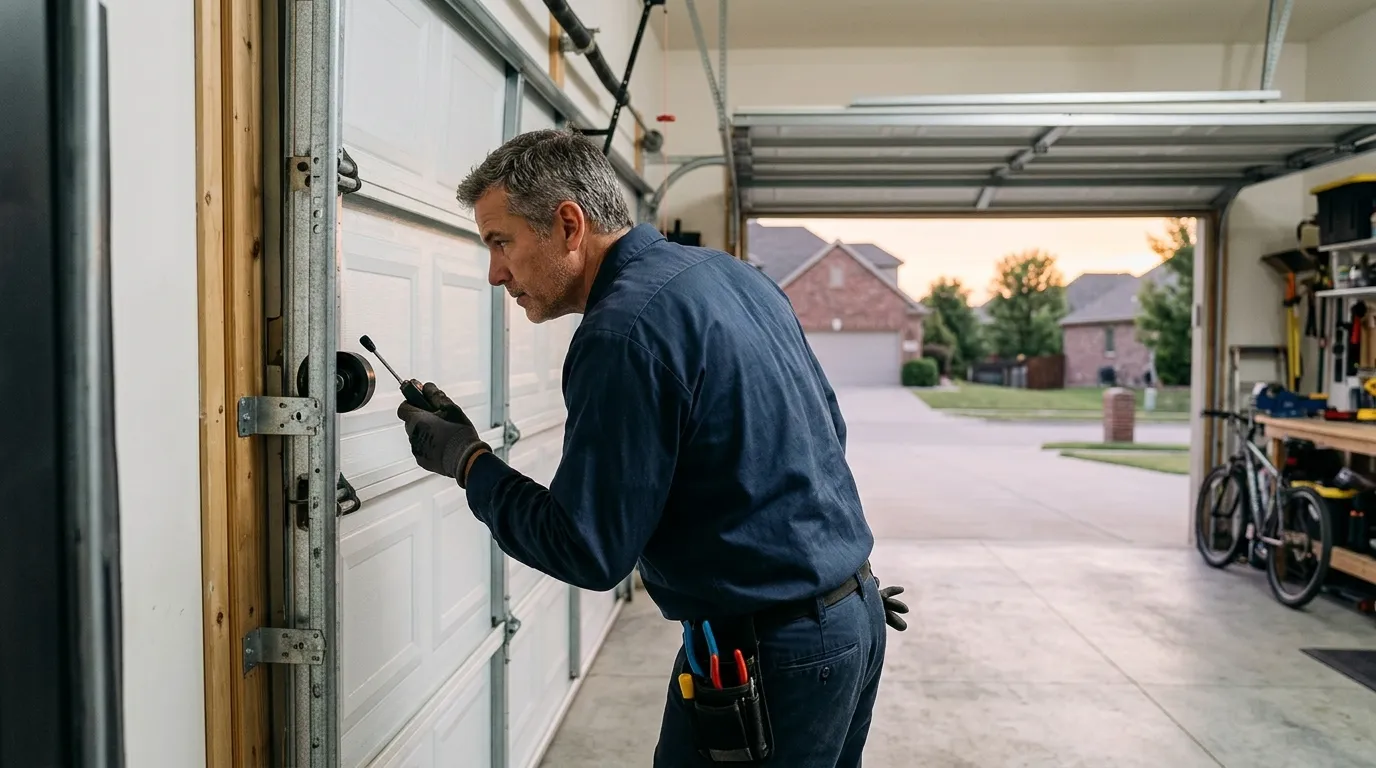
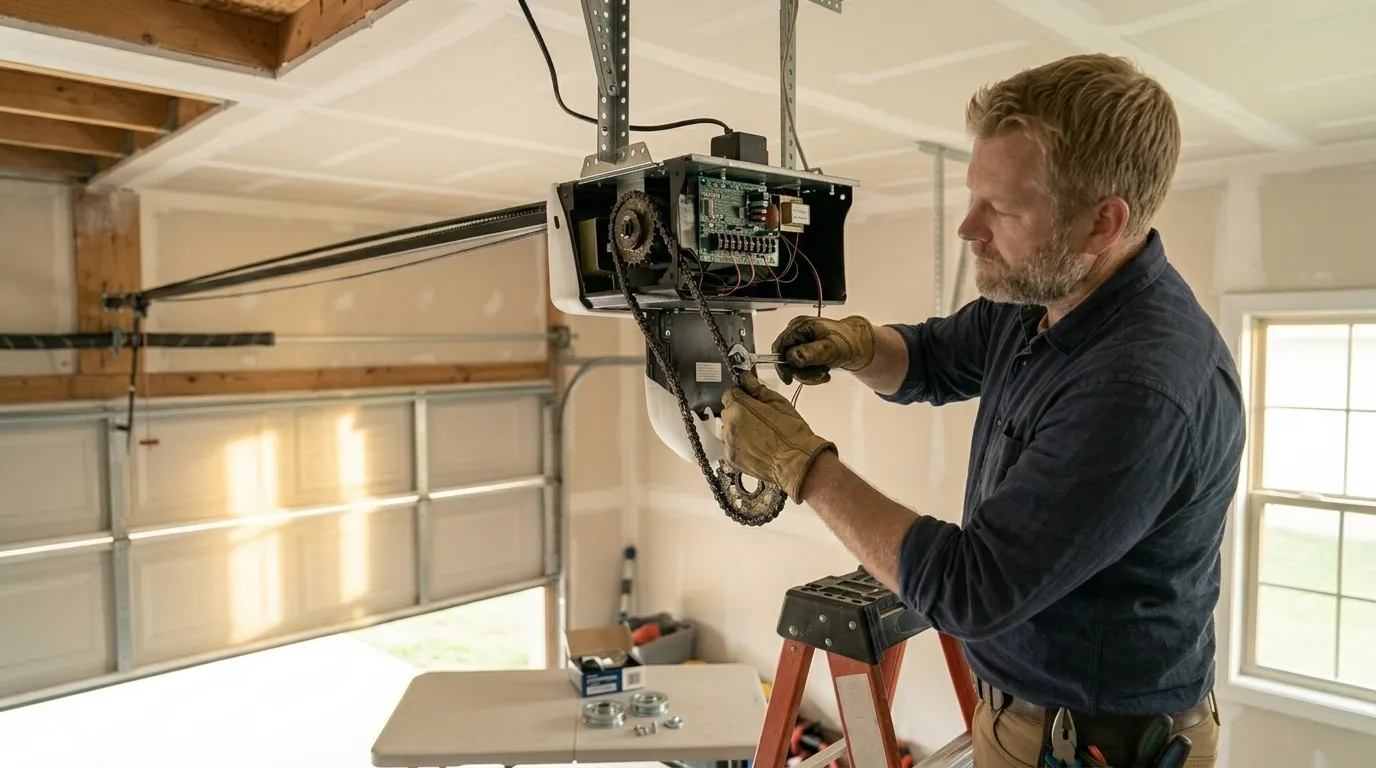
Given the median build year of 2002 for housing across this service area, the typical Coomer Creek garage is a steel sectional door, likely original or a first replacement, on torsion springs mounted on a center shaft above the opening. Chain-drive or belt-drive openers from that same era are common, and by now a lot of them are on their second or third drive gear.
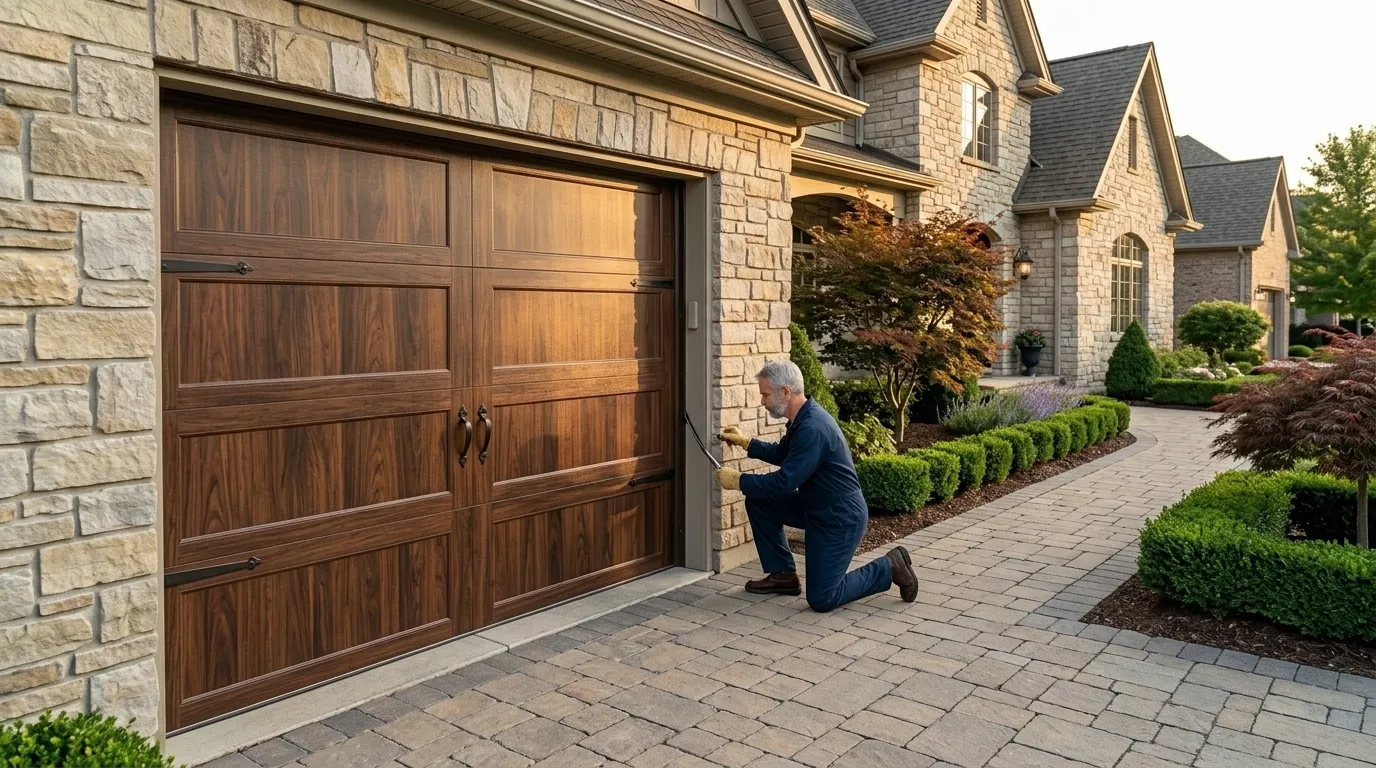
Household income across the service area runs a median of $133,750, and in practice that shows up less in flashy upgrades and more in owners replacing openers with quieter belt-drive units and adding battery backup - practical swaps rather than cosmetic ones. Across the wider area we work in, there are 46,718 owner-occupied houses out of 72,723 households total, so most of what we see on a given street is owner-maintained, not rental turnover, which tends to mean doors get serviced before they fail outright rather than after.