This Area's Housing
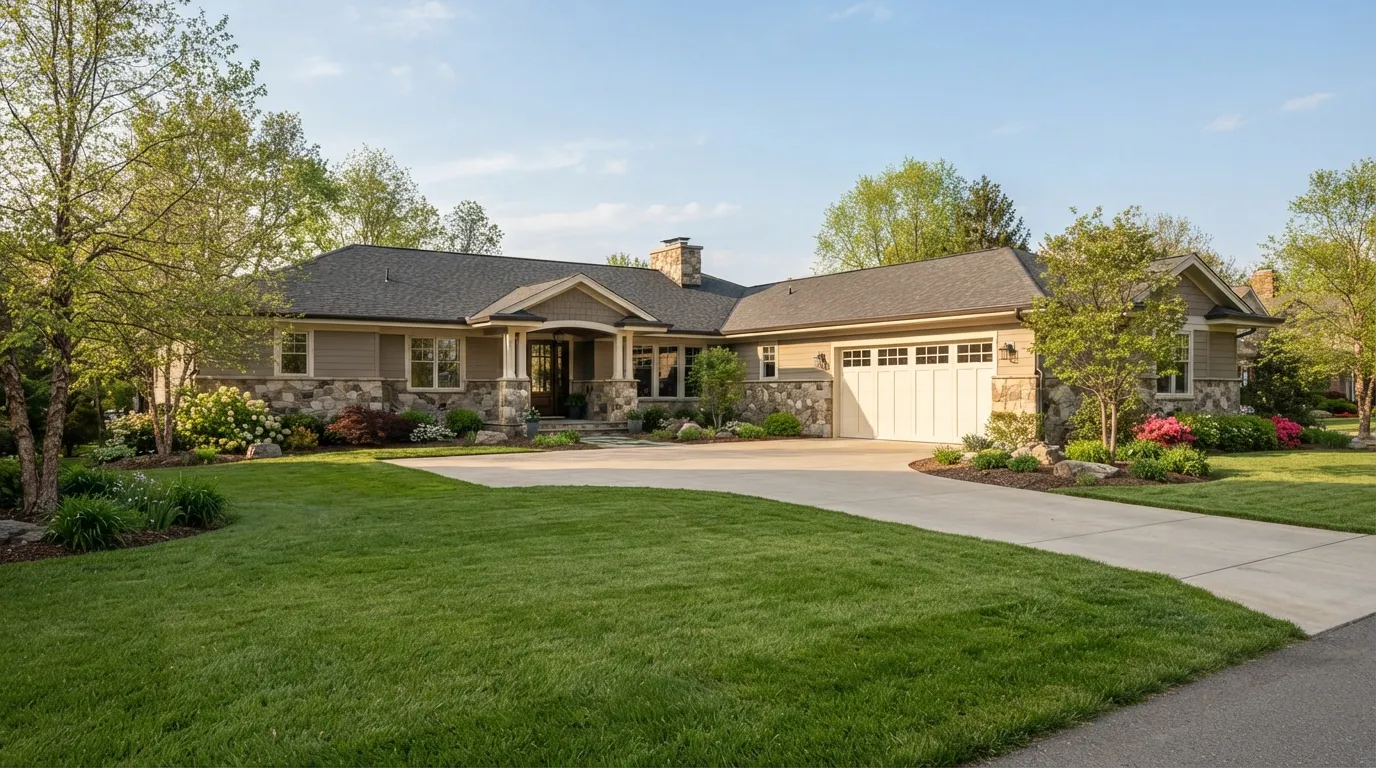
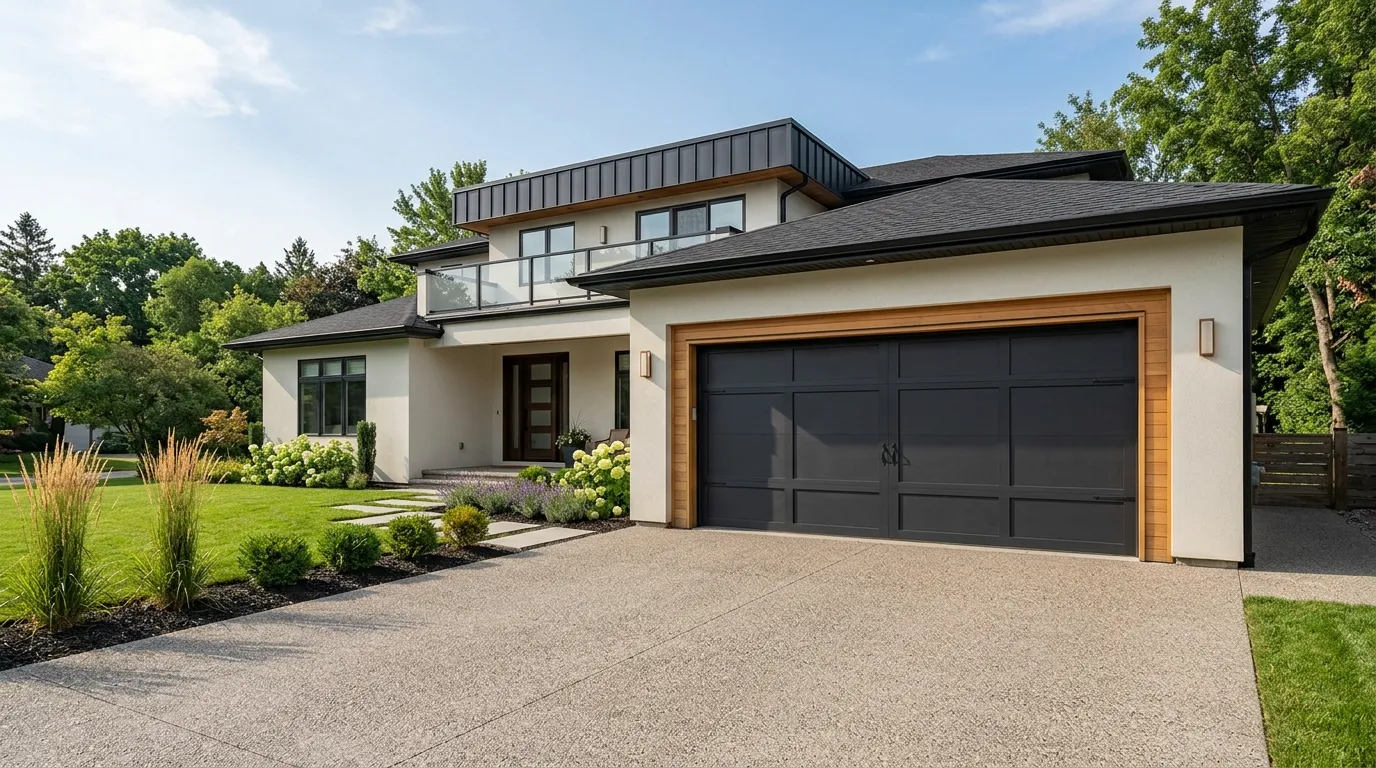
Talty is younger than a lot of what we cover out of Garland. The area's median build year sits around 2004, and with roughly 859 households here, it's a small, fairly uniform pocket compared to the wider service territory, where the housing stock runs from 1973 up through 2013 with a median closer to 2002. Most of the 19 named areas we work in lean 2000s-era construction, and Talty fits that pattern almost exactly rather than sitting at either edge of it.
Household income here also runs a bit above the territory average - $136,917 versus $133,750 across the wider service area - which tends to track with newer square footage and, often, larger two- and three-car garage doors rather than the single-bay setups you see on older stock closer in toward Garland.
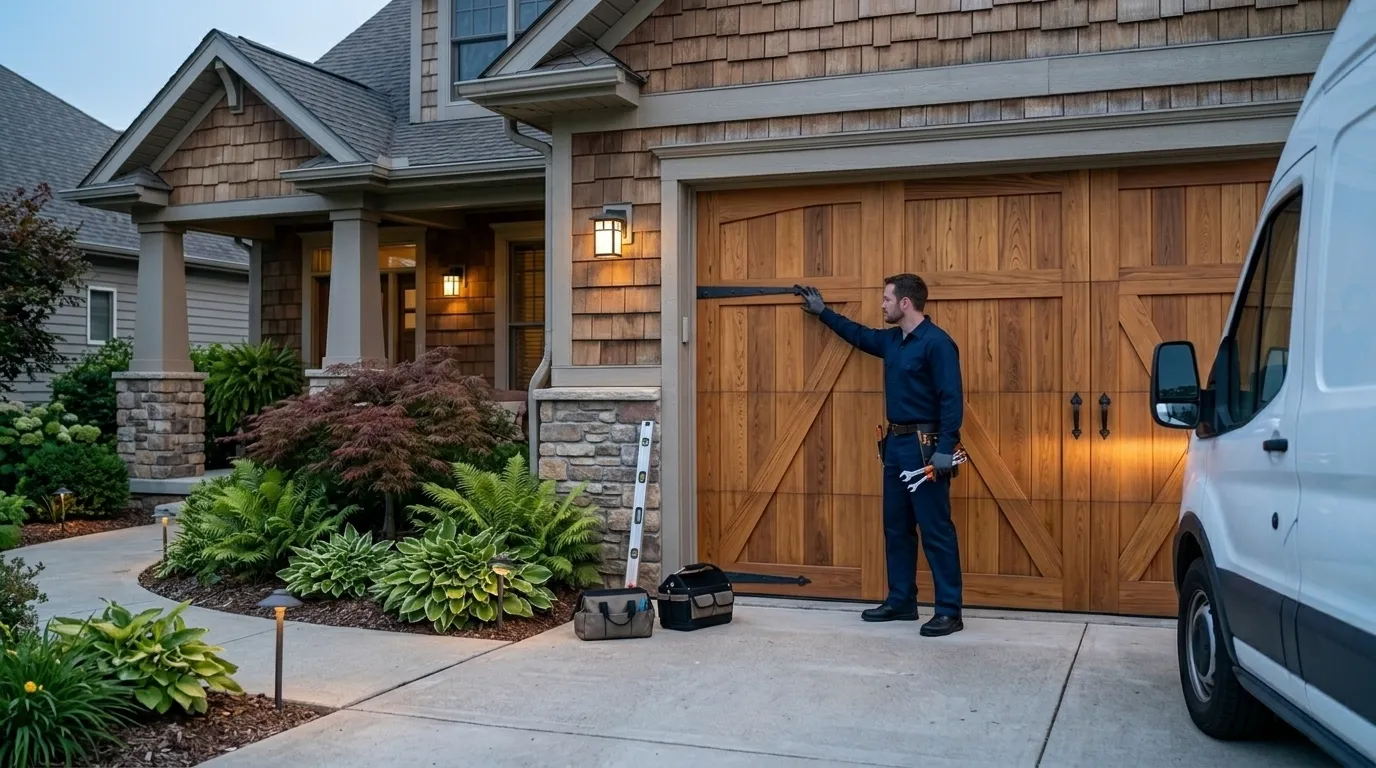
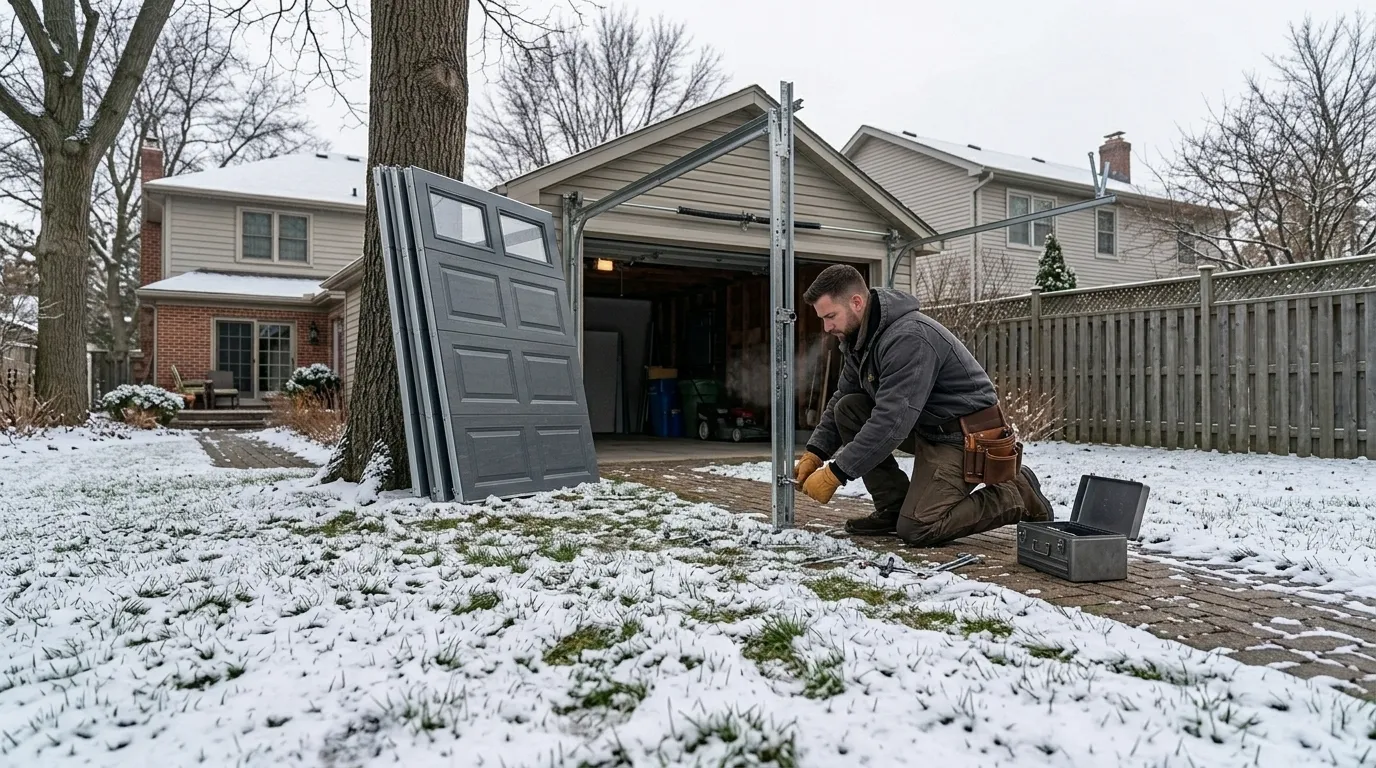
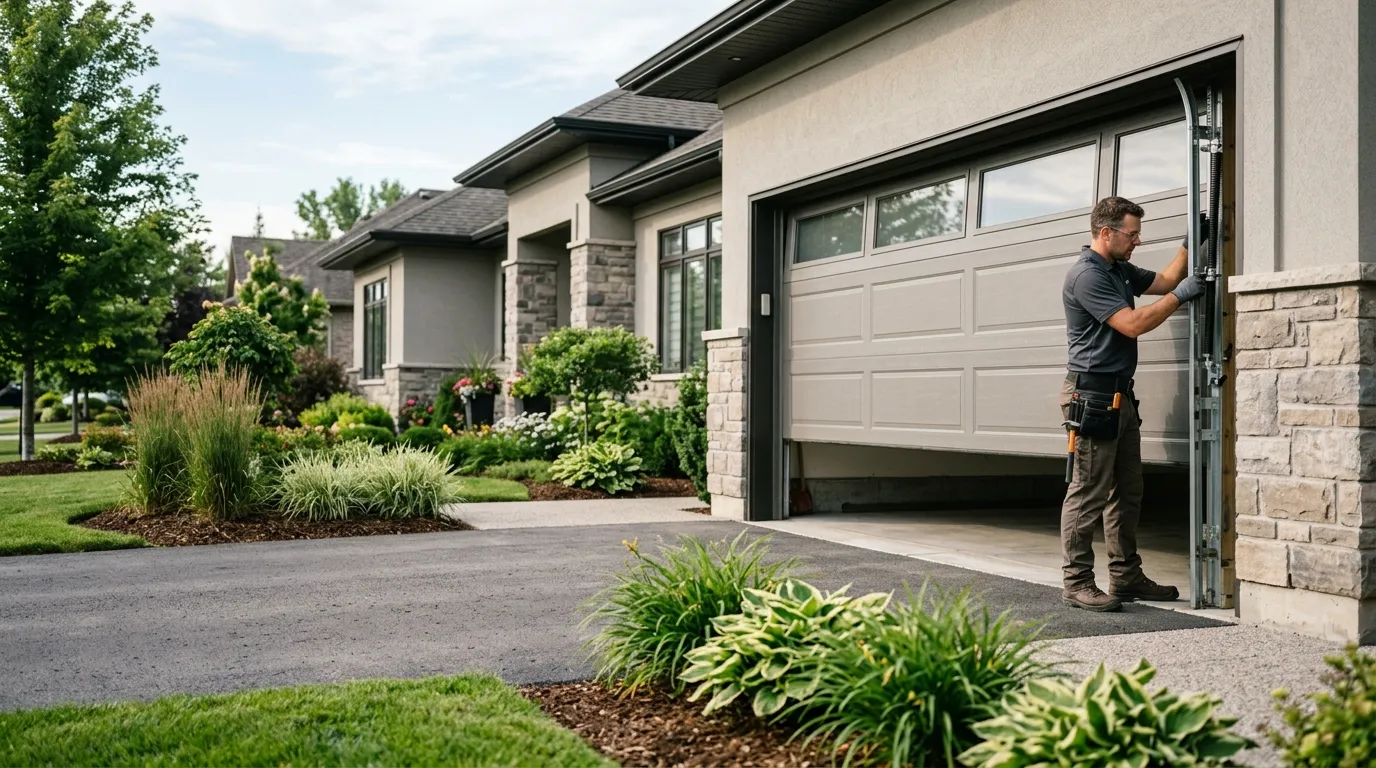
What that means in practical terms: fewer of the original wood-panel doors and side-mounted torsion setups we still run into on 1970s and 80s houses, and more steel sectional doors on standard torsion springs mounted overhead, installed once, by one builder, in a fairly narrow window of years.
What the Housing Means for Your Door
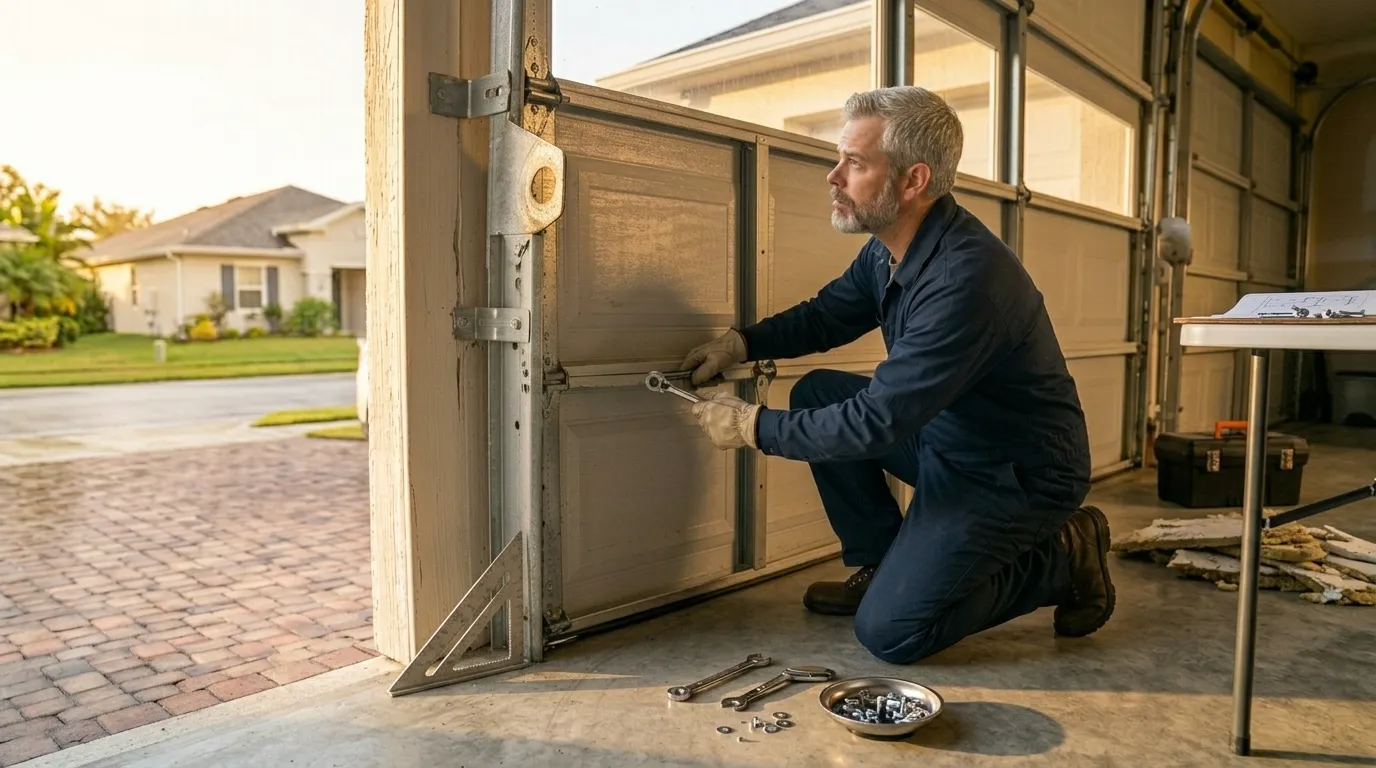
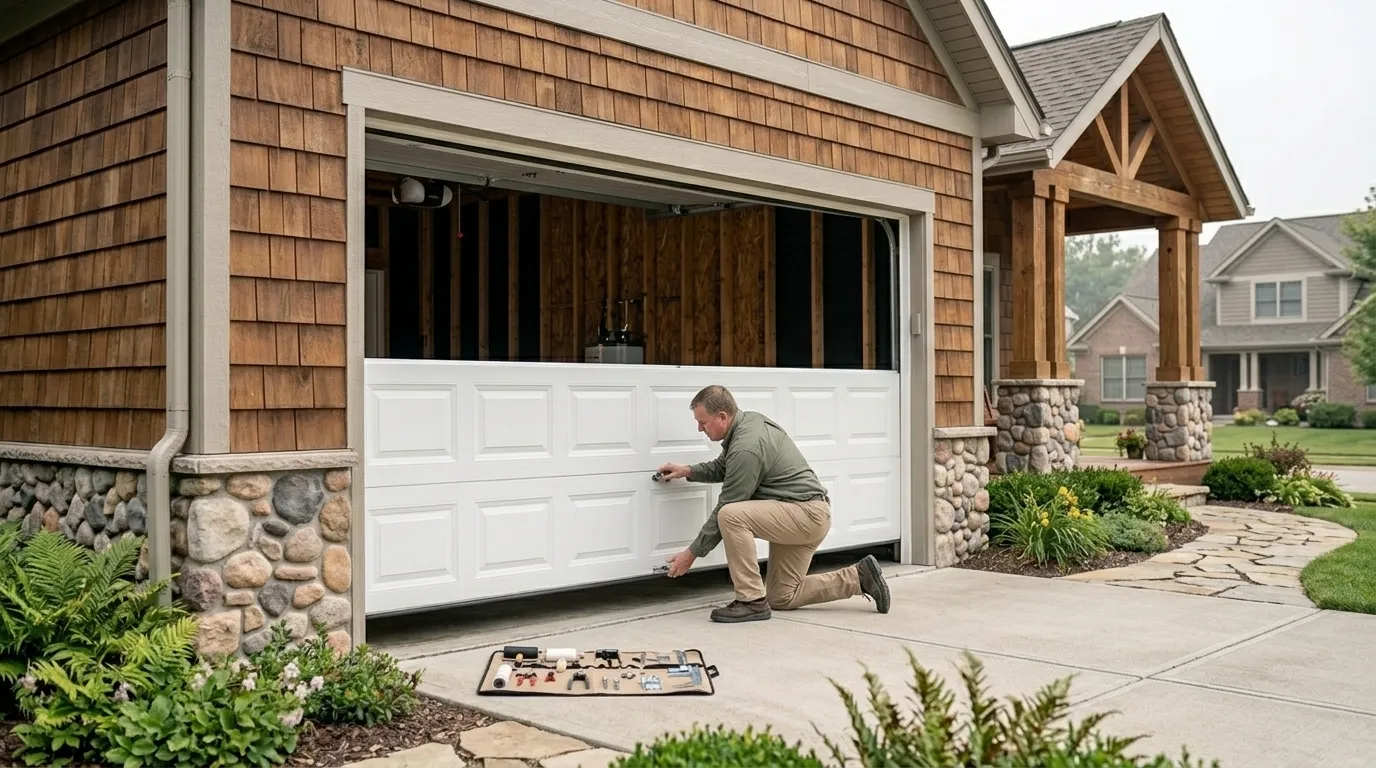
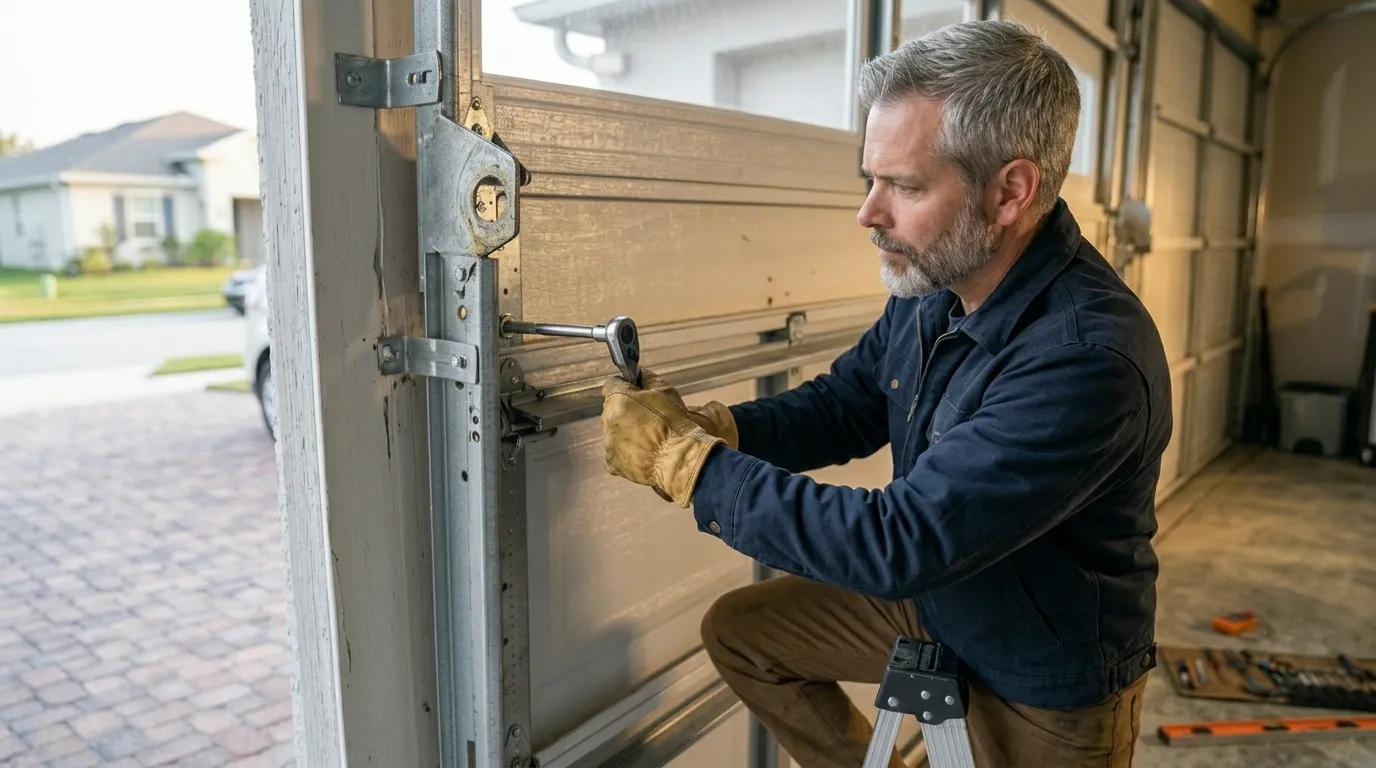
A door and spring system installed in 2004 is now roughly two decades old. Torsion springs are rated in cycles, not years, but a spring that's been opening and closing daily since a house was built is well into the range where we expect to see it going. If your Talty house was built in that window and the door has never been serviced, the spring is a reasonable suspect before anything else.
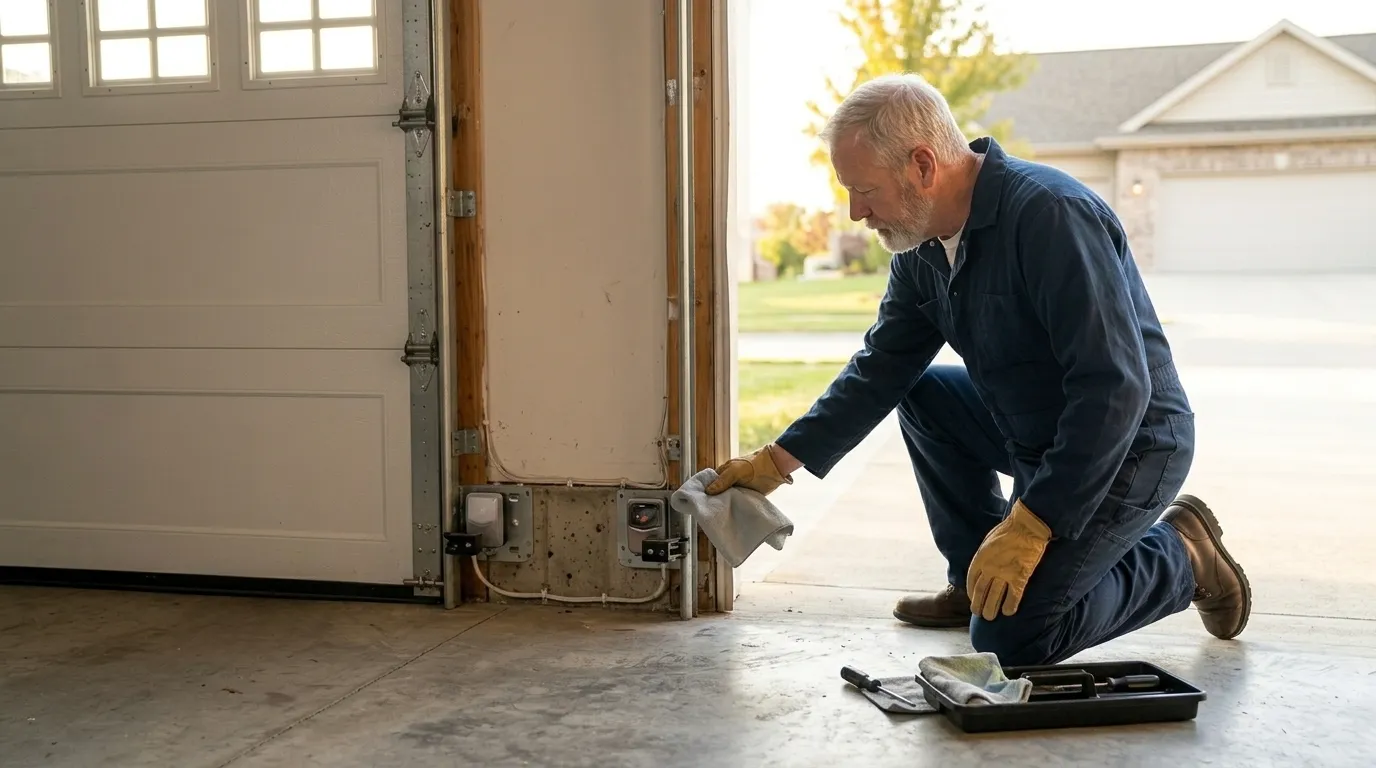
Because the housing here is newer and fairly consistent in build year, the openers tend to be original chain or belt-drive units from the same era rather than a mix of decades-old and brand-new like you'd find on an older street. That's good news for parts - 2000s-era opener hardware is still common and easy to match - but it also means a lot of these openers are approaching the same age at roughly the same time.
The service area sits in a moderate heat climate band, which is easier on doors and springs than the extreme heat swings you'd get farther south or west; it's not a reason doors last forever, but it's one less stress factor working against the hardware here.