This Area's Housing
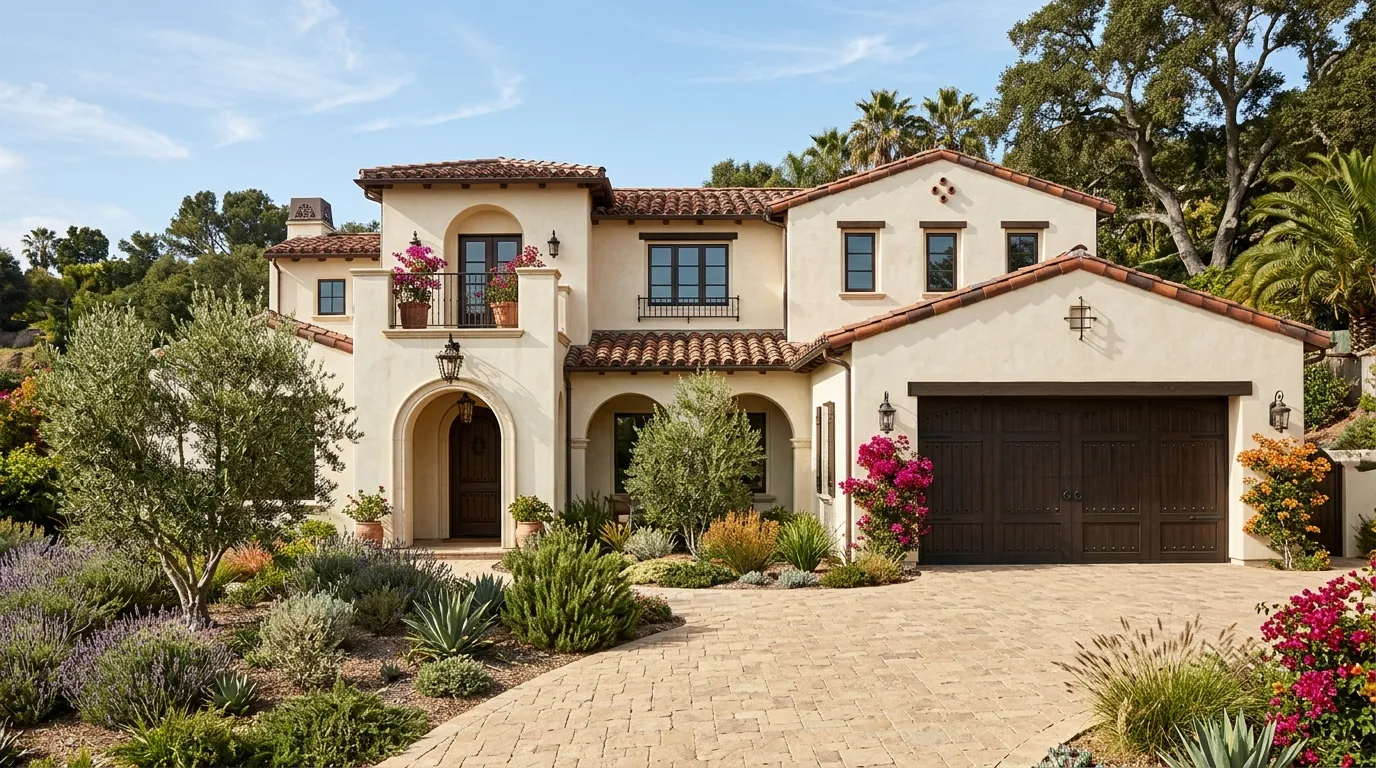
St. Paul's homes cluster tightly around a median build year of 2000 - a couple years ahead of the 2002 median for the wider Garland service area, which itself spans construction from 1973 through 2013. That narrow window matters more than it sounds like it should. A neighborhood built inside a five-year stretch tends to share the same builder-grade door, the same spring size, the same opener brand bought in bulk for a subdivision.
With only 324 households, St. Paul is a small slice of the roughly 46,718 owner-occupied houses across the full service area we cover from Garland. Median household income here runs about $124,500, which tracks with the kind of two-car garage, insulated steel door setup you'd expect from a build era chasing energy code updates rather than architectural flourish.
St. Paul sits inside the same 10-mile ring as Murphy, University Park, Sunnyvale, and Heath - all towns that went through similar early-2000s growth. If you've talked to a neighbor in one of those areas about a door problem, there's a decent chance it's the same failure we're about to describe.
What the Housing Means for Your Door
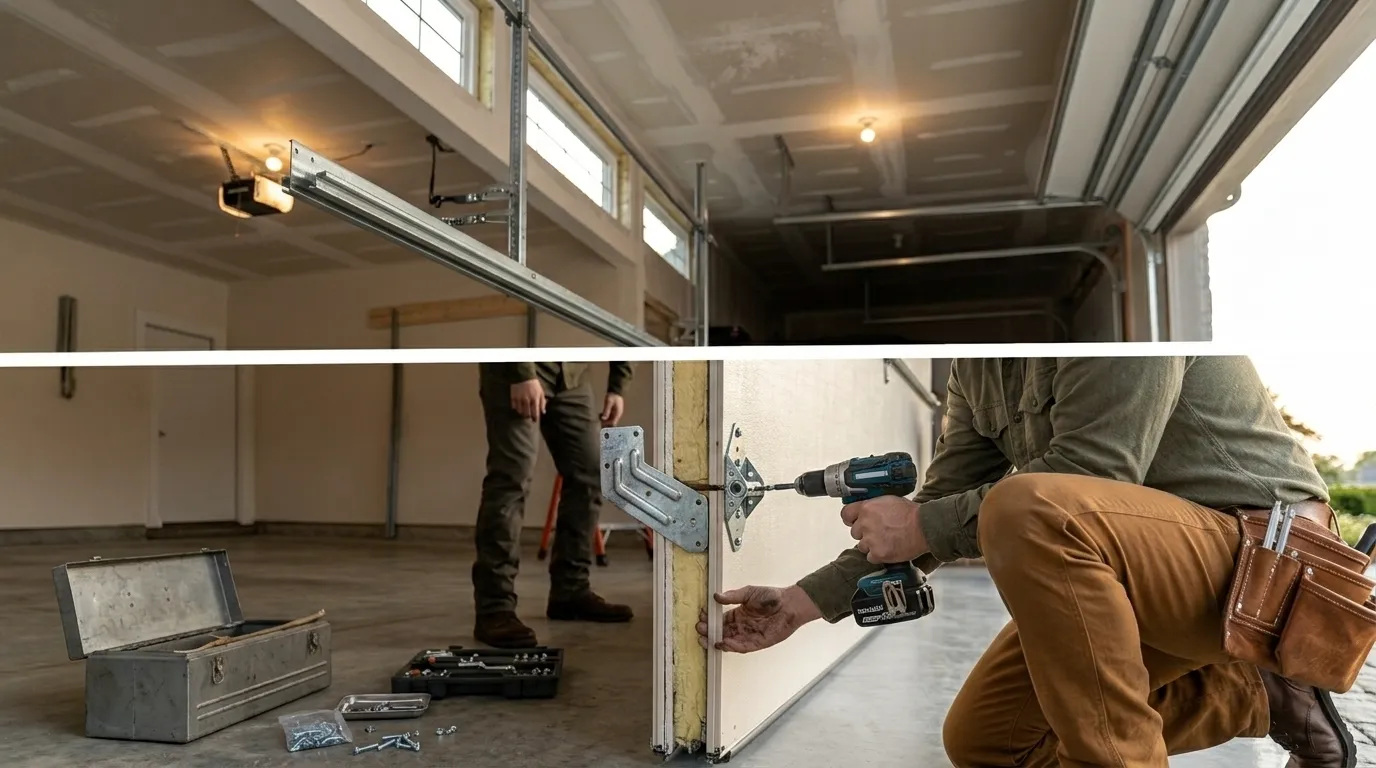
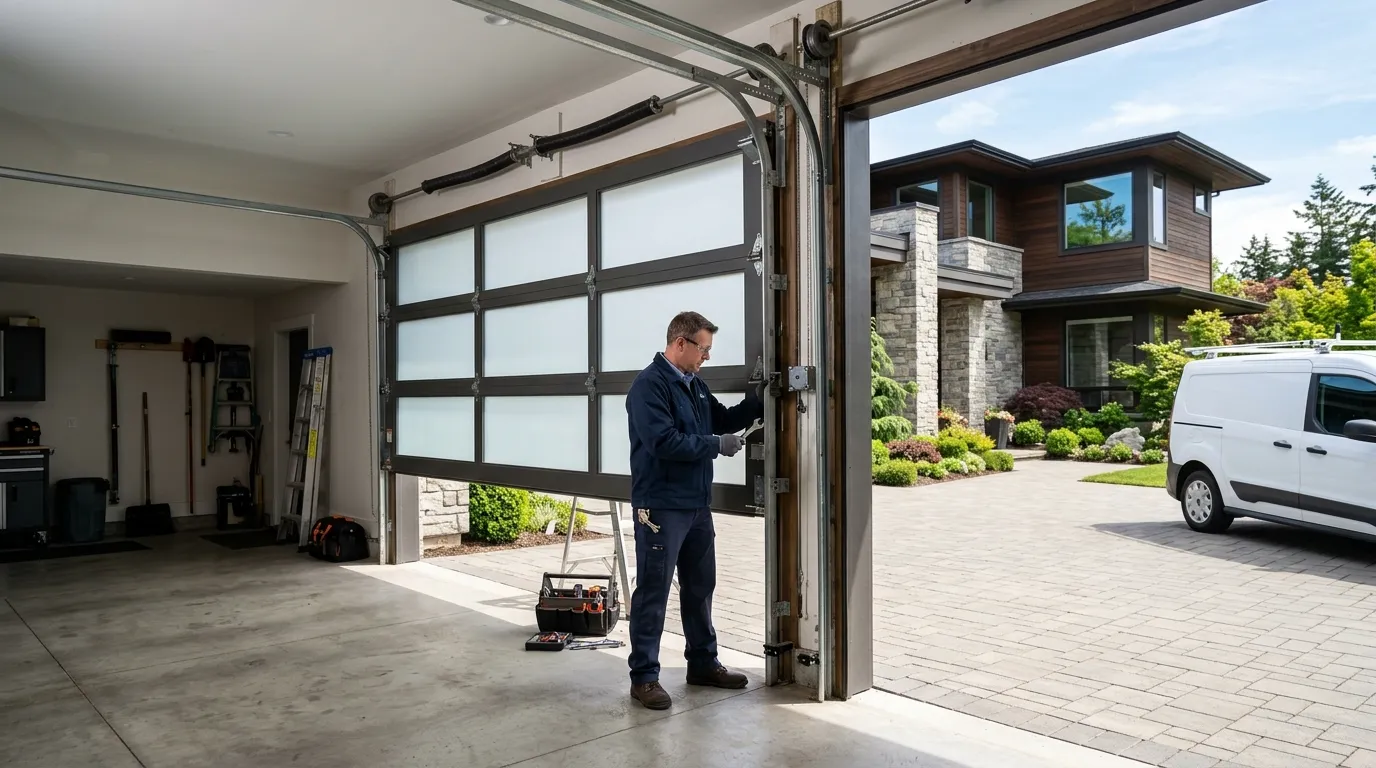
A door installed around 2000 is now old enough that its original torsion spring has almost certainly outlived its rated cycle count. Builders in that era spec'd springs to a standard cycle life, not a long one, and twenty-plus years of daily use puts most of them well past that number. If your spring hasn'r been replaced since the house was built, it's due - and when it goes, it usually goes without warning.
Openers from this build window are also aging out. Circuit boards from the early 2000s use components that have been through two decades of Texas summers, and our climate band here runs moderate on the heat scale - enough that a garage without much airflow puts real thermal stress on an opener's electronics year after year.
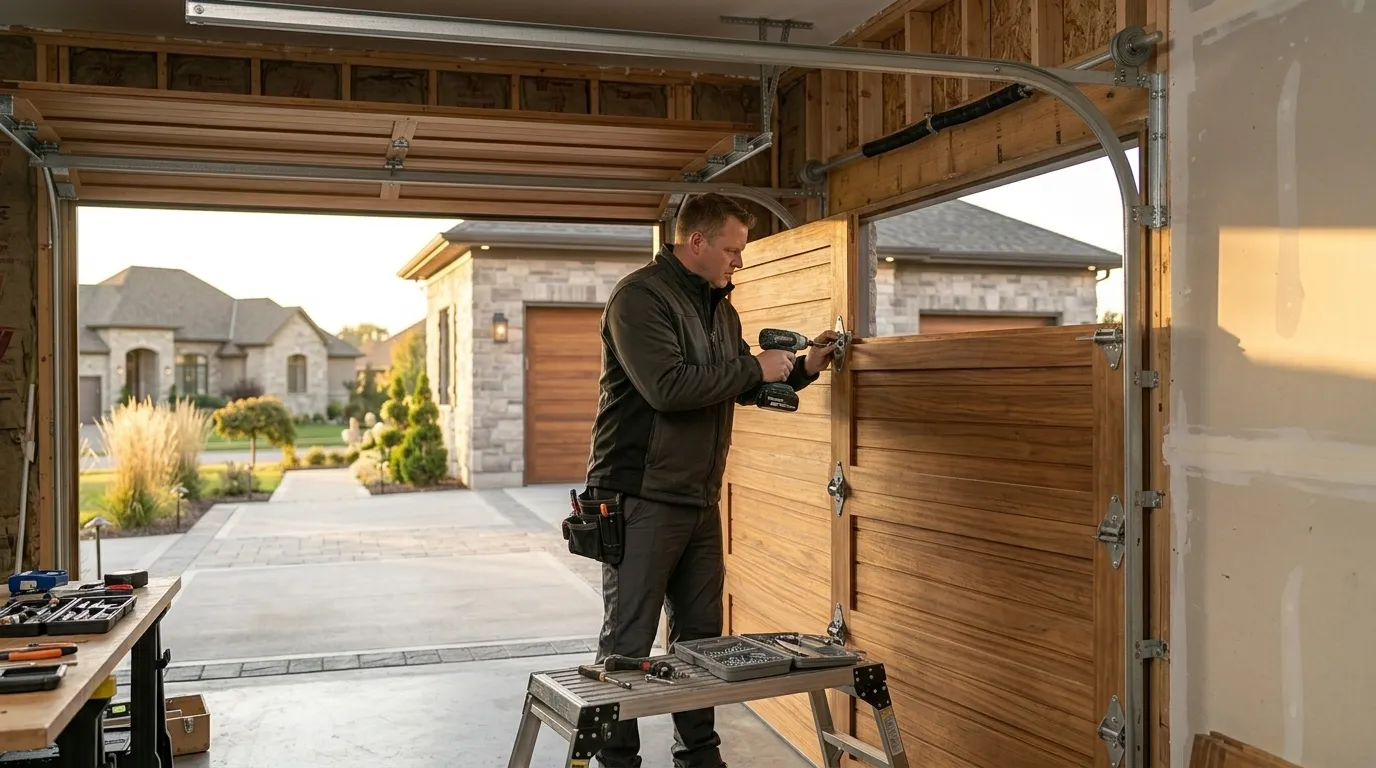
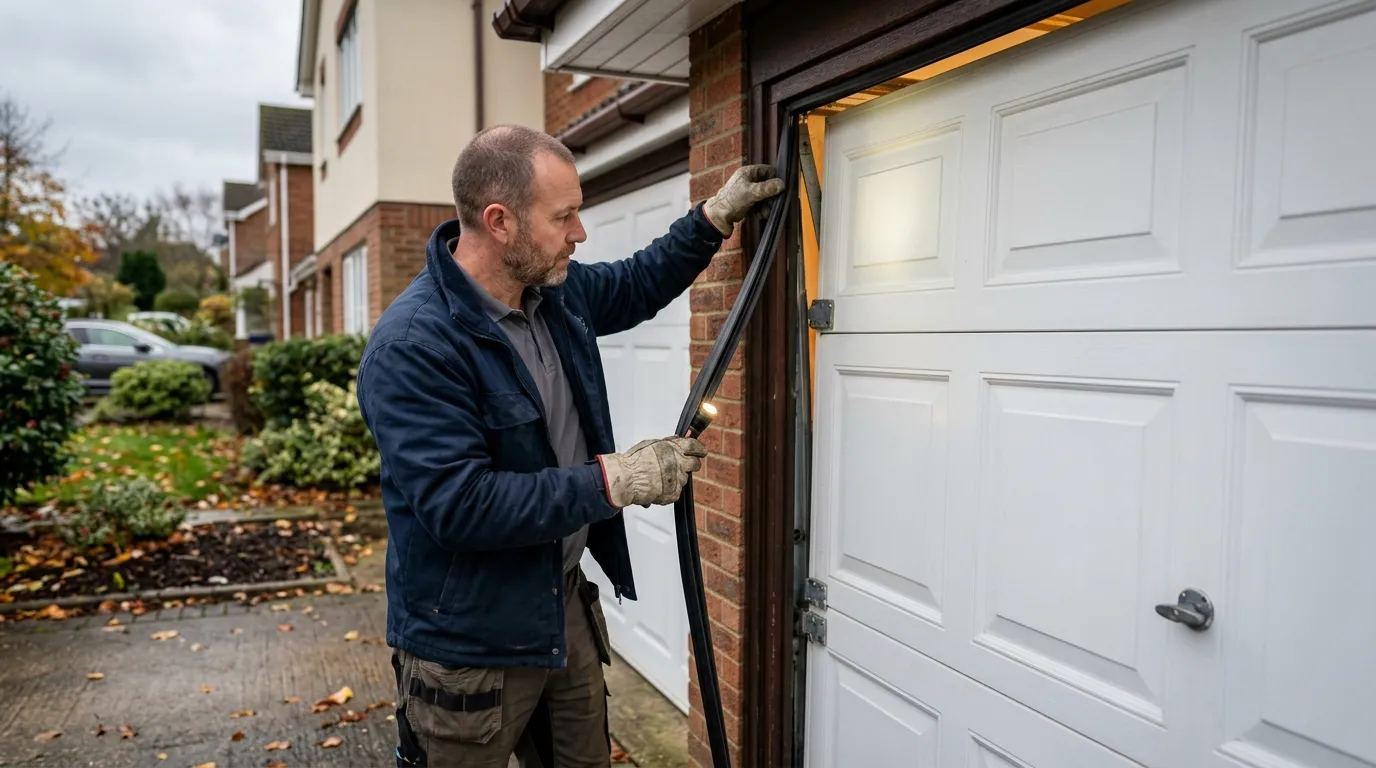
Steel panel doors from this era are usually a single-layer or basic double-layer build, lighter than what's sold today. That's not a flaw, just a fact of when they were made - it means panels dent easier and insulation values are lower than a door bought new now. None of this means you need to replace the whole unit. Most of the time it's the spring, the rollers, or the board - not the door itself.