This Area's Housing
Seagoville's housing runs younger than a lot of what we see closer to Garland - the typical house here was built around 2001, right in the middle of the broader service area's 1973-2013 spread. With roughly 5,401 households in the area and median income near $68,020, this isn't a neighborhood of custom-built high-end doors; it's mostly production-builder construction from the late 1990s through the 2000s, the kind that came with a standard steel door and a builder-grade opener installed once and rarely touched since.
That matters because a door installed in 2001 is now old enough that its springs are near or past their cycle life, but the door itself, the track, and the framing are still standard dimensions that current hardware fits without modification. It's a good combination for us - we're not fighting a house that's had three additions and a garage conversion, and we're not dealing with 1970s track widths either.
What the Housing Means for Your Door
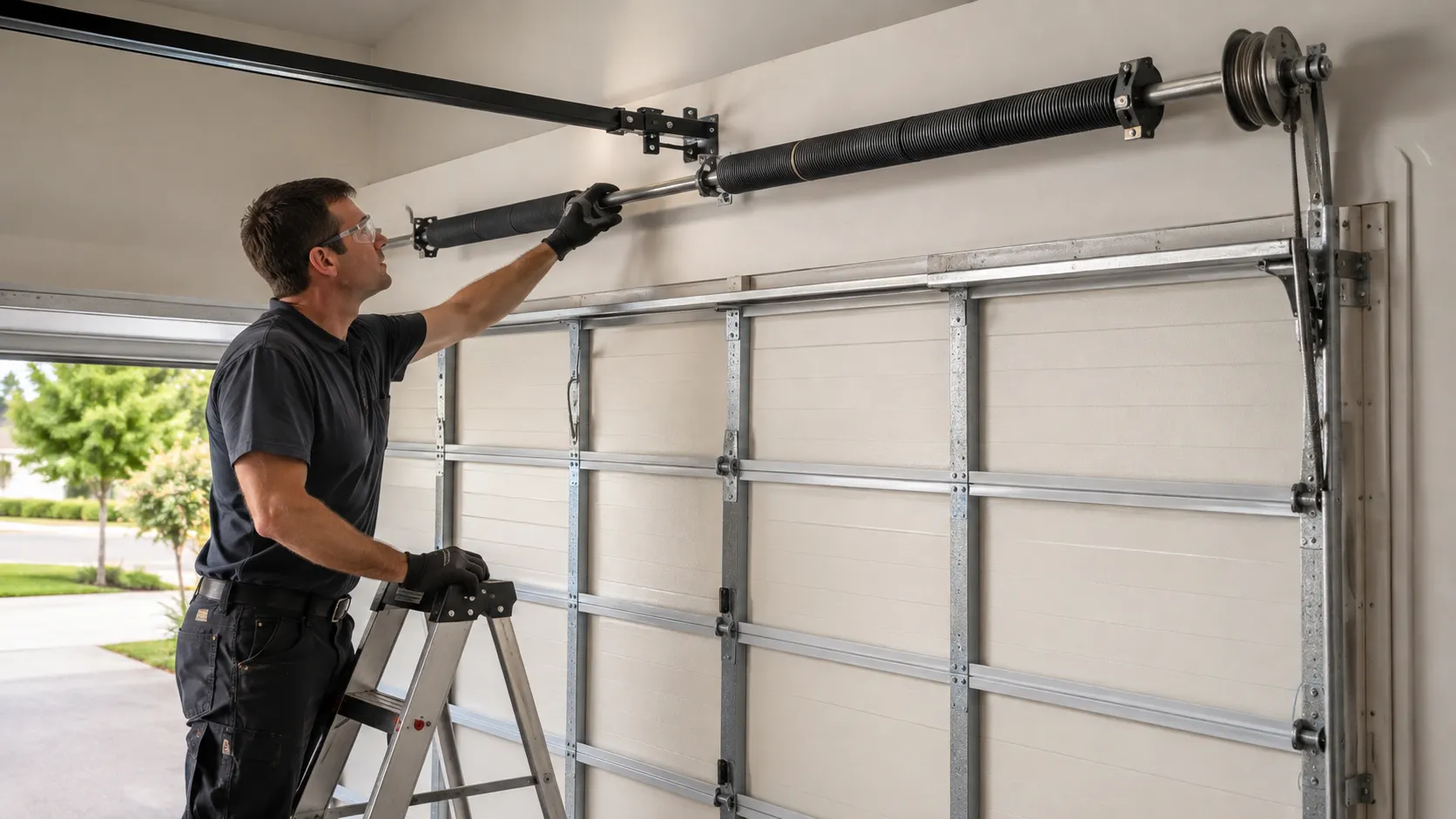
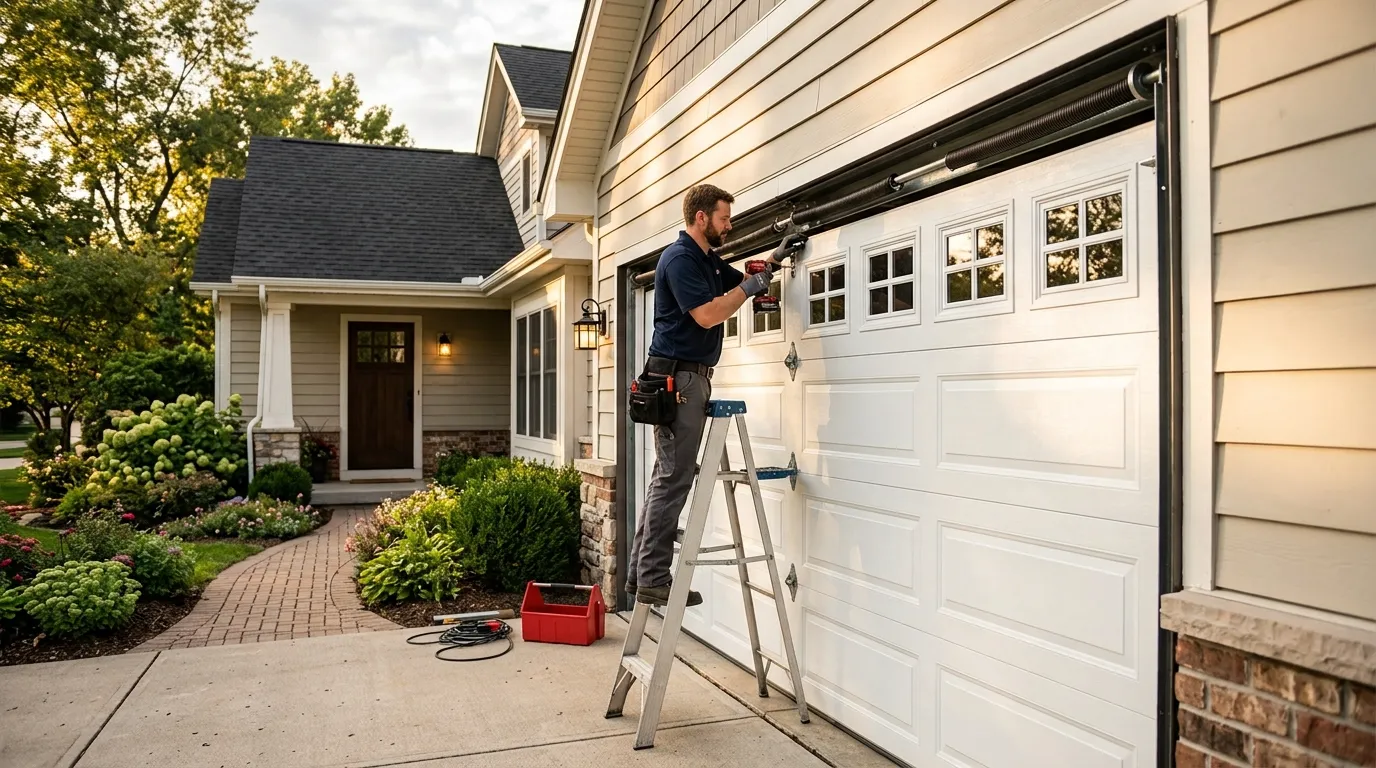
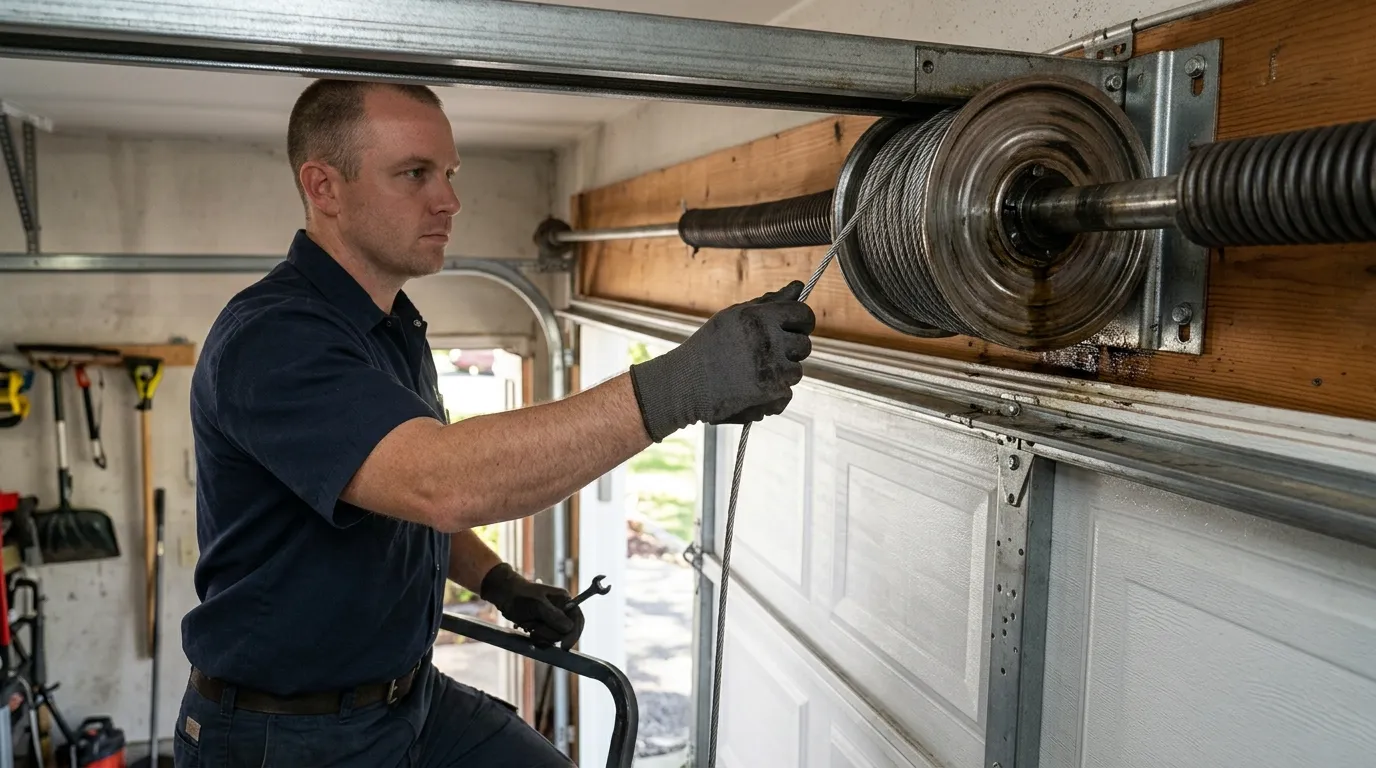
Because the typical Seagoville garage went in around 2001, the failure we see most is the original torsion spring finally giving out - most springs are rated for a set number of open-close cycles, and a door opened twice a day for two decades runs through that number. The opener attached to it is usually the original chain-drive unit too, and by this point the drive gear inside has often worn down enough that the opener runs but the door barely moves, or moves and then reverses.
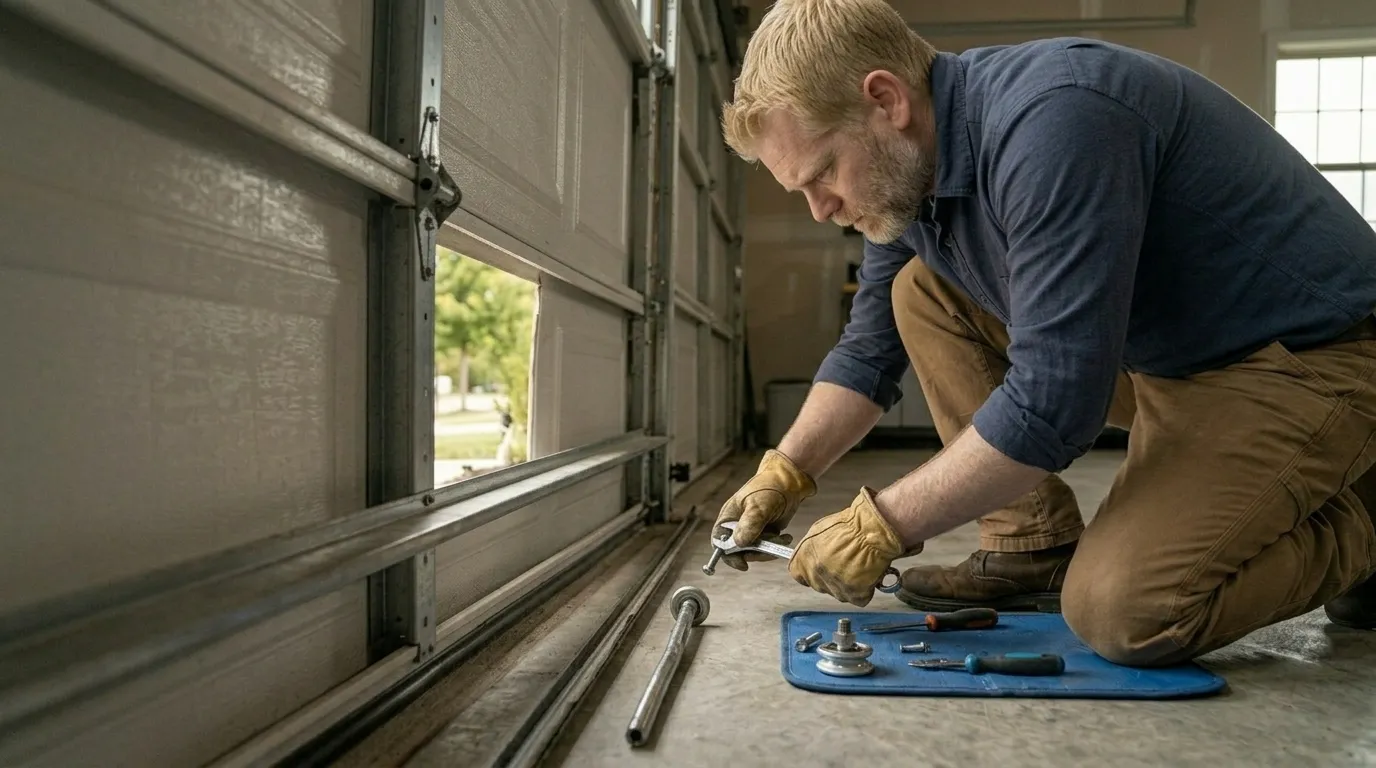
Because this is production-builder stock and not a mix of eras, the parts fit is predictable - we're not guessing at spring wire diameter or drum size across a dozen house vintages the way we might in an older, patchwork neighborhood. That keeps a straightforward spring or opener swap a straightforward swap, not an afternoon of measuring and re-measuring.