This Area's Housing
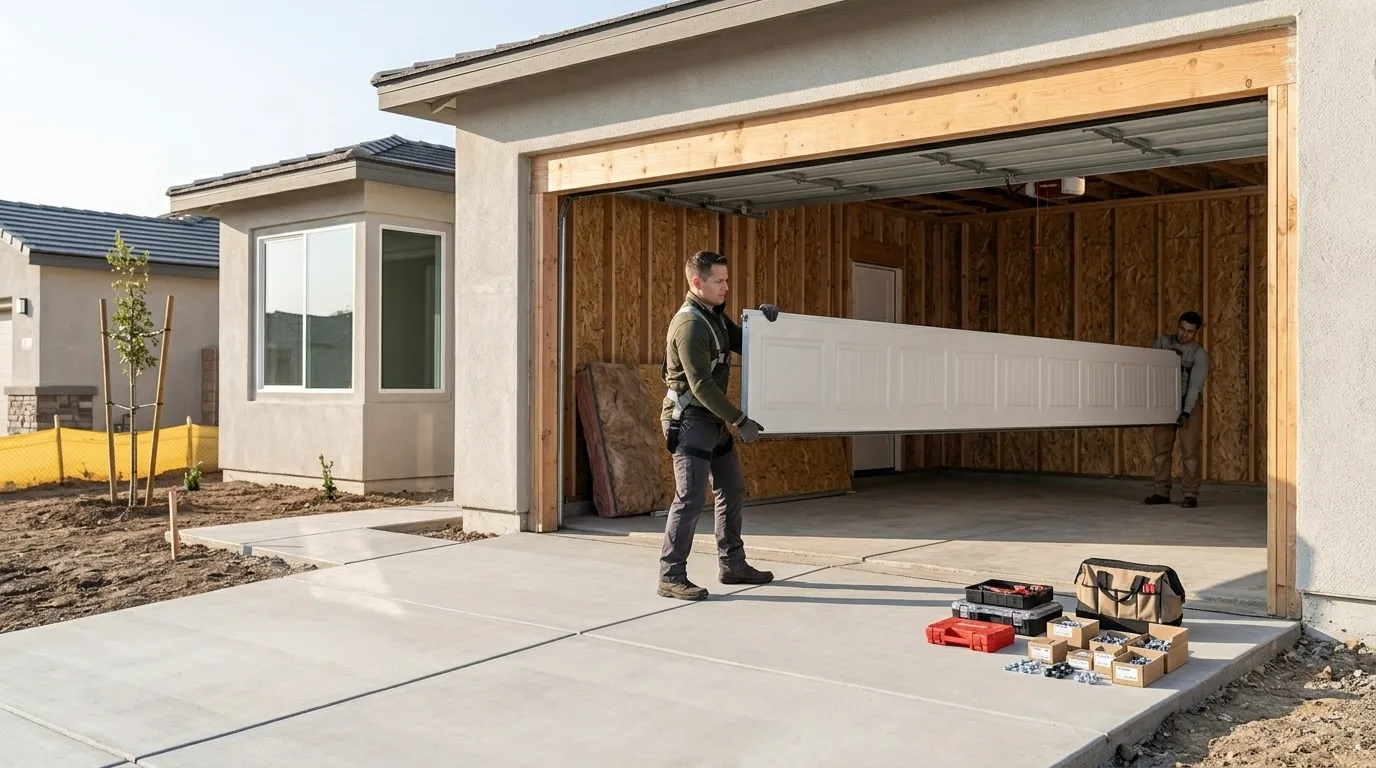
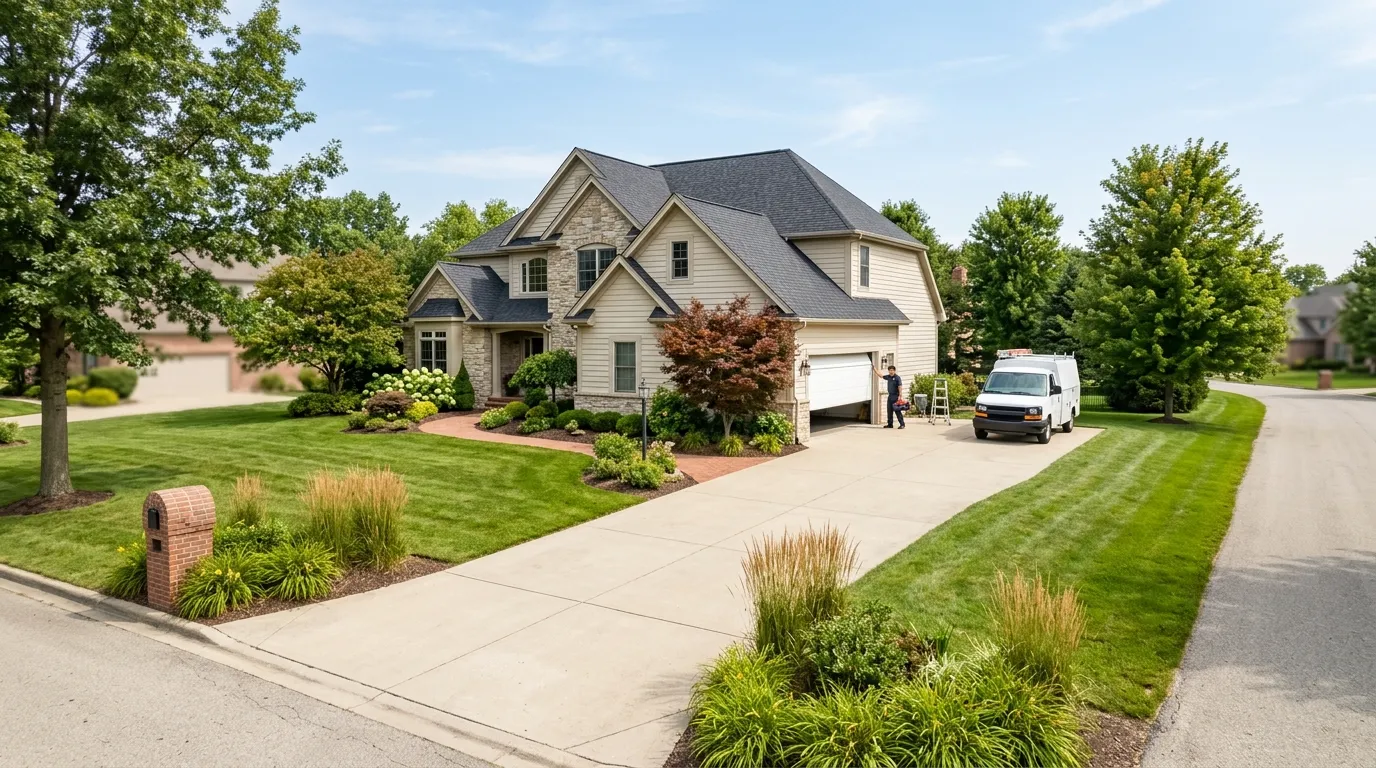
Parker sits about 11 miles from our shop in Garland, and it's one of the newer-built pockets in the wider service area. The median year built here is 2005 - noticeably newer than the 1973-2013 range and 2002 median across the broader area we cover, and in line with the mostly-2000s stock found across the 19 communities we service.
With roughly 1,553 households and a median income of $216,179, this is also one of the higher-income areas on our route. That combination - newer construction, higher household income - tends to show up directly in the garage: larger openings, heavier insulated doors, and openers that were mid-tier or better when installed rather than the cheapest builder-grade unit available at the time.
We don't have block-level data on any one street in Parker, so we're not going to pretend to know your subdivision by name. What we do know is the build era, and that tells us a lot about what's likely failing before we ever pull into the driveway.
What the Housing Means for Your Door
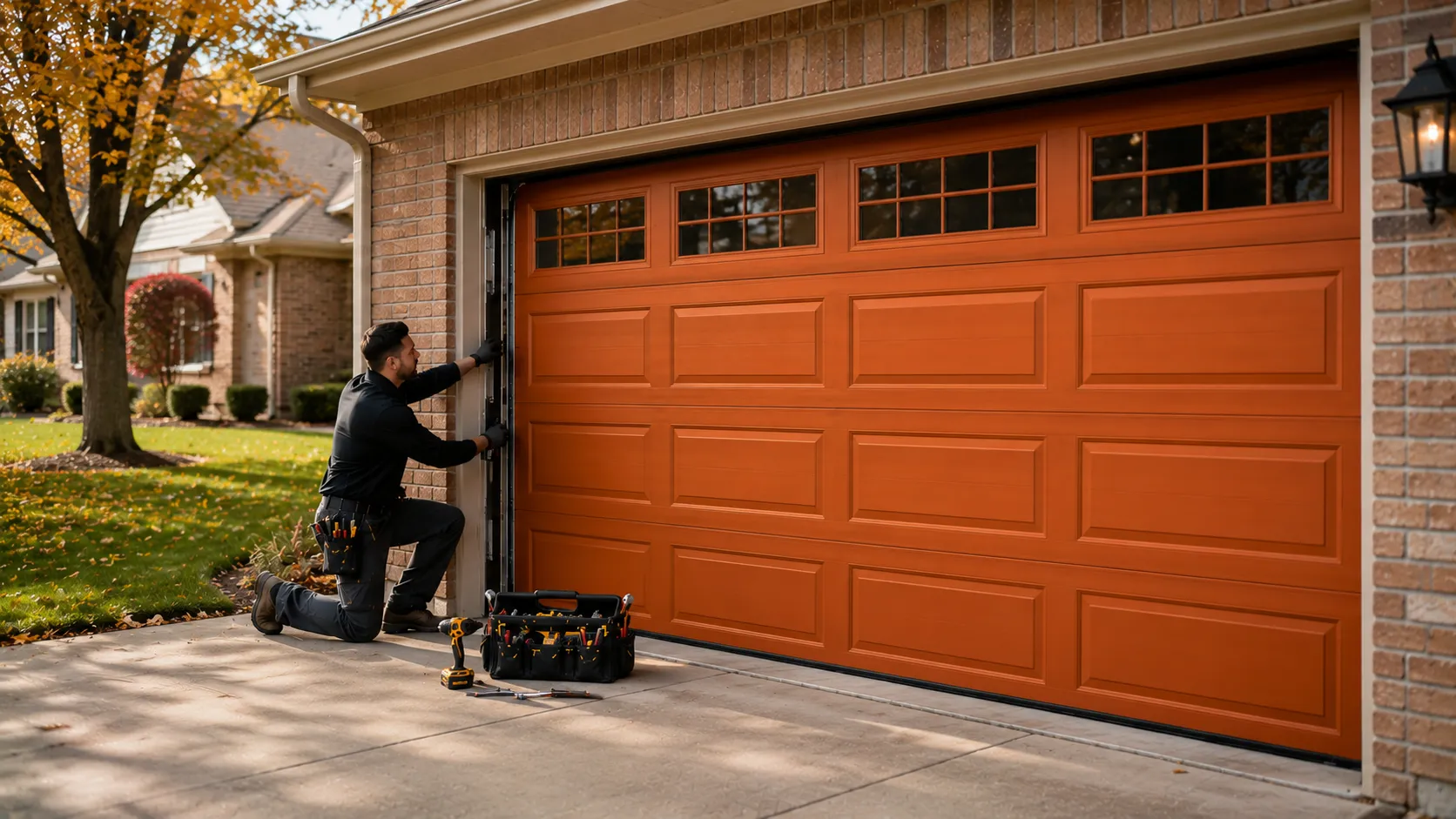
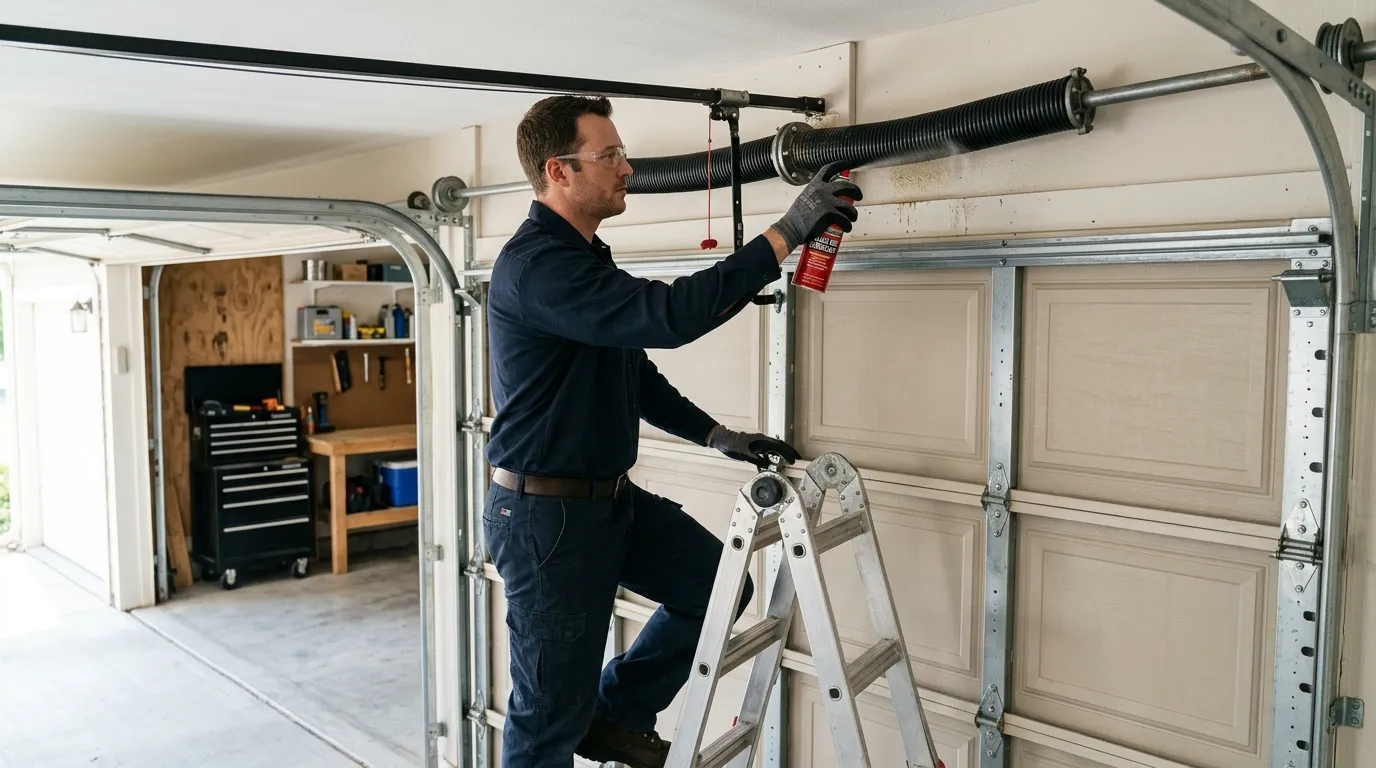
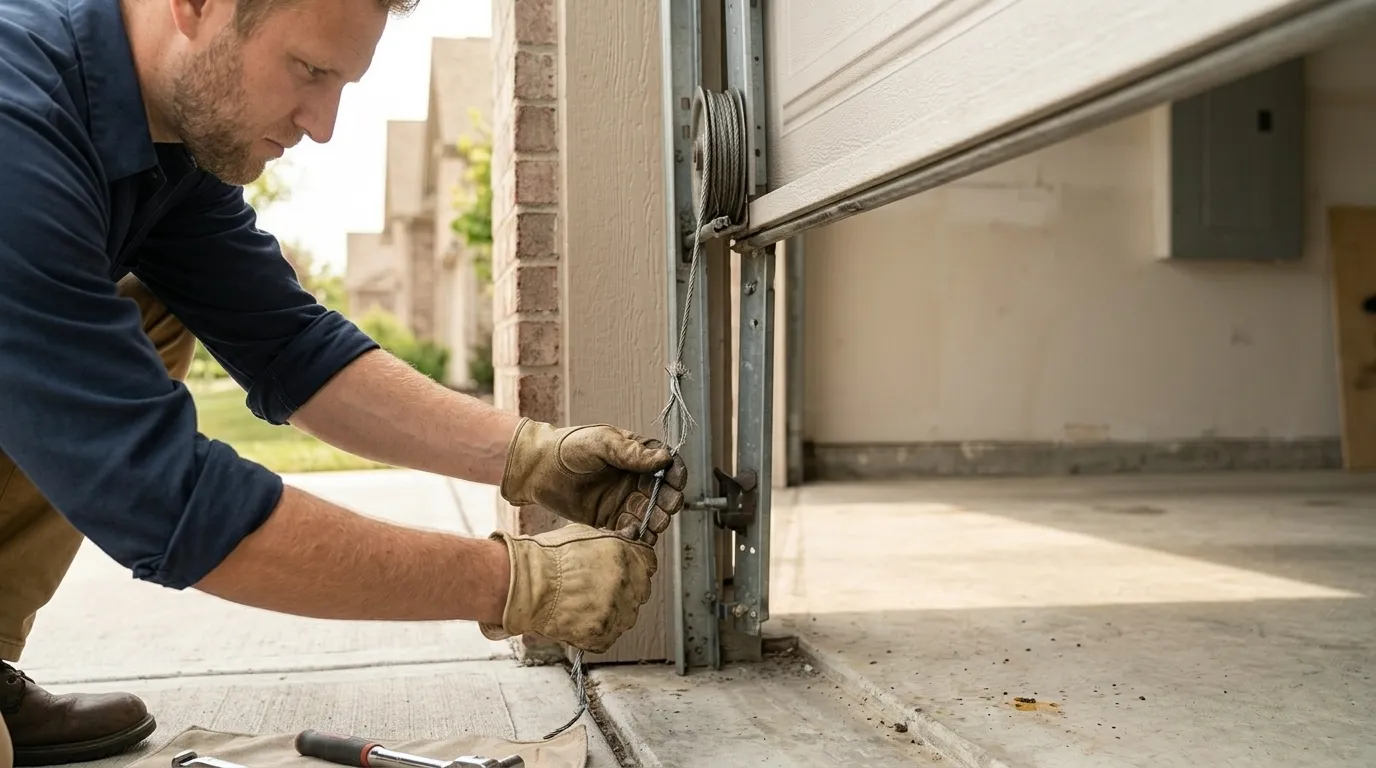
A door installed around 2005 is old enough now that original parts are aging out on their own schedule, not from neglect. Torsion springs rated for that era typically run 7-10 years under normal cycling - a 2005 door on its original spring has likely been replaced once already, or is due. If it hasn't been touched since installation, that's the first thing we check.
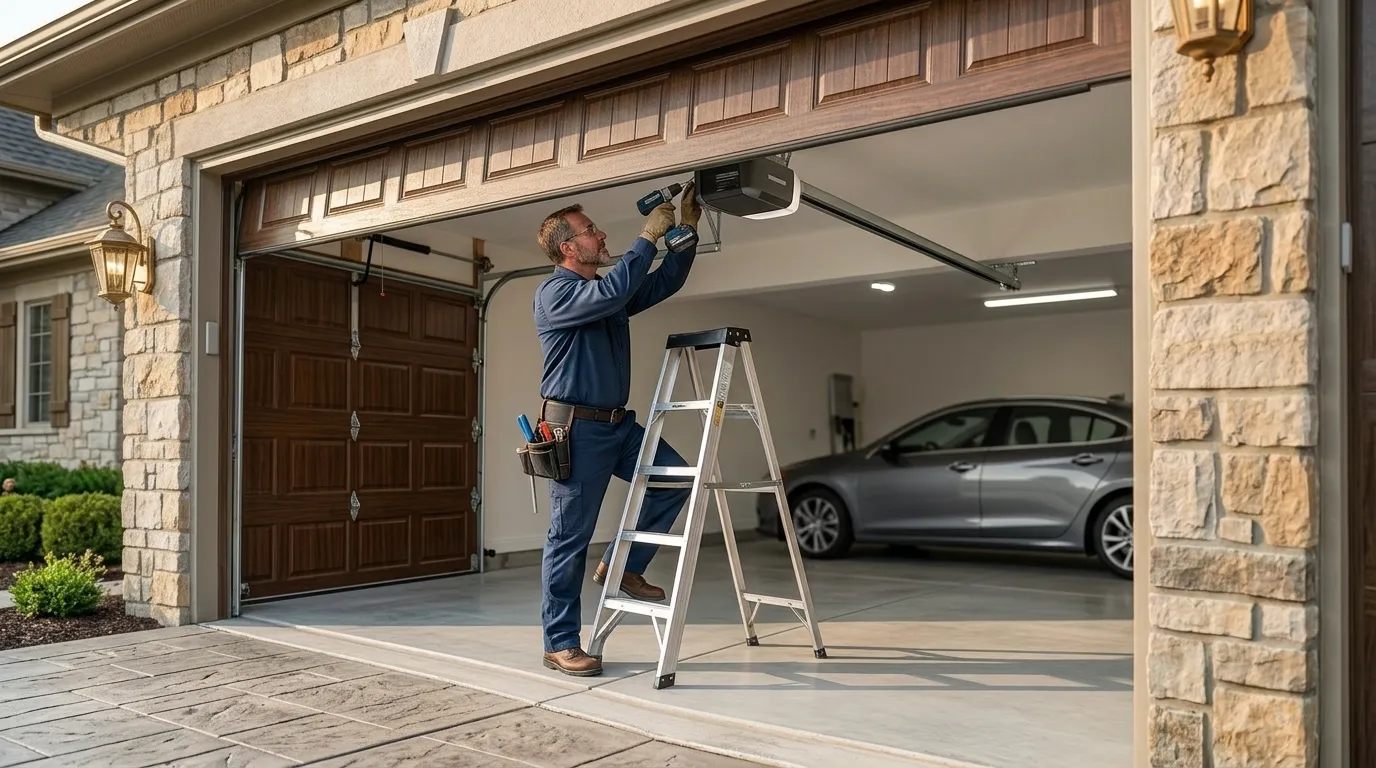
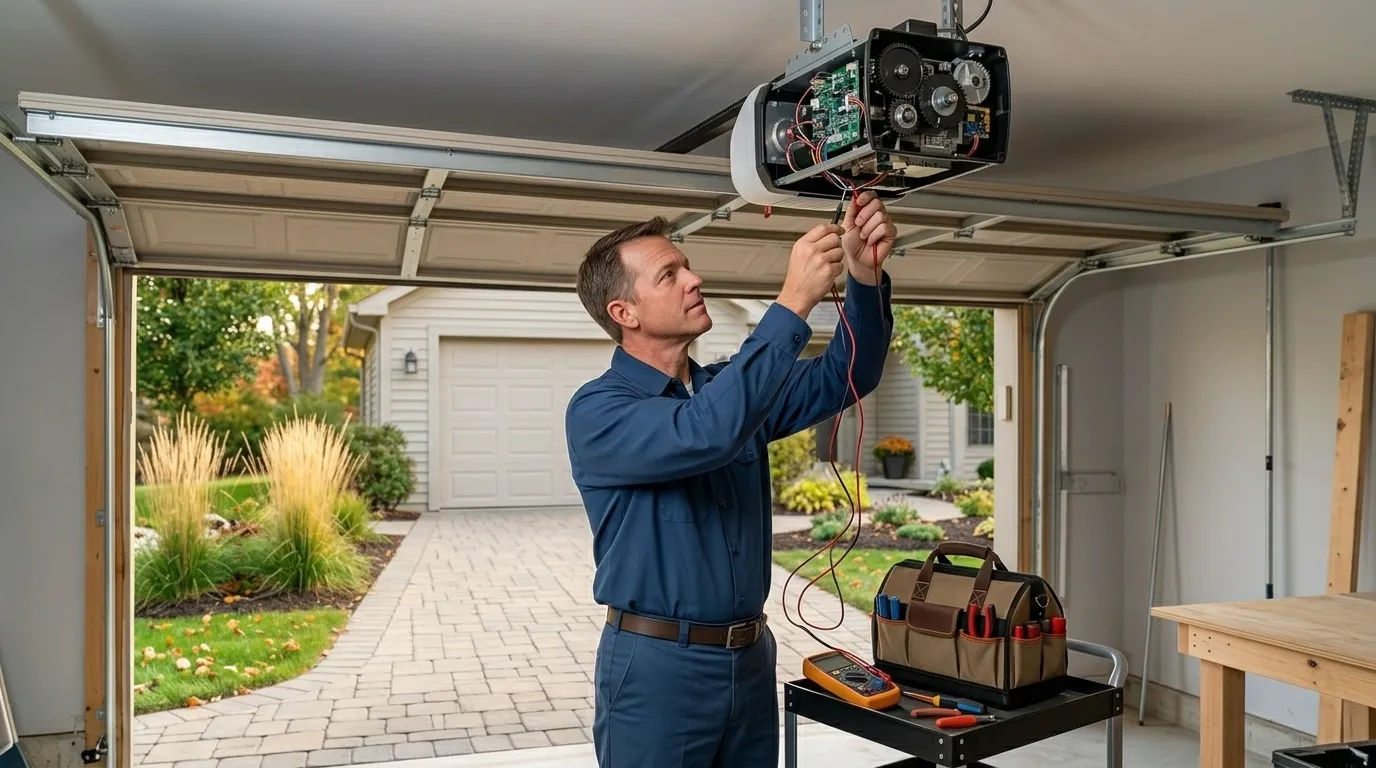
Openers from that period are also hitting the end of their practical life. Circuit boards and drive gears from the early-to-mid 2000s don't last forever, and a chain or belt drive from that generation is a common source of the grinding or slipping noise homeowners here describe on the phone.
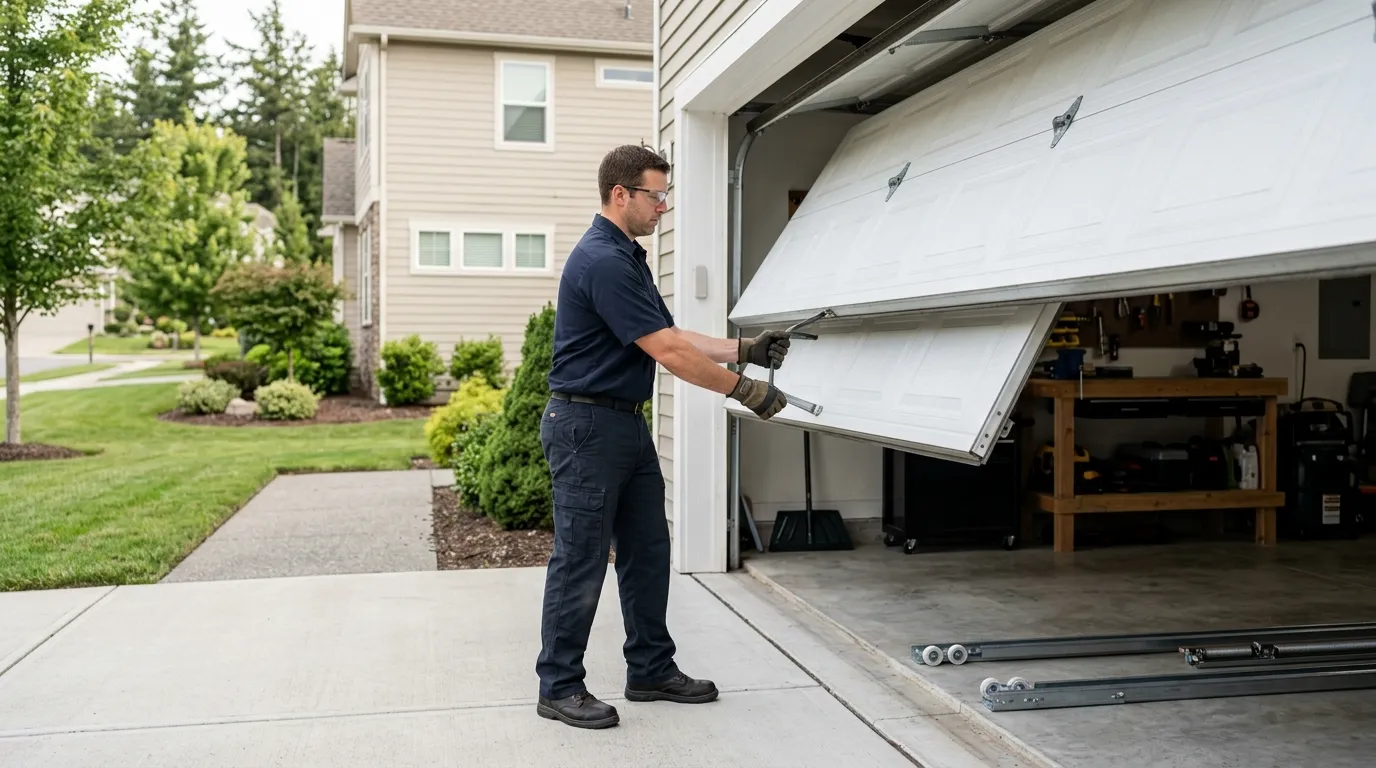
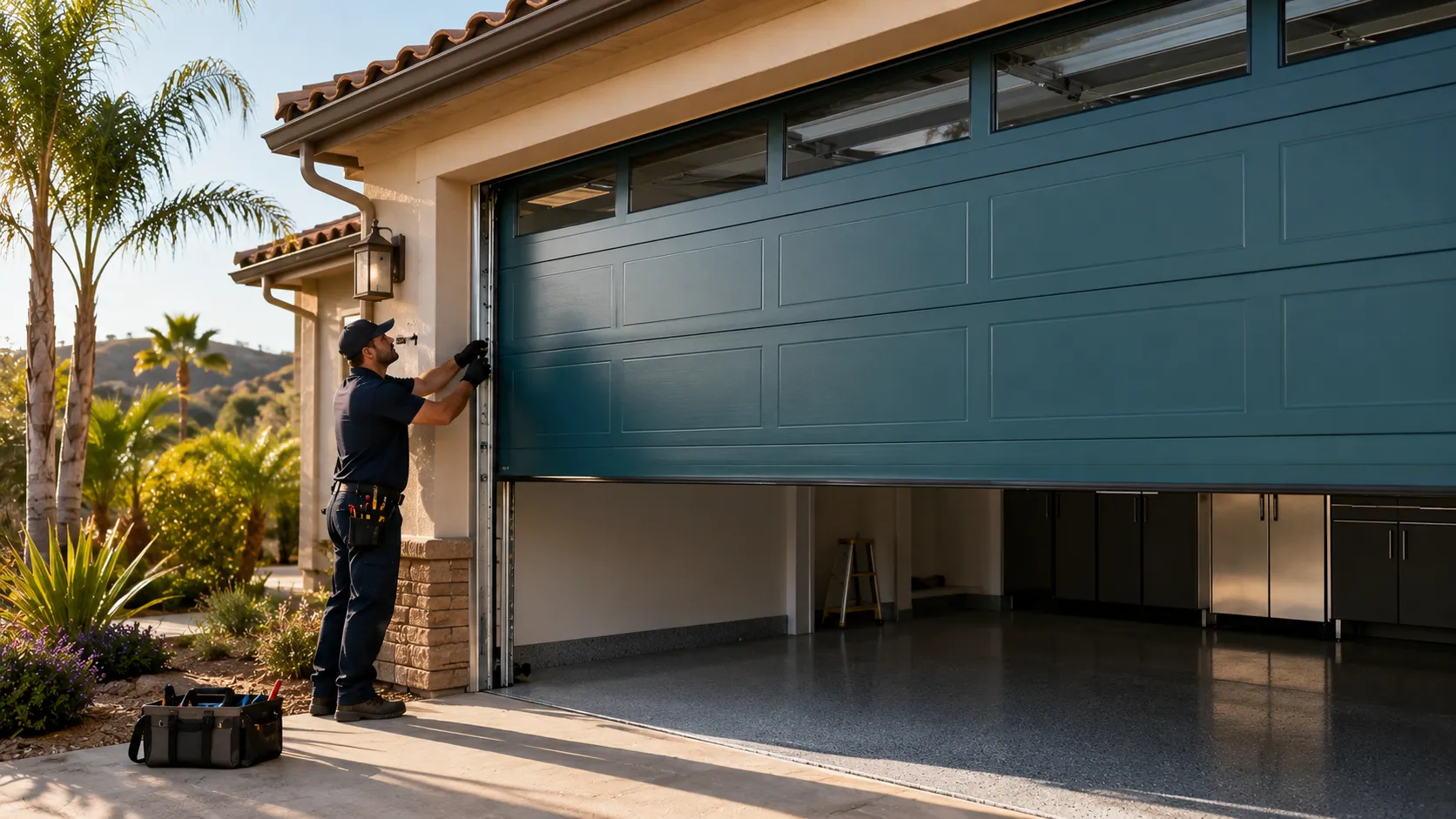
Because Parker's stock skews toward larger, insulated doors - consistent with the higher household income in this area - the springs doing the lifting are often heavier-duty than what you'd find on a smaller, older door elsewhere. Guessing at spring weight on these doors is how you end up with a door that slams down instead of lowering evenly. We measure and match rather than assume.