
Why This Fails Locally
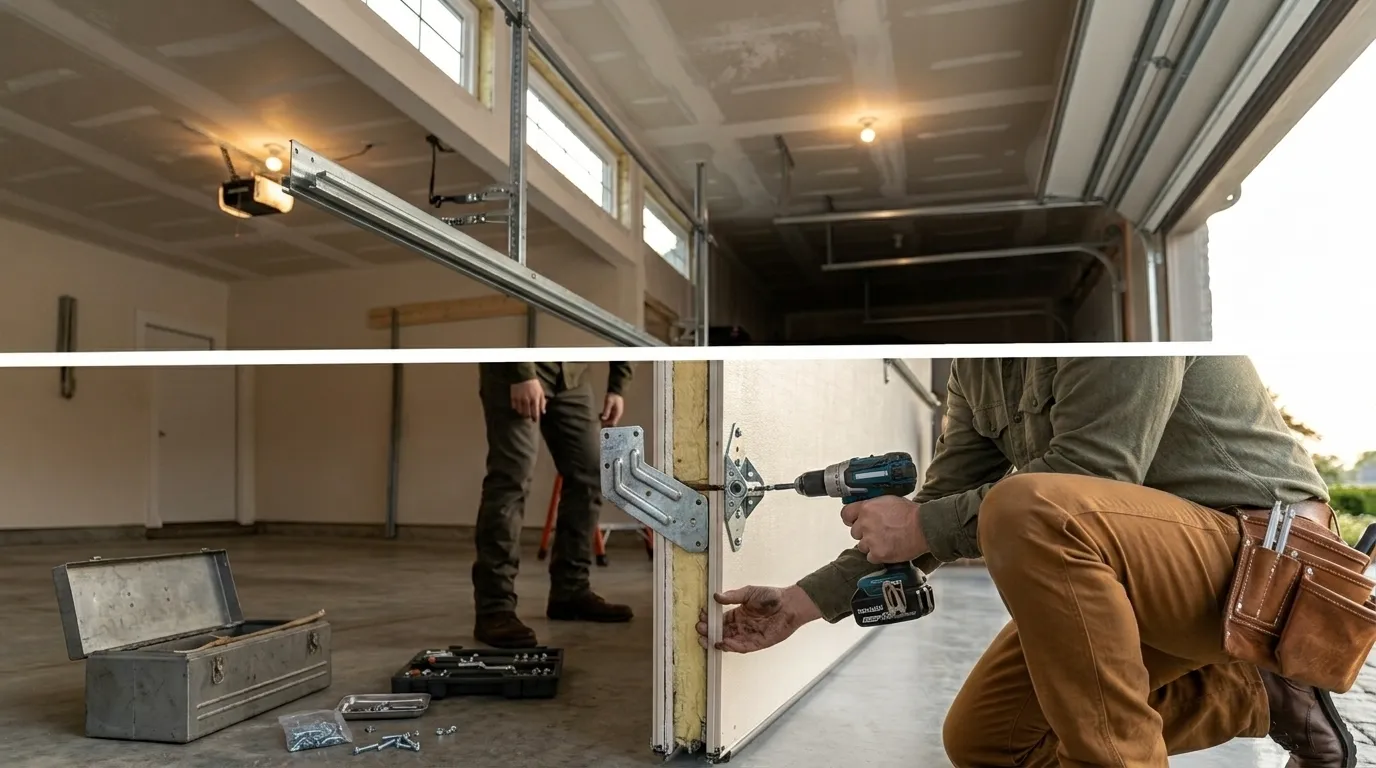
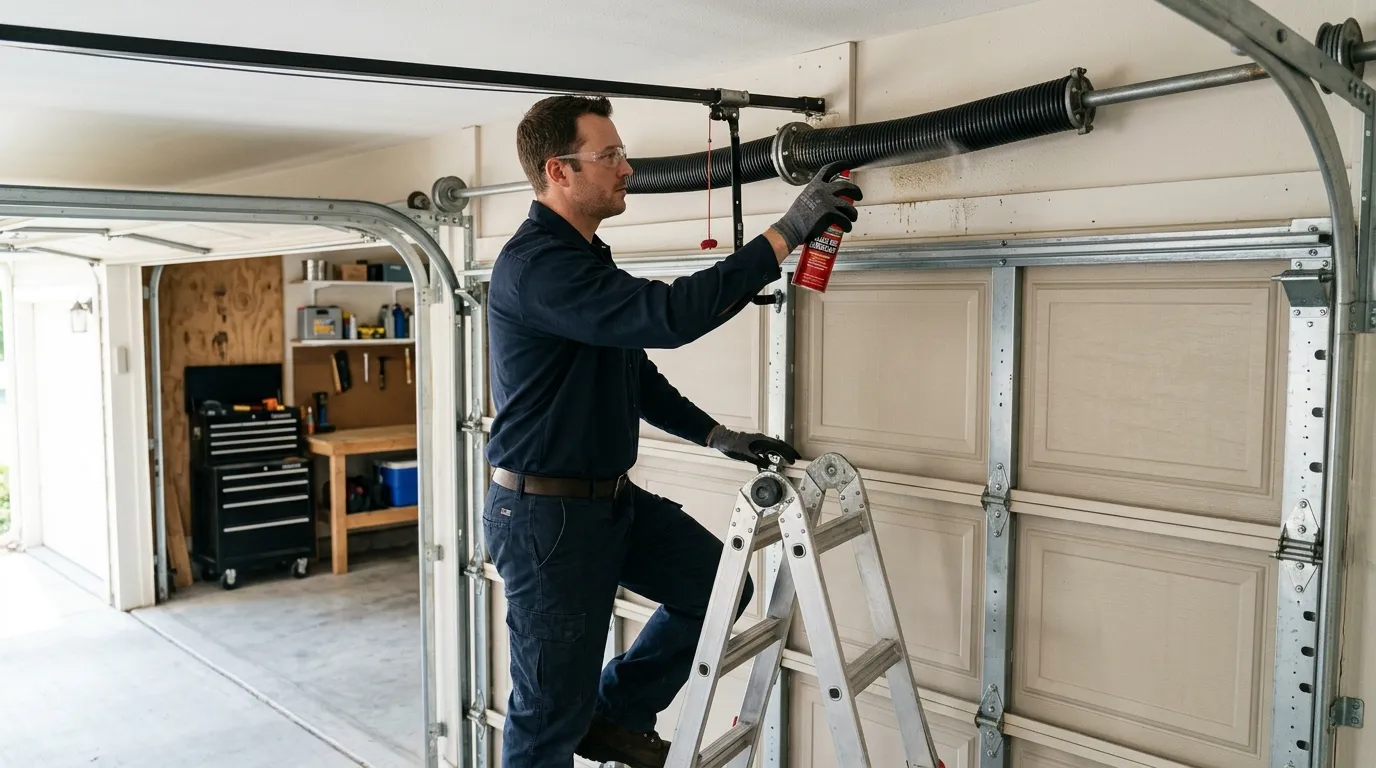
A door built around 1987 has had roughly 35+ years of cycles on its original torsion spring, and that spring was sized for a door that's lighter than most of the insulated steel replacements homeowners put in later. Swap the door skin without resizing the spring and you get a door that either won't stay open on its own or slams down hard when the cable lets go - both are spring problems wearing a different name.
The other pattern from this build era: galvanized torsion springs with a factory coating that's long since worn thin from friction at the cone. Once that coating's gone, the wire rusts from the inside of the coil out, and it breaks with no warning - usually on the coldest morning of the year or the hottest afternoon, when the metal's under the most stress.
This area sits in a moderate-heat climate band, which doesn't stress springs the way freeze-thaw regions do, but it does mean UV and heat cycling on the spring's paint and coating over three-plus decades, which is a slower version of the same failure.
What Can Go Wrong
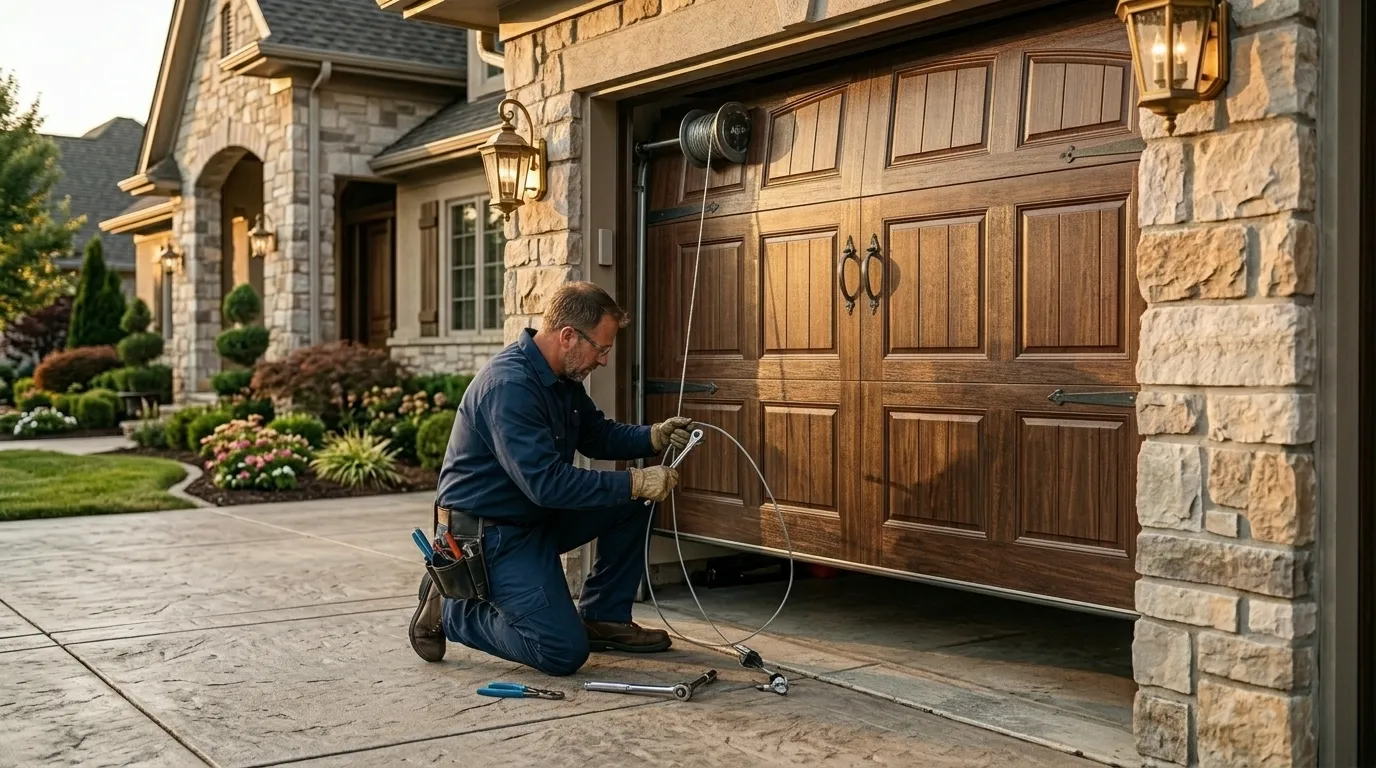
The most common call from this stretch is a broken torsion spring on a double door - the door won't budge, or the opener strains and reverses itself trying to lift a suddenly-heavier panel. Second most common: a spring that hasn't broken yet but has stretched or lost tension unevenly, so the door creeps up crooked or drops fast on one side. That's not a cosmetic issue - it puts uneven load on the cables and the opener's gears.
We also see cable fray on these older systems, since the cable and the spring share load and age together. If a spring's original to a 1987 build and nobody's touched it, the odds are decent the cables next to it are original too.
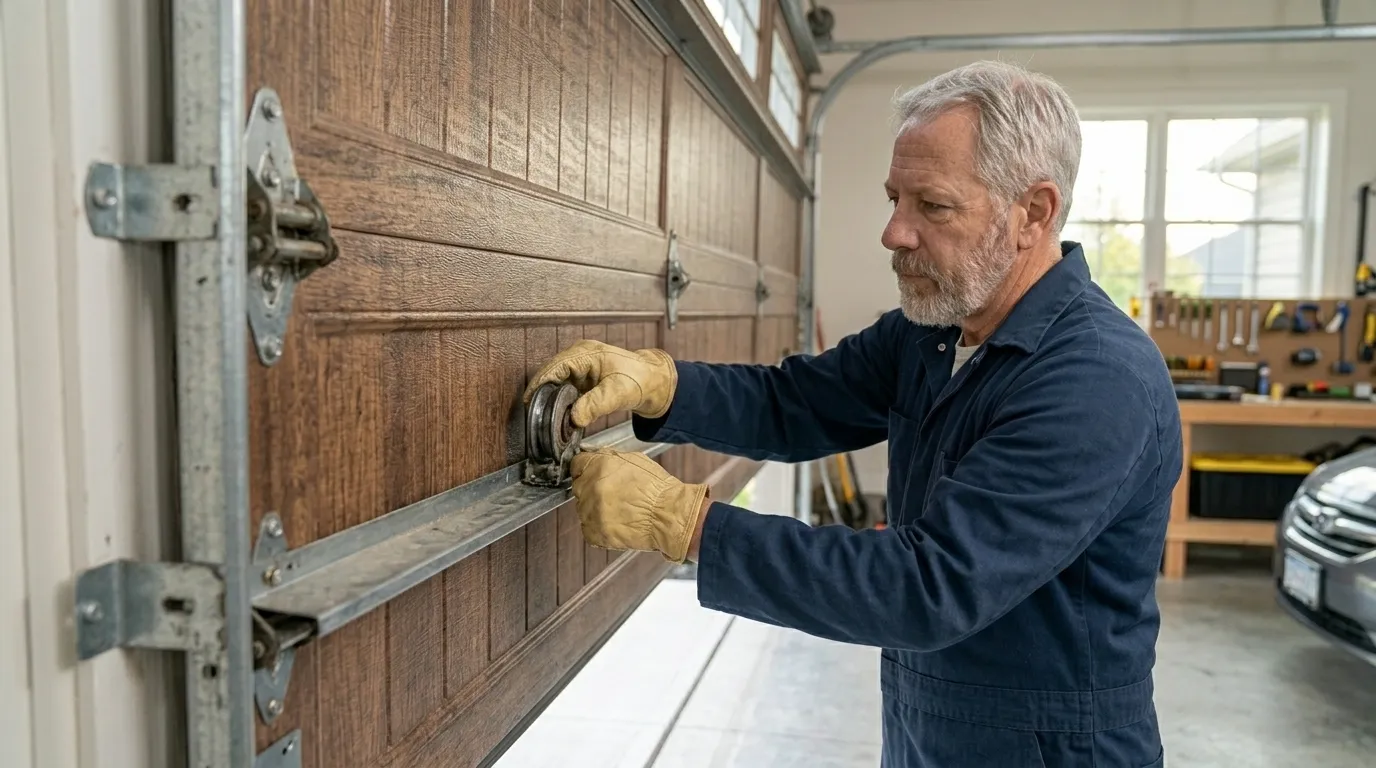
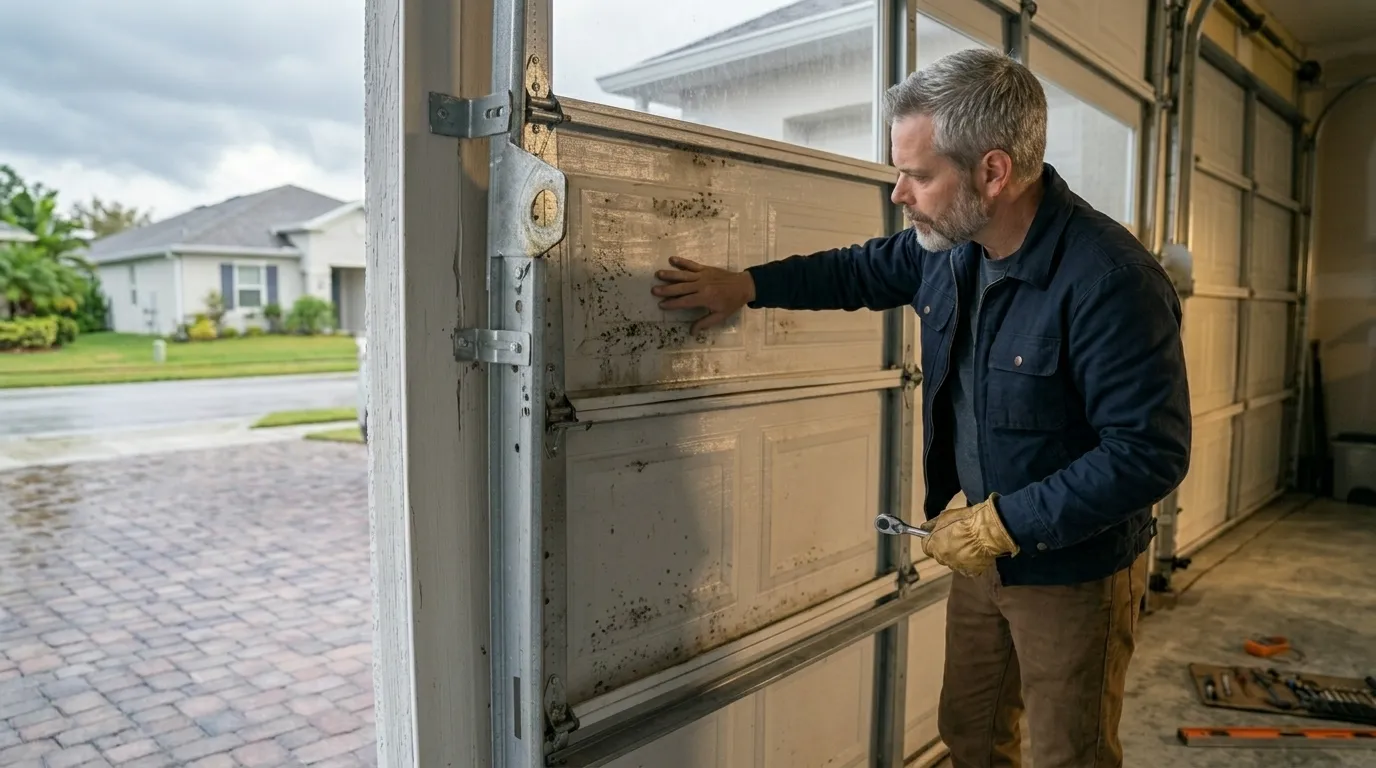
One thing we won't do: sell a spring-only fix on a door where the drums, bearings, or track are also shot from the same three decades of use. Replacing a spring on hardware that's failing elsewhere just moves the next call closer. If the whole assembly's tired, we'll say so instead of doing a repair that doesn't hold.