Why This Fails Locally
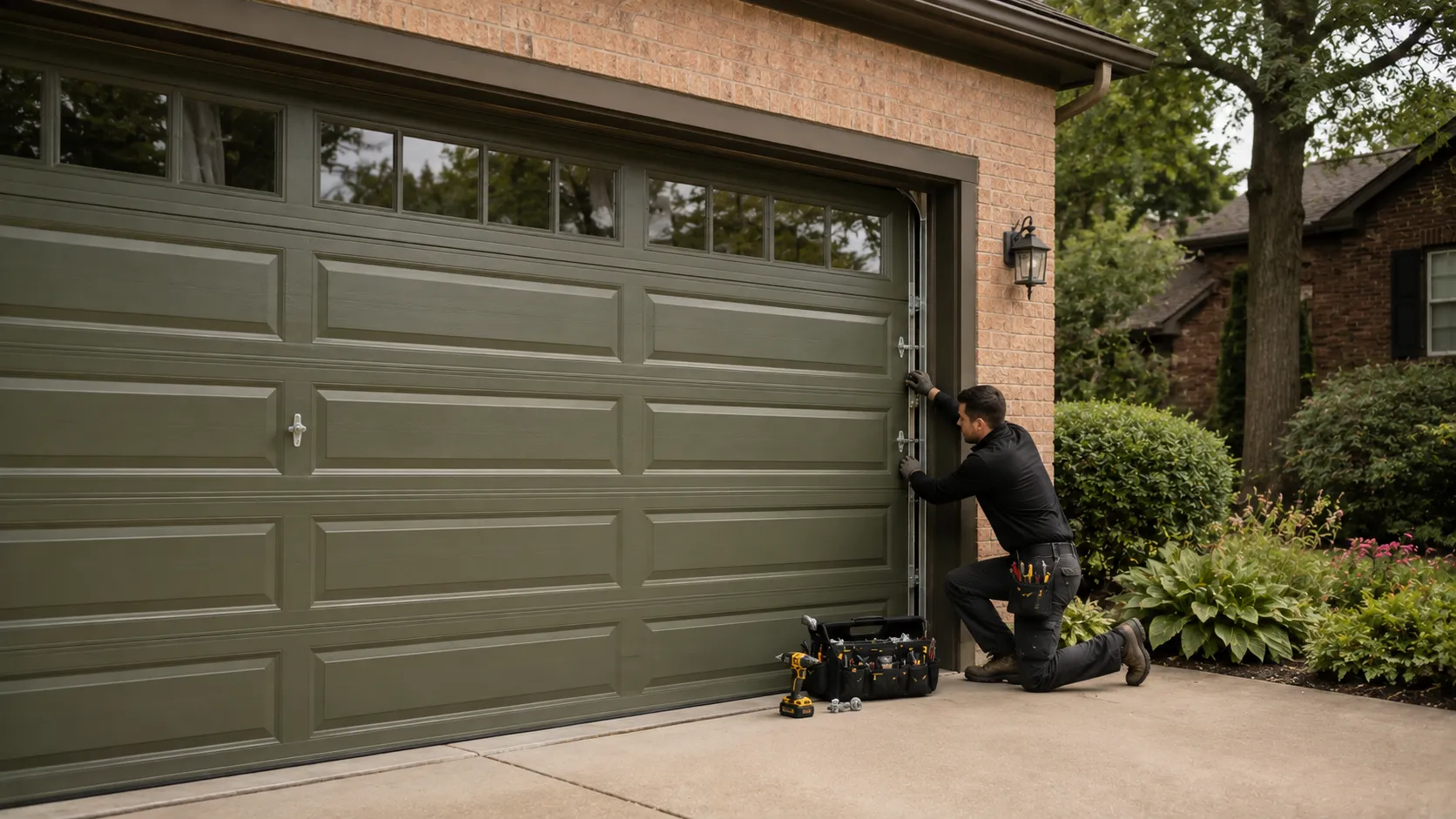
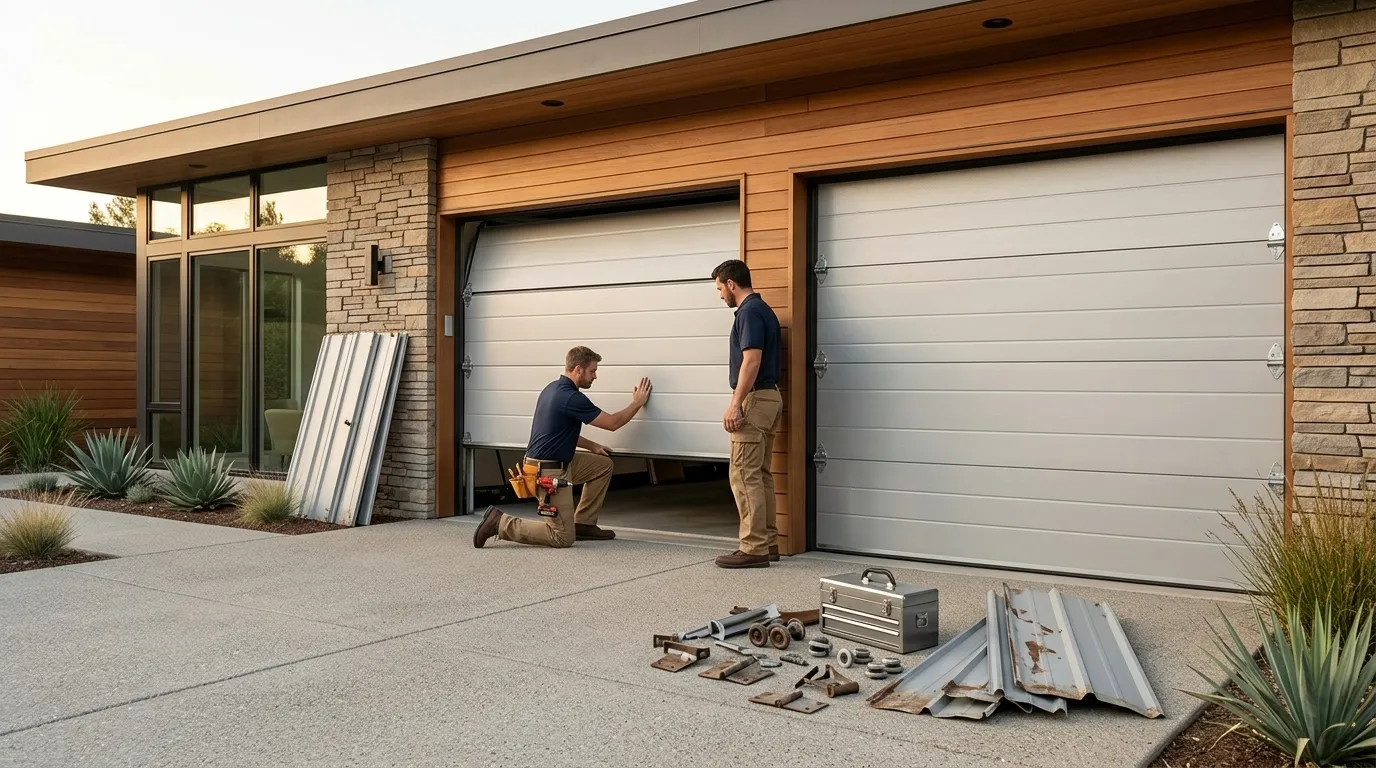
The median year built here is 1987, which puts a lot of these garage doors well past the point where the original manufacturer still stocks matching sections. A door that age was likely installed with panel profiles and hinge spacing that got phased out in the 1990s and 2000s redesigns. When one section on a double door corrodes at the bottom or takes a hit from a mower or a trailer hitch, replacing just that section means matching a groove pattern and color that isn't on current price lists. That's the actual failure mode we see out here - not a broken opener, a panel that no longer has a twin. Homeowners with $250,001 median income in this area often opt to replace the full door rather than chase a mismatched panel, and honestly that's usually the right call once you add up sourcing time against a new door's cost.
What Can Go Wrong
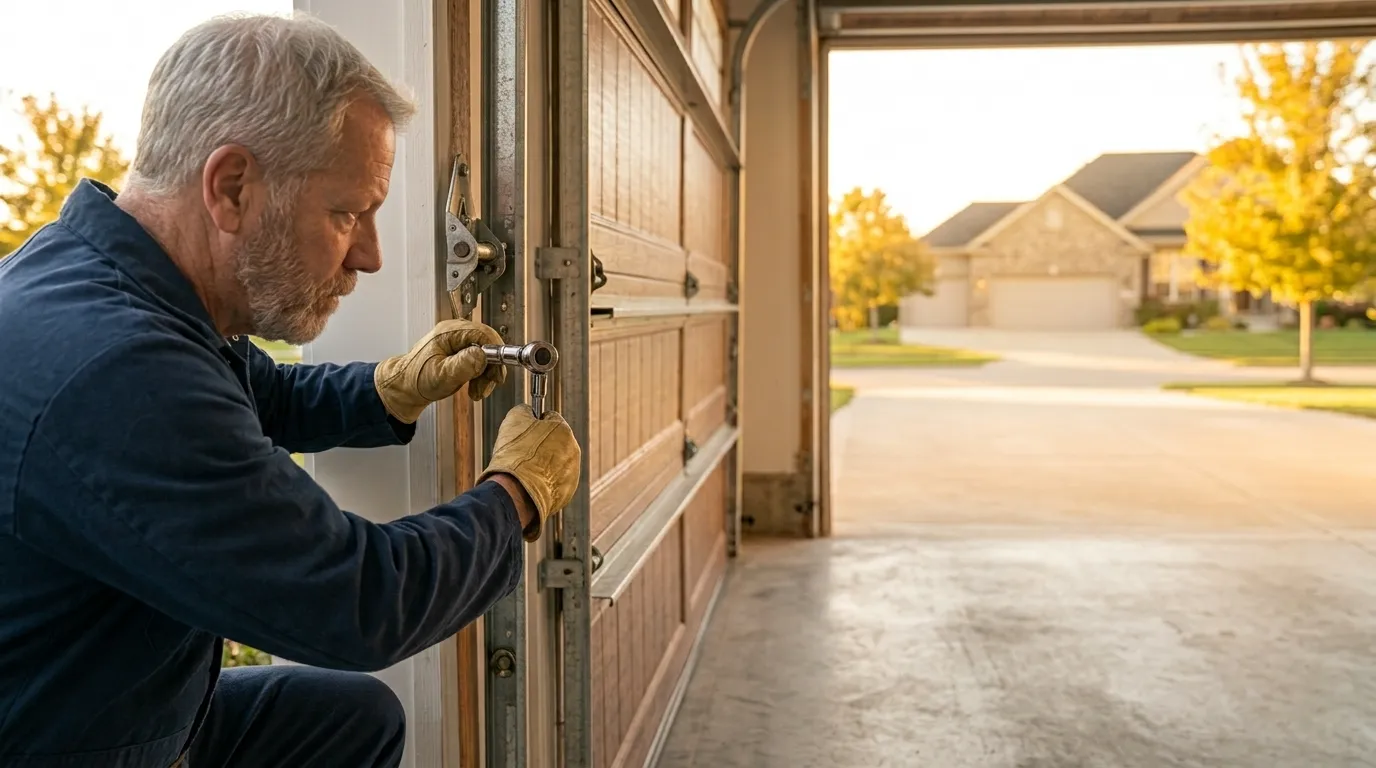
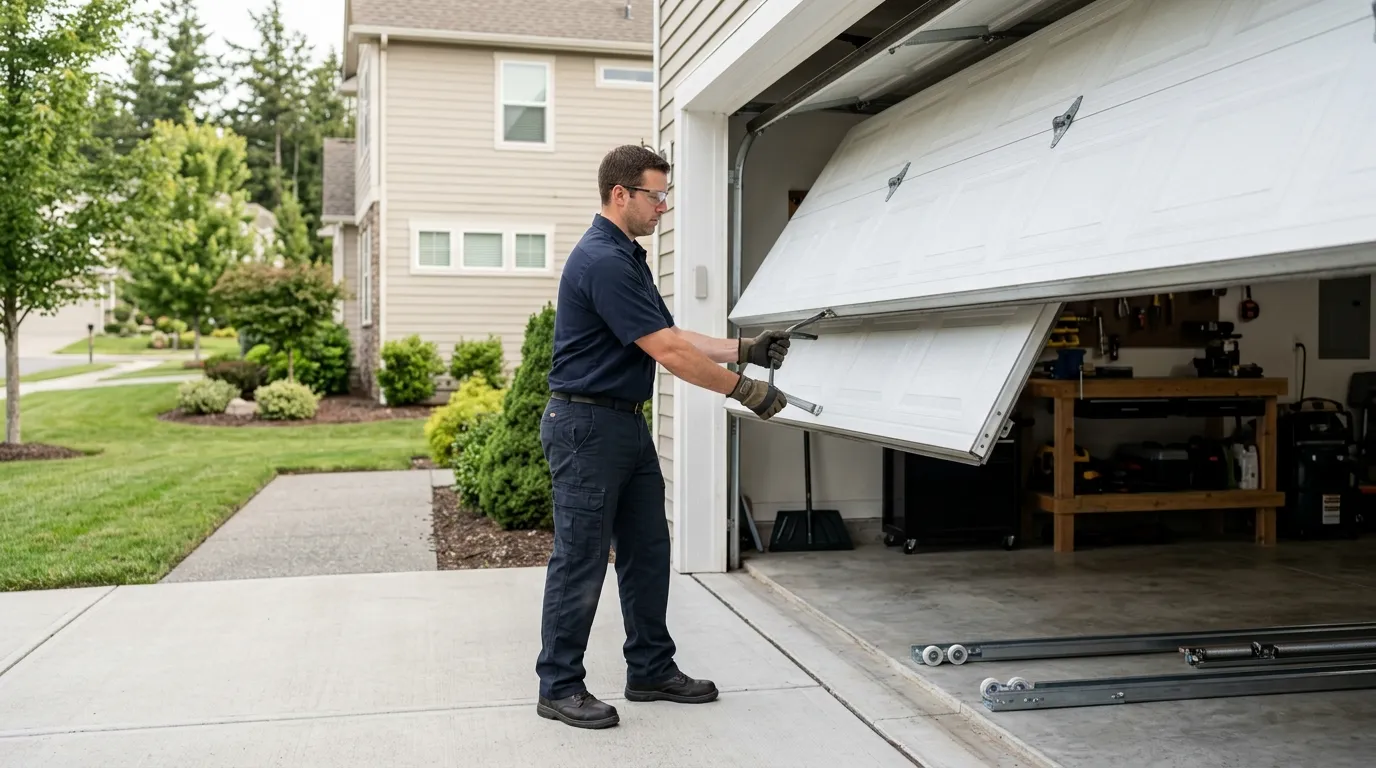
On a door from the late 1980s, the bottom panel takes the brunt of it - road salt isn't the issue here, but sprinkler overspray and lawn equipment are, and rust creeps in at the seams before it shows on the face. Pull one bad panel and you often find the hinges connecting it to the next section are worn oval instead of round, which means the new panel won't sit flush even if the color matches. We've also seen top sections cracked from a basketball hoop mount or a satellite bracket someone added decades back and never removed. The honest limitation: if more than two panels on the same door need replacing, we'll tell you straight that a full door replacement is usually cheaper and faster than chasing matched sections one at a time, especially on a door this old.