Why This Fails Locally
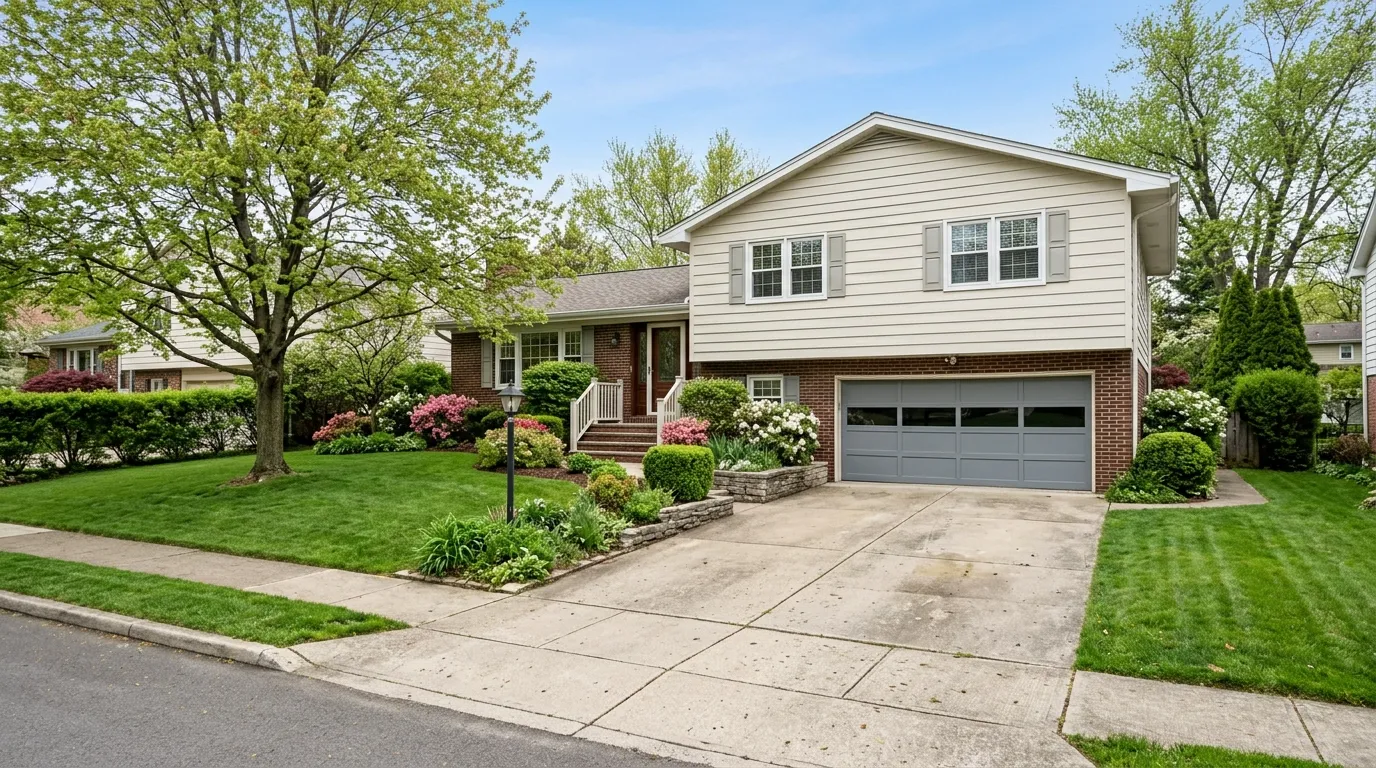
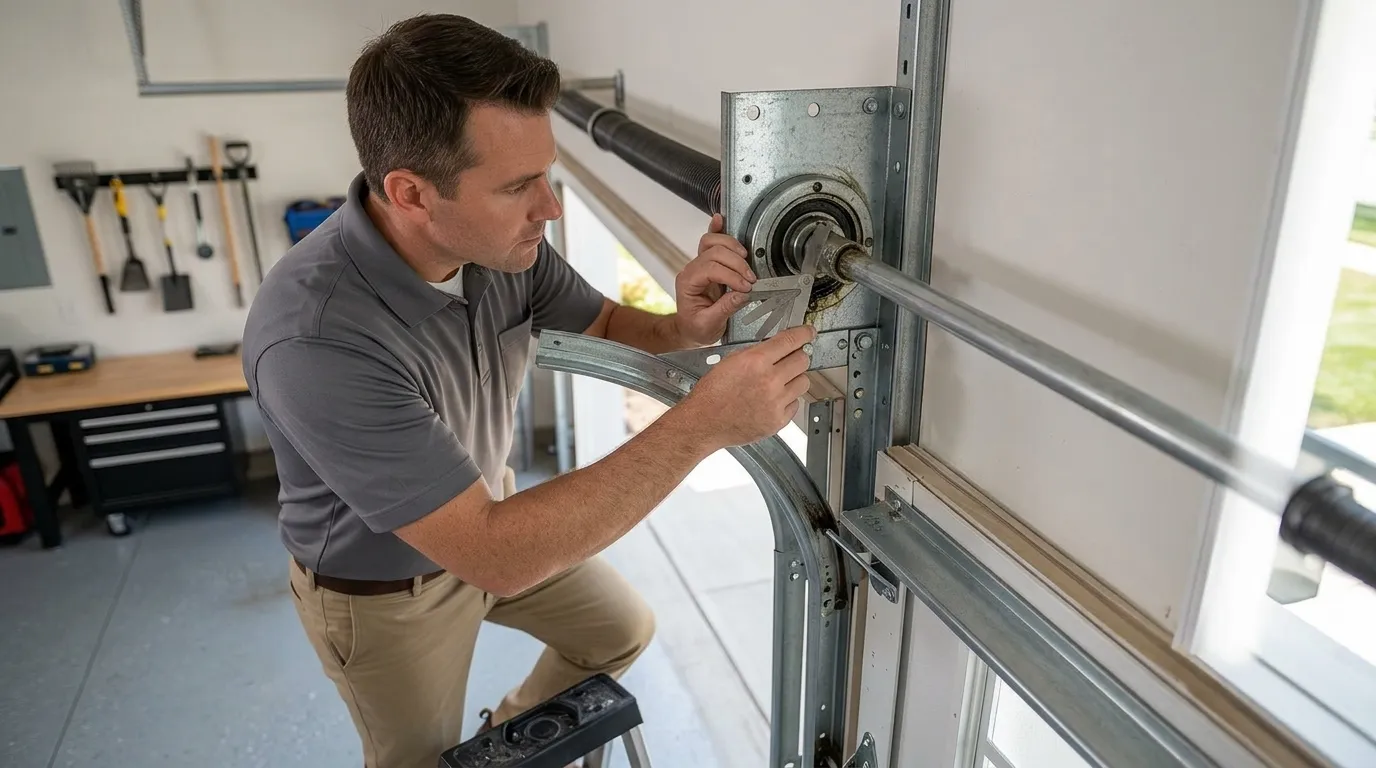
University Park's housing stock centers on 1987, which means most garages here still run the opener-and-spring setup that shipped standard that decade: single torsion springs or paired extension springs rated for a specific door weight, steel panels without the foam-core insulation later doors picked up. None of that is dangerous by itself, but it wears out at a predictable age, and a lot of these doors are now past it.
Median household income in University Park runs above $250,000, well over the $133,750 median across the broader Garland service area, and a fair number of these garages show it - a quieter opener swapped in, a keypad added, without anyone touching the spring or track underneath. That mismatch is its own failure mode: a new opener straining against an old, undersized spring shows up as grinding, slow travel, or an opener burning out early.
The other pattern here is quiet neglect at the low-use end - a garage that sees the car twice a day and nothing else, where a cable frays or a roller seizes gradually for years before it lets go all at once.
What Can Go Wrong
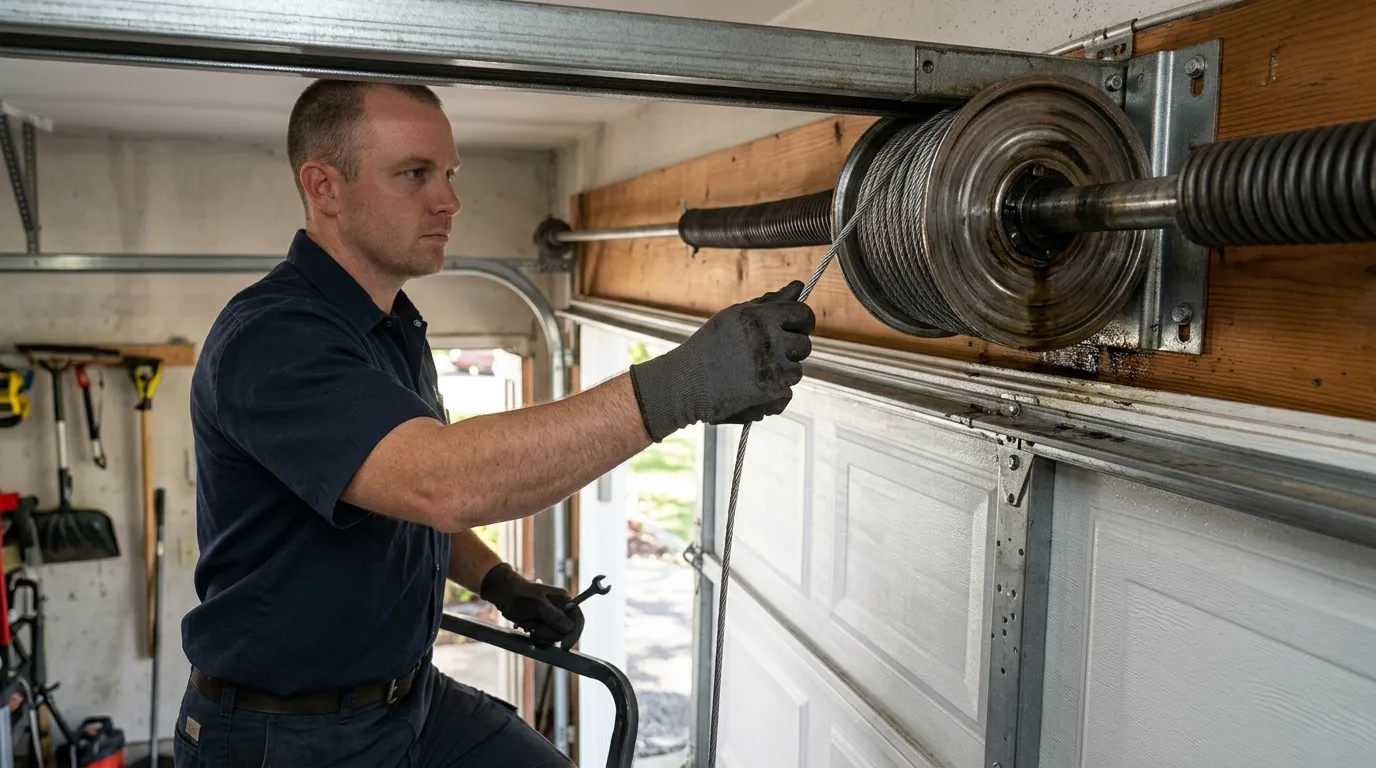
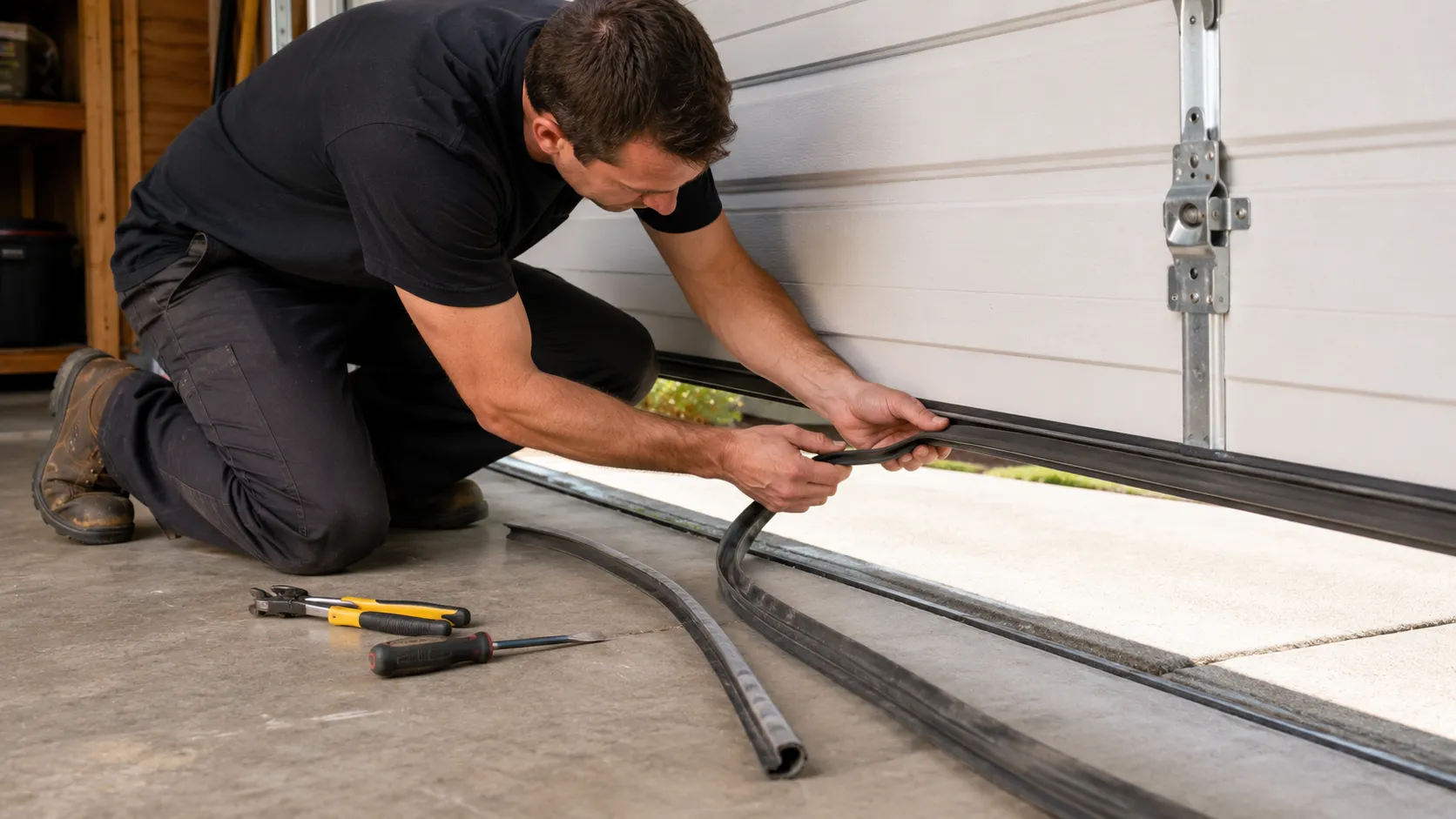
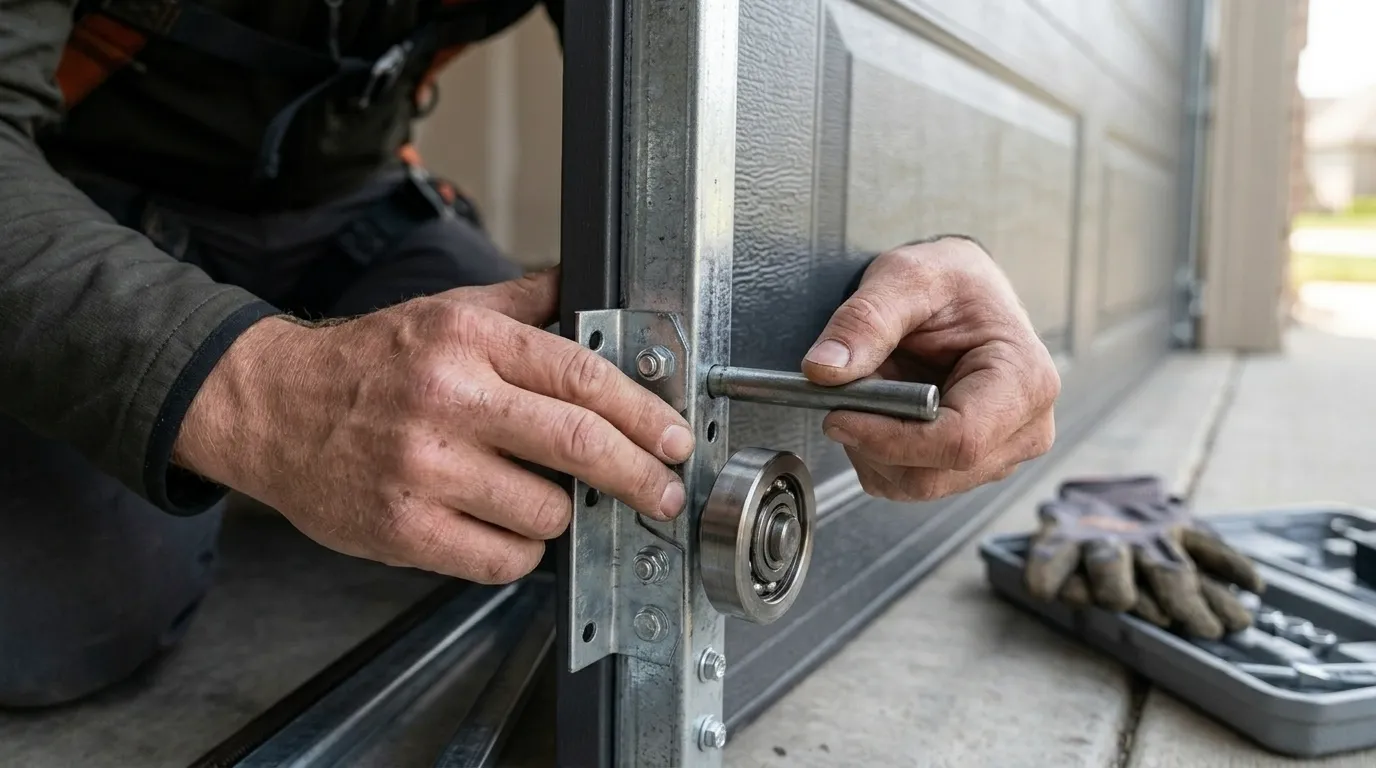
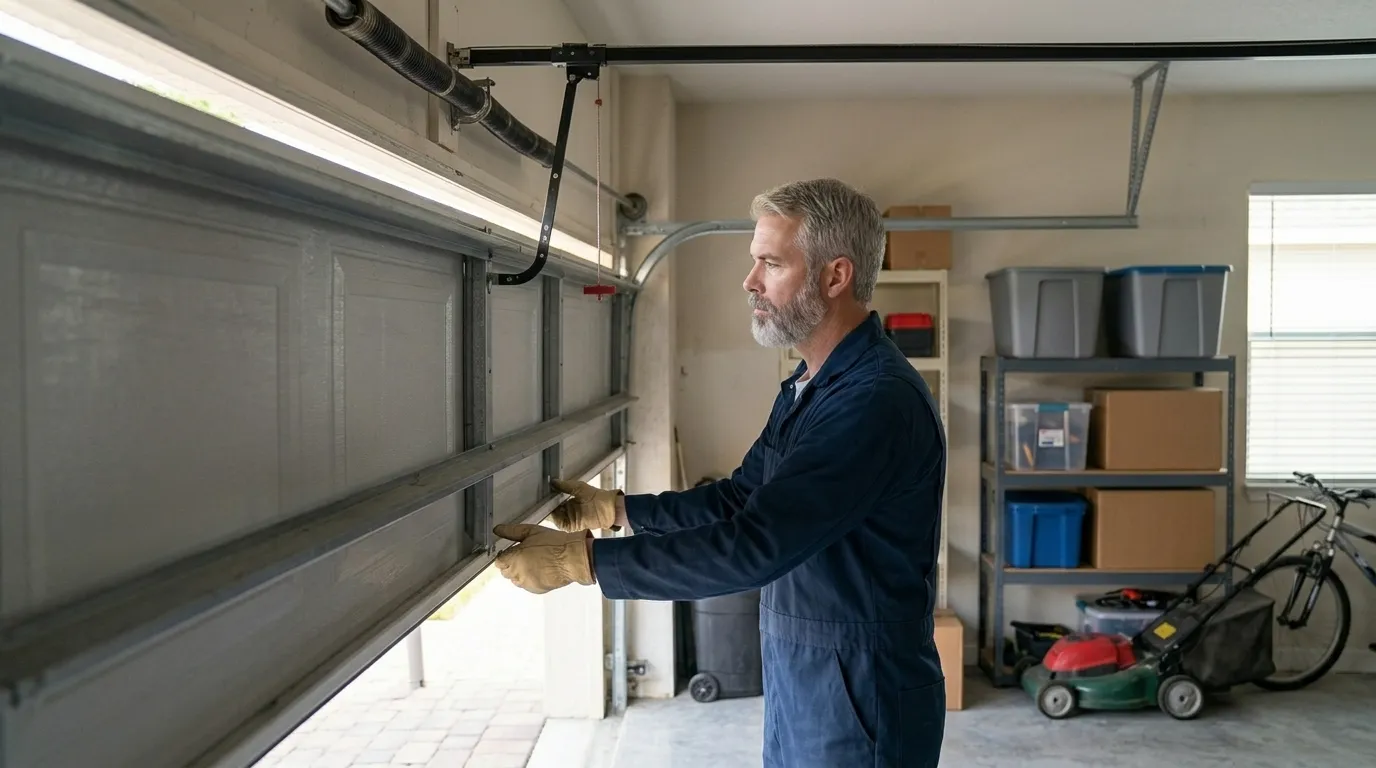
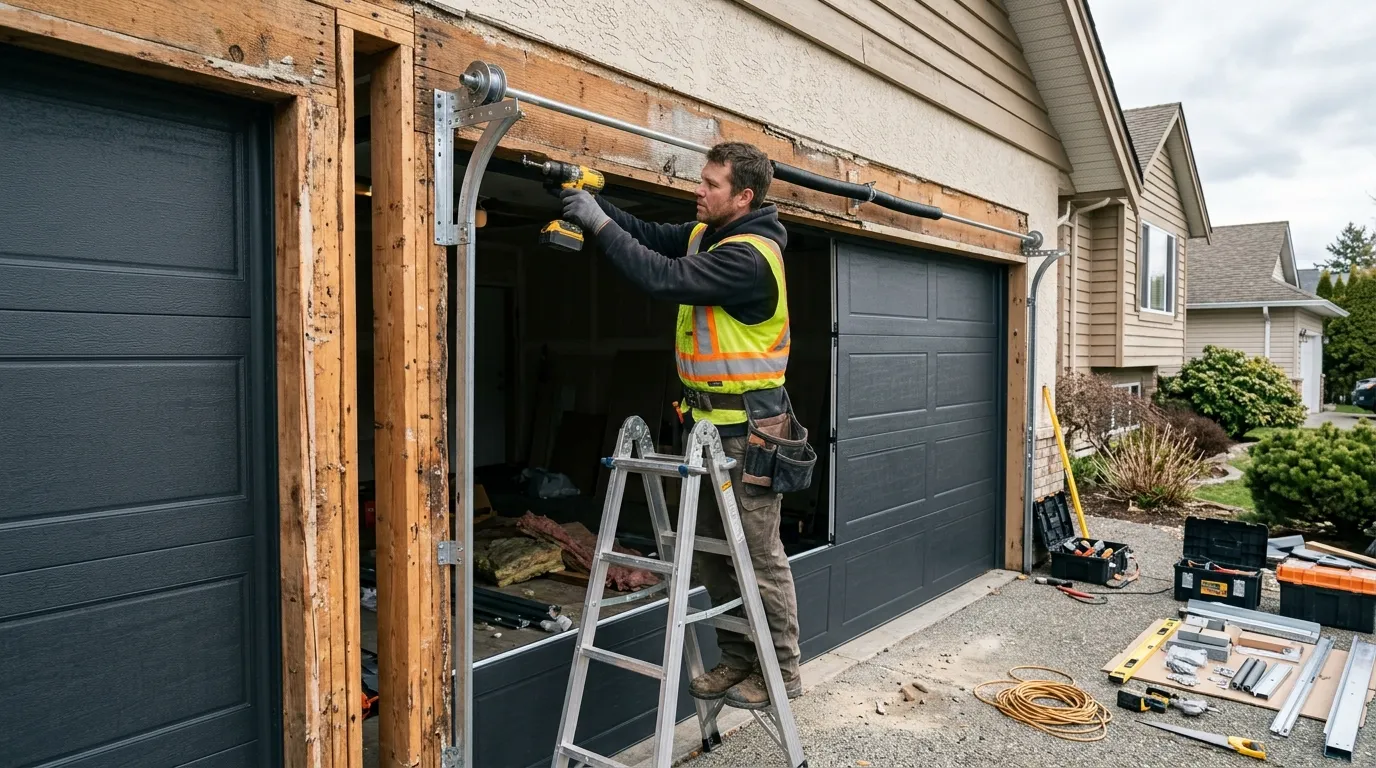
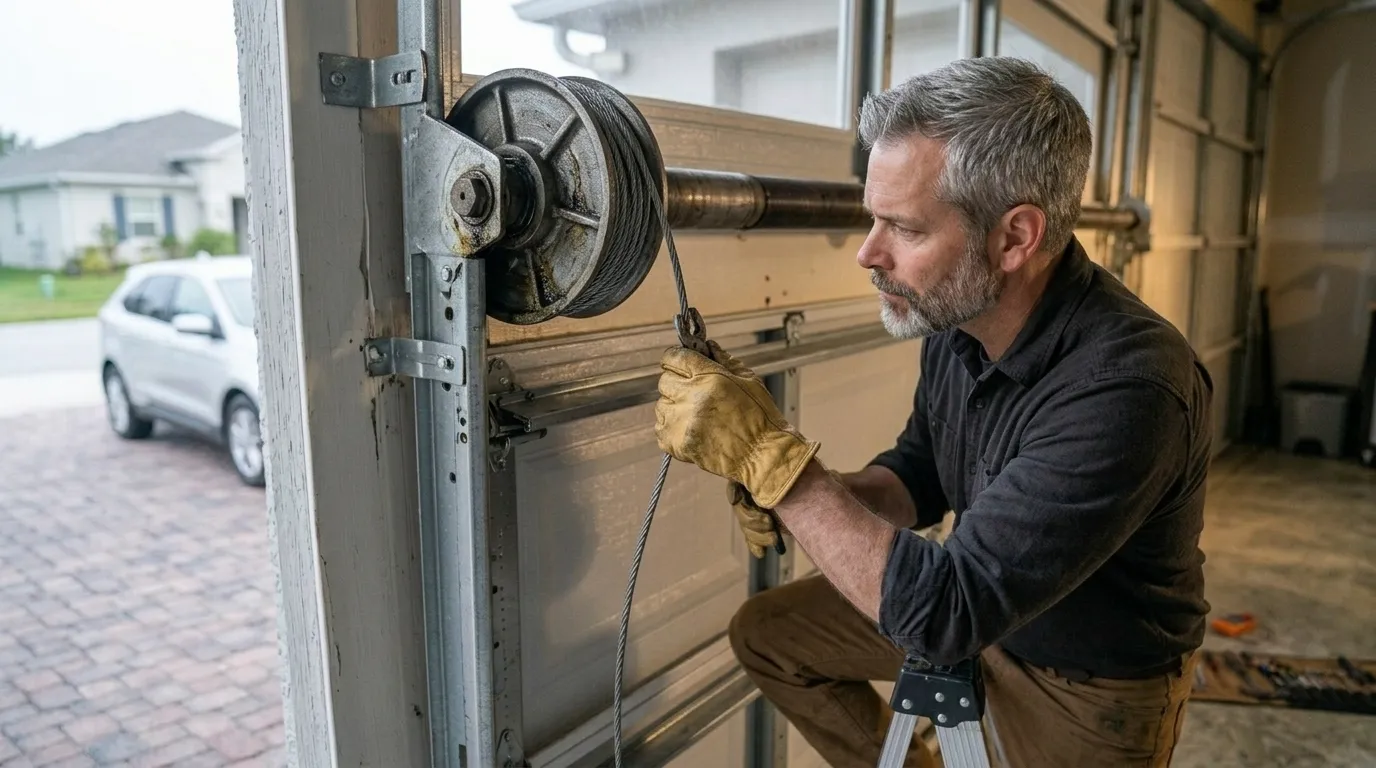
On a door built to the late-1980s standard, the parts that fail first are the ones under constant tension: the spring - torsion or the older paired extension type - the lift cables, and the rollers running in the track. A snapped spring on a heavier steel door is the call that comes in as 'it won't budge.' Without the spring, the door is dead weight, and it isn't something to force open by hand.
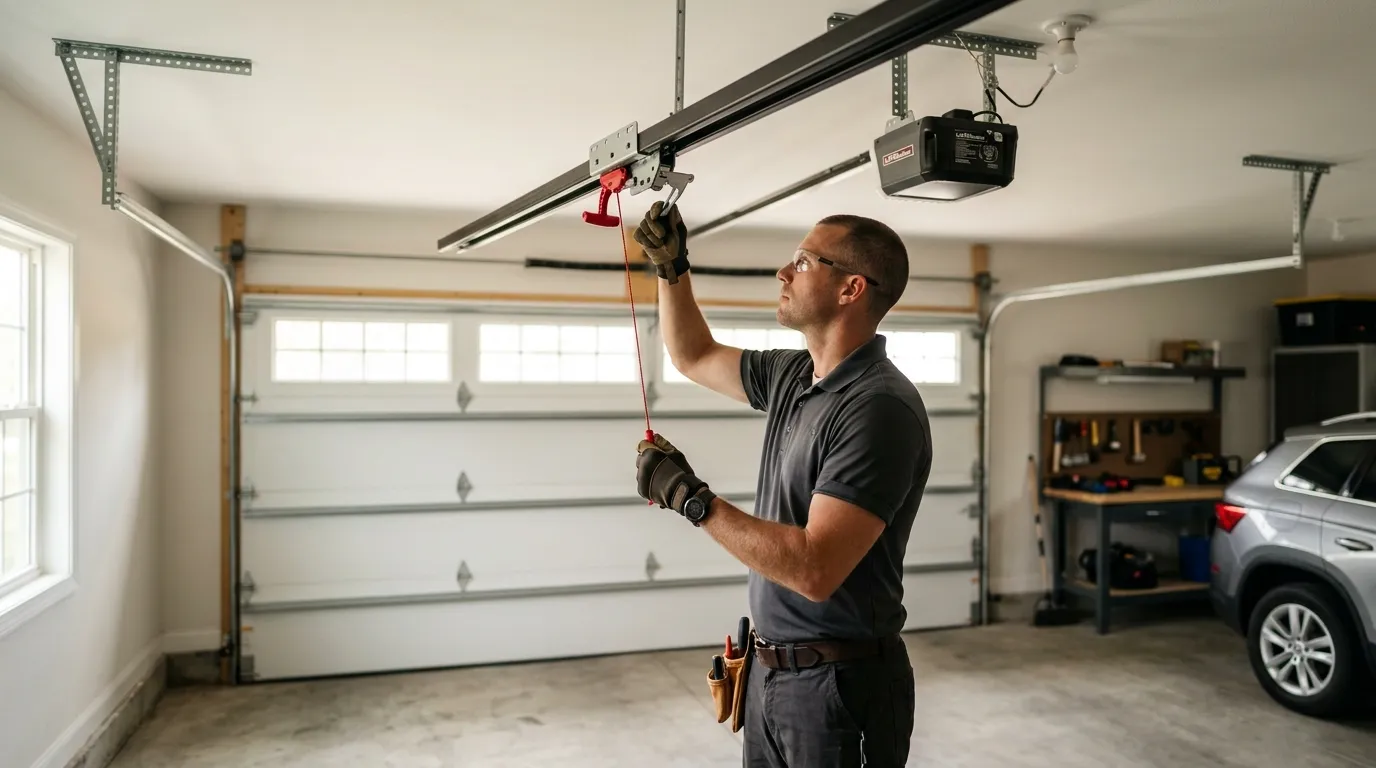
Openers from this retrofit era bring their own short list: safety sensors knocked out of alignment so the door reverses instead of closing, worn drive gears on a chain-drive unit, and remote or keypad boards failing as they age out. The climate here runs moderate on heat, not extreme, so it's spring cycle count and hardware age doing the damage in University Park, not warped panels from heat swings.
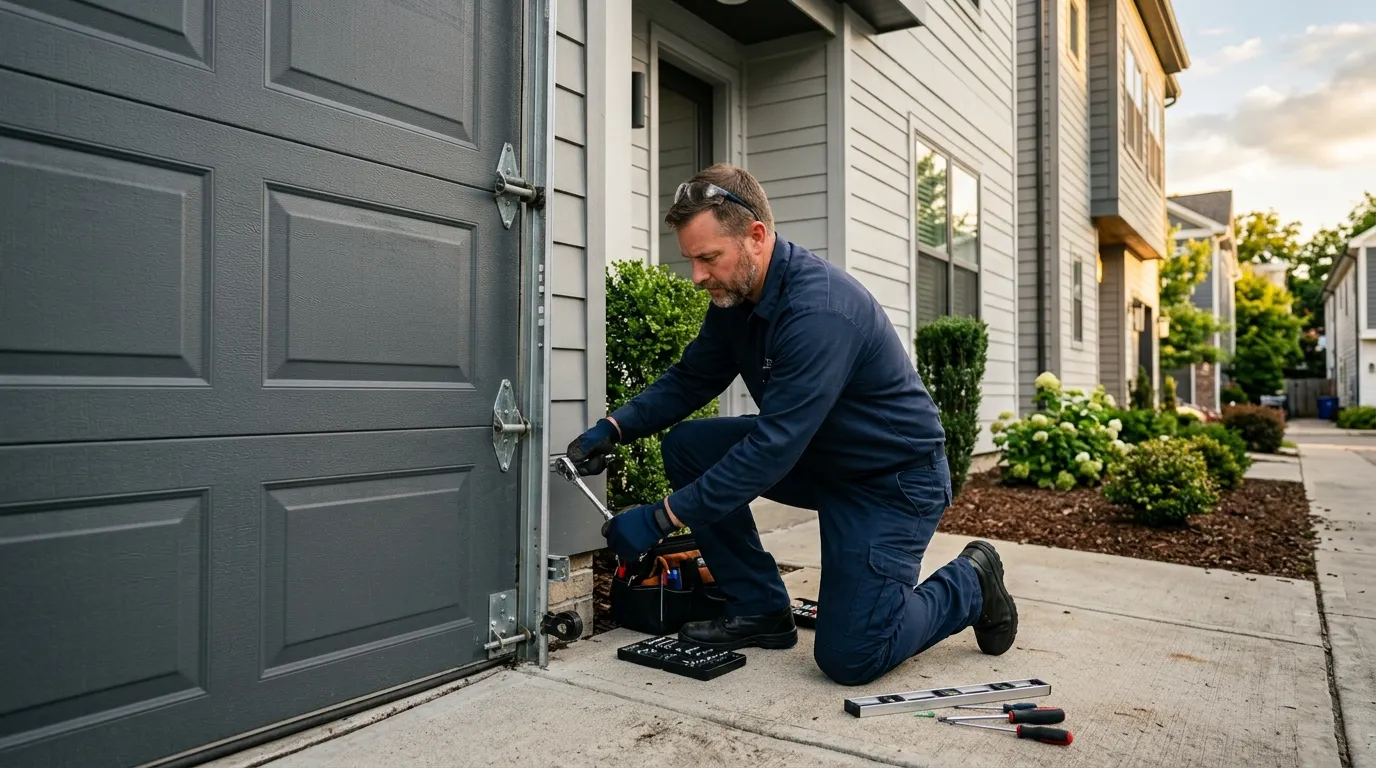
One honest limit: if the door itself is warped, badly rusted, or the track has pulled away from the frame in more than one spot, patching it usually costs more over a year or two than replacing the door outright. A tech will tell you straight when that's the case instead of running up a repair bill on a door that's done.