Garage Door Panel Replacement Across the Garland Service Area
Cracked, dented, or bowed garage door panels are common in Garland's 2000s-era housing stock. See what drives the failure and what a replacement actually involves.
We don't post a flat number here because panel replacement cost swings on things that are specific to your door: whether the section is a stock size or a discontinued profile from an older builder run, whether the color needs a repaint or a factory match, and whether one panel is damaged or the whole run needs to come out because the door's out of square. A single bottom panel on a common width is a different job than replacing three panels on a door that's been racked from a car backing into it.
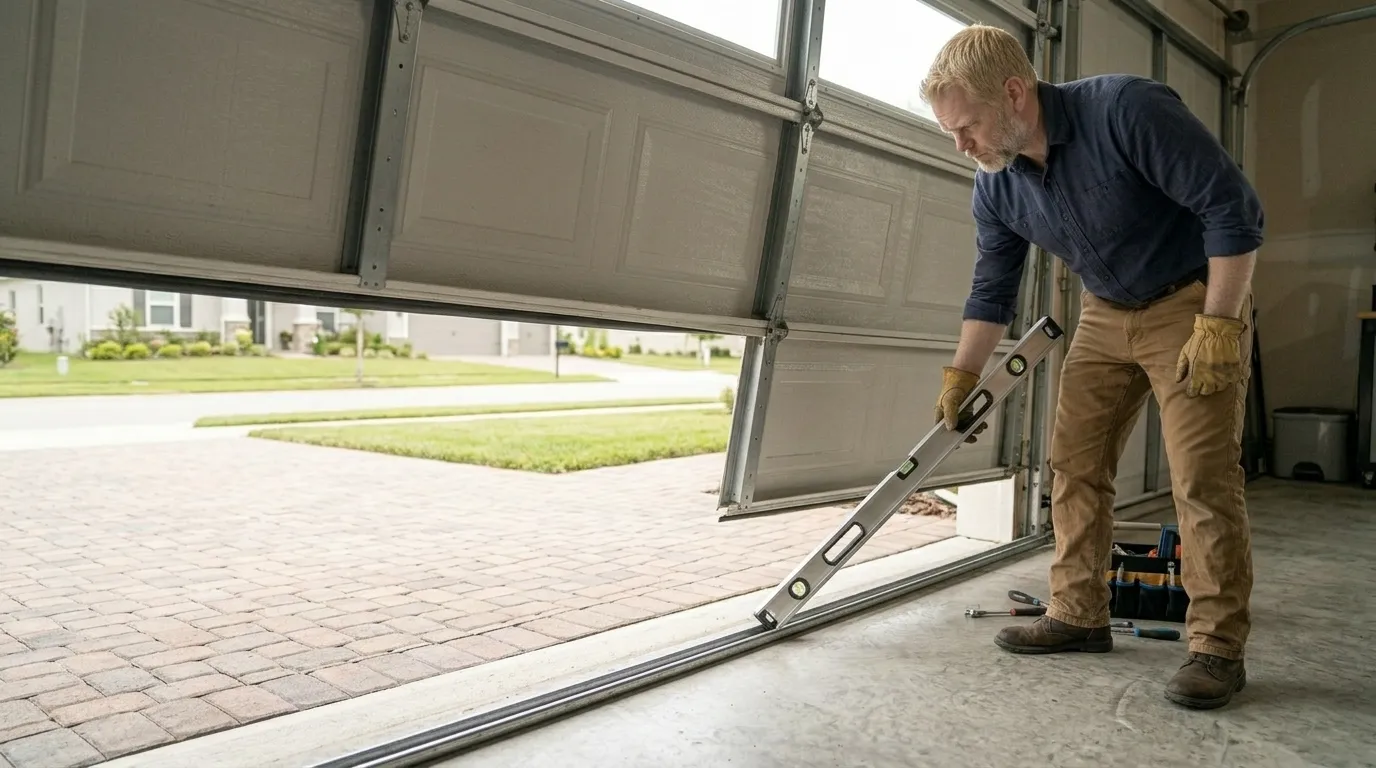
What we can tell you is how we price the job: we look at the door in person, identify the panel section and gauge, check whether the track and hinges are still square, and quote before we order anything. If the section is obsolete, we say so up front rather than mid-job. We don't guess a number over the phone because a wrong guess wastes your time and ours.
One honest limit: if your door is old enough that the manufacturer has stopped making that panel profile, patching it isn't always worth doing. At that point we'll tell you replacement of the full door is the better use of your money, even though that's a bigger ticket than a panel swap.
Why This Fails Locally
Housing across this service area was built mostly between 1973 and 2013, with the median build year landing around 2002 - a stretch when steel sectional doors were the standard builder-grade install. Nineteen named communities in this area, from Murphy in the east to to the west, share that same 2000s-era stock, which means a lot of driveways are running the same panel gauge and the same builder hardware from that boom.
That steel is thin by design - it kept construction costs down - and it dents and bows more easily than heavier commercial-grade panel. Layer on the area's moderate heat band: panels expand in the afternoon sun and contract overnight, and over enough years that cycle works at the seams and the foam-core bond between the steel skins. A door that's already dented from a bumper tap or a stray basketball fails faster once that seam starts to separate.
With 46,718 owner-occupied houses in a service area where median household income runs $133,750, we see a consistent pattern: rather than living with a dented or bowed panel, most owners here get it swapped once it's visible from the street.
What You Are Seeing
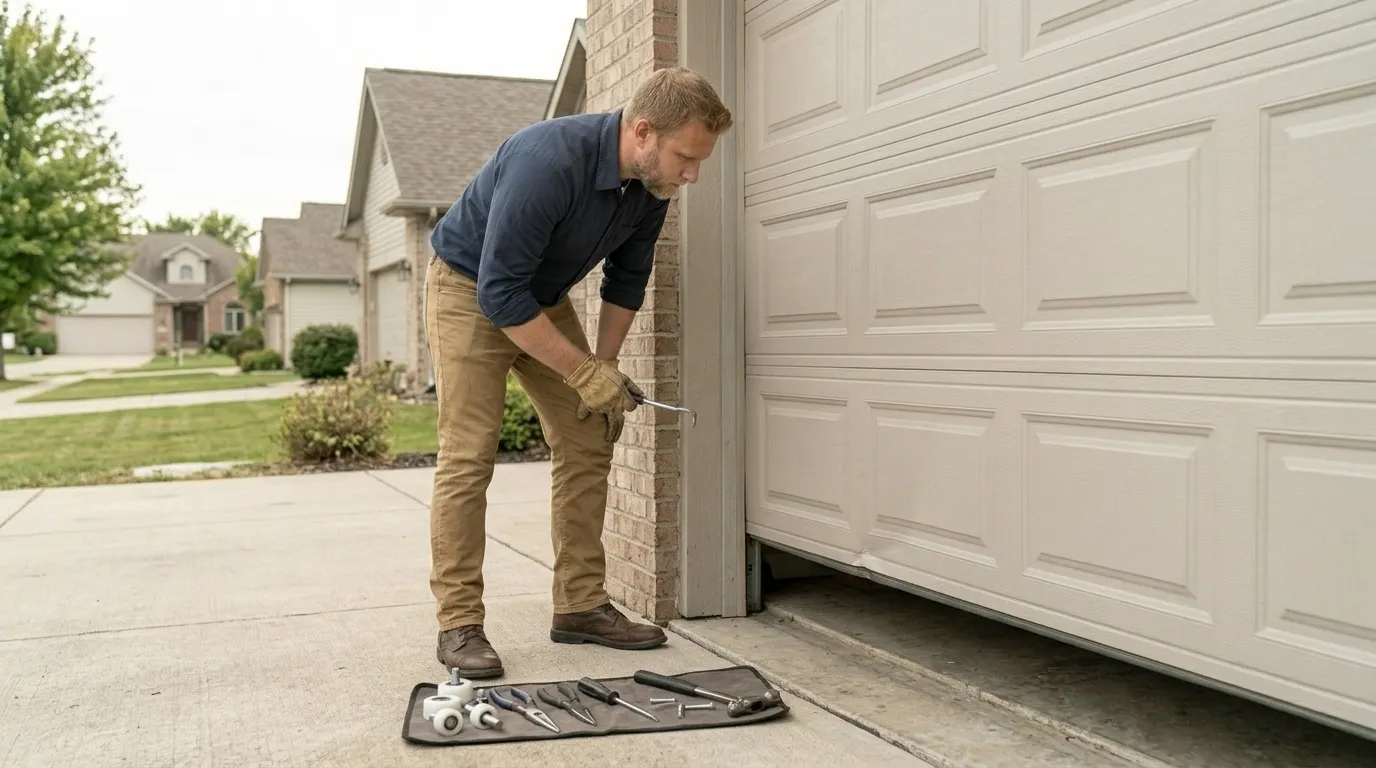
A dented panel is usually cosmetic until it isn't - a shallow dent from a bike or a car mirror doesn't affect how the door runs, but a deep one can pull the panel out of plane enough that it binds against the track. Look for daylight gaps at the seam between two sections, or a panel that bows outward at the bottom corners; that's usually the foam core separating from the steel skin, not just surface damage.
A cracked panel is different from a dented one. Cracks tend to start at the hinge stile, where the section flexes every time the door opens, and they spread with every cycle. If you see a crack running from a hinge bolt hole, that panel is on borrowed time regardless of how it looks otherwise.
Rust bleeding through paint at the bottom panel is another common one - that section sits closest to ground moisture and takes the most weather exposure of any panel on the door. If the rust has gone past surface staining into pitting you can feel with a fingernail, the steel's thinning and the panel won't hold a repair for long.
Can You Do This Yourself
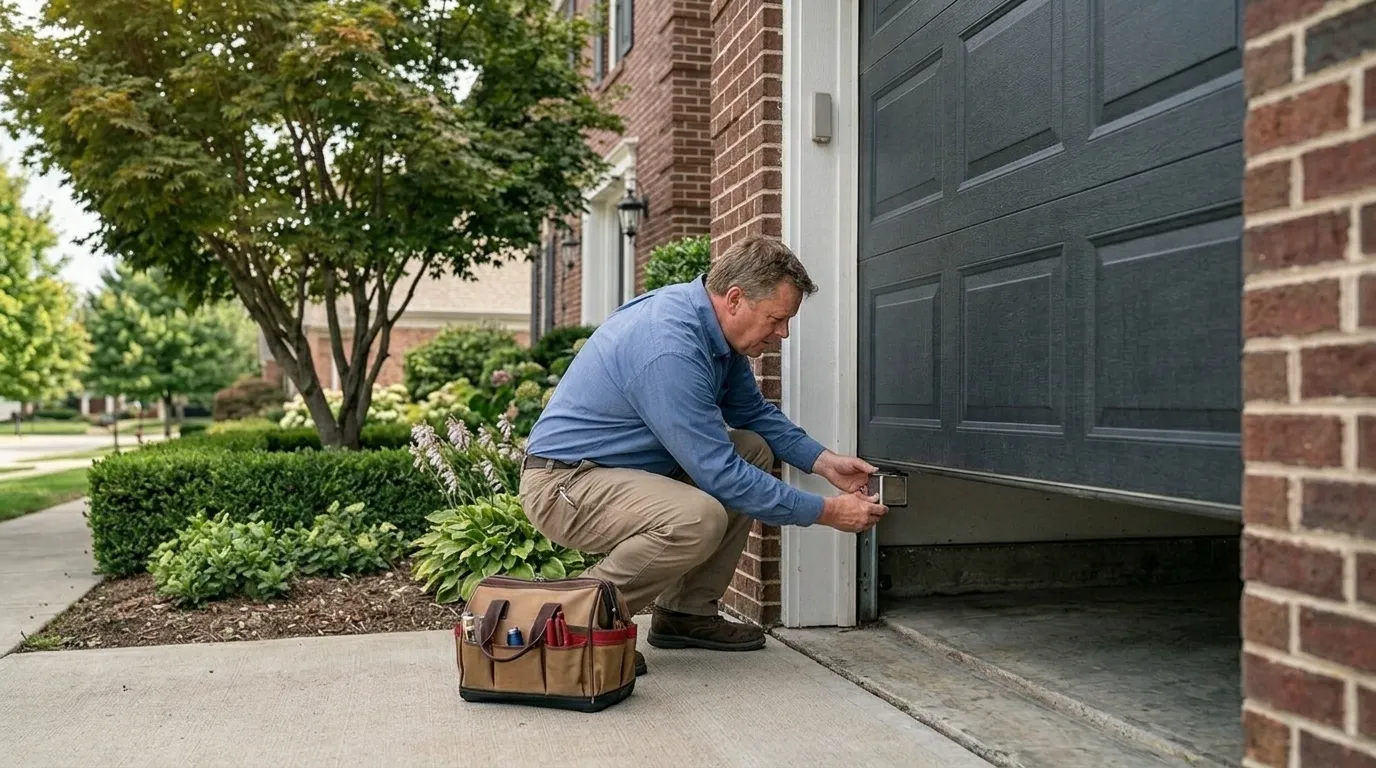
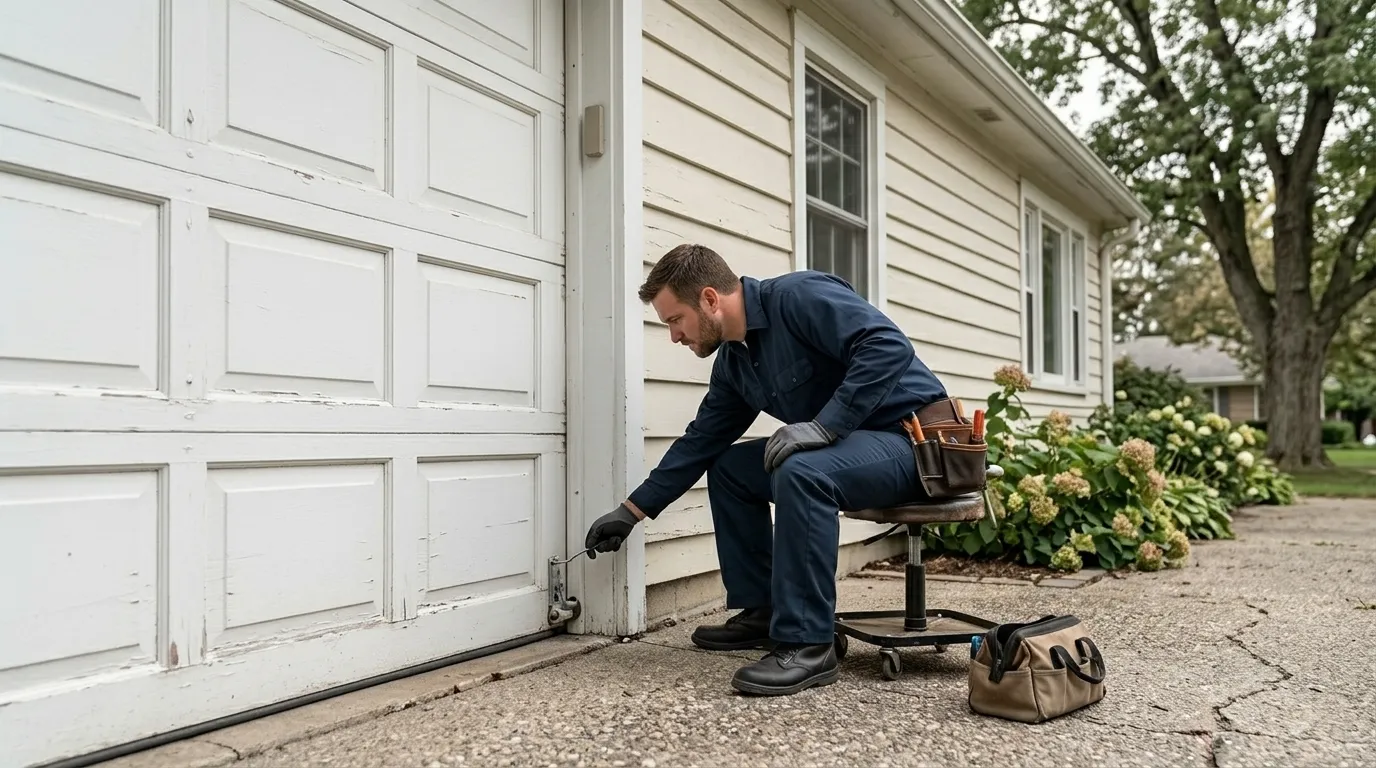
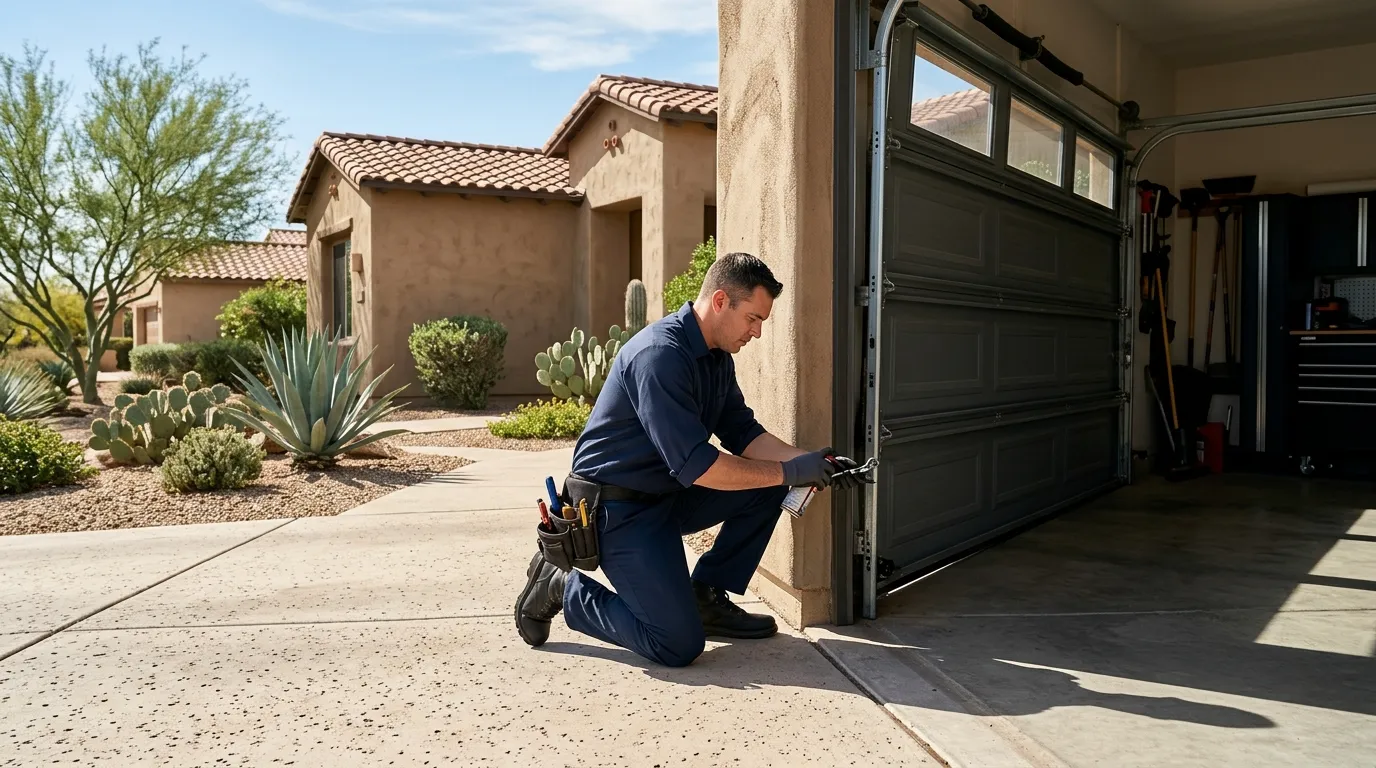
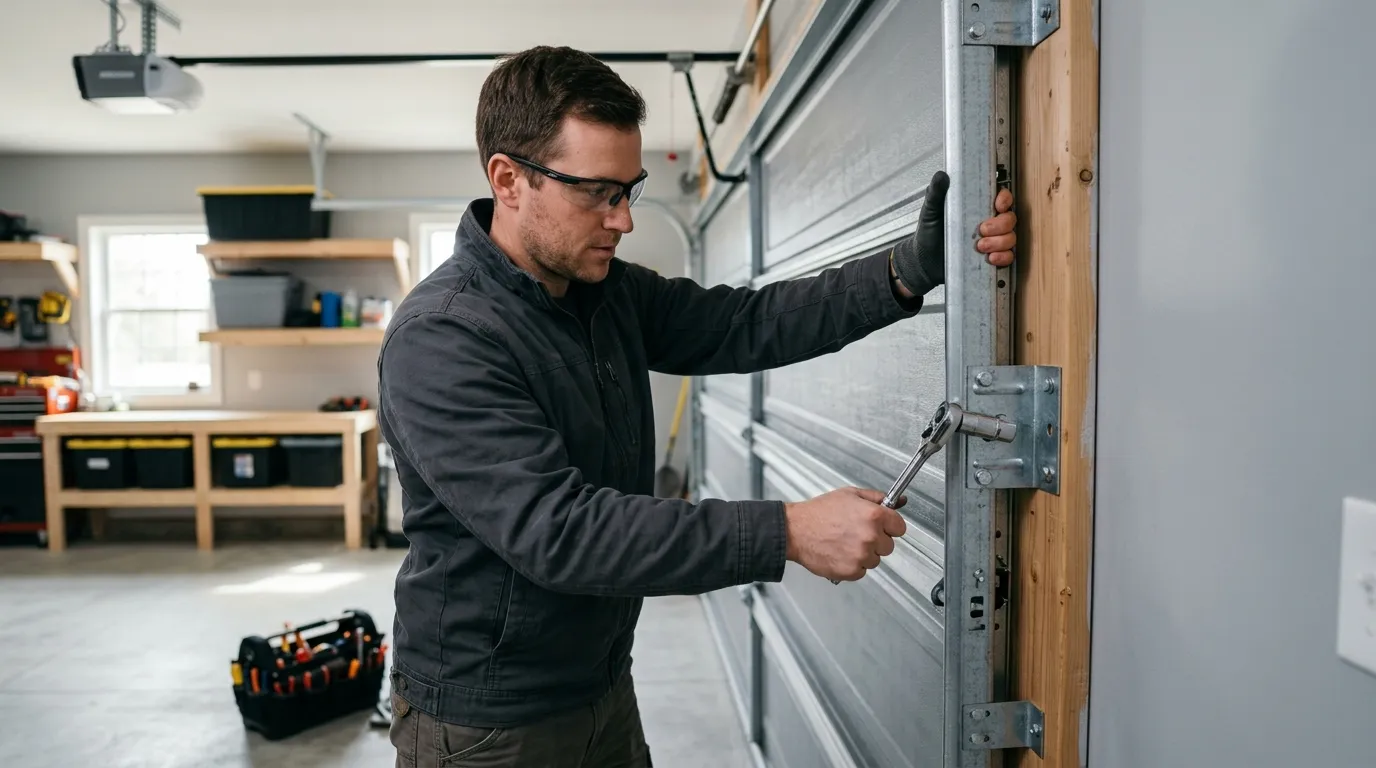
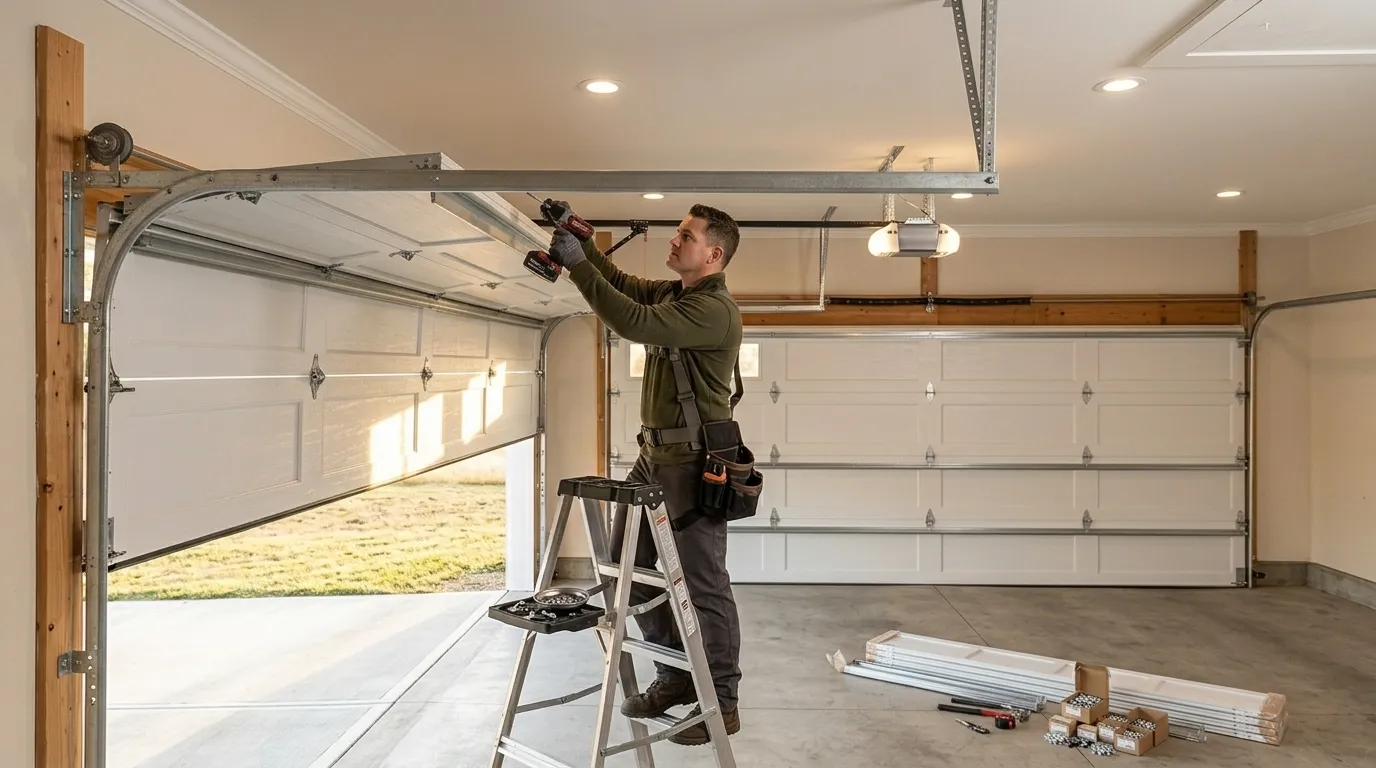
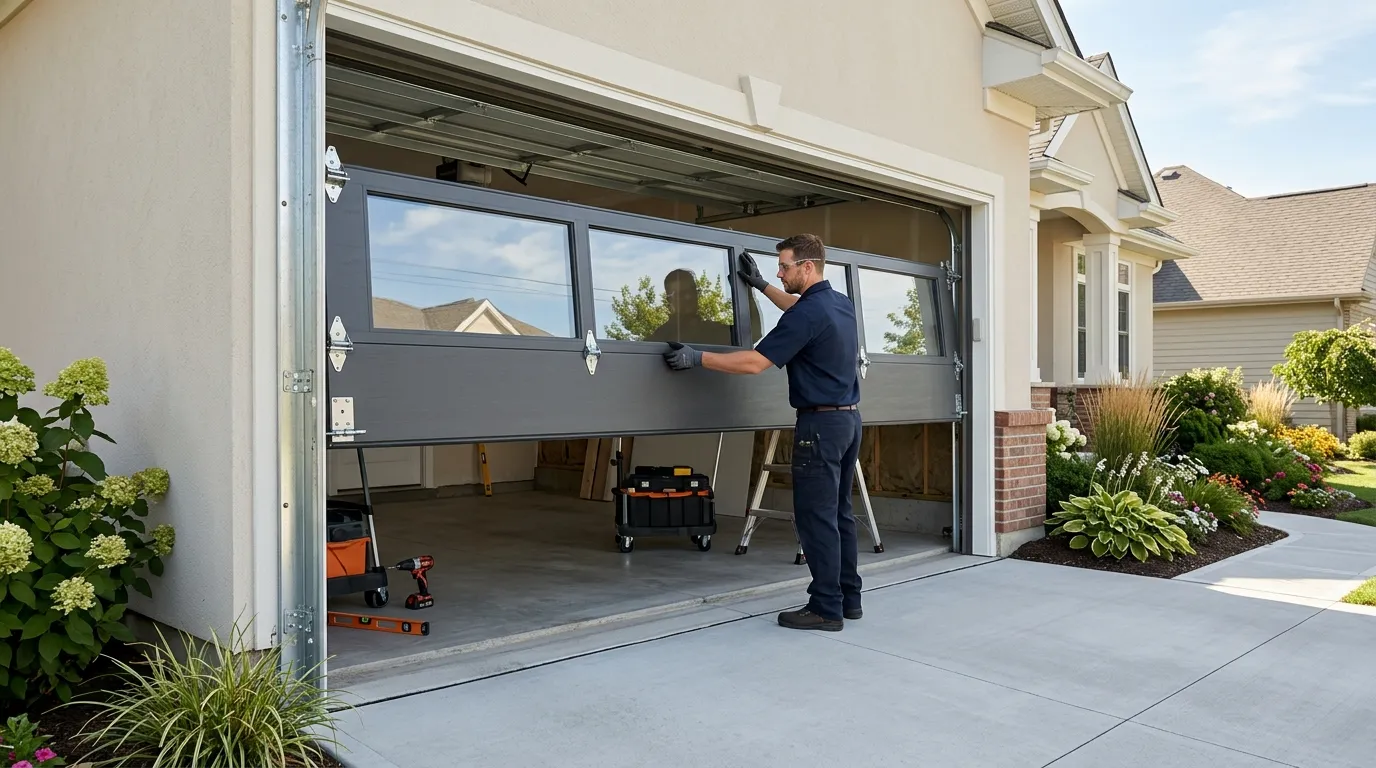
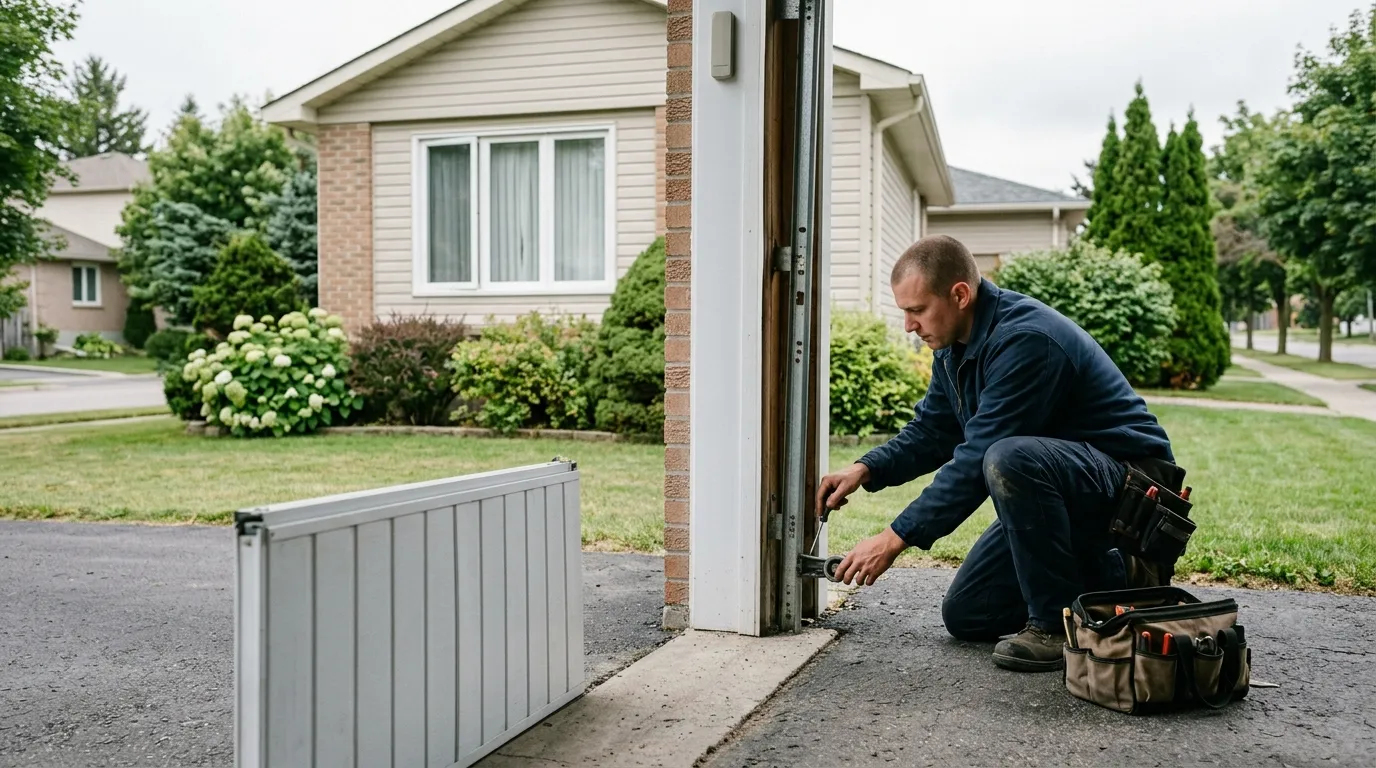
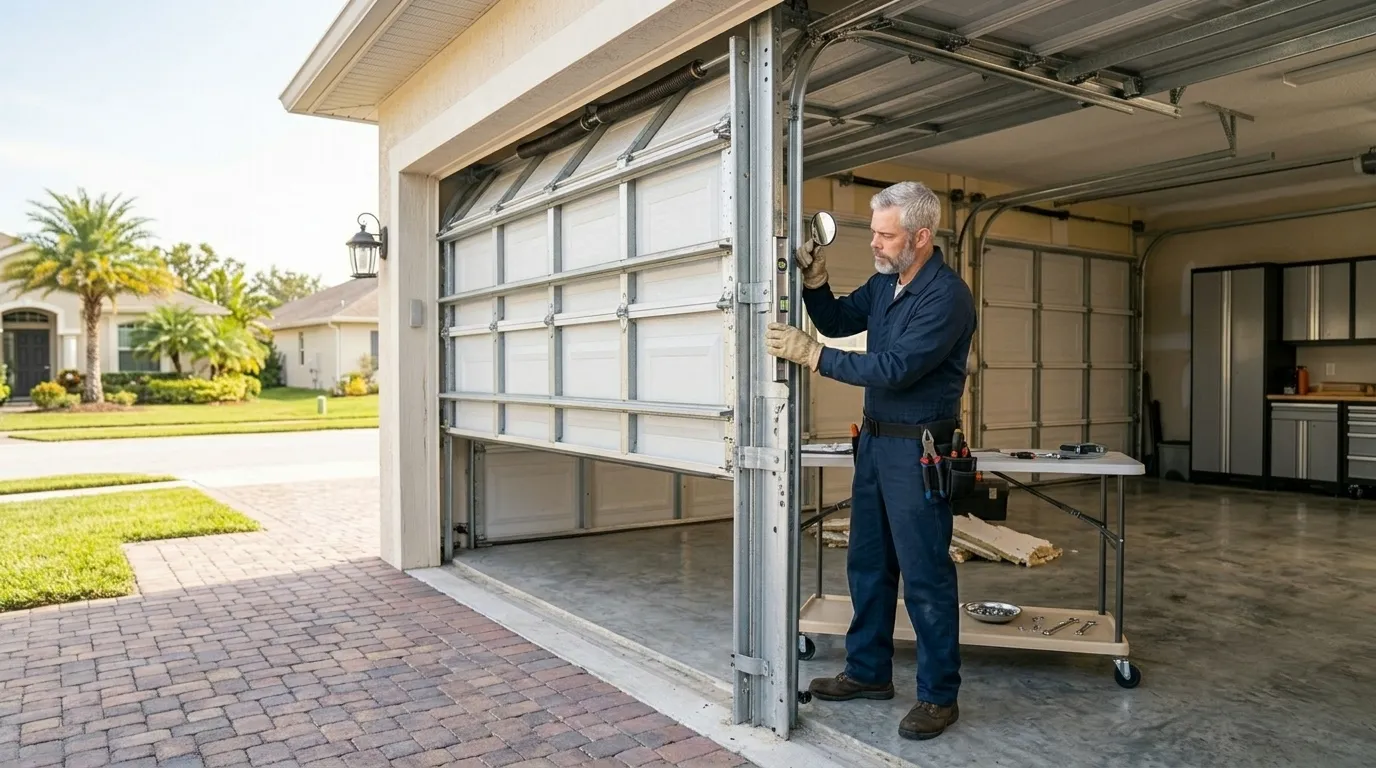
Swapping a single panel on some doors is a bolt-on job - remove the end hinges, slide the section out, slide the new one in, re-hinge. On other doors, especially anything with continuous hinges running the full width or a torsion spring under high tension right above the section you're working on, it's not a job to start without knowing how to control that spring first.
The part that trips most DIY attempts up isn't the bolts, it's the match. Panel height, width, and the ribbing profile vary by manufacturer and sometimes by production year, so a panel that looks right in a photo can be off by a fraction of an inch and never sit flush. Ordering the wrong section means a second wait on top of the first.
If your door is a single panel with the door already off track or leaning, that's not a solo job - a door out of its track can fall, and a panel section alone weighs enough to hurt someone. We're not going to tell you every panel swap needs a truck, but we will tell you to know your spring type and your exact panel dimensions before you order parts.
How it works
From “it’s stuck” to “it’s fixed”
A quick, honest process - no guesswork and no surprises.
1
Tell us what’s wrong
Describe the symptom - won’t open, loud bang, opener runs but the door won’t move.
2
On-site diagnosis
A technician tests the door under power and by hand and finds what actually failed.
3
Clear, up-front plan
You get the fix that’s needed and what drives the cost - before any work starts.
4
Repaired & tested
The repair is done, the door is set true and tested, and the work area left clean.
Serving Garland, TX - tell us what your door’s doing and we’ll take it from there.
Can I replace just one panel or does the whole door need to come out?
Most of the time you can replace just the damaged section without touching the rest of the door, as long as the panel is still made and the door itself is still square. If the section is obsolete or the door's racked out of true, a single-panel swap won't hold and full door replacement usually makes more sense.
Will a new panel match the paint on the rest of my door?
Not automatically. Factory finishes fade with UV exposure over the years, so a brand-new panel next to a 15-year-old faded one will usually show a visible color difference. We can order a color match or discuss a repaint, but an exact blend to sun-faded paint isn't guaranteed.
How do I know if it's a dent or a cracked panel?
A dent is a shape change in the steel skin with no break in the surface. A crack is an actual split, most often starting at a hinge bolt hole where the panel flexes with every open and close cycle. Cracks spread with use; dents mostly stay put unless they're deep enough to bow the panel.
Ready to get your garage door sorted?
Tell us what it’s doing and where you are in Garland - we’ll take it from there.