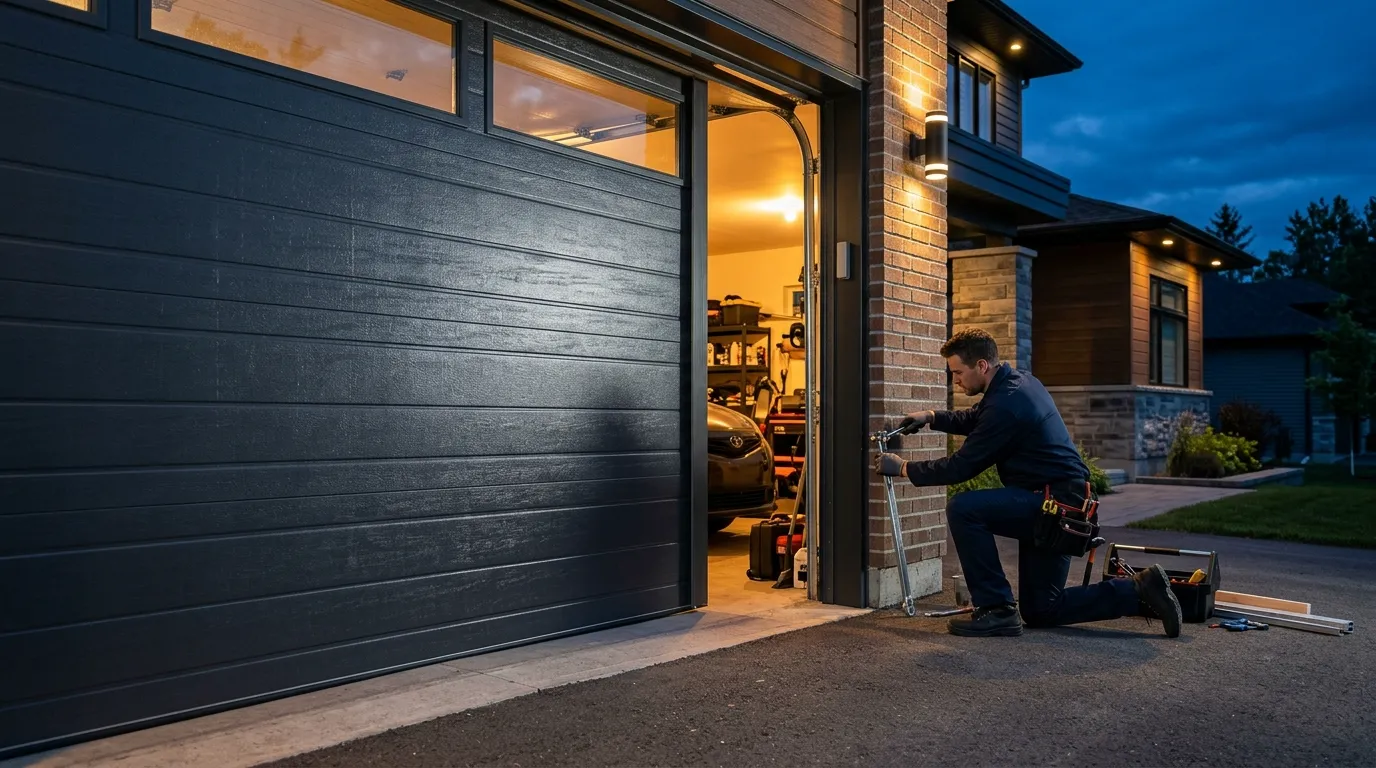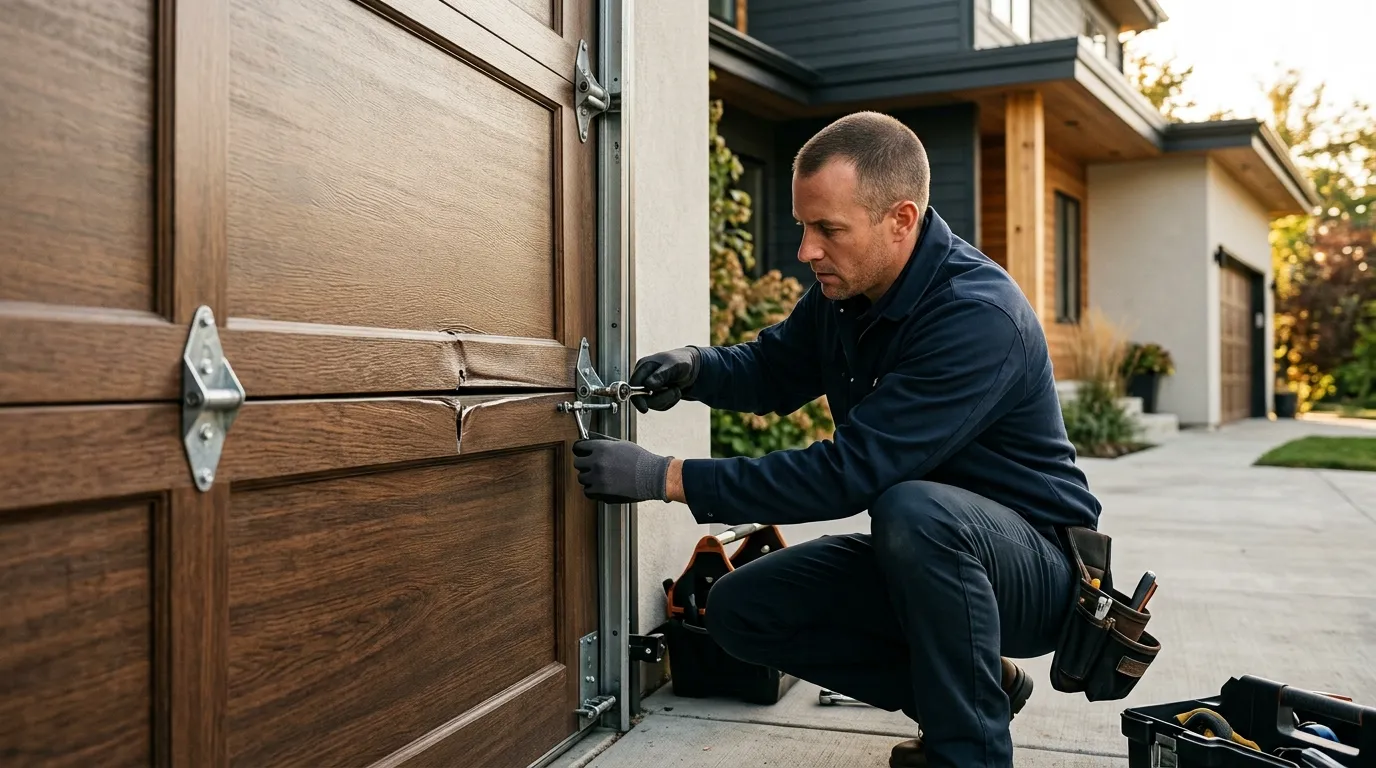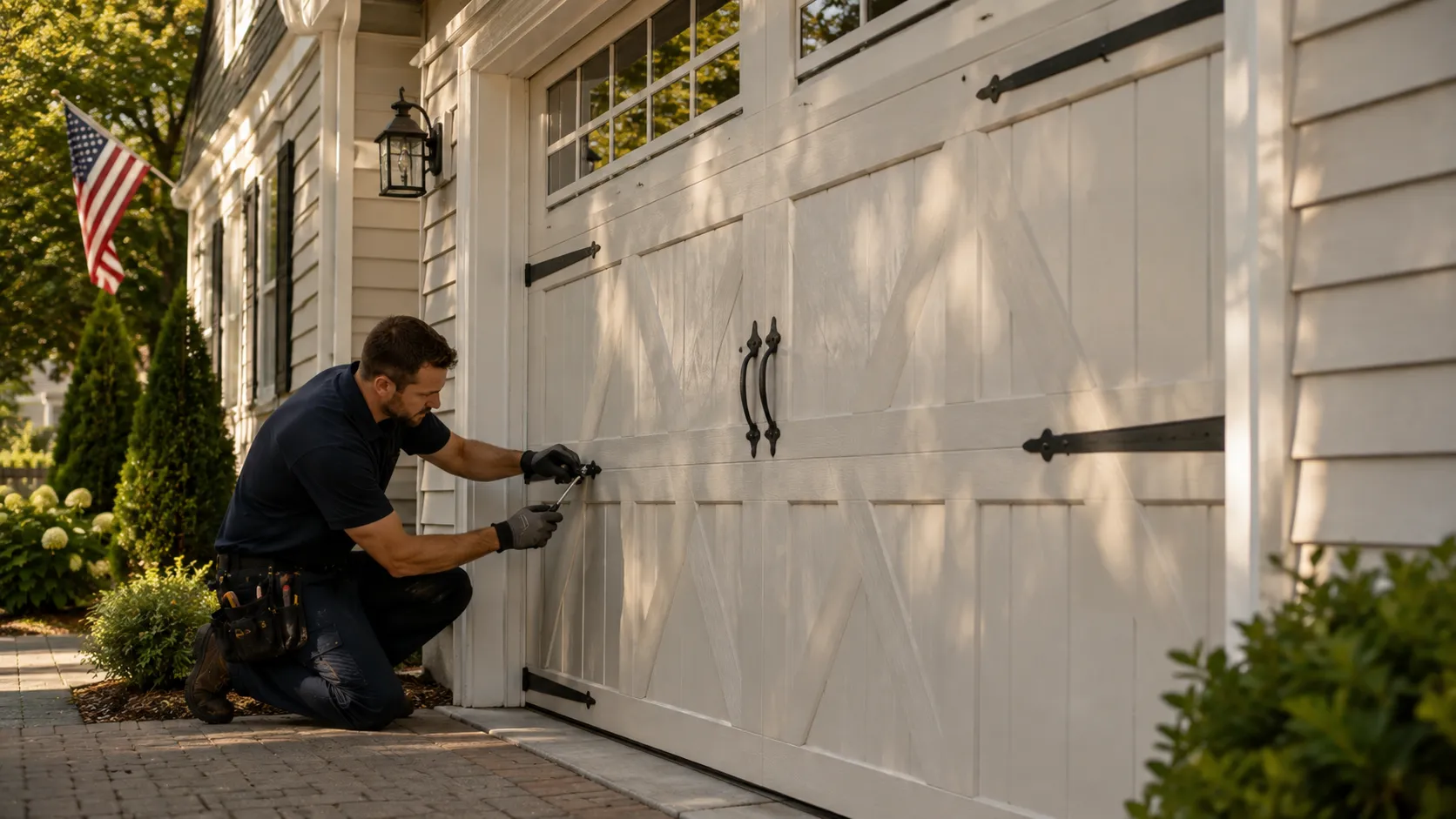
Why This Fails Locally
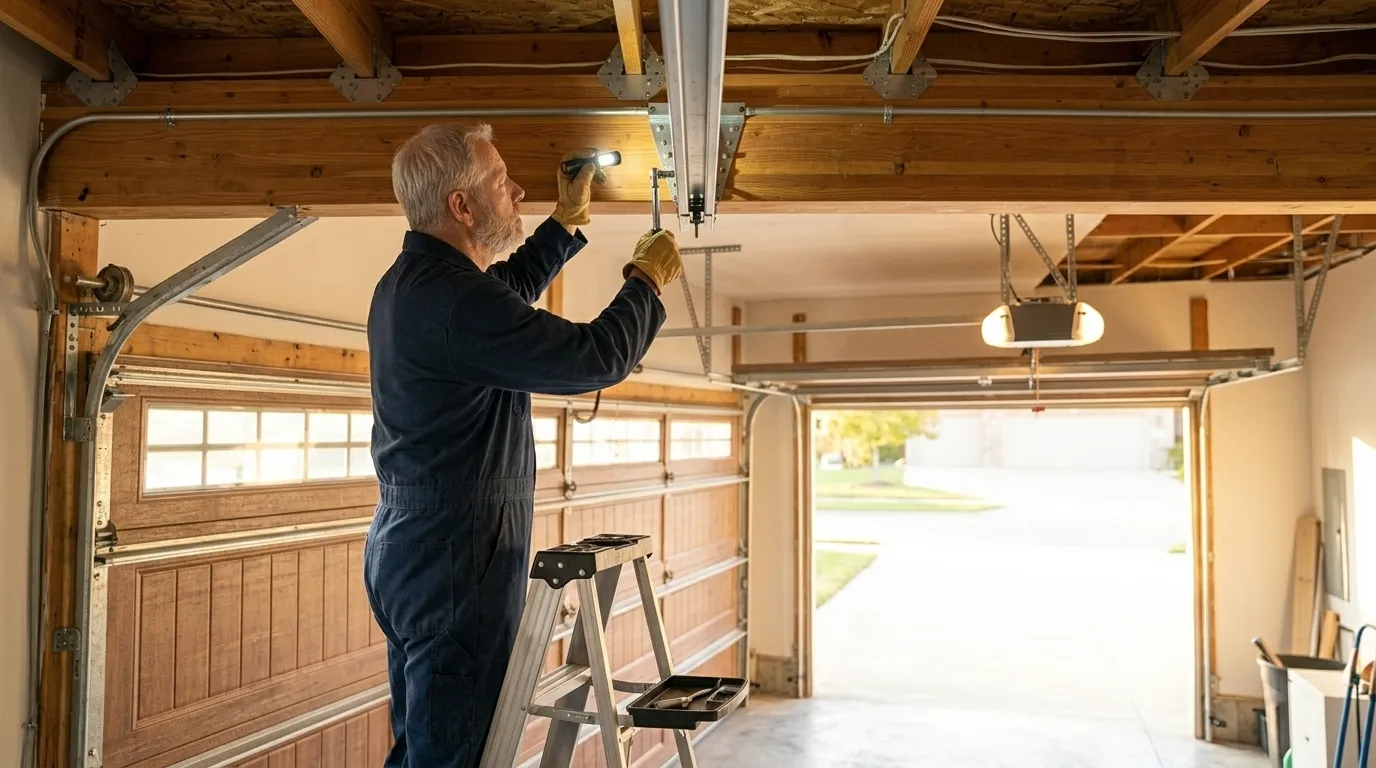
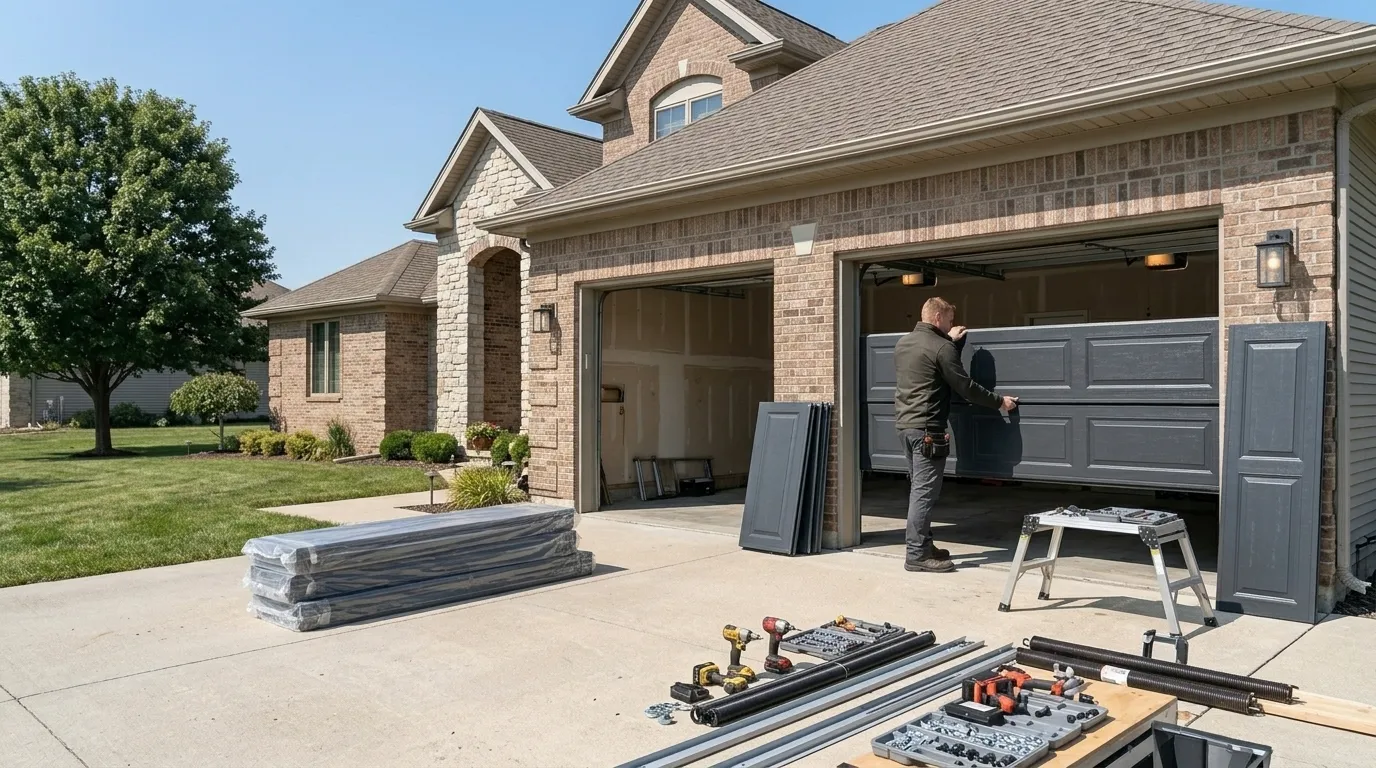
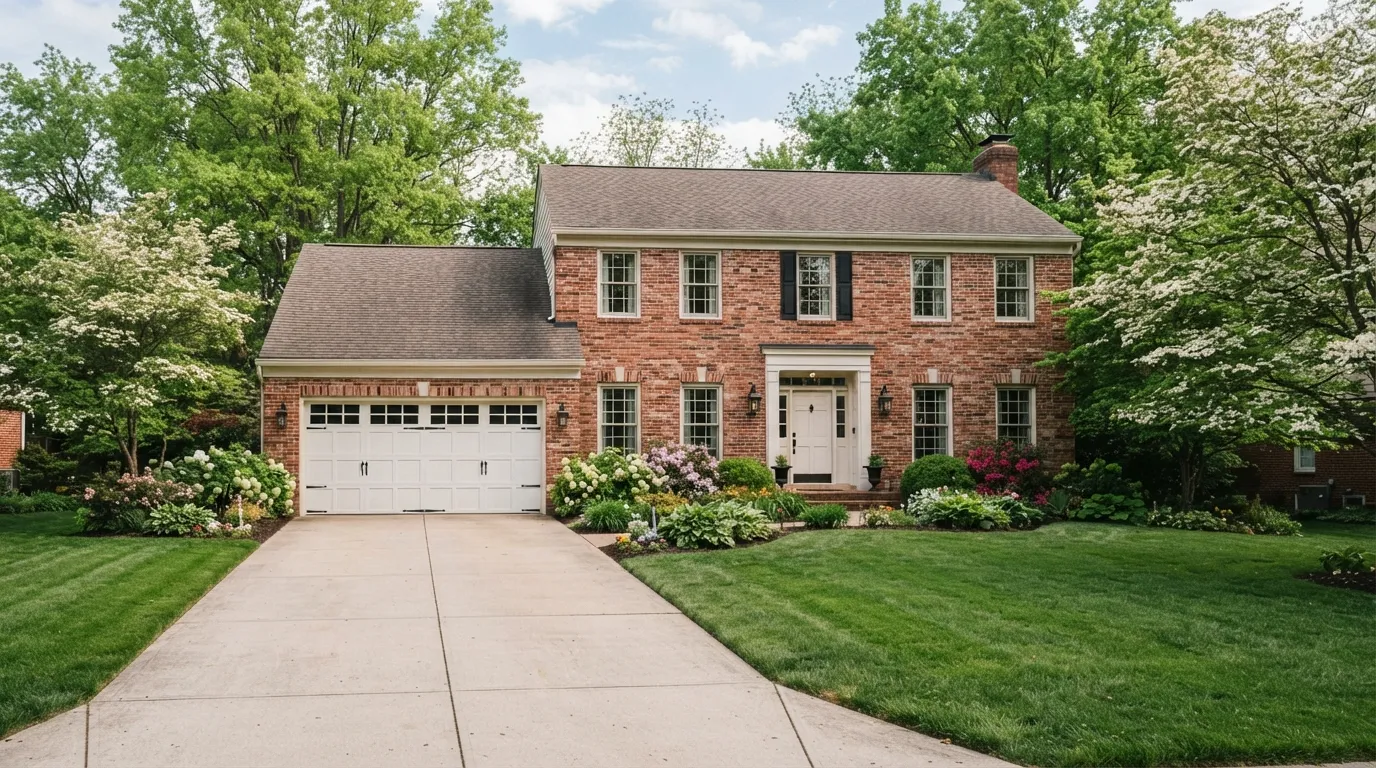
The housing stock in University Park centers on 1987, which puts a lot of these garages a decade or more past the newest construction we see elsewhere in the service area, where the median build year runs closer to 2002. That gap matters for openers specifically. A house built in the late '80s was very likely fitted, at some point, with a chain-drive opener running an older logic board - no rolling code, a manual travel-limit adjustment done with a screwdriver and a dial, and a safety-reversal sensor pair that may have been added later as a retrofit rather than built in from day one.
Those boards fail differently than the newer belt-drive units with digital wall controls that go into houses built in the 2000s. Capacitors dry out. Limit switches drift and need re-setting instead of just re-programming. And because University Park's household incomes run well above the wider service area's median of $133,750, a fair number of these openers have already been upgraded once - which means we're sometimes troubleshooting a newer head unit bolted onto old wiring and an old rail, not a clean install.
What Can Go Wrong
On a chain-drive unit from that late-'80s generation, the most common call is a stripped or worn drive gear inside the motor housing - the plastic gear that turns the chain wears down over twenty-plus years and eventually spins without moving the door at all. Second most common: a dead or drifting logic board, where the opener runs the motor but won't respond consistently to the remote or wall button.
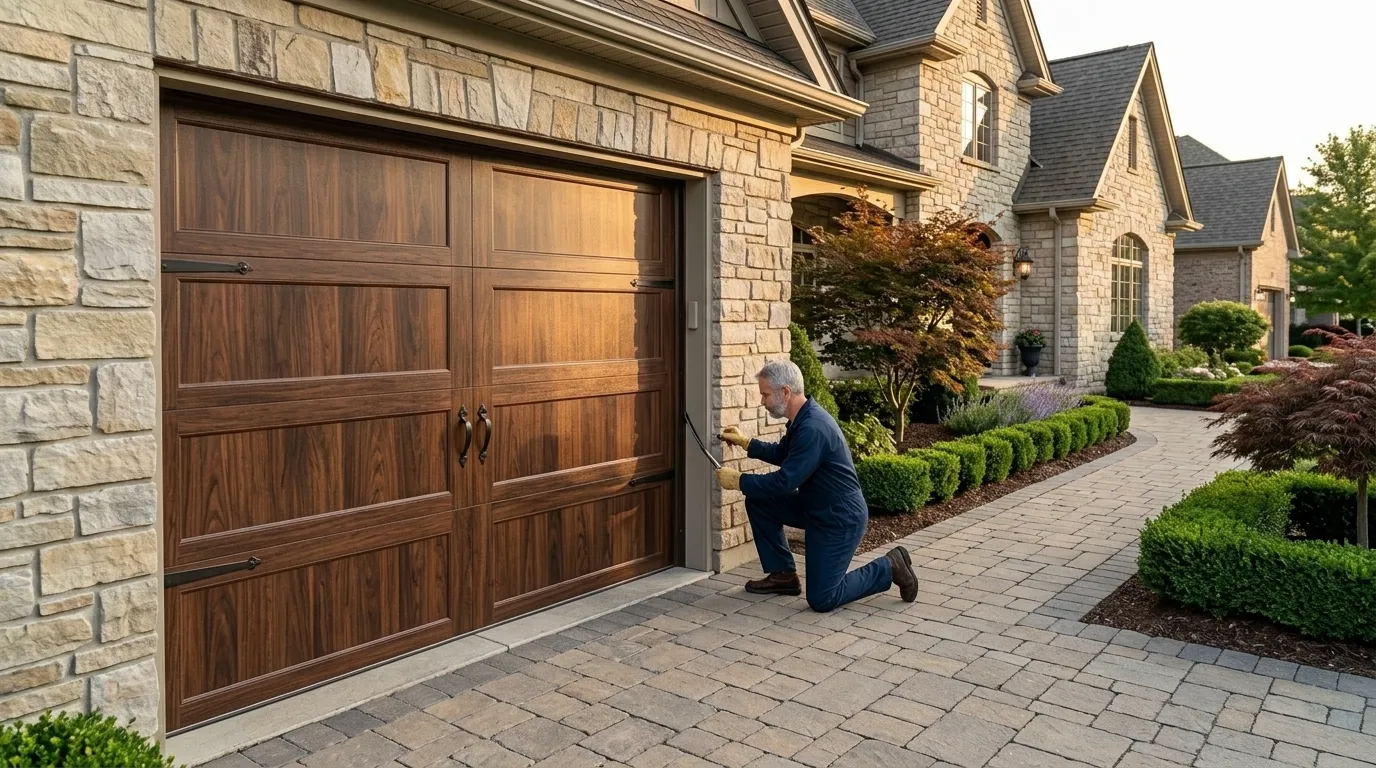
Safety sensors are the other recurring issue, especially where they were added as a retrofit rather than original equipment - misaligned eyes, a hairline break in the low-voltage wire from lawn work or a trimmer, or a sensor housing that's simply aged out and stopped reading reliably. Heat in this part of Texas is moderate rather than extreme, so we don't see the board failures tied to sustained high heat that you'd get in a harsher climate zone, but summer highs still stress older capacitors over the years.
We don't stock every board for every opener made in the late '80s - some of those parts are long out of production, and if yours is one of them, replacement is the honest answer, not a repair we can't actually deliver.