Why This Fails Locally
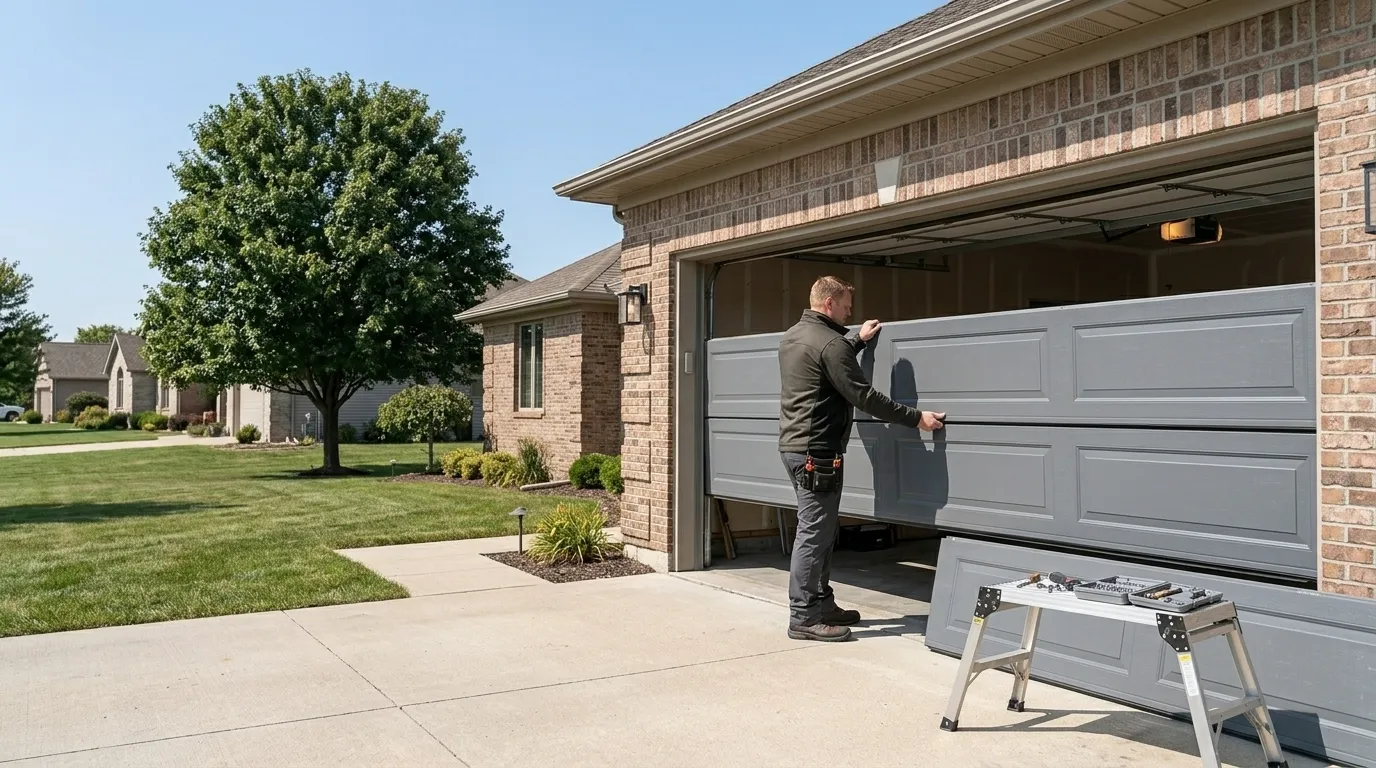
University Park's household income runs high - median household income here sits at $250,001, well above the wider Garland service area's $133,750 - and that shows up in how these commercial properties get maintained. Owners here tend to fix things before they're an emergency rather than run a door to failure, which actually changes what we see on a call: more preventive spring swaps, fewer full seizures. But the building stock itself is the bigger factor. A door installed around 1987 on a commercial bay was built to specs that assumed lighter daily cycle counts than a lot of these properties now put on them. Retail and small office turnover has pushed cycle counts up on doors that were never rated for it, and that's a mismatch nobody notices until the spring or the opener gives out.
What Can Go Wrong
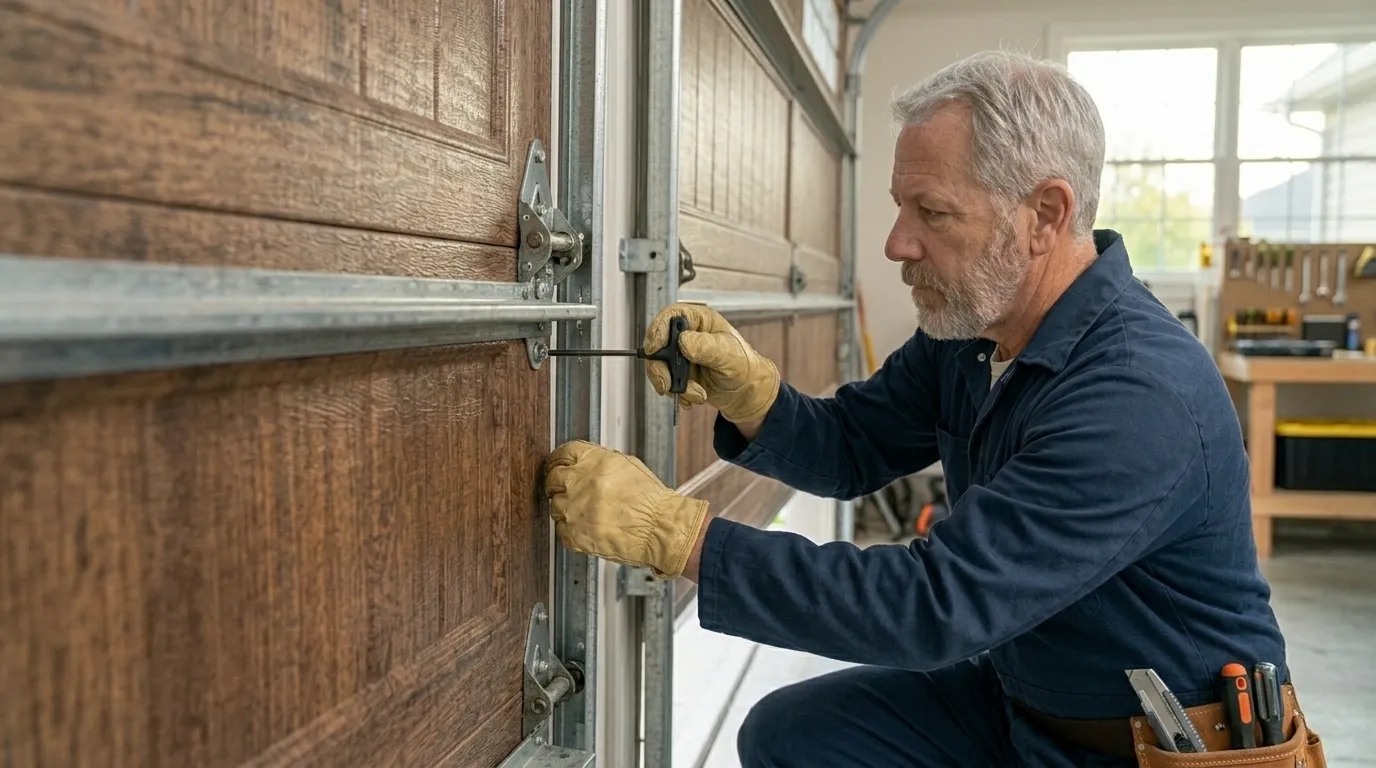
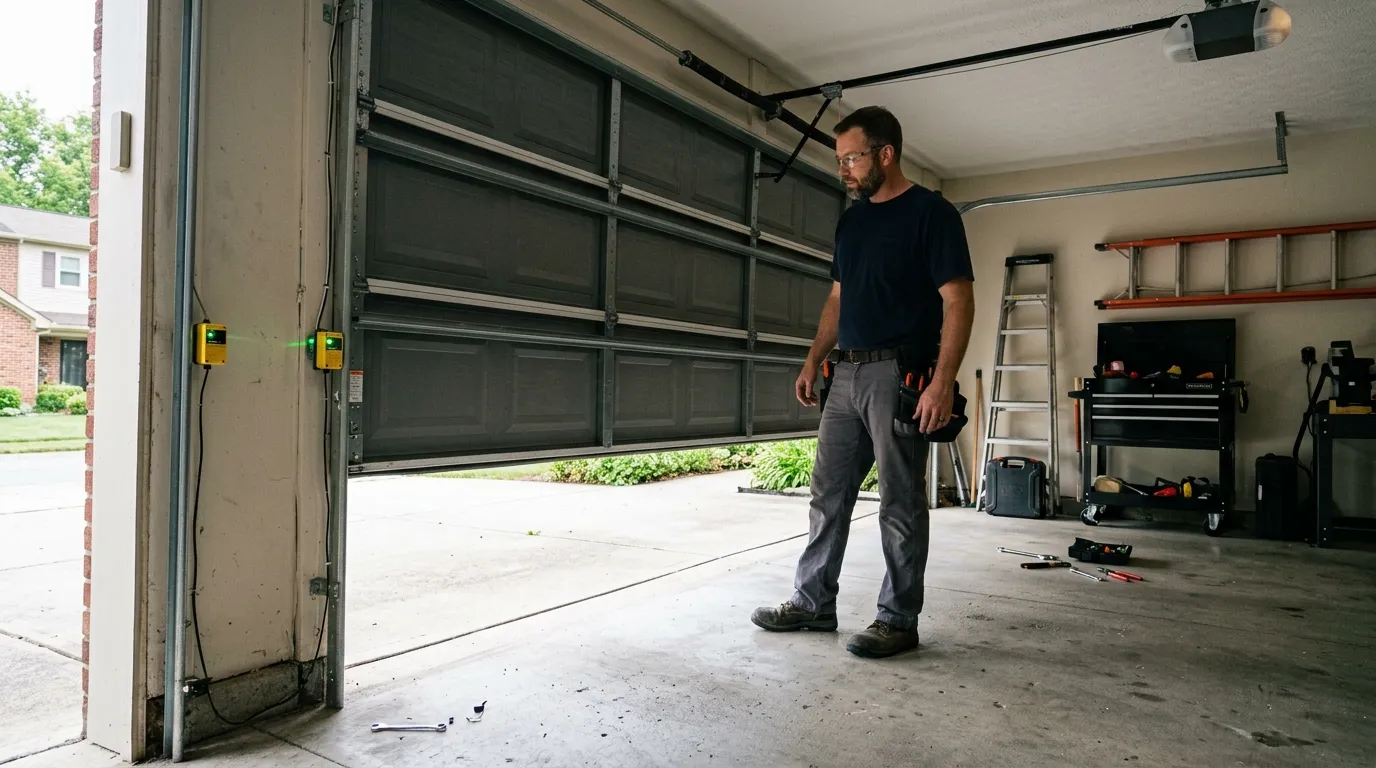
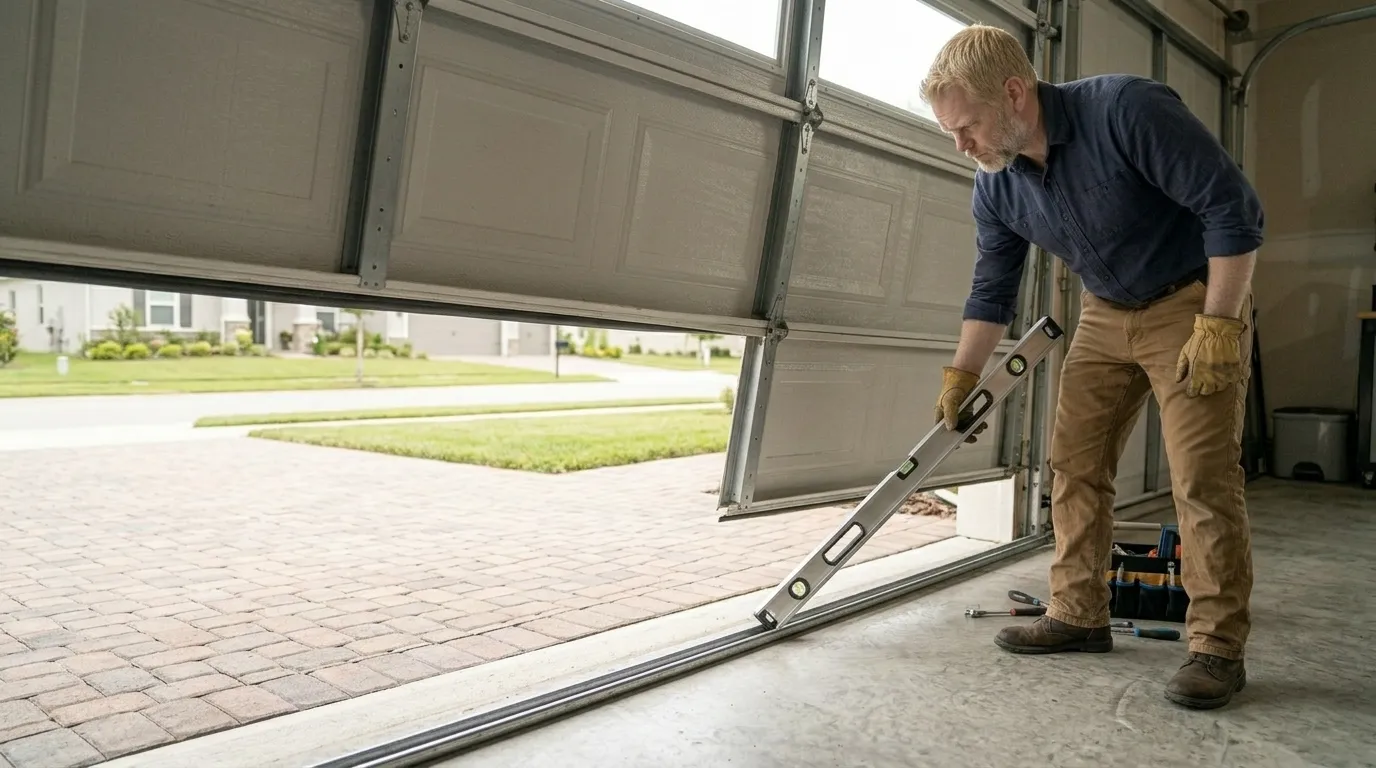
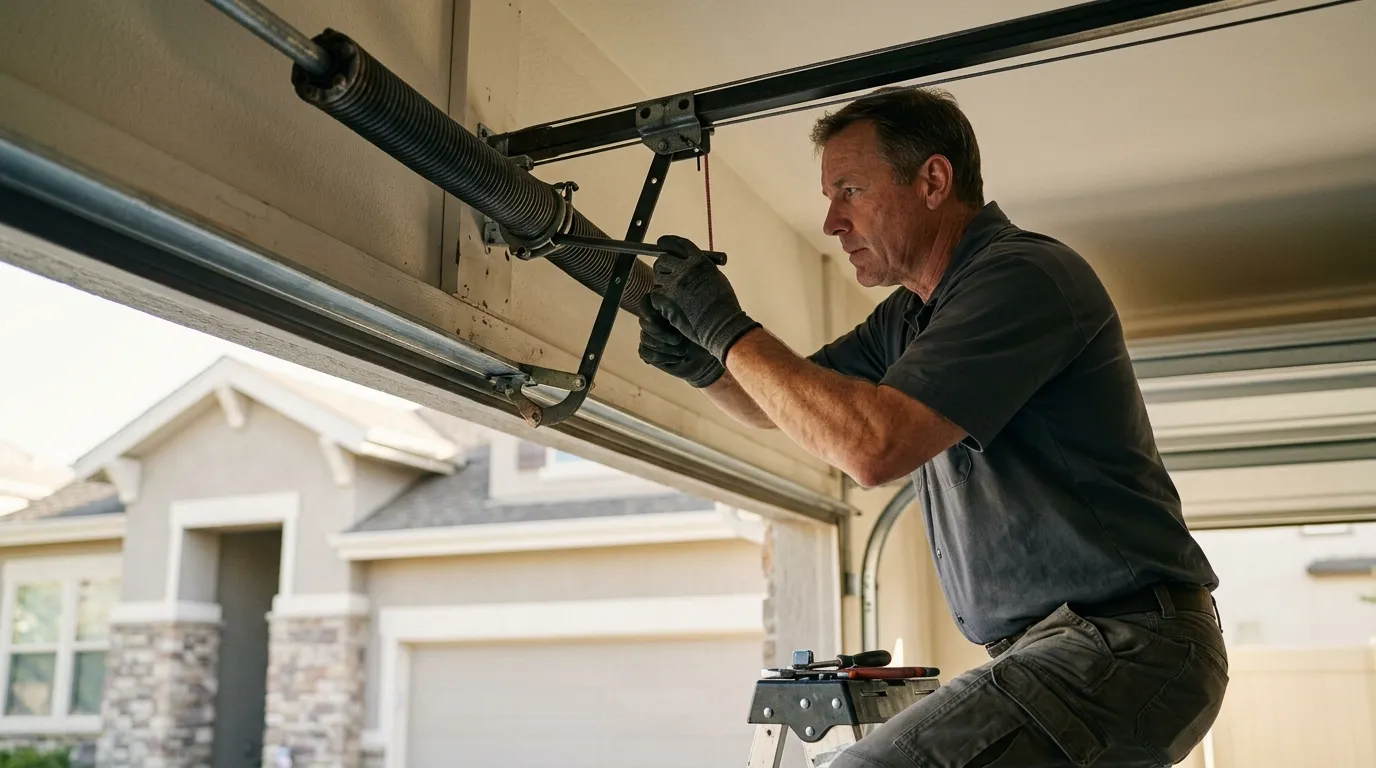
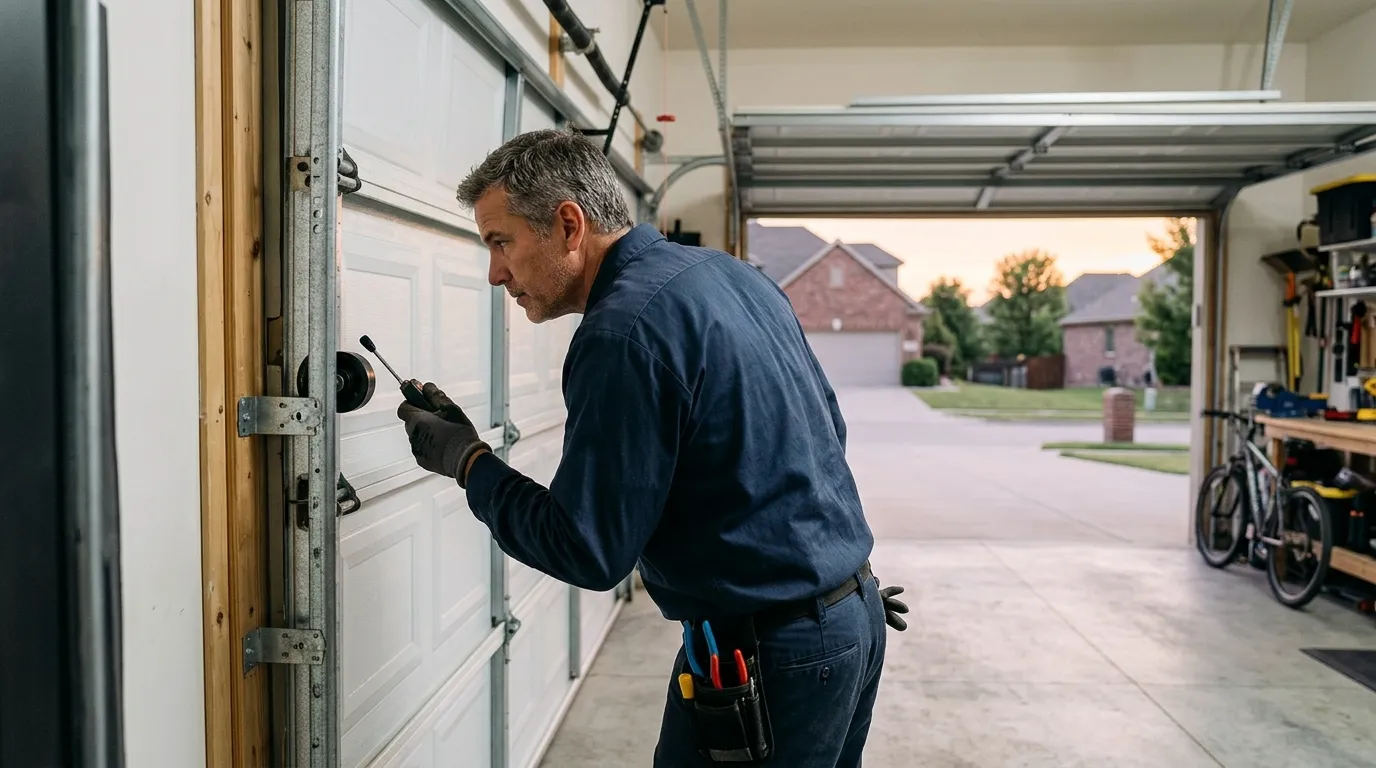
On a 1987-era commercial door, the torsion spring is the part most likely to fail first - it's been absorbing cycles for close to four decades even under light use, and metal fatigue doesn't care how well the building's been kept. Next most common is the opener itself: commercial units from that period weren't built with the load-sensing safety reversal that's standard now, and if it's still the original, it's simply outdated hardware regardless of condition. Cable fraying on wider commercial sections shows up more here too, since a bigger door puts more tension on a longer cable run. None of this is unique to a hot summer or a cold winter - this region's climate runs a moderate heat band rather than extreme swings, so we're not chasing weather-driven failures here the way you would somewhere with harsh freeze-thaw cycles. It's age and use, not climate, doing the damage.