Can You Do This Yourself
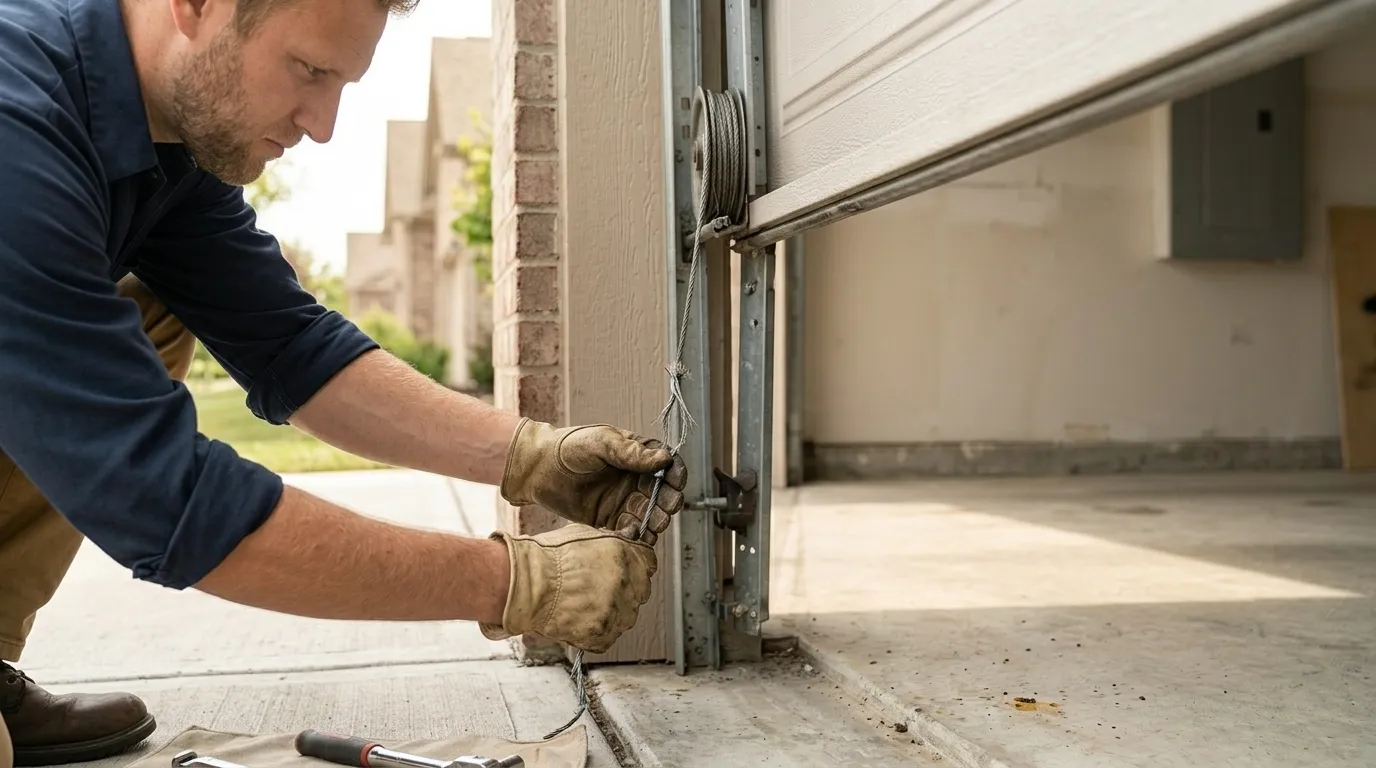
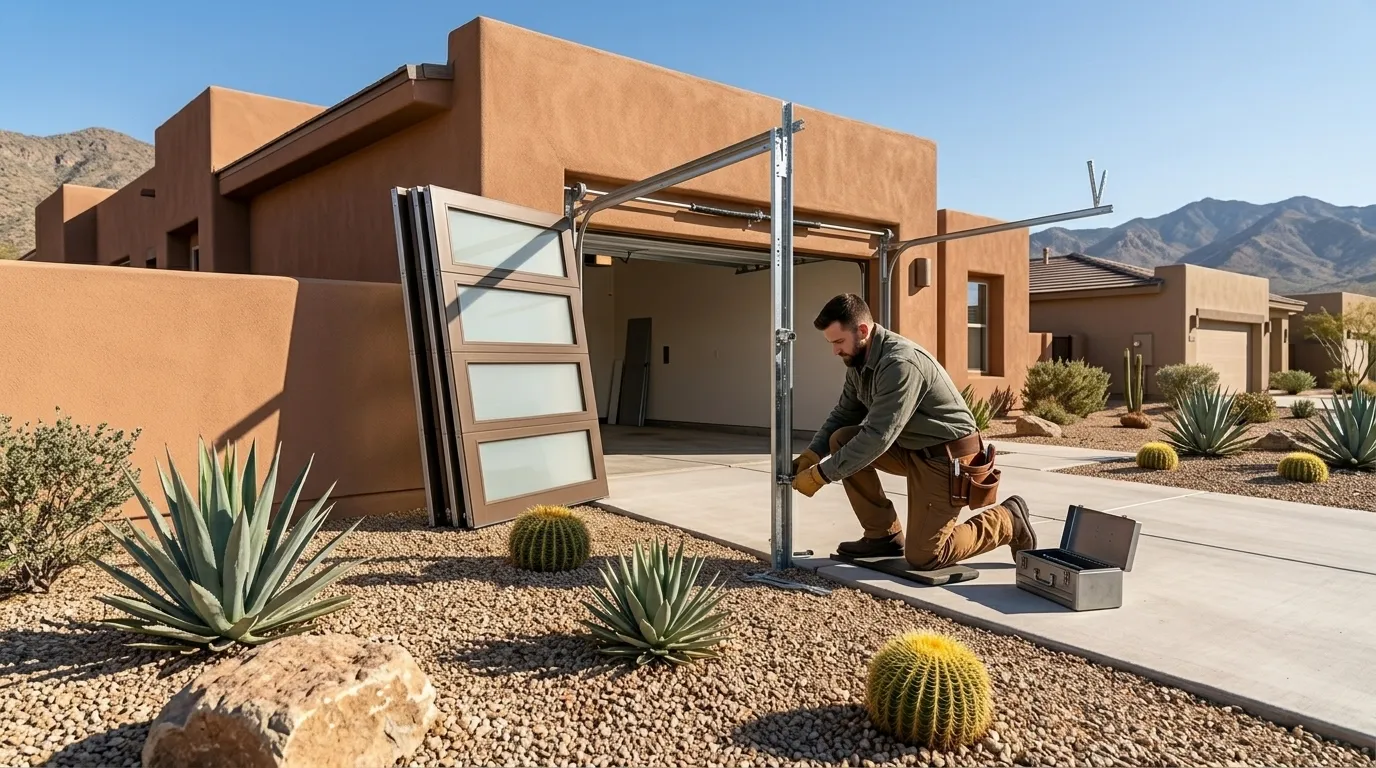
Swapping panels or a full door is not a bolt-together kit job, no matter what the big-box store display makes it look like. The spring alone, sized for a double door built around 2005 construction standards, stores enough force to break a hand or a face if it lets go while you're threading it onto the shaft. We'd rather tell you that upfront than sell you a service call after the fact.
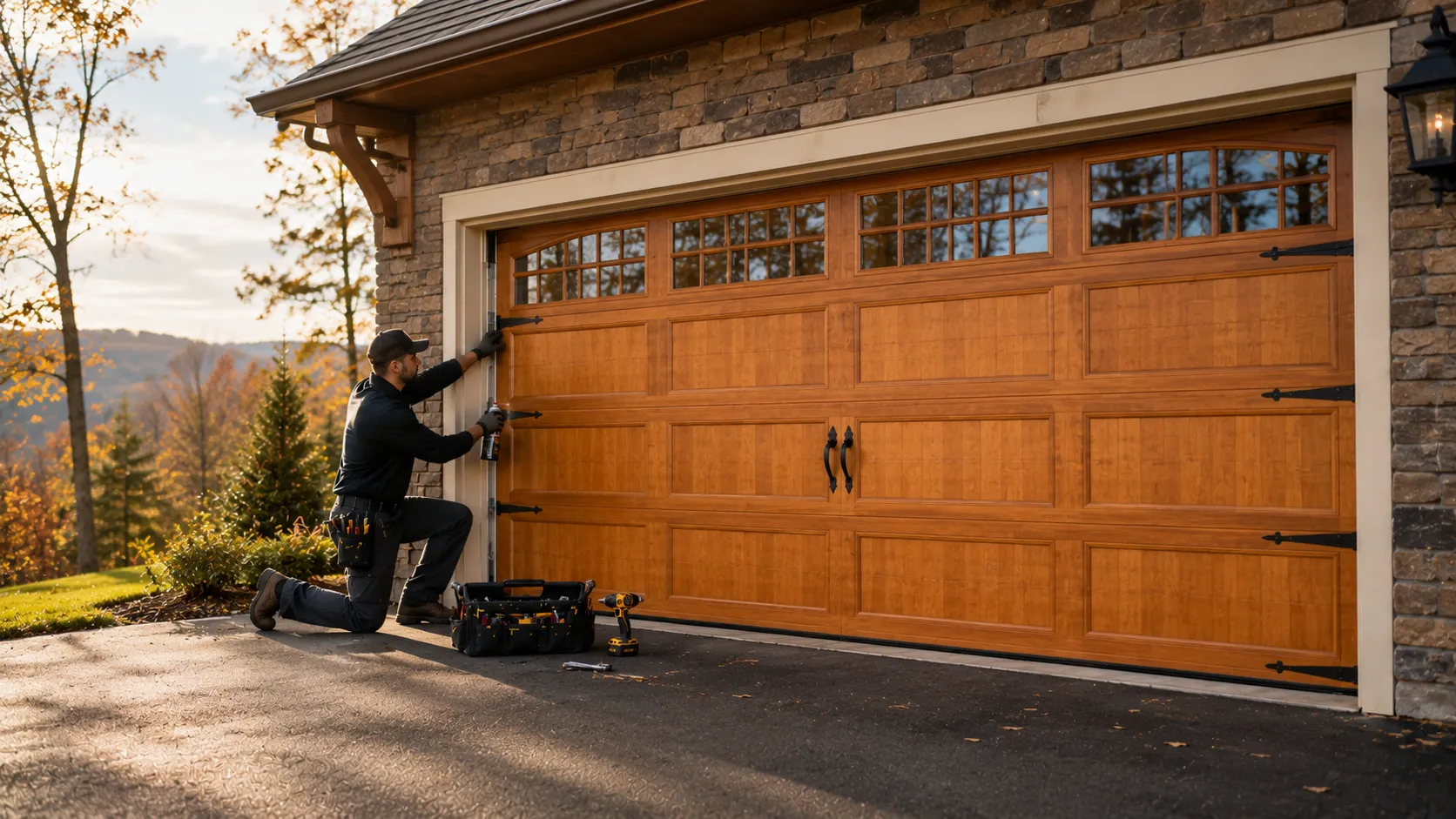
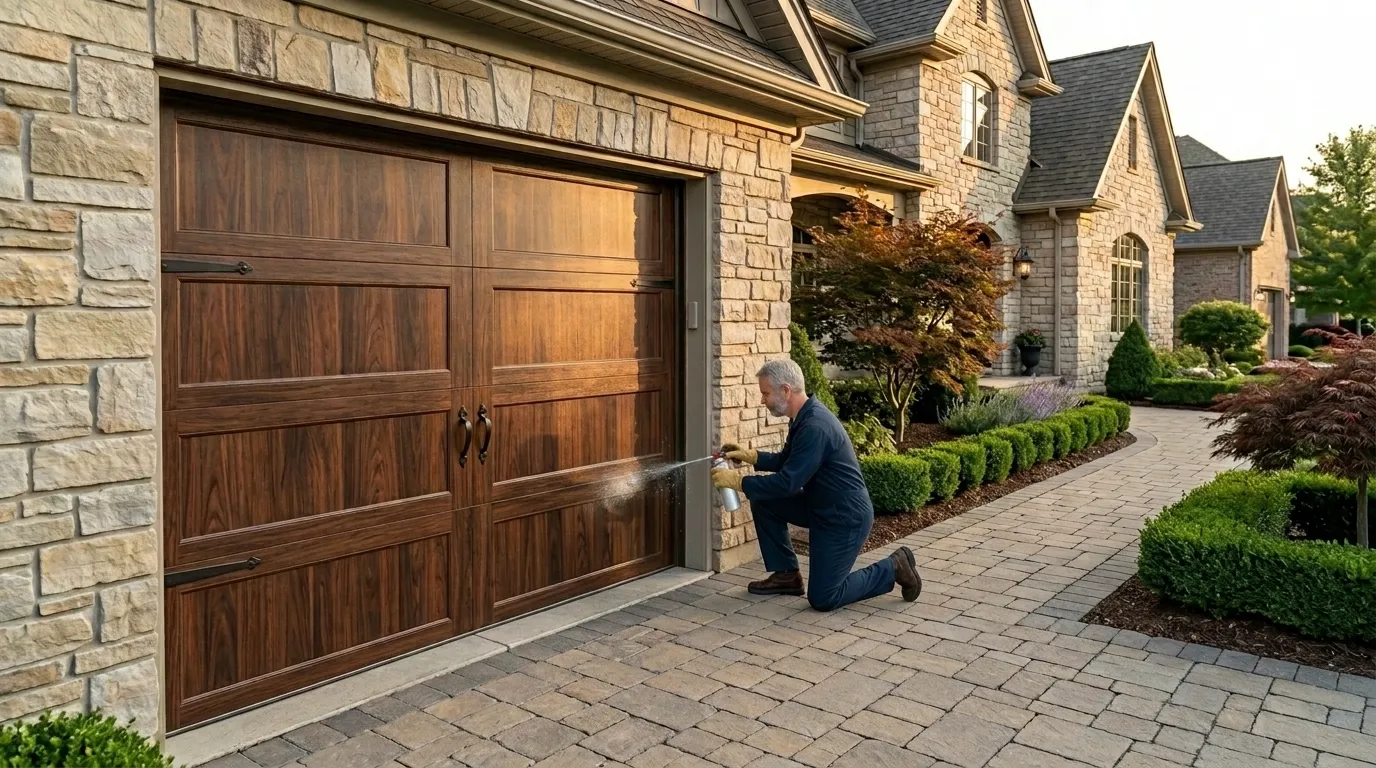
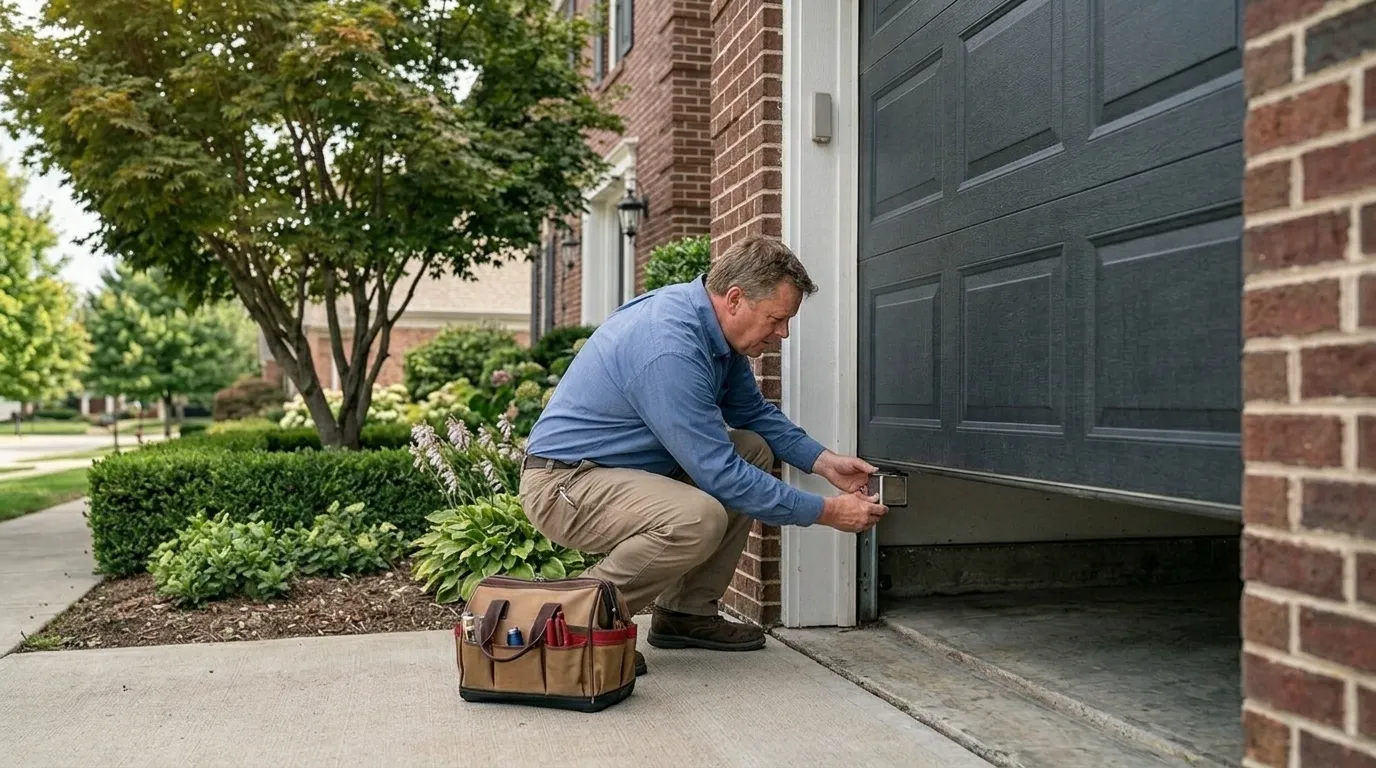
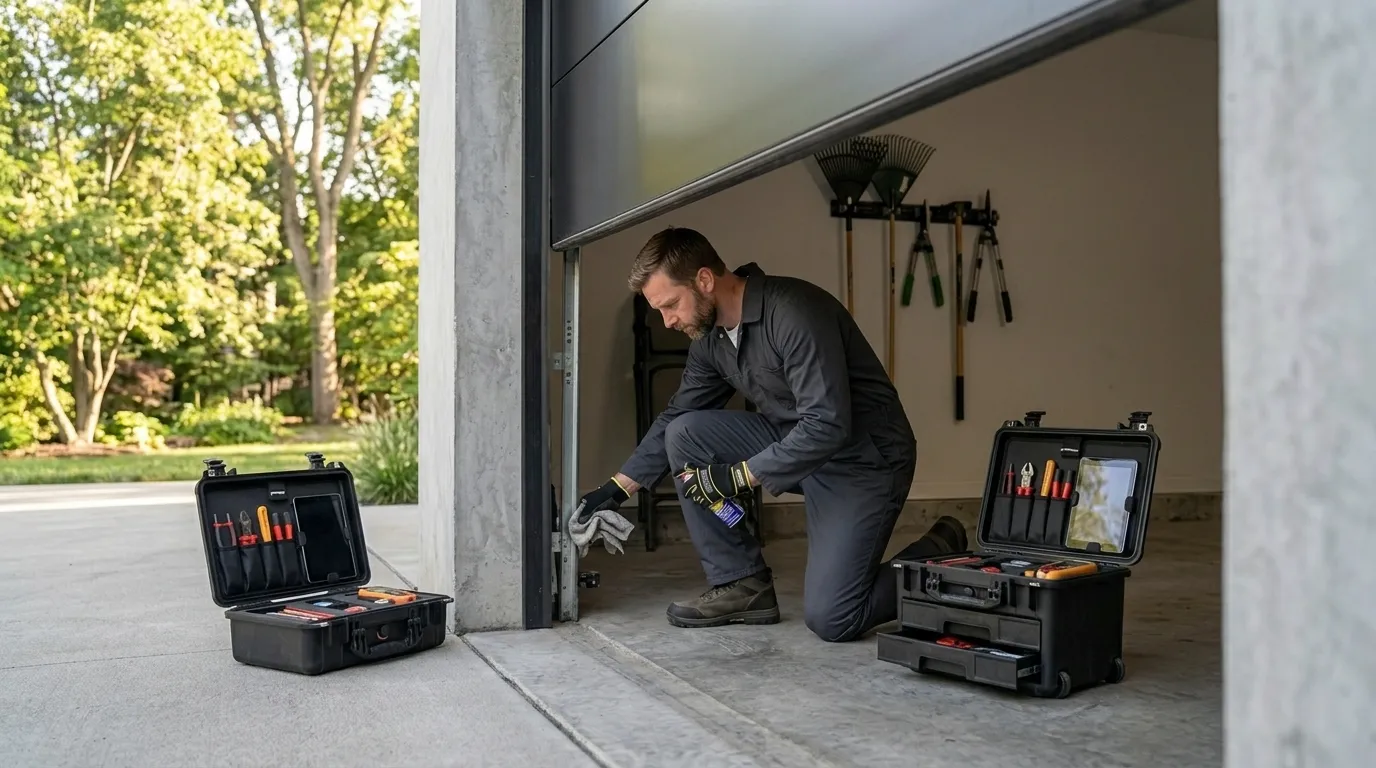
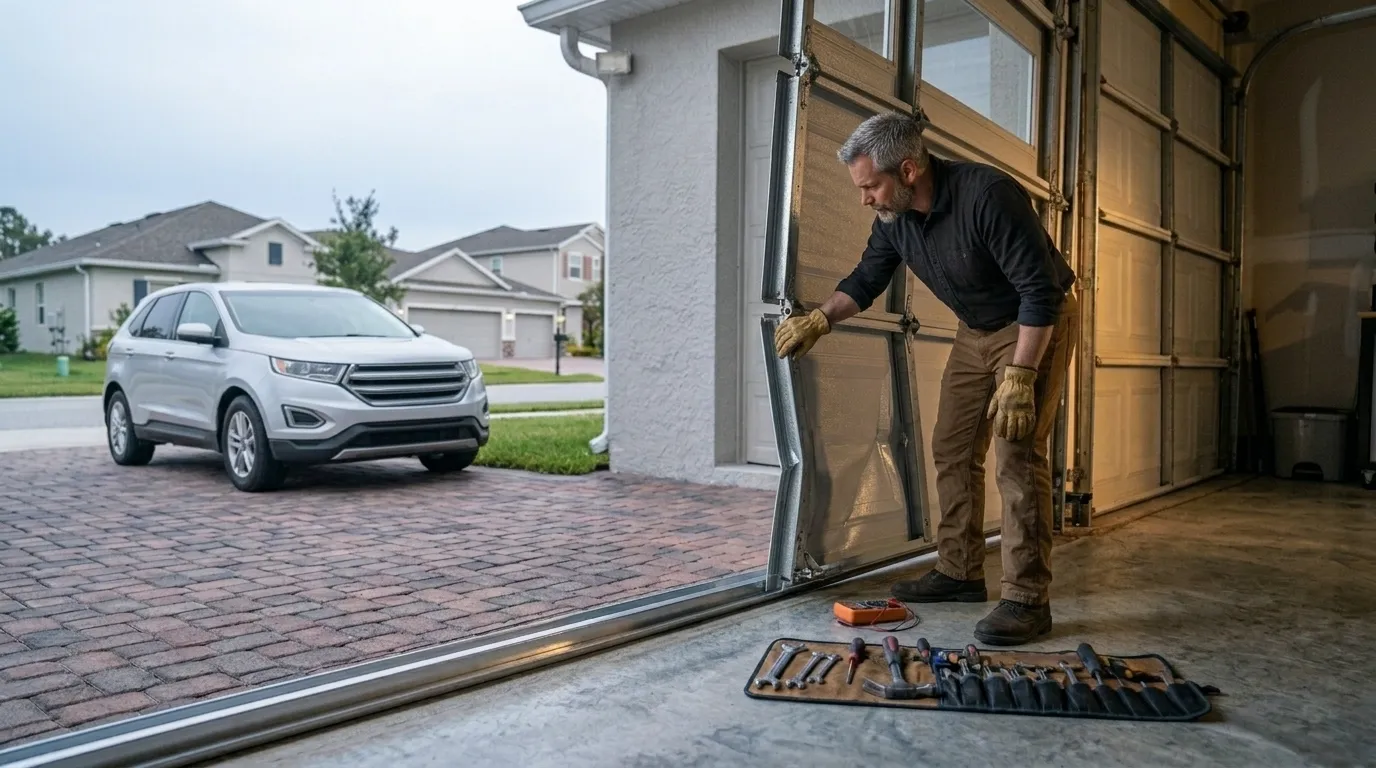
What you can reasonably do yourself: clean and lubricate rollers and hinges, check weatherstripping at the bottom seal, and tighten loose lag bolts on the track brackets. What you shouldn't: cut or wind a torsion spring, adjust cable drums, or remove a door that's still under tension. If you're not sure which category a job falls into, that uncertainty is itself the answer - call it in.
What You Are Seeing
Most of Murphy's housing stock, like the broader 2000s-era construction across this part of the service area, was built with steel sectional doors on standard torsion springs - not the older one-piece or extension-spring setups you'd find in a neighborhood built decades earlier. That's good news: parts for 2000s-era torsion hardware are still common, not the discontinued stuff we sometimes chase down on older jobs closer to Garland.
What we actually see called in from Murphy is less about the door failing and more about mismatch: a door installed at builder-grade spec back when the house went up, now running an opener that's been swapped once already, with a spring rated for the original door weight but not for the heavier insulated replacement someone's considering. If you're upgrading the door, the spring size has to move with it - that's not optional.
What Can Go Wrong
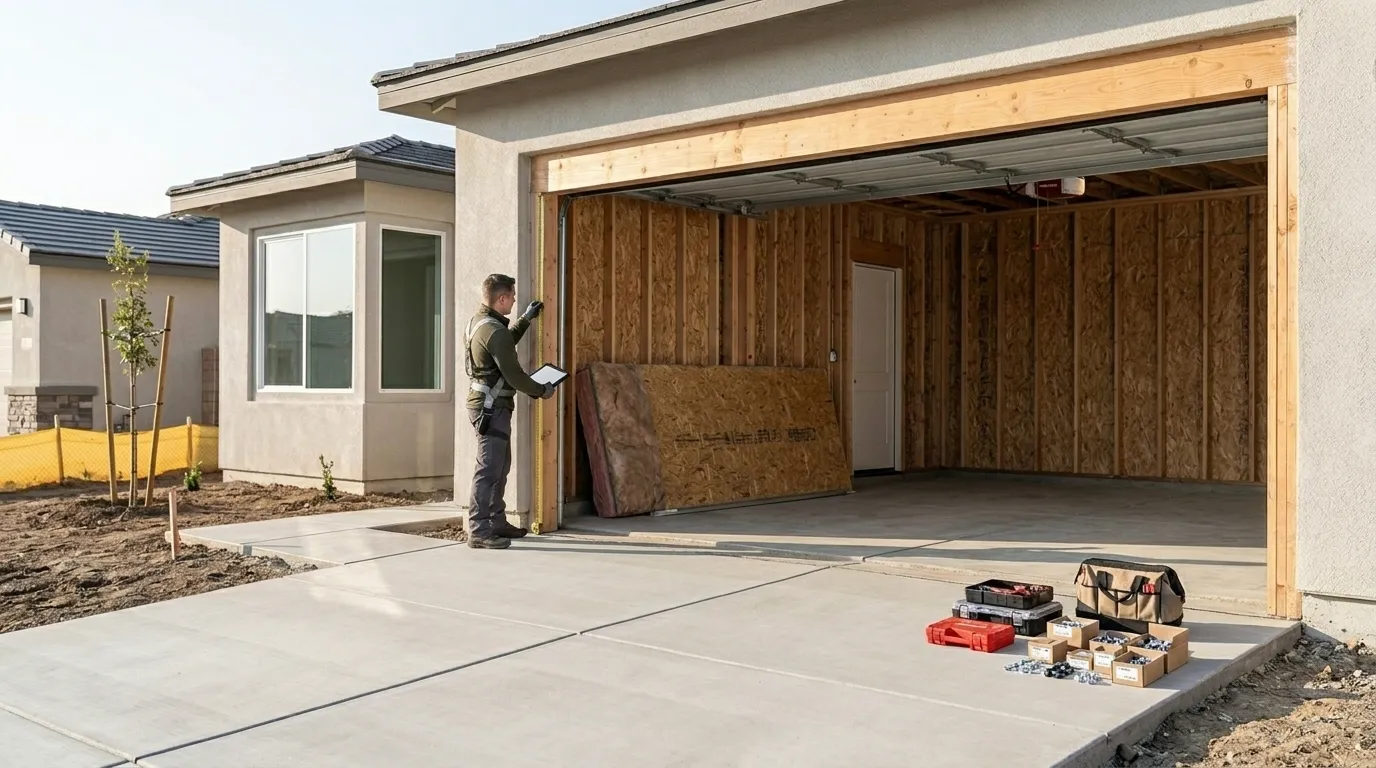
The most common misstep on an install like this is matching a new door to the old opener without checking the opener's lift capacity - a heavier insulated door can outweigh a builder-grade opener from the original 2005 build, and the motor will burn out faster than it should. The second is skipping a permit check on the opening size if you're going wider than the original; not every Murphy lot has the same setback, and we won't guess on that.
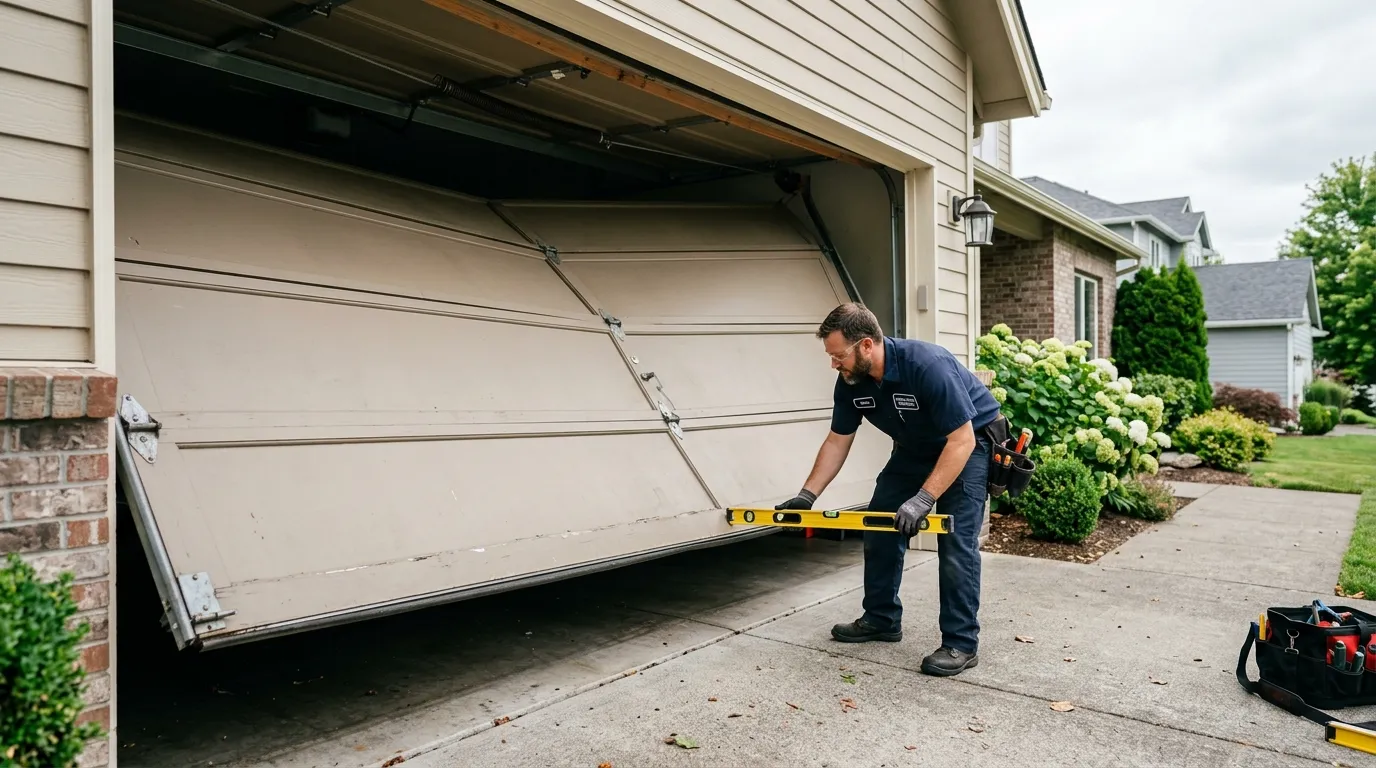
The honest limitation: if your framing has shifted enough that the opening is no longer square, that's a carpentry fix before it's a door fix, and it's not something we resolve on an install visit. We'll flag it and point you to what needs to happen first rather than force a door into an opening that isn't ready for it.