Can You Do This Yourself
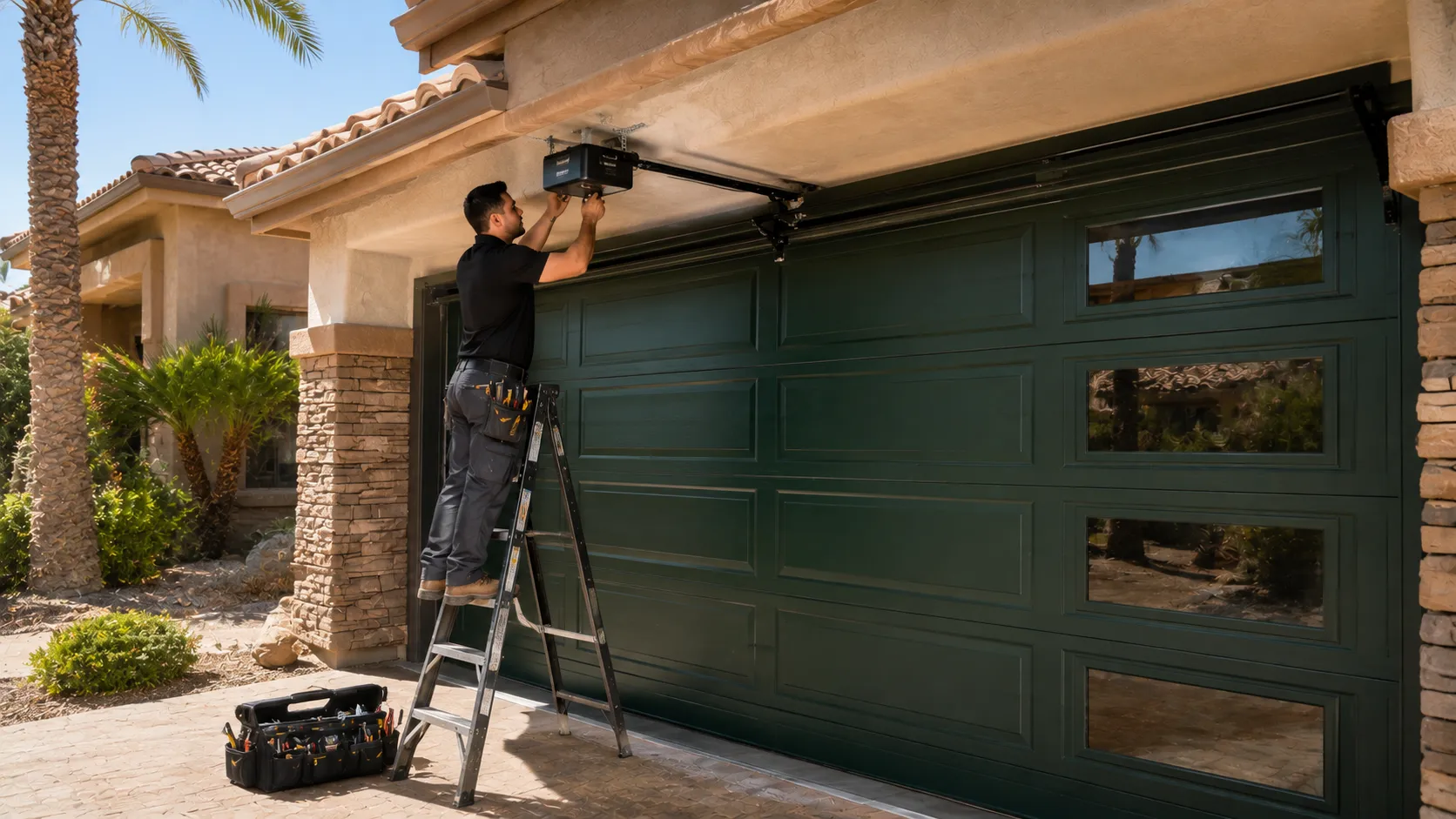
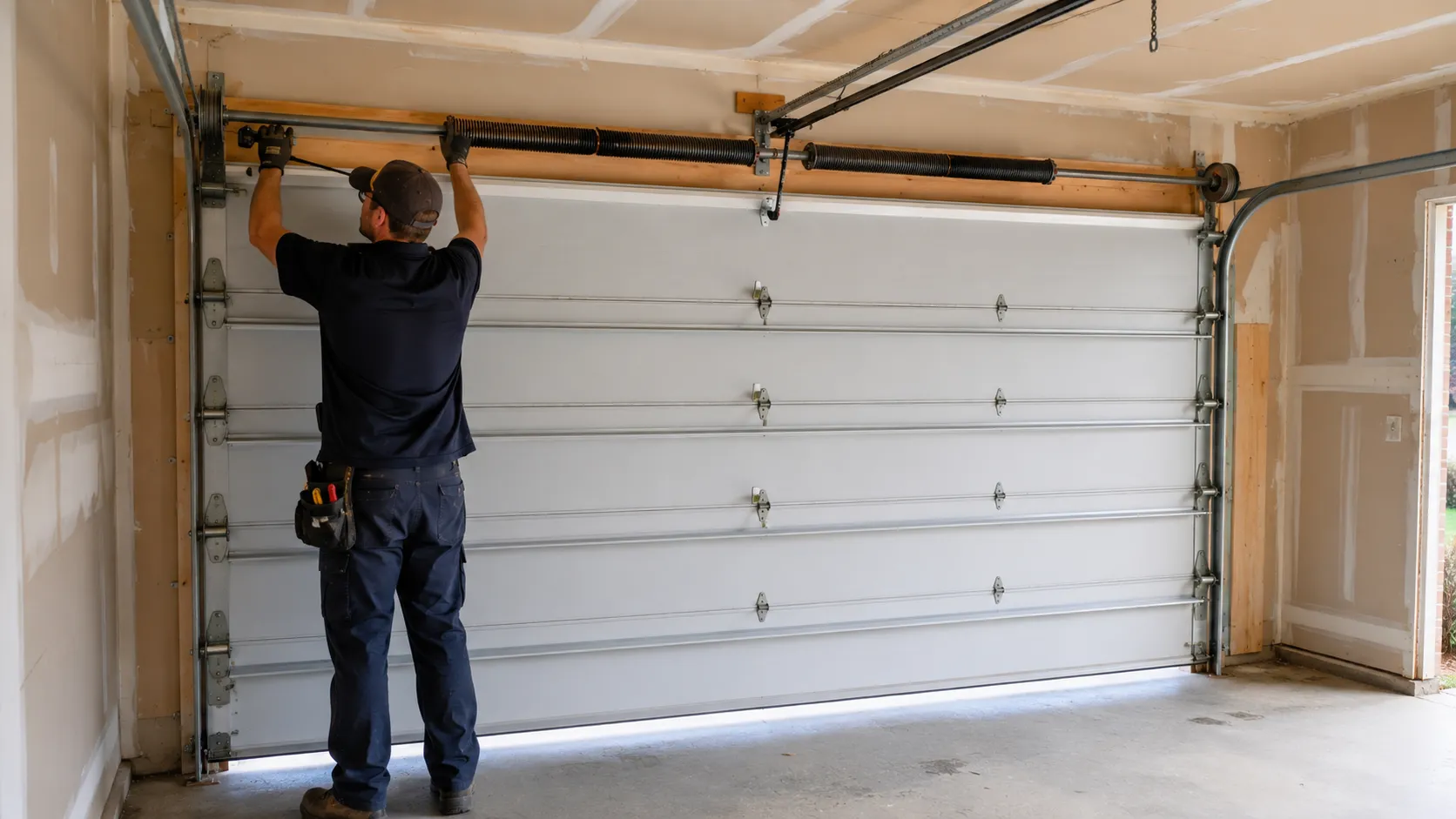
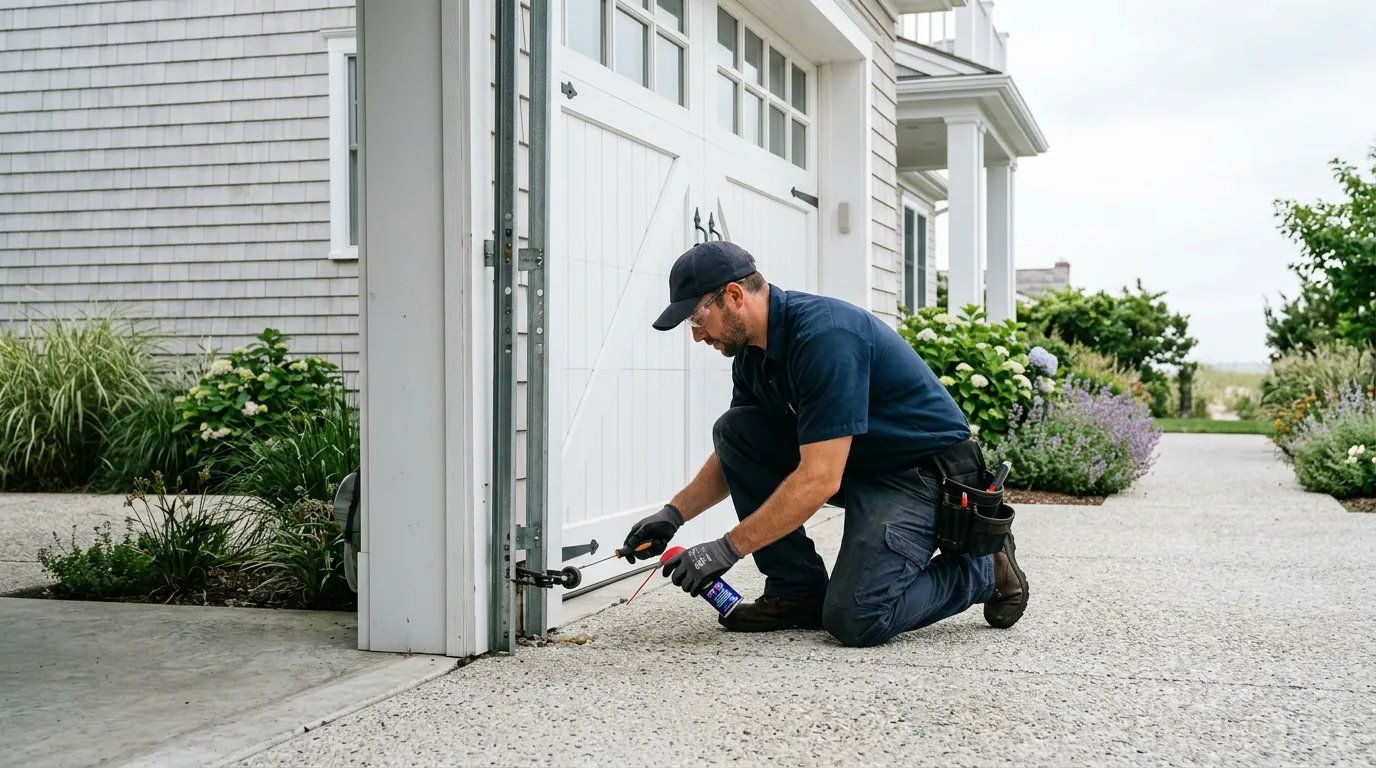
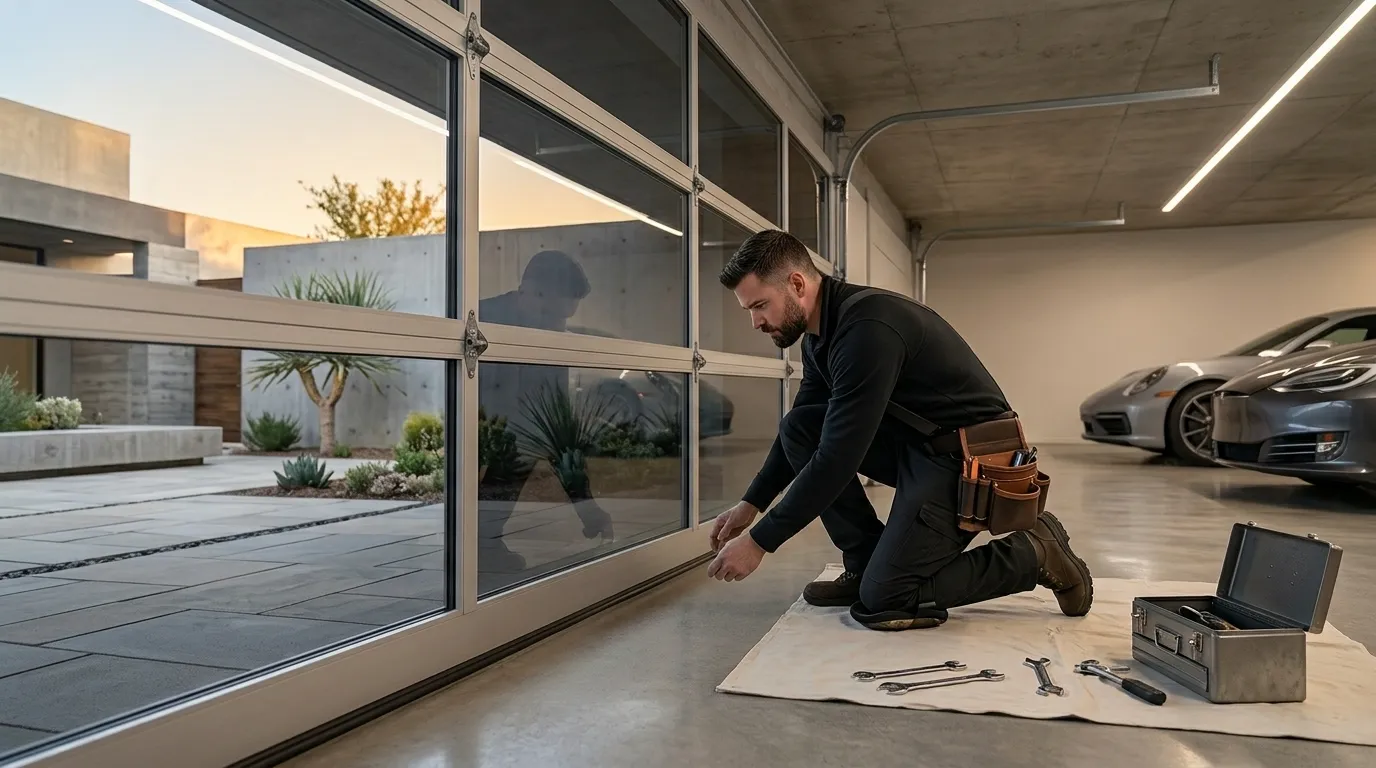
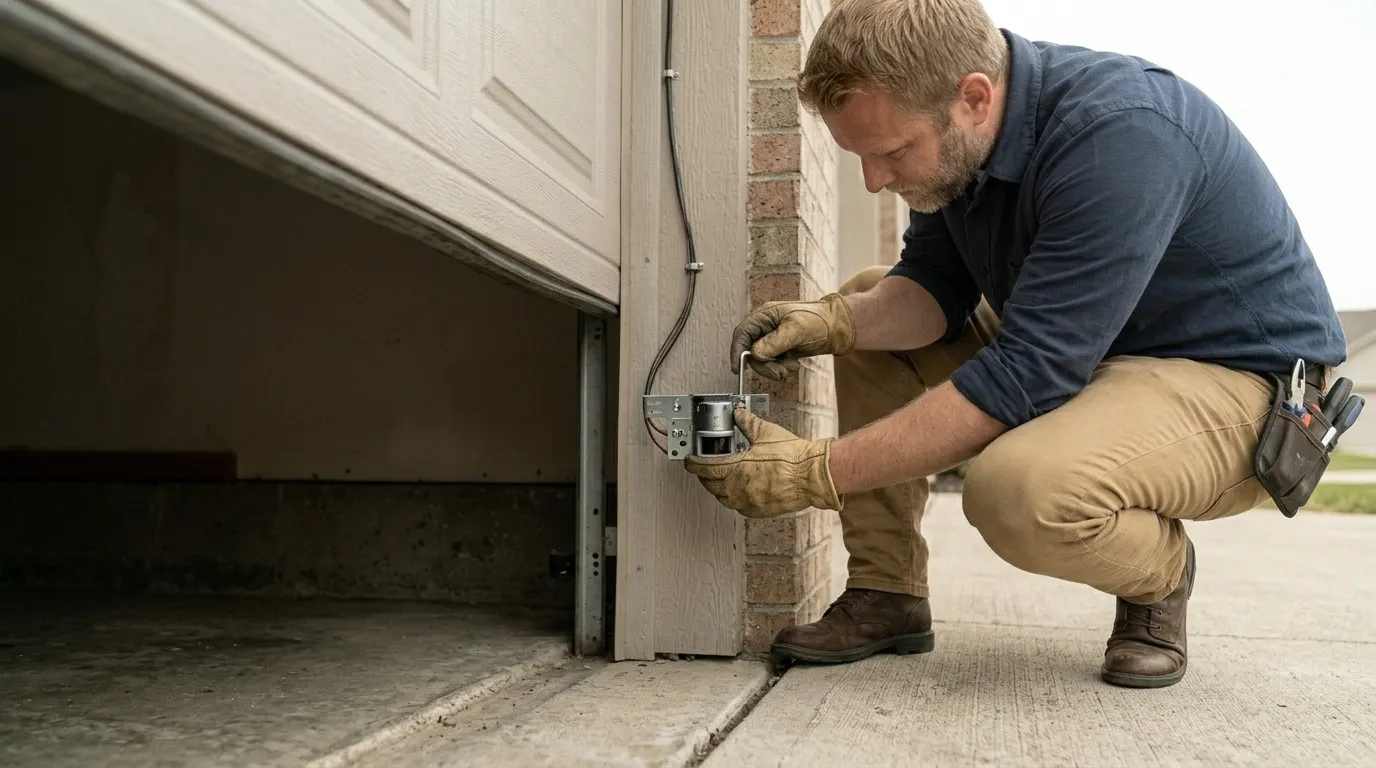
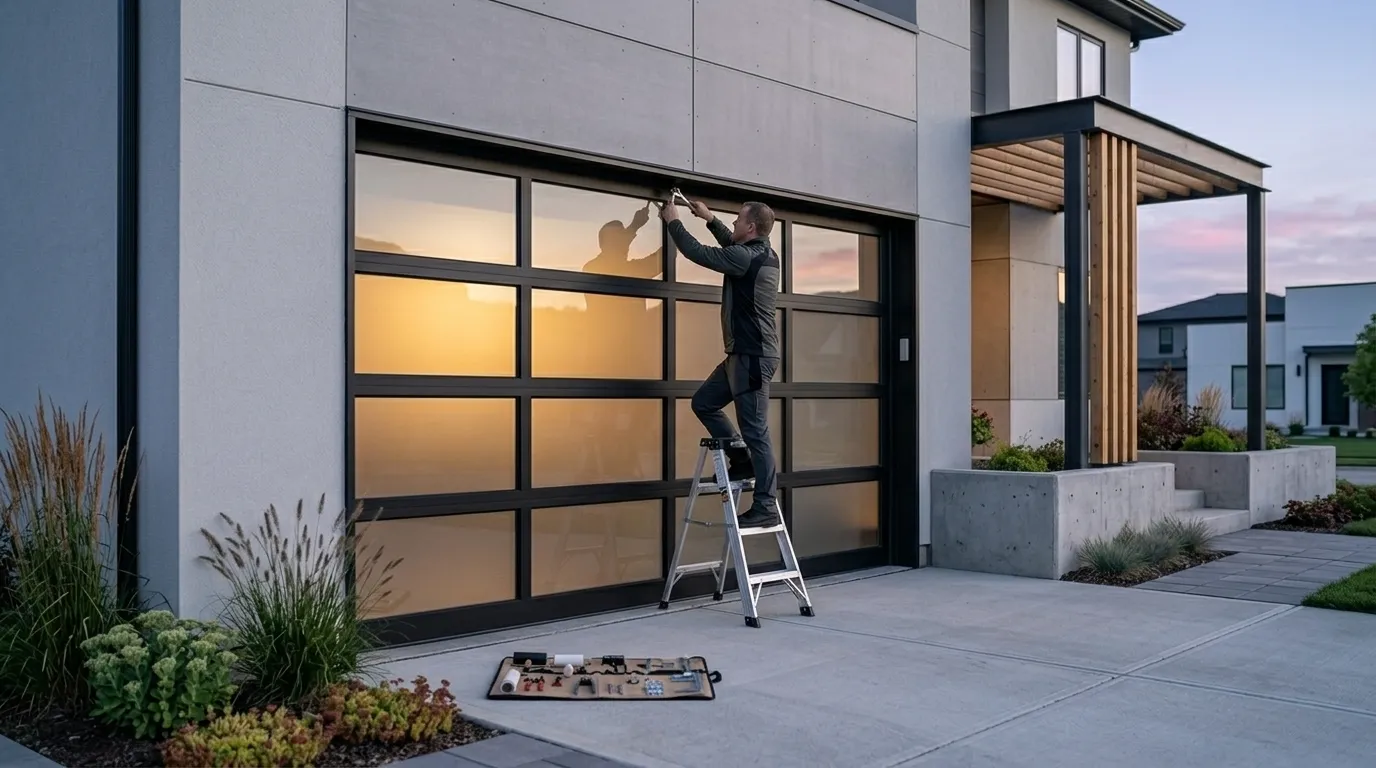
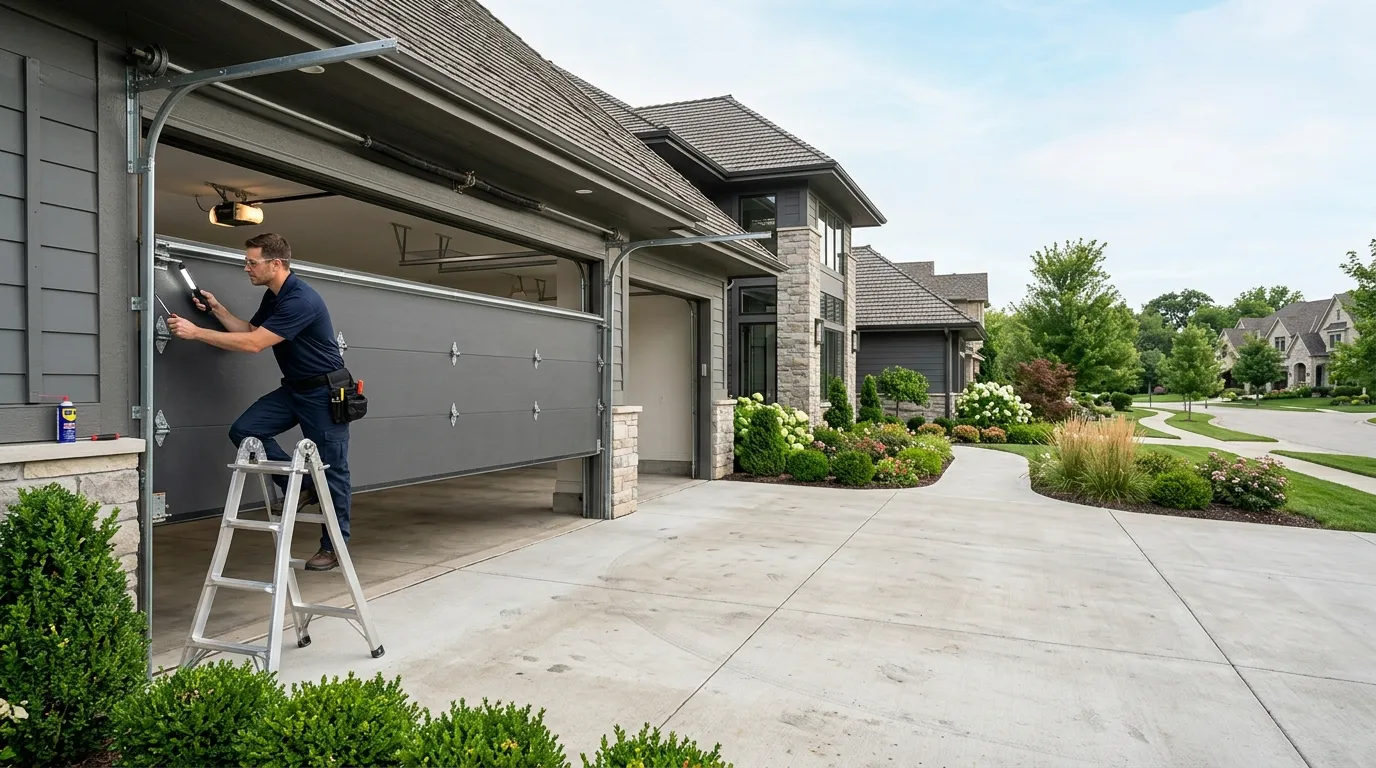
A torsion spring under tension can take a finger or worse, and that's true whether the door is five years old or fifty. If the opener just needs a new remote battery or the sensor eyes need re-aligning after someone bumped them with a bike, that's a five-minute job you can do yourself - no tools, no risk. Lubricating rollers and hinges with the right garage door lubricant (not WD-40, which strips grease) is also fine to handle on your own and worth doing twice a year. Where we draw the line is anything involving the spring, the cables, or the torsion shaft itself. On a 2005-era door those components are usually original or close to it, meaning they're near or past the point where age plus fatigue makes them unpredictable. If your door feels heavy to lift by hand, or one side of the door looks lower than the other when it's open, that's spring or cable trouble - leave it closed and make the call rather than guessing at it with a ladder.
What You Are Seeing
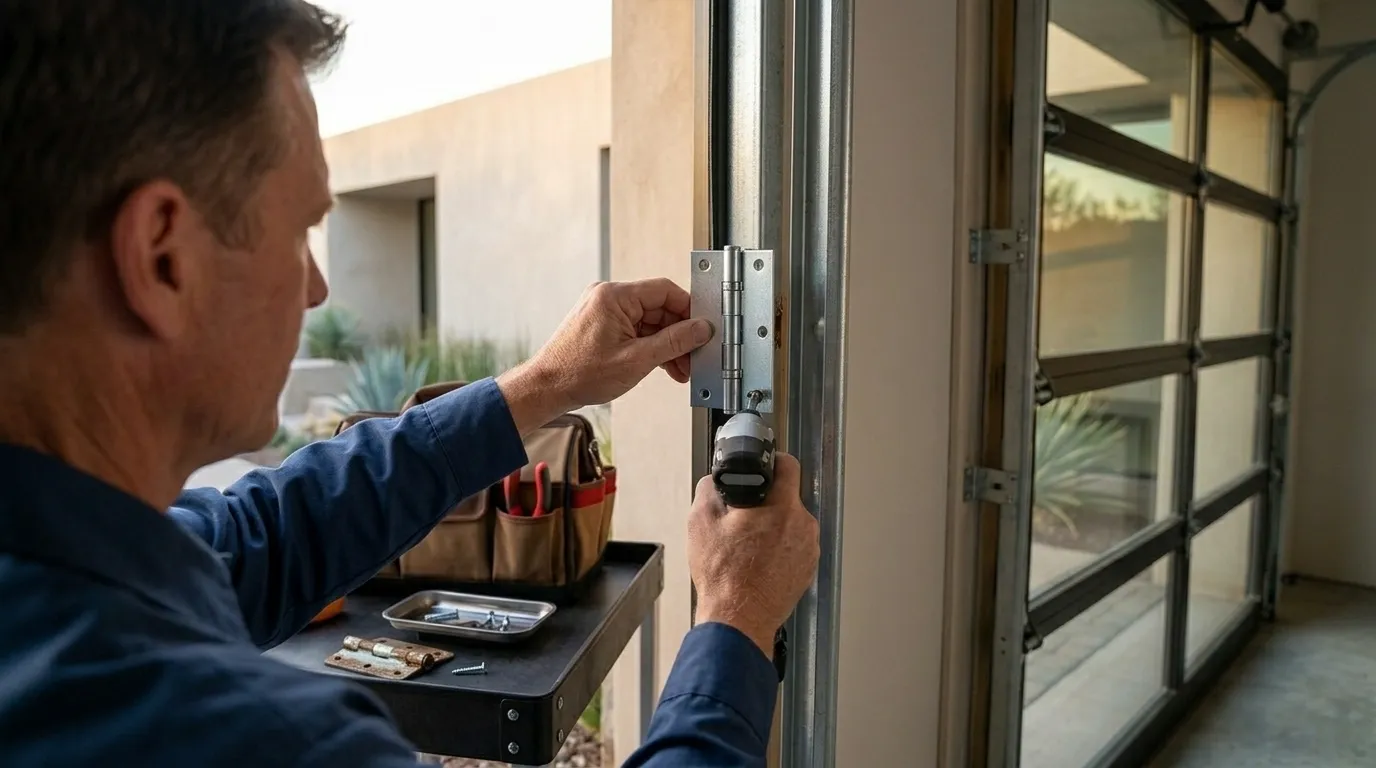
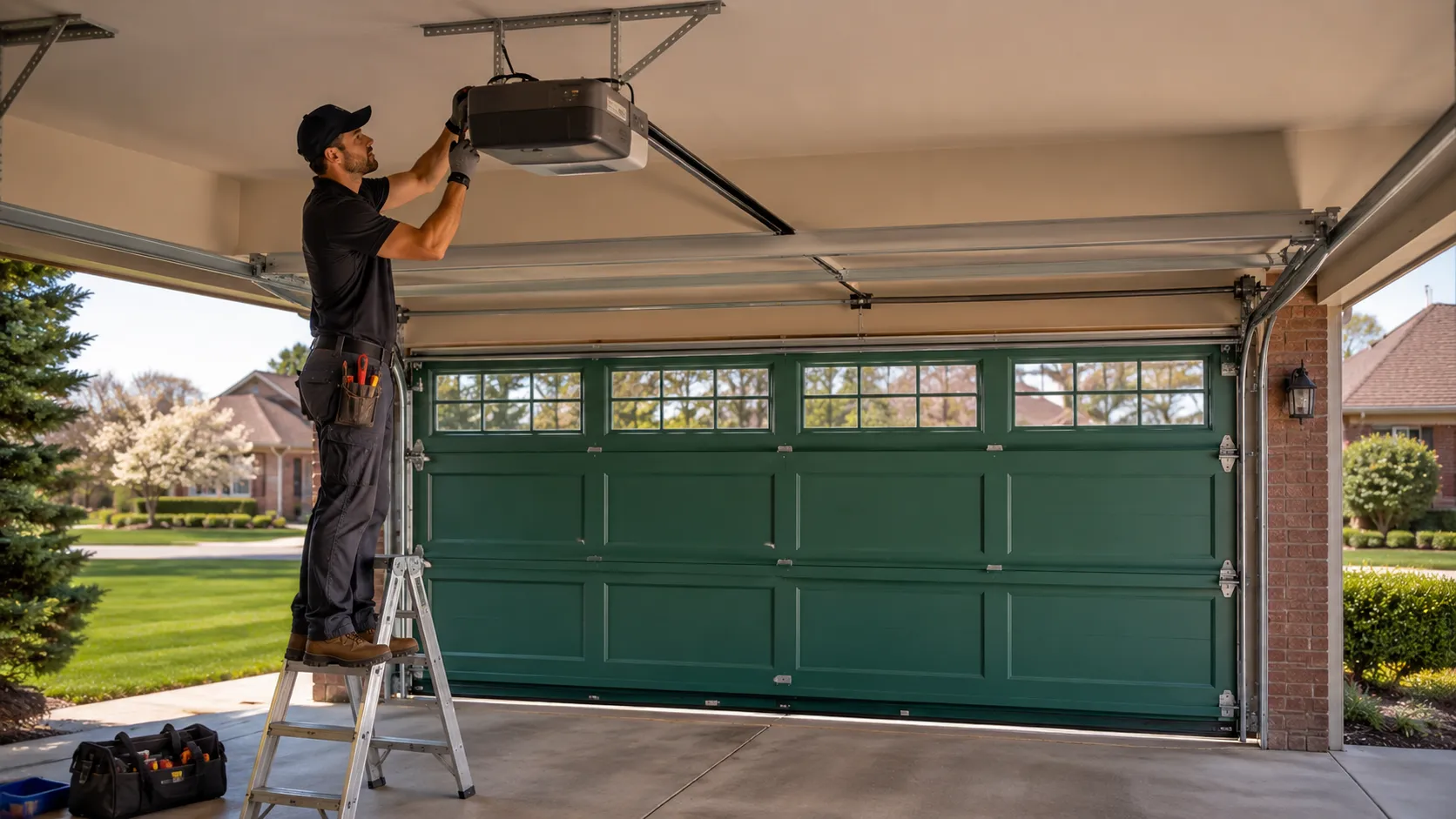
With most Murphy homes going up in the 2000s, the failure pattern here is fairly predictable: openers reaching the end of their working life, torsion springs finally giving out after years of cycles, and rollers or hinges wearing loose enough to make the door rattle or bind partway through its travel. You're less likely to run into the old side-mounted spring setups or warped wood doors that show up in older towns - this housing stock is too young for that. What does show up is builder-grade hardware finally wearing out on schedule: a spring rated for a certain number of cycles that's simply used them up, or an opener logic board that's given out after fifteen-plus years of daily use. The moderate heat in this part of Texas doesn't wreck garage doors the way ice and heavy snow do elsewhere, but sustained heat still dries out lubricant faster and can make plastic opener gears brittle sooner than you'd expect. If your door has started making a distinct grinding or clunking sound only in the middle of its travel, that's usually a roller or track issue, not the spring - worth mentioning when you call so we bring the right parts.
What Can Go Wrong
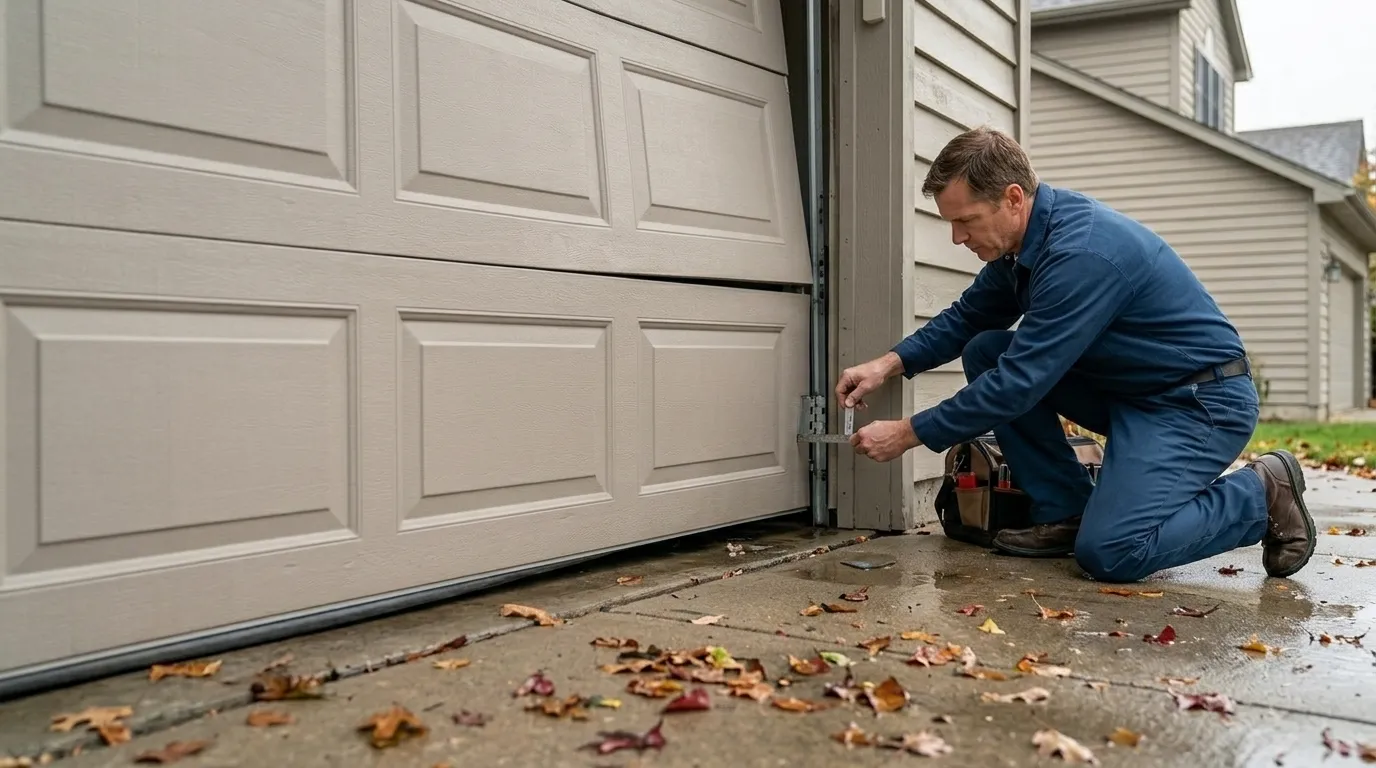
The most common misdiagnosis on newer stock like this is blaming the opener when the actual problem is a weakening torsion spring - the opener just has to work harder, so it looks like the opener is failing when it's really straining against a spring near the end of its life. Replace the opener without fixing the spring and you'll be back to square one within months. Another one: a door that's slightly off-track from age and settling can look like a bent panel, when tightening and realigning the track fixes it without touching the door itself. And on the income and household profile we see across this area, a lot of owners default to full opener replacement when a $30-40 logic board or capacitor swap would do the job - worth asking about before you commit to new. Honest limitation: if a spring has failed and taken cables or a panel with it in the same event, that's not always a same-visit fix - sometimes a panel has to be special-ordered to match, and we won't pretend otherwise just to close the job faster.