
Can You Do This Yourself
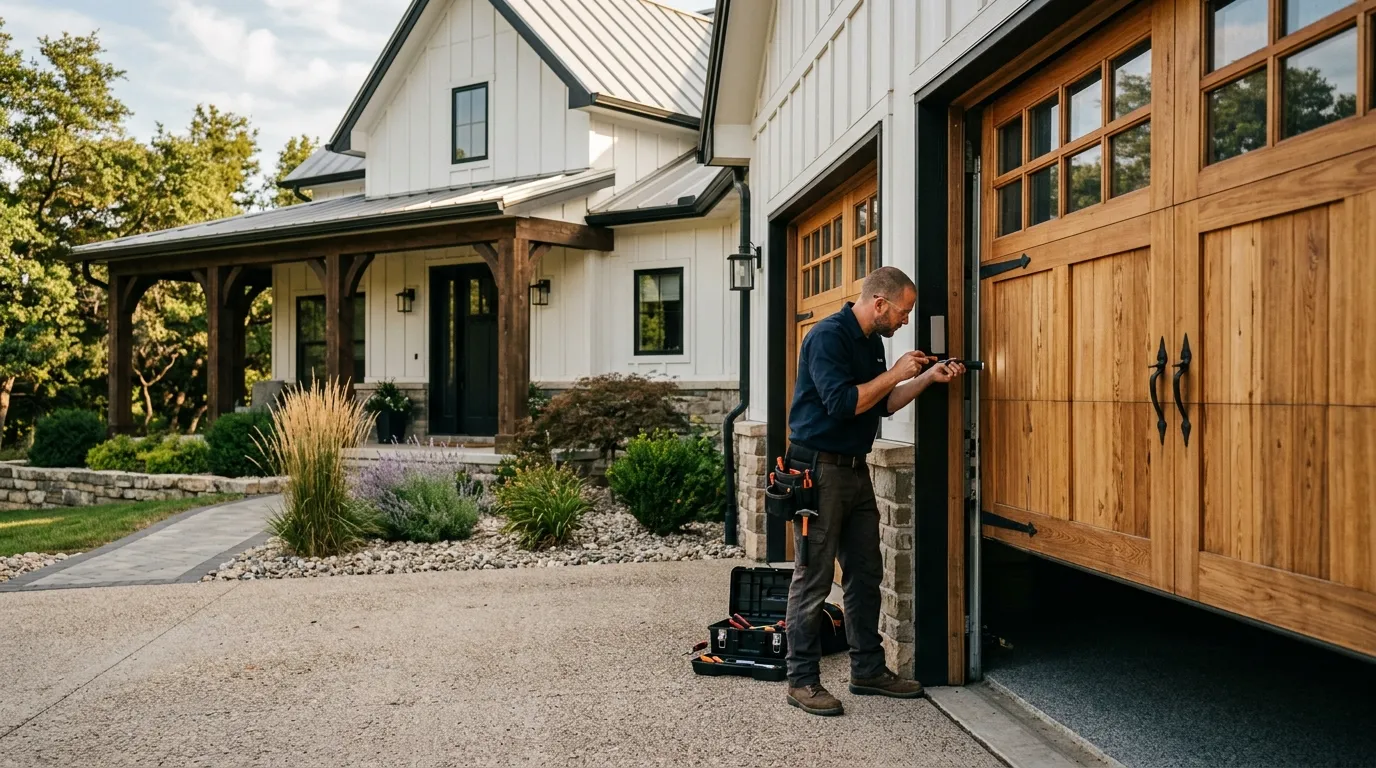
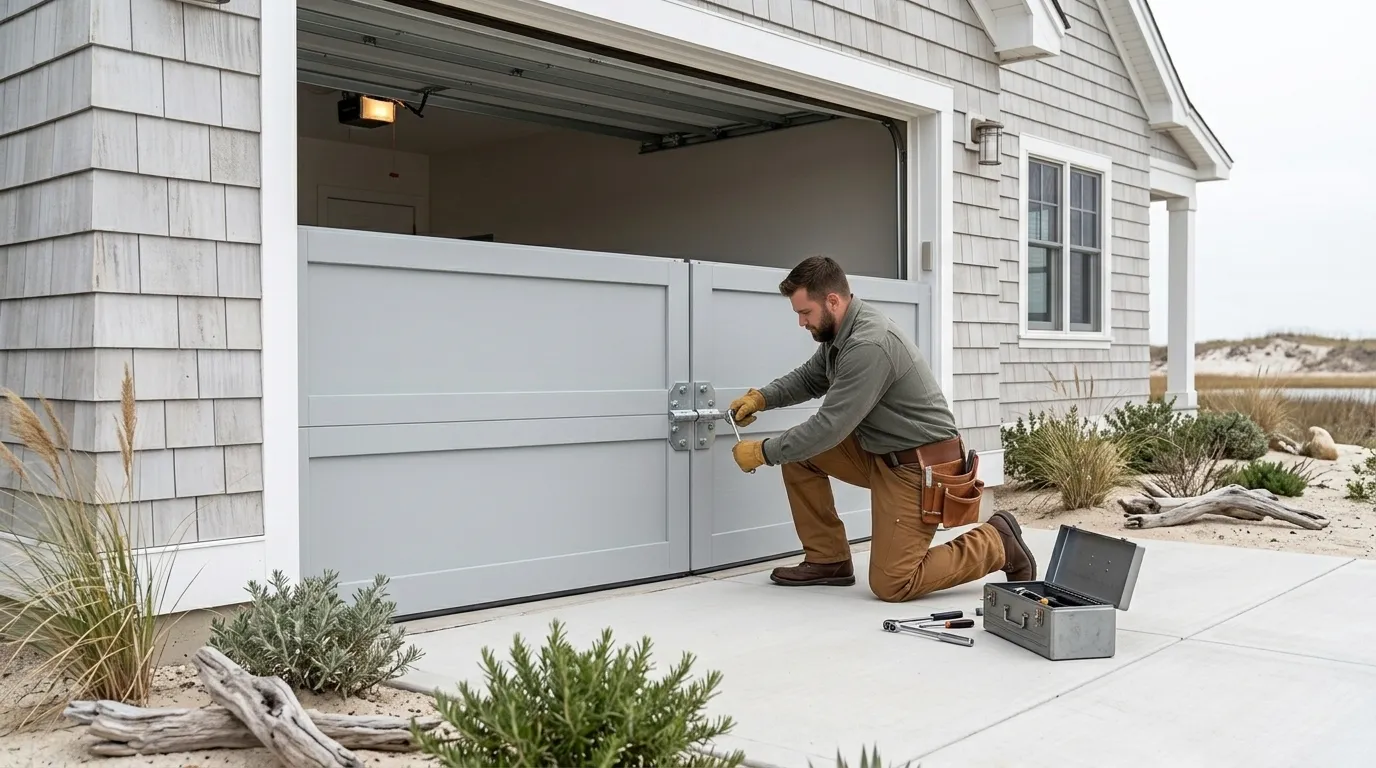
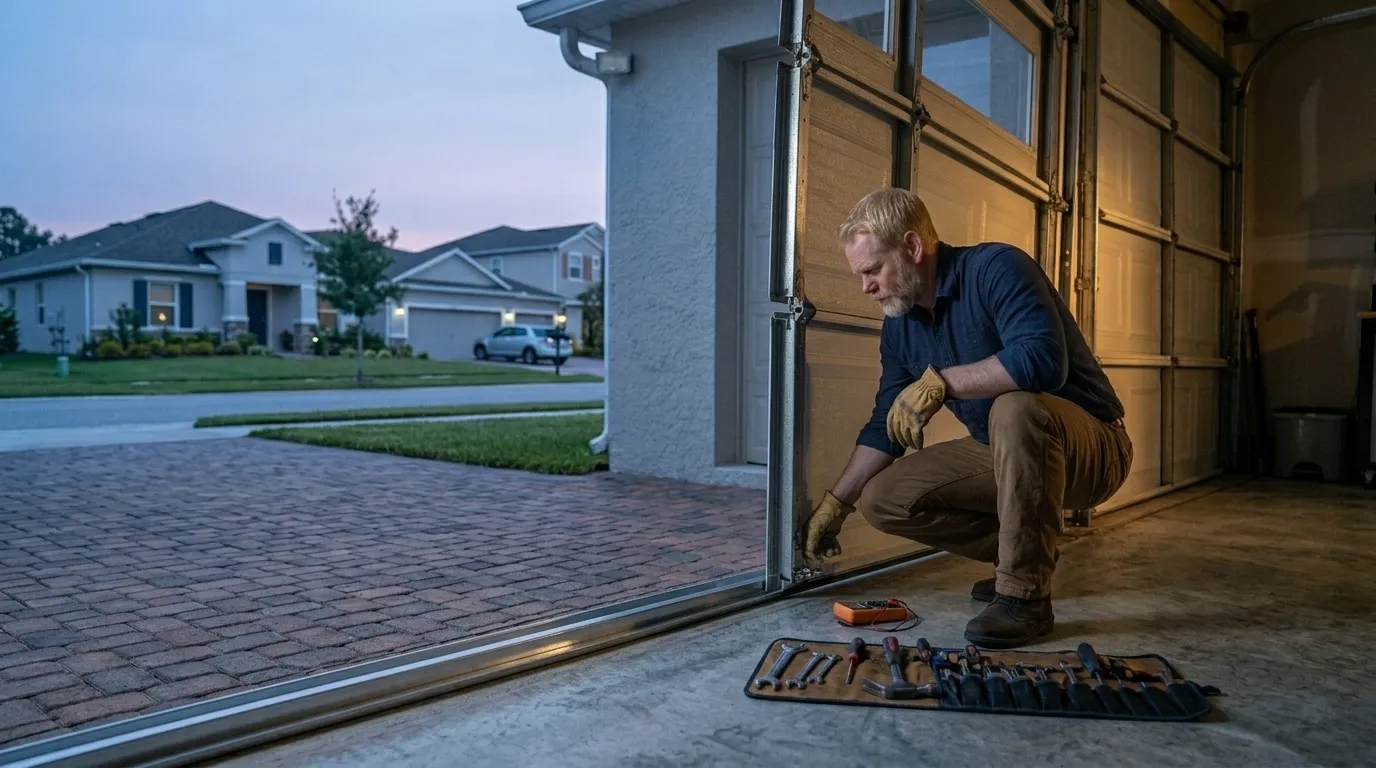
A commercial door is not a bigger version of a residential one. The springs are wound tighter, the doors are heavier, and a mis-set torsion spring on a 12-foot commercial door has enough stored energy to break a wrist or worse. If you're a facilities manager or a business owner in Murphy and something's making noise, you can safely check the obvious - are the tracks clear, are the photo-eye sensors aligned, is the opener even getting power. Beyond that, leave the spring and cable work to someone who does it daily. We don't recommend DIY spring replacement on commercial doors, full stop, not because we're protecting a job but because the failure mode is violent and the parts aren't cheap to replace twice. If your opener is cycling but the door isn't moving, or you hear a bang followed by the door dropping, that's a spring failure - kill the power to the opener and call, don't try to force it open manually.
What You Are Seeing
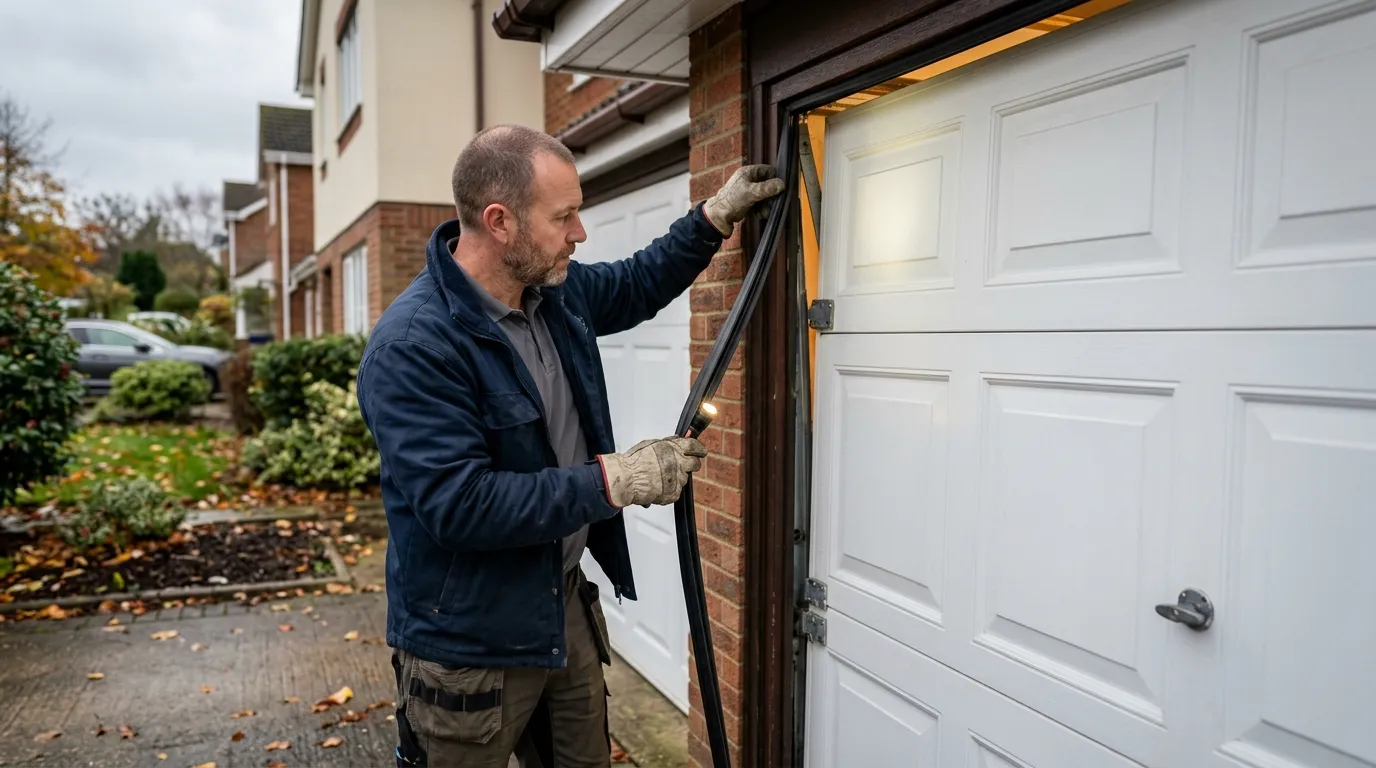
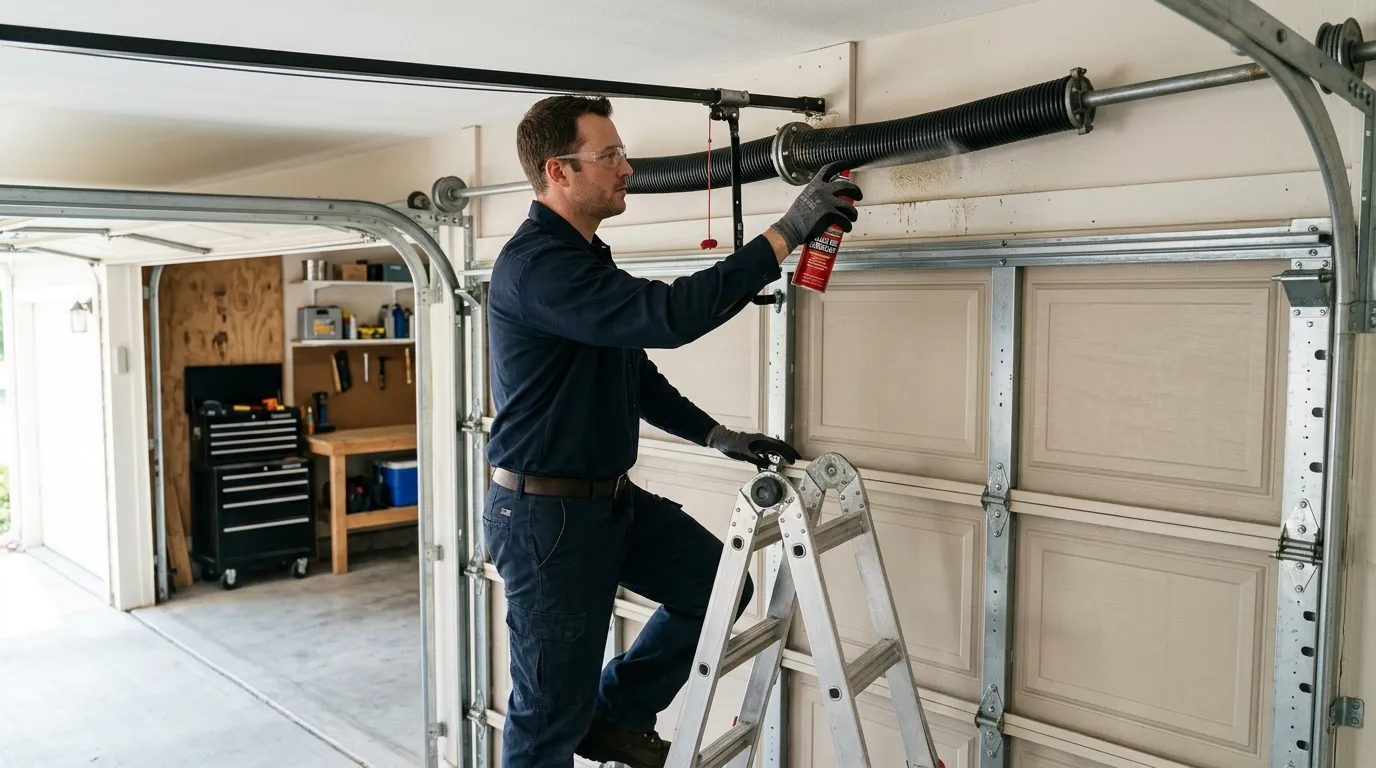
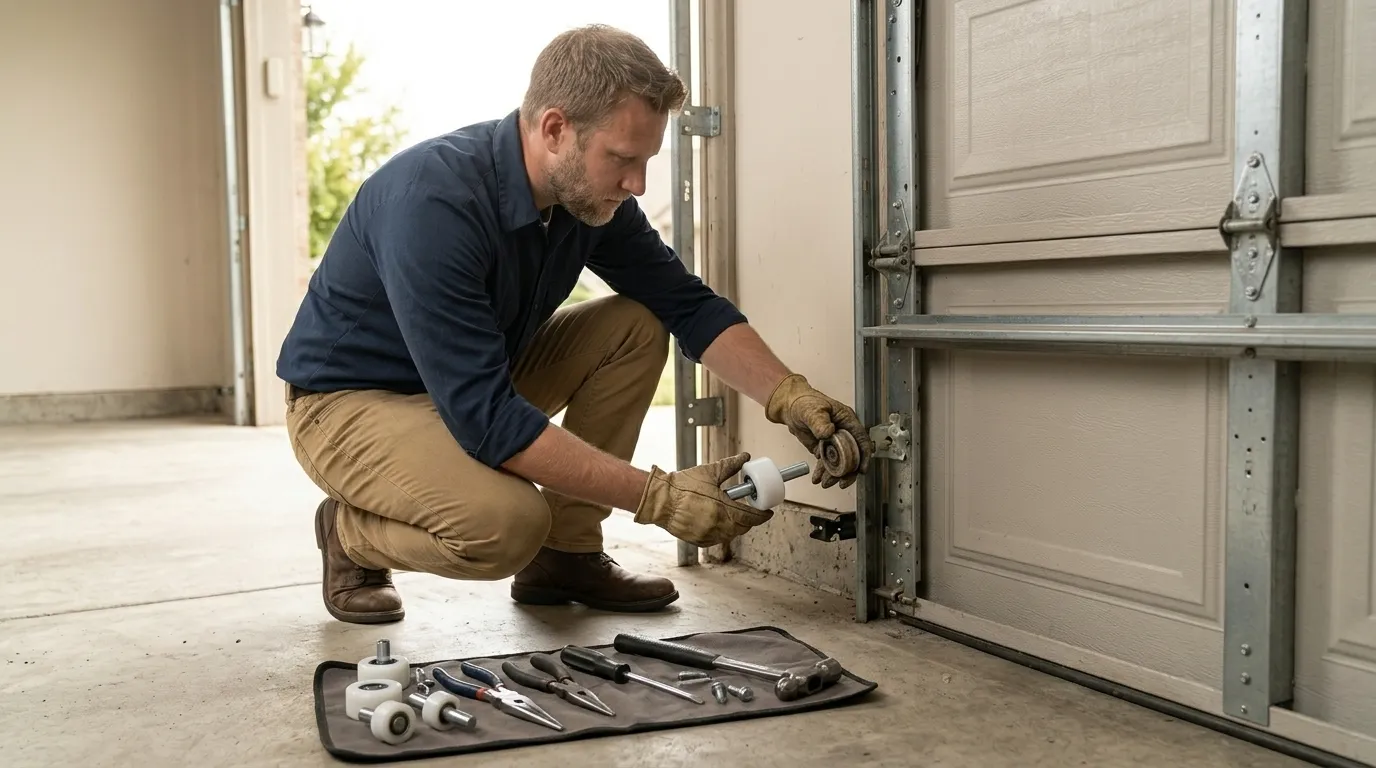
Buildings from Murphy's mid-2000s construction wave are old enough now that original nylon rollers are wearing out and factory lubrication on torsion springs has long since dried up. What you notice first is usually noise - a grinding or popping sound on the way up - or a door that starts sagging on one side because a cable has started to fray. On higher-cycle commercial doors, that wear shows up faster than it would on a house, simply because the door is opening and closing dozens of times a day instead of twice. Another common one: openers original to a 2005-era building are reaching the end of their practical life, and boards fail quietly - the door works fine until one hot afternoon it doesn't. Texas summer heat runs hard on control boards and logic circuits inside metal opener housings, which is a real factor here even though it's not the extreme end of the climate range. None of this is unique to any one building, but it clusters around the age of the door and the number of times it's cycled, which is why the building's construction era is the first thing worth knowing before a truck rolls.
What Can Go Wrong
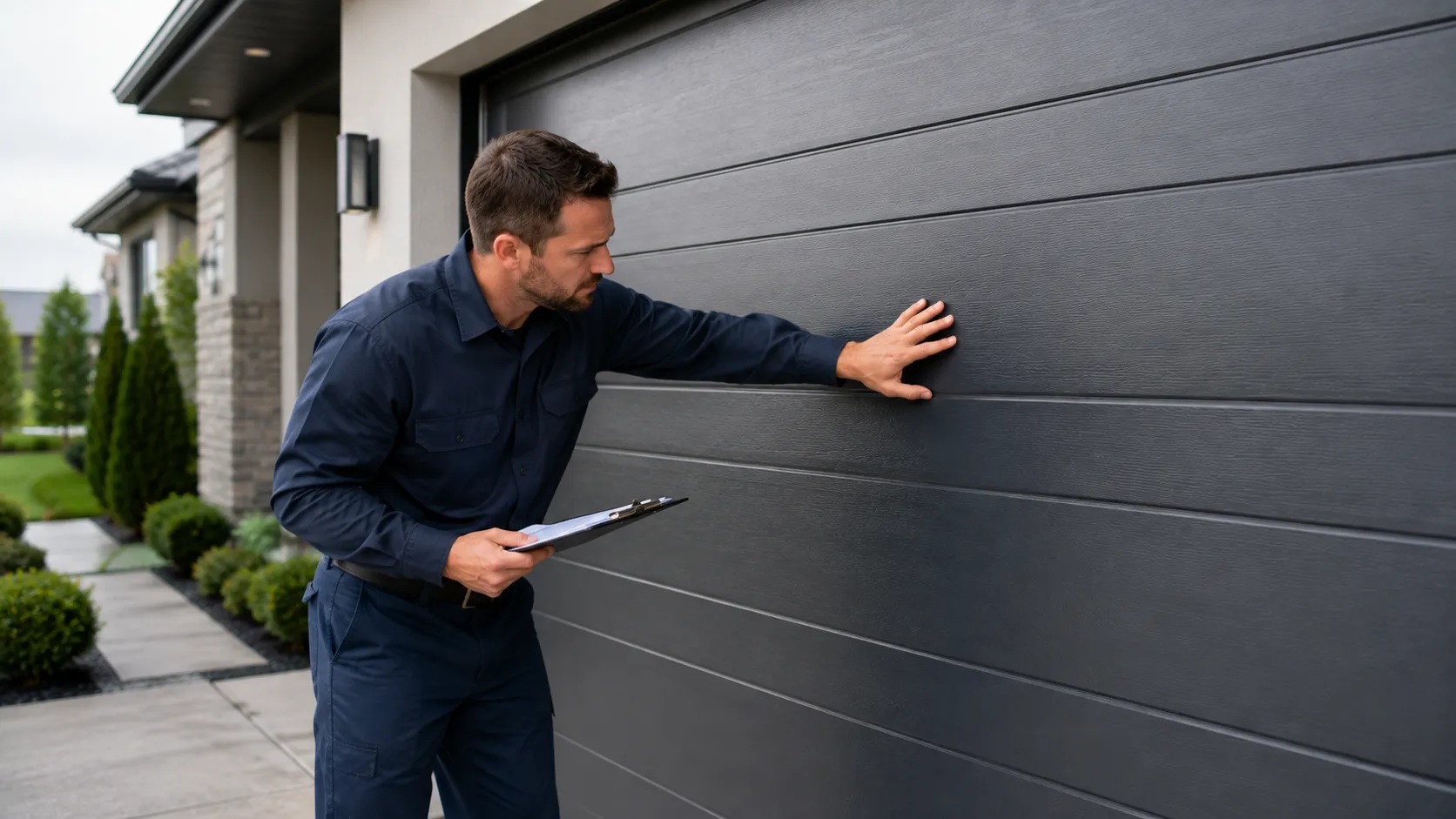
The biggest risk on a Murphy commercial call is a spring that's already failing quietly - a strand or two on a cable frayed, a spring one cycle from letting go - because a business owner kept using the door past the point a homeowner would have called. High-cycle doors don't give much warning before a full failure, and a door that drops mid-cycle on a loading bay is a liability problem as much as a repair one. Heat is the other factor: control boards in commercial openers run through a lot of on-off cycles on hot days, and a board that's marginal will often fail during the hottest stretch of the year rather than a mild one. The other thing that goes wrong is timing - if a part isn't standard stock, the door may be out of service longer than anyone wants while we source it. We'd rather tell a business owner that upfront than leave the door half-fixed.