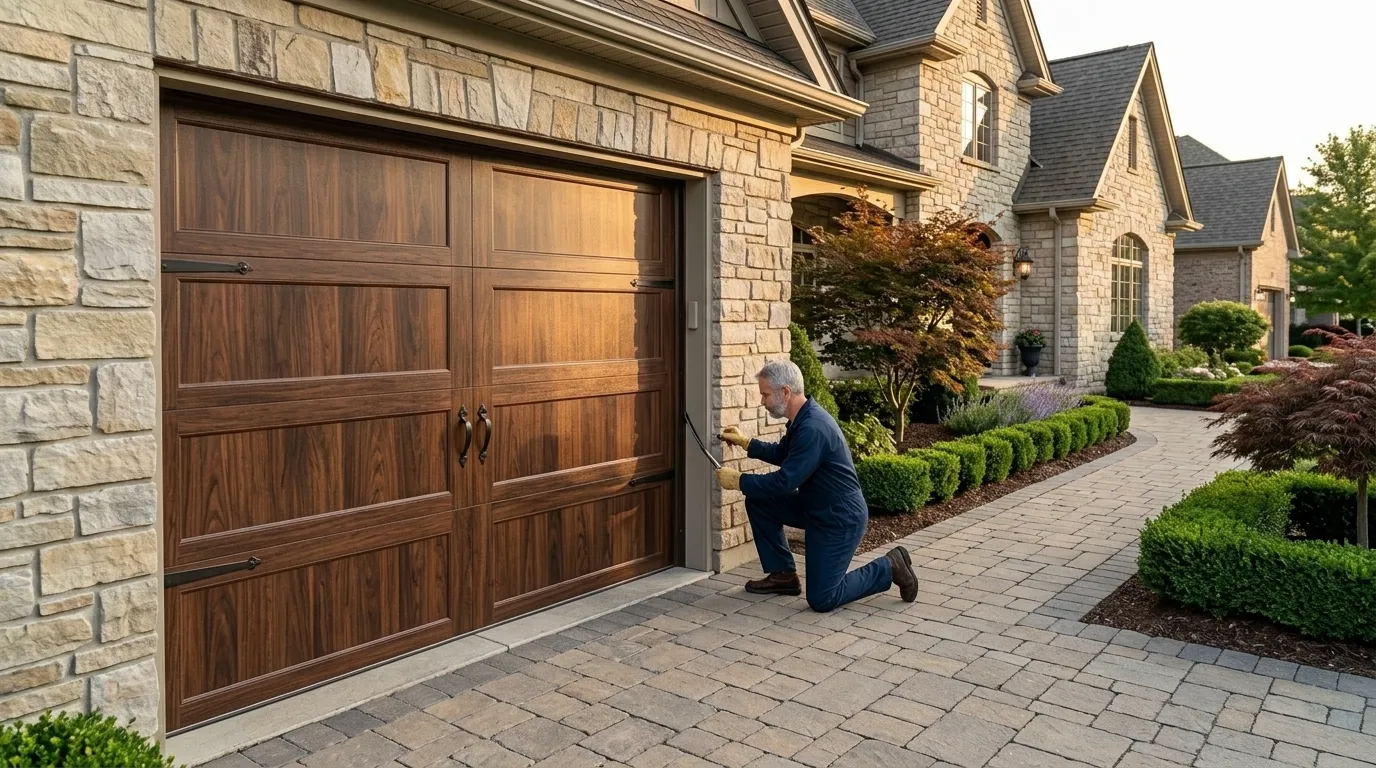
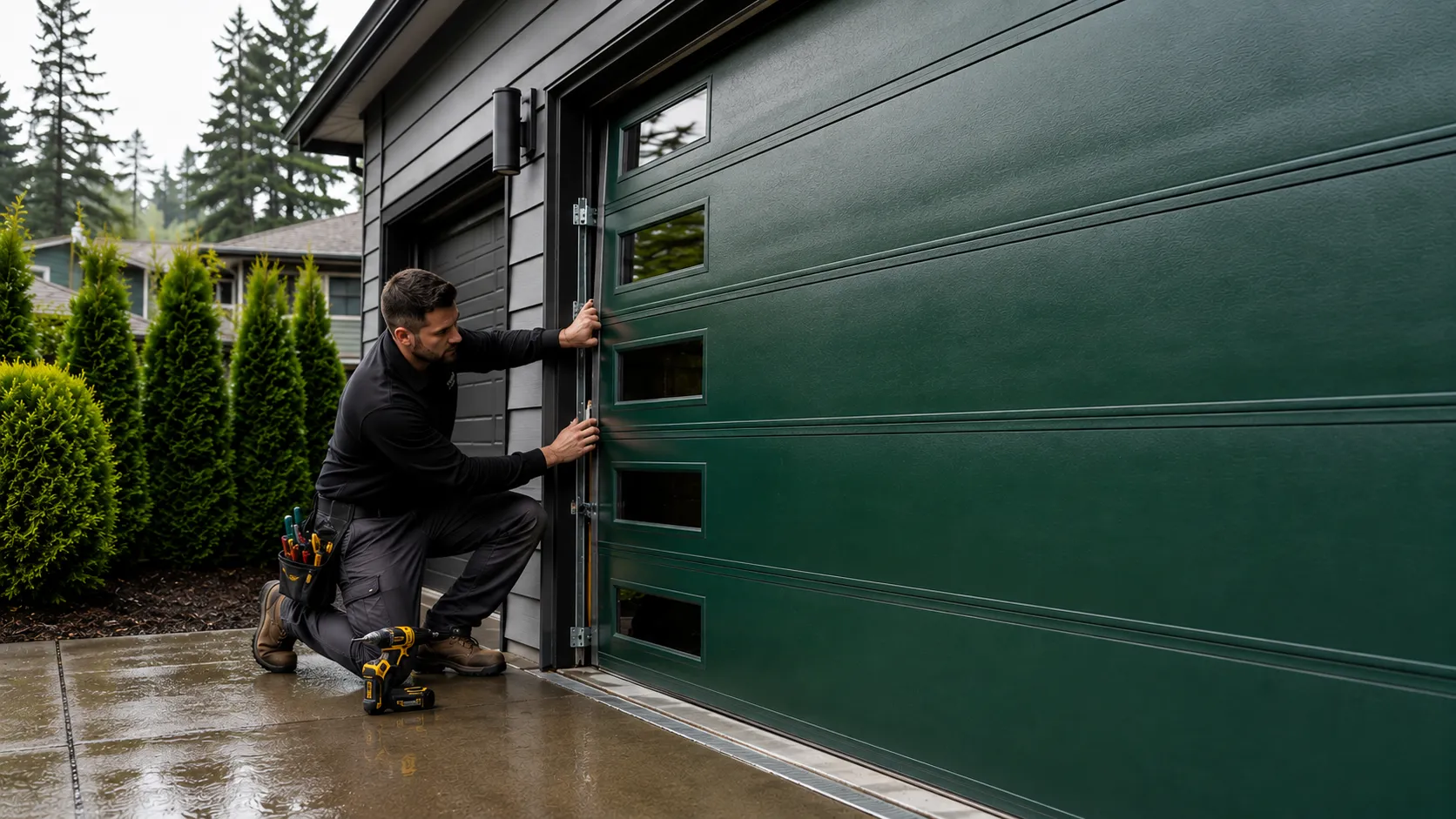
What You Are Seeing
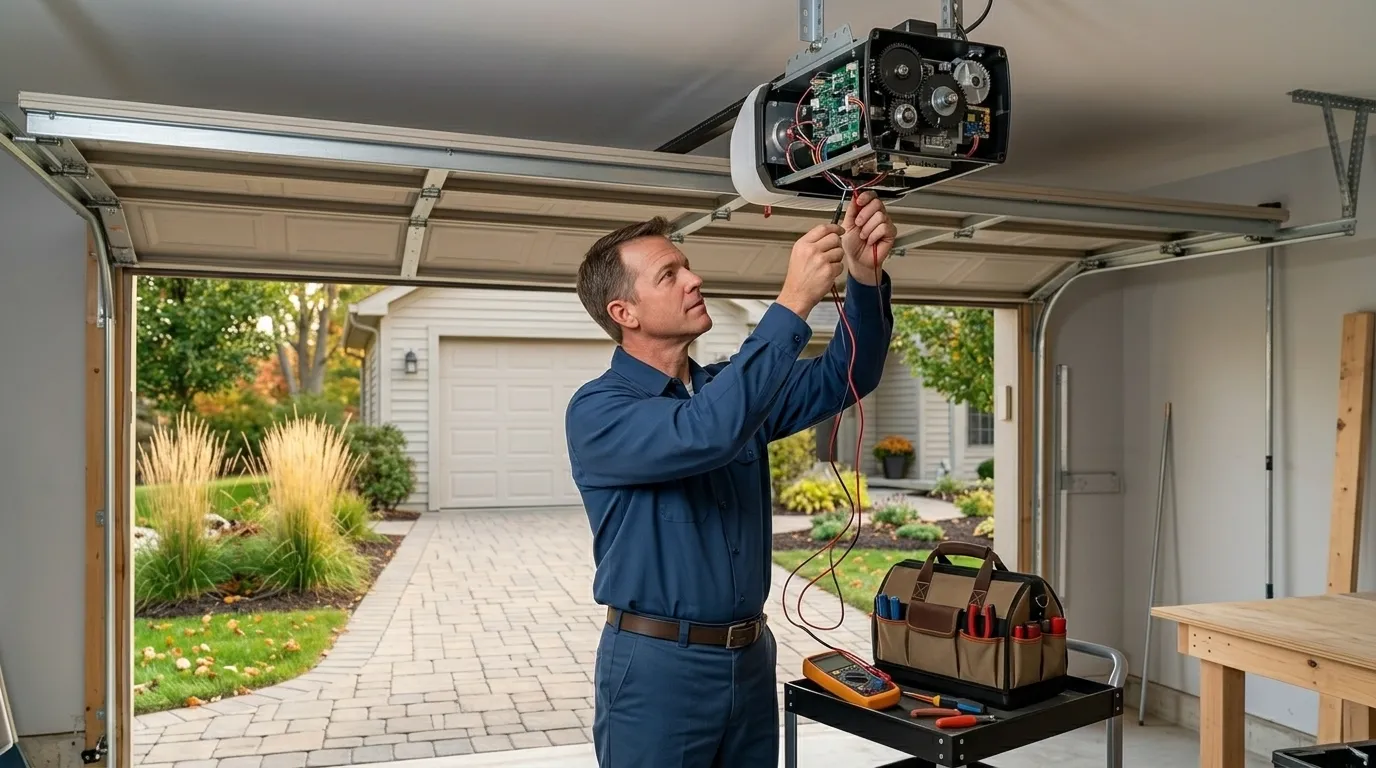
The opener runs but the door doesn't move, or it moves partway and reverses - that's usually the travel limits or a worn drive gear, not the motor itself. A light that blinks and a door that won't respond to the remote or the wall button but does respond to a manual pull is almost always the logic board or a dead capacitor, not the springs. If the opener hums and does nothing, that's a stripped gear on a chain-drive unit, common on the mid-2000s builder-grade motors that show up in this age of house.
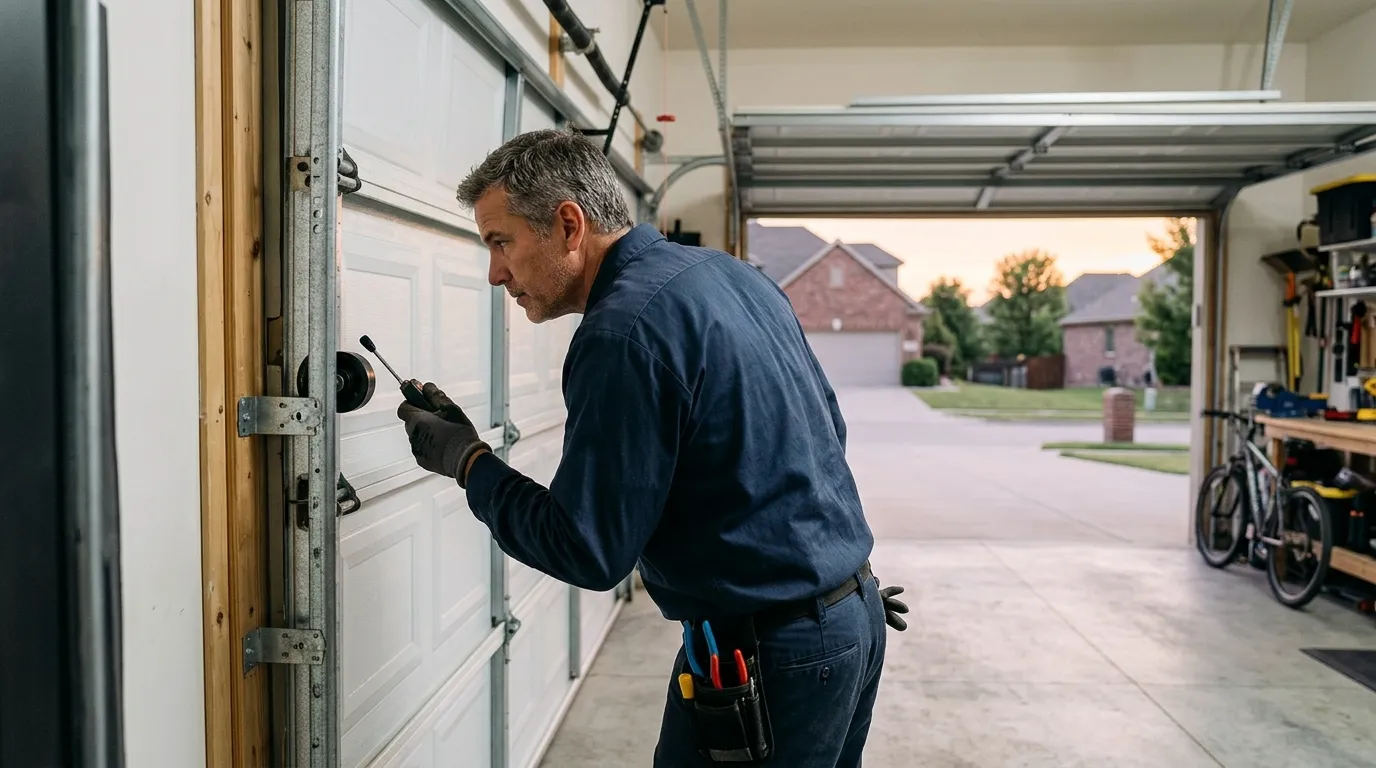
A unit that opens fine but won't close, or closes and immediately reverses, is nearly always the photo-eye sensors - dirty lenses, or one knocked slightly out of alignment. We check that first because it's a five-minute fix, not a parts order. If your opener is dead silent with no light and no hum, check the outlet and the breaker before you call anyone; we'd rather you save the trip charge on something that isn't the opener at all.
Booking a Visit
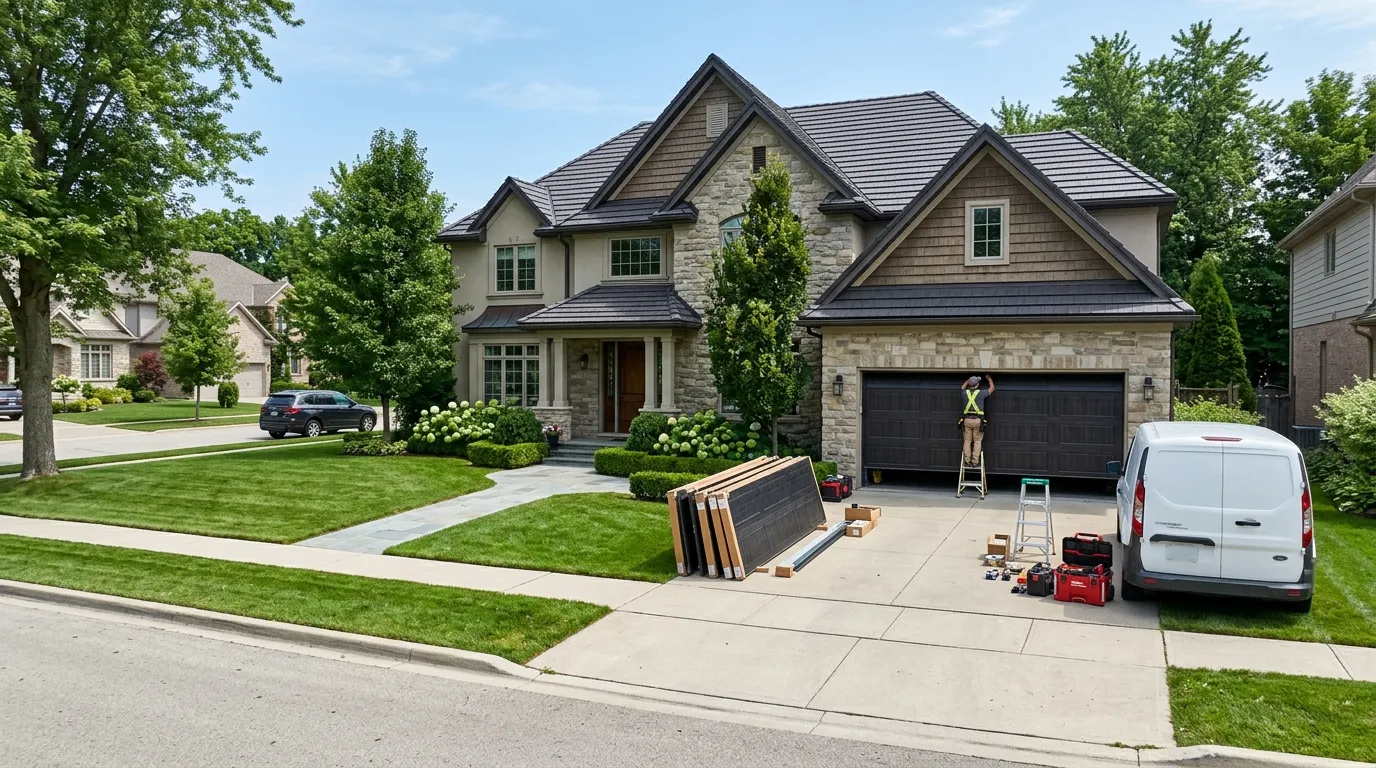
We come out from Garland, about 10 miles from Heath, so we schedule the drive as part of the call rather than treating it as a same-day walk-in. Tell us the symptom - dead, humming, reversing, remote not working - and we bring the parts that match it instead of guessing on site. Belt-drive and chain-drive logic boards aren't interchangeable, and neither are the safety sensor kits across manufacturers, so the more detail you give us on the phone, the less likely we are to need a second trip. See our Heath service area page for what else we cover out here.
Can You Do This Yourself
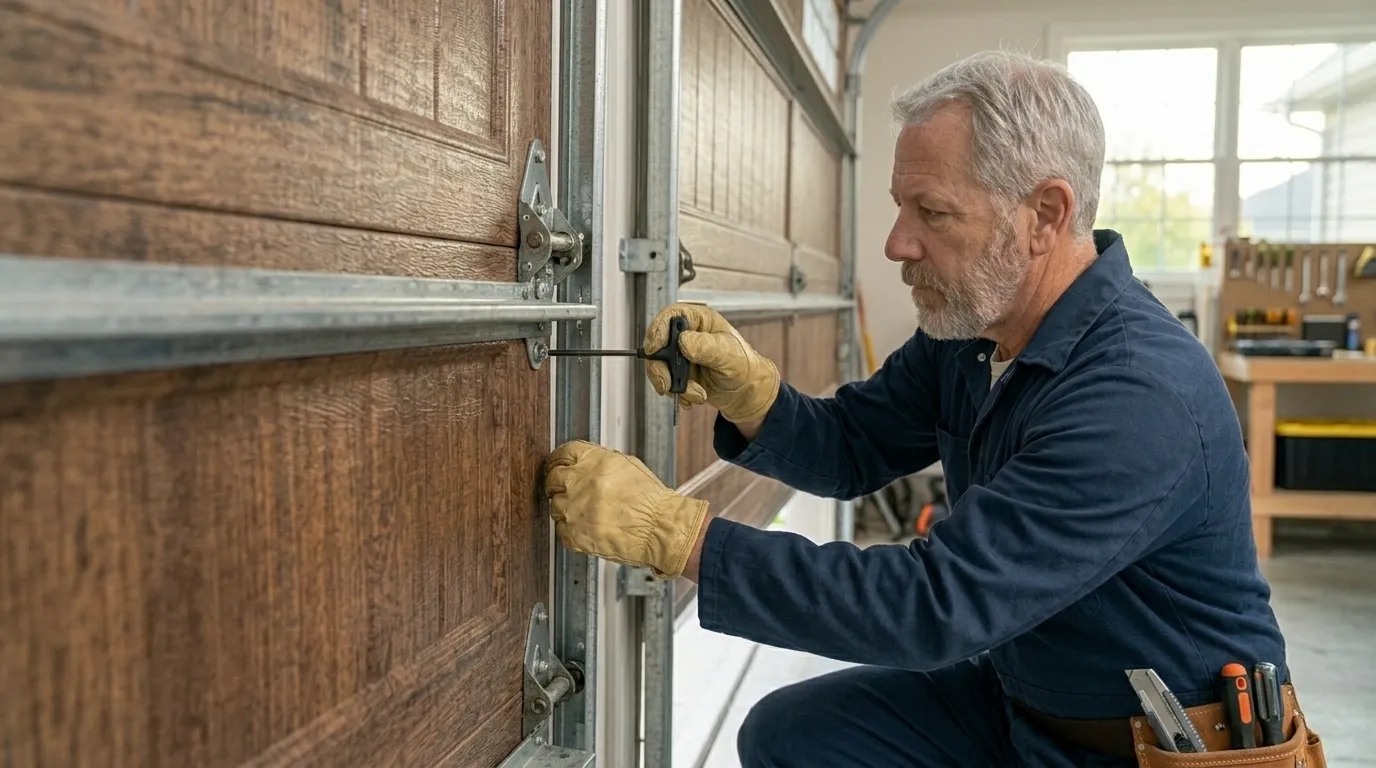
Cleaning the photo-eye lenses, checking the outlet, and re-syncing a remote are all things you can do yourself with no tools beyond a rag and the manual. Adjusting travel limits is doable if you're comfortable following the dial or button sequence on your specific opener model - it's not dangerous, just fiddly. Replacing a logic board or a drive gear is a different matter: the opener has to come apart, the wiring has to be handled correctly, and a wrong reassembly can put stress on the door itself. That's where we'd rather you call than improvise, especially on a belt or chain unit less than a few years old that's still within a useful lifespan - not worth risking a bigger repair to save a service call.