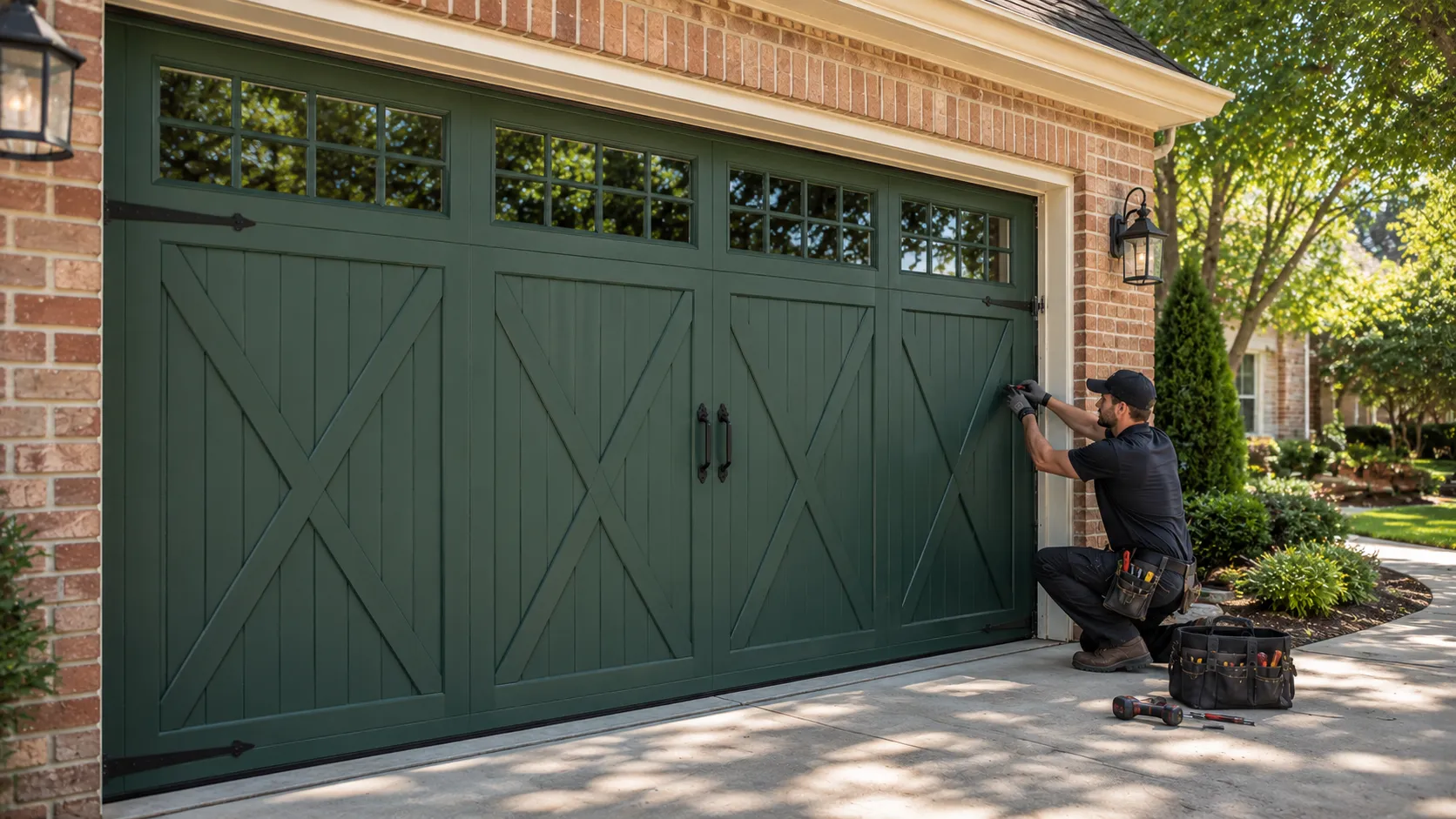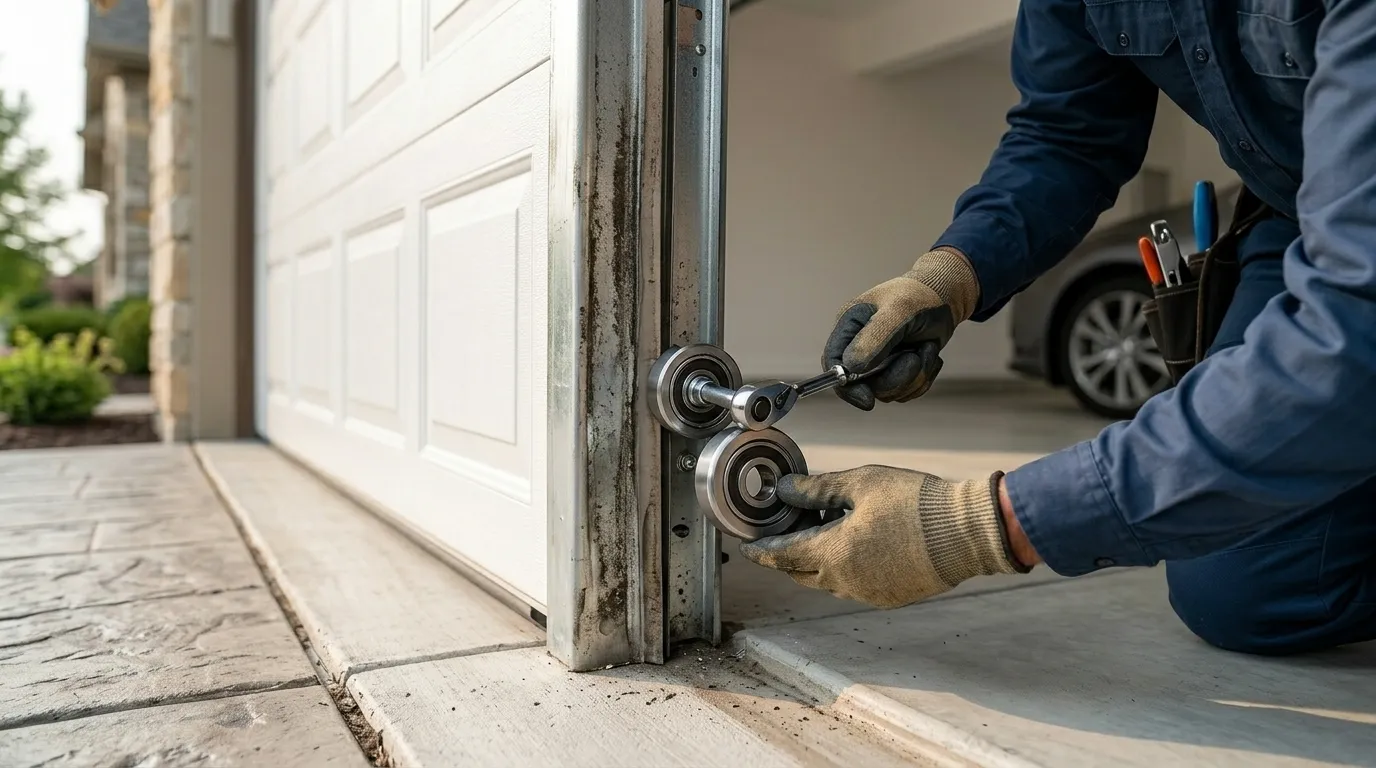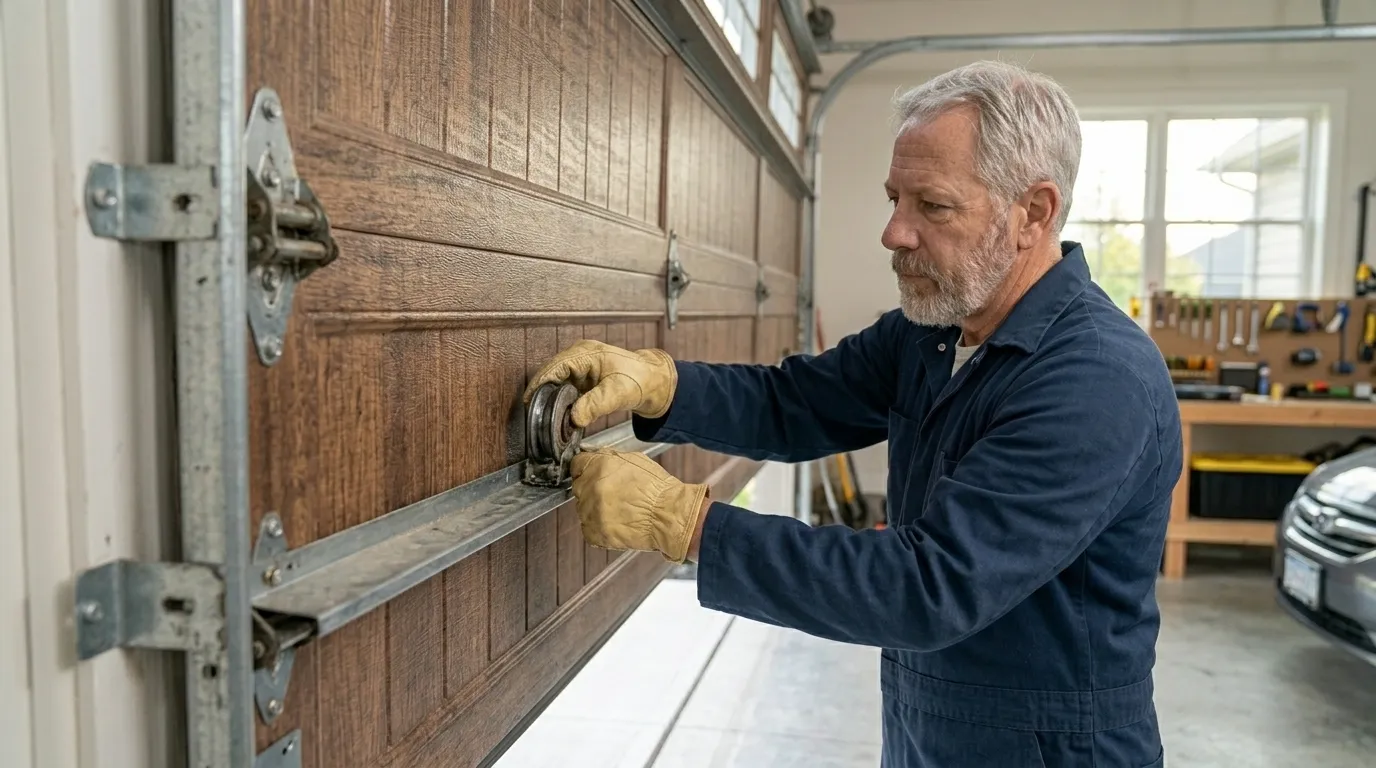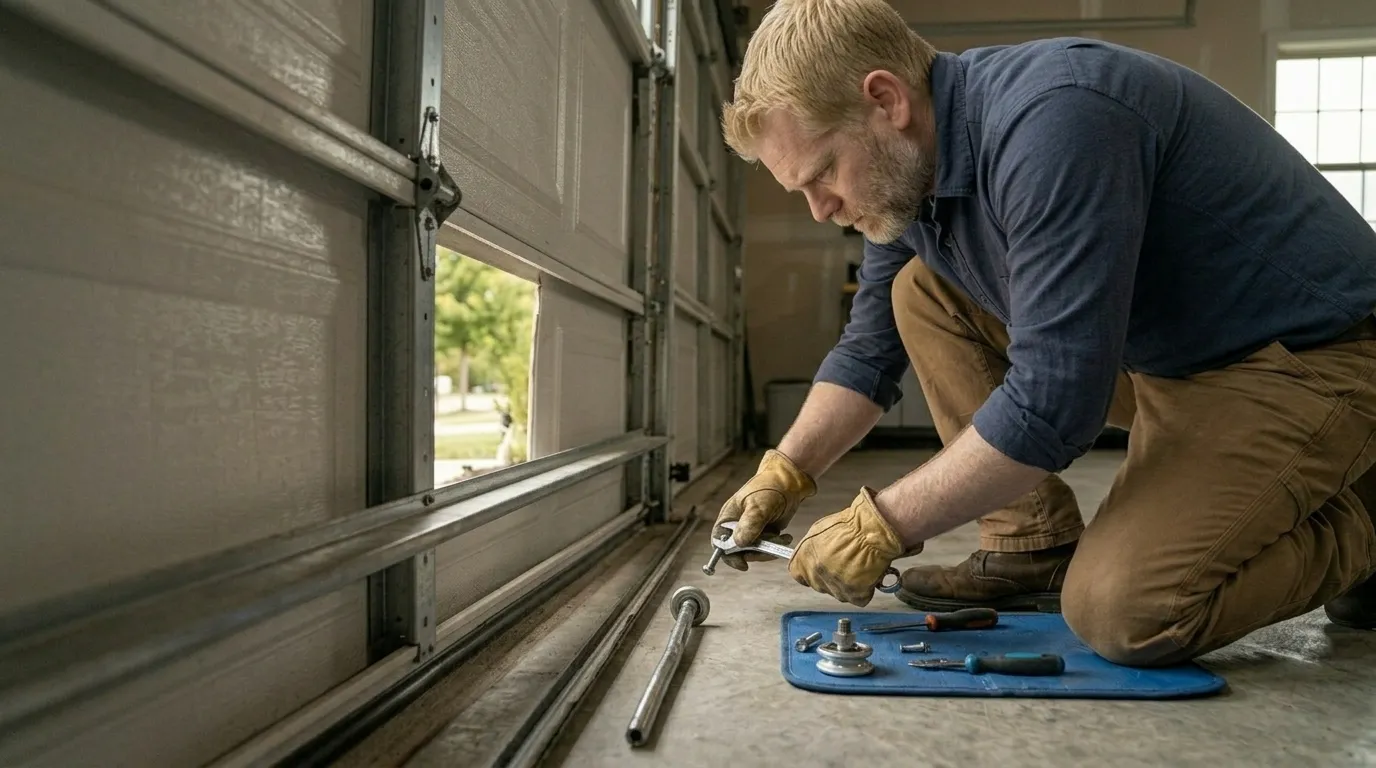
What You Are Seeing
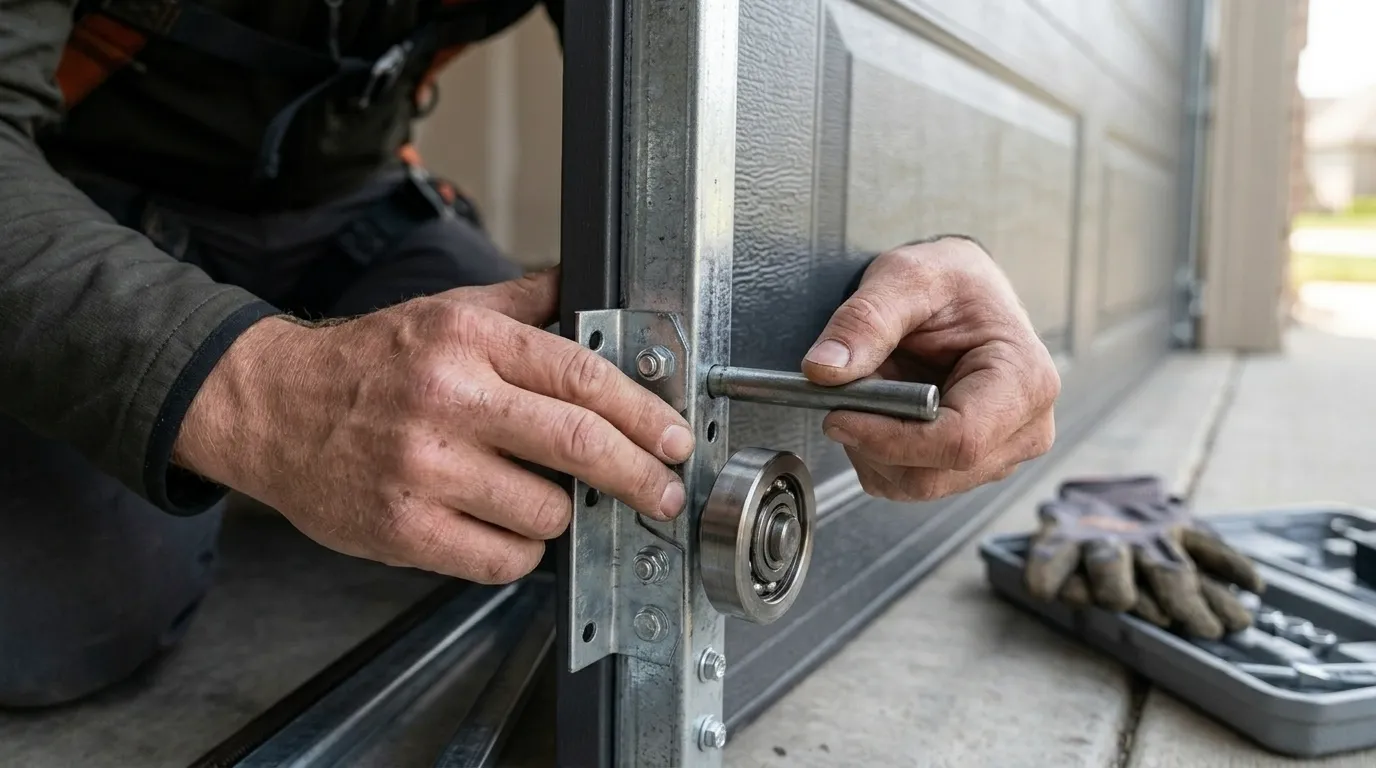
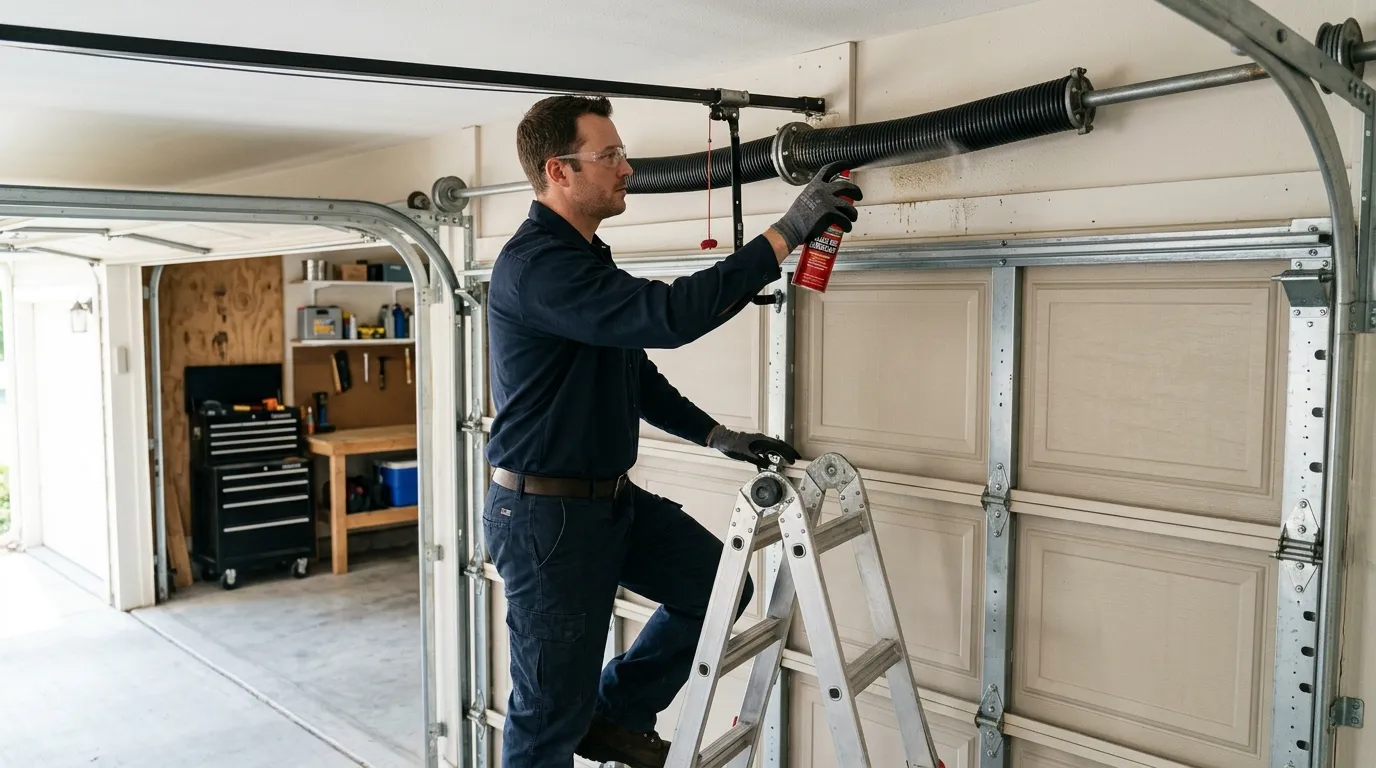
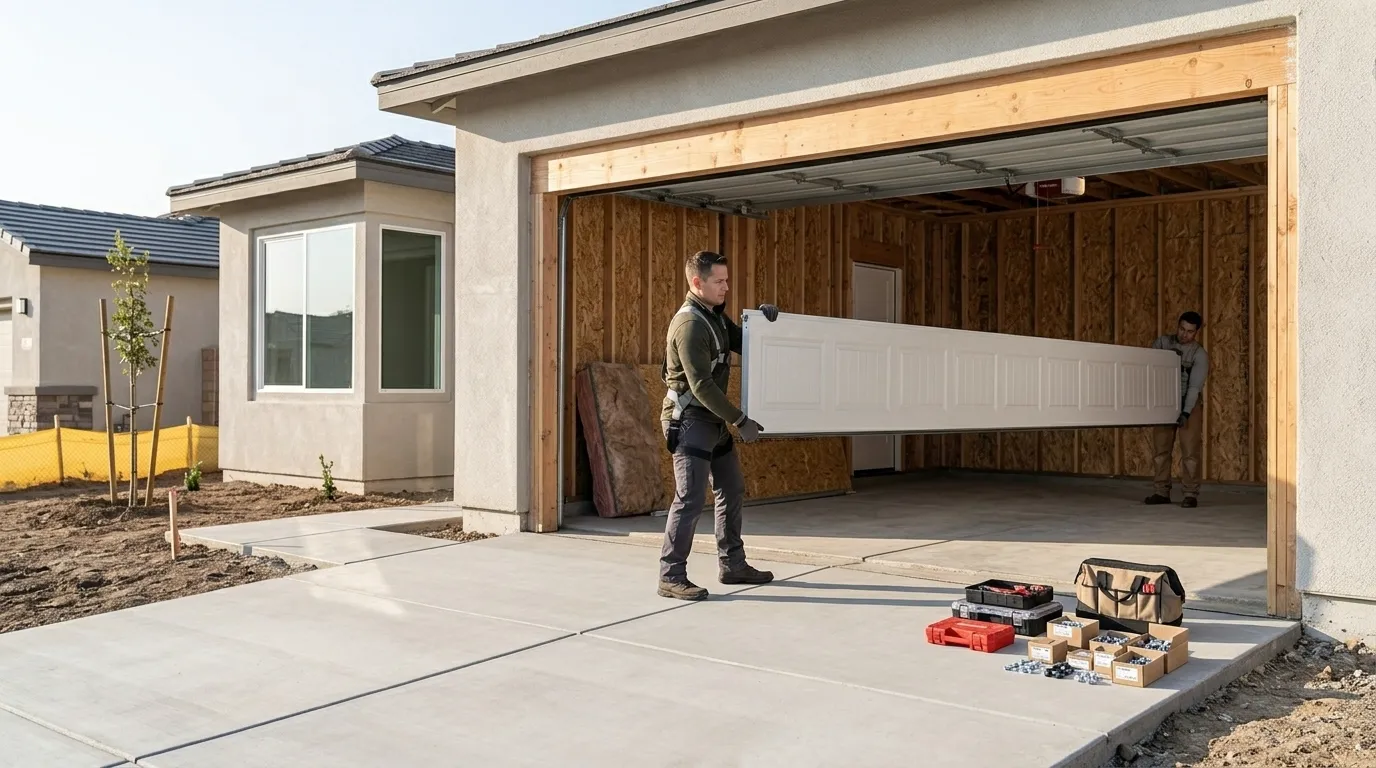
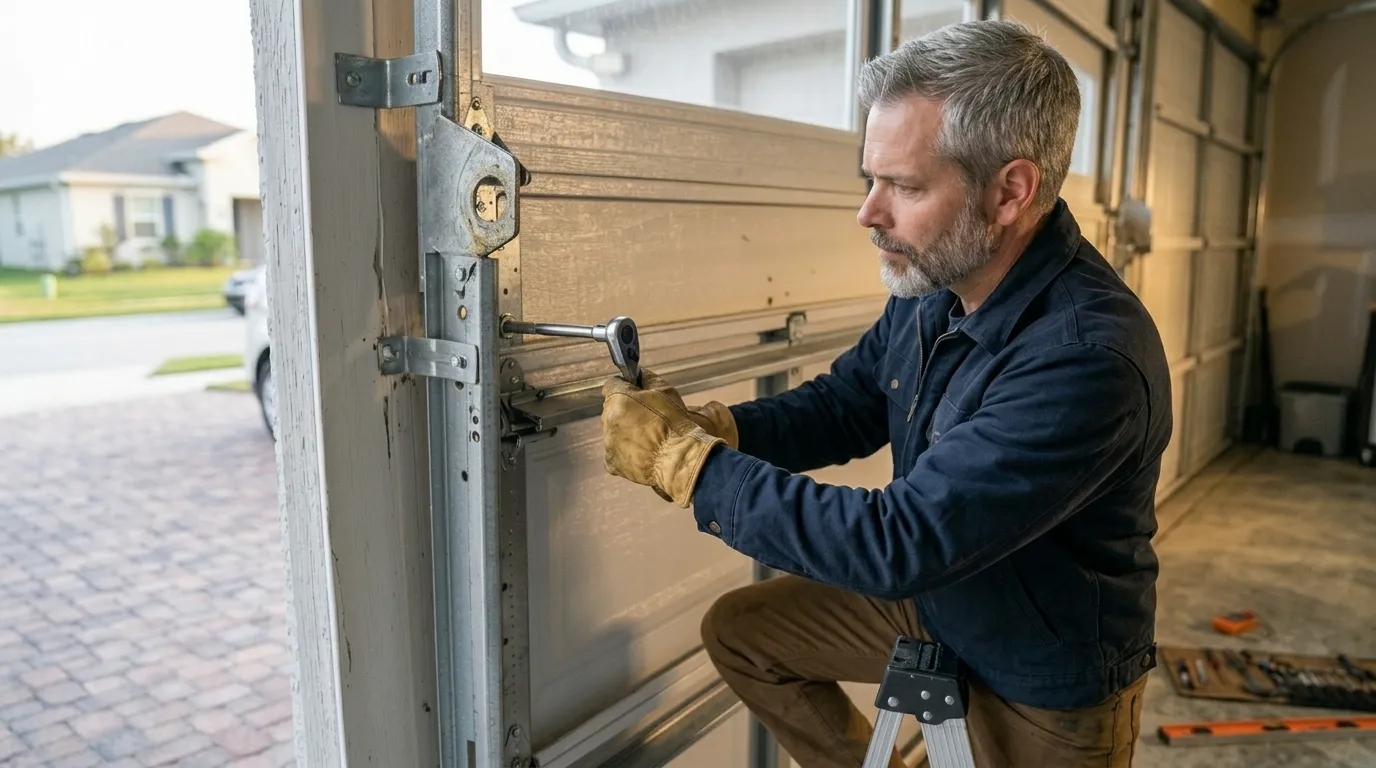
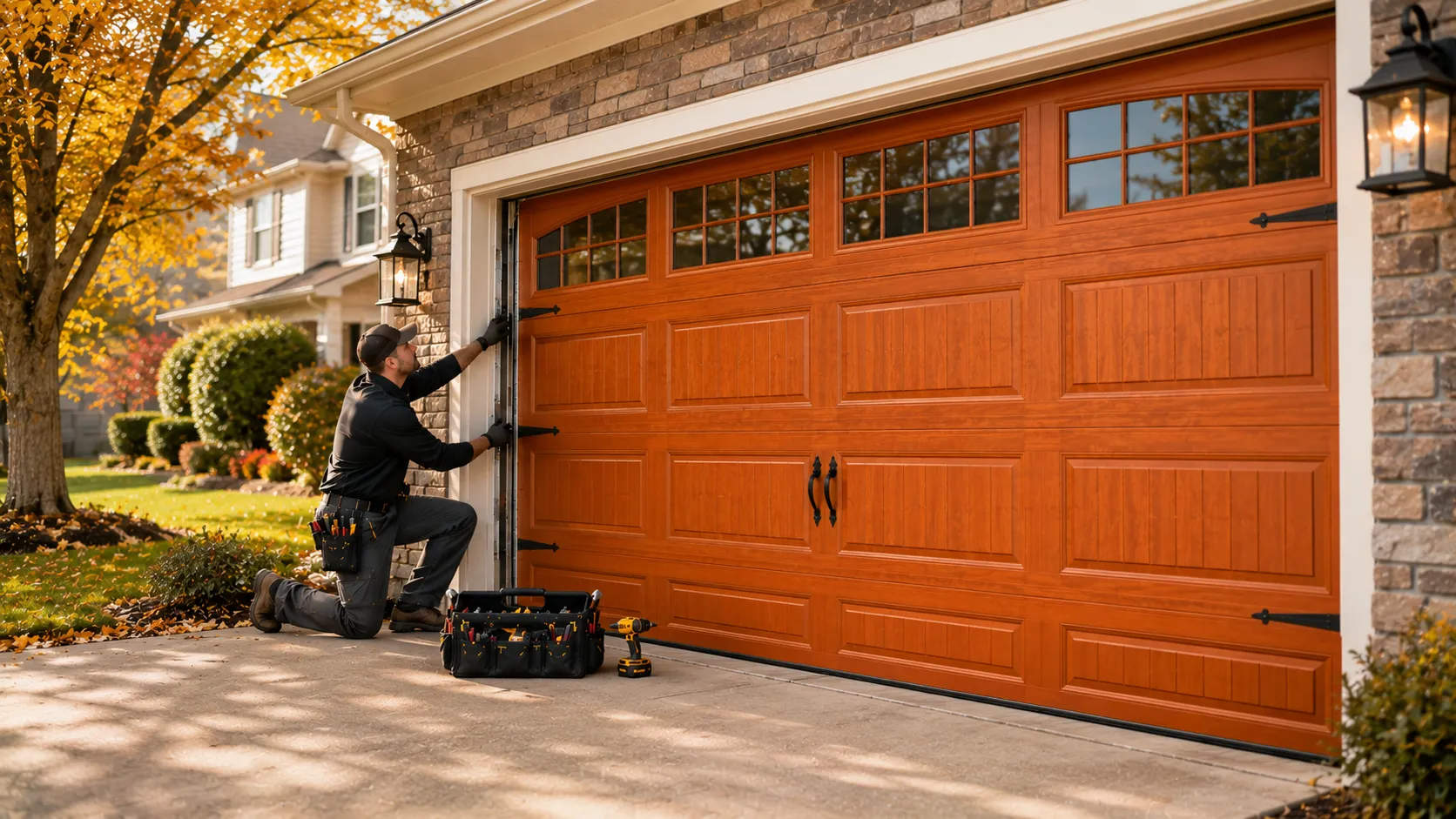
The most common call from Heath is a door that closes then reverses on its own, or one that starts making a hard clunk right as it opens. Both usually trace back to a torsion spring that's lost tension unevenly, which throws off the balance the opener's force sensor is trying to read. You'll also see cables starting to fray near the bottom bracket - original galvanized cable holds up fine for years, then goes fast once it starts. Less dramatic but just as common: a roller that's worn oval instead of round, which makes the door bind in the track and the opener work harder than it should. None of this is unique to any one house; it's what happens across a pocket of construction built in the same window. If your door was fine last month and now sounds different, it's worth having someone look at the spring and cable before the opener burns out trying to compensate.
Booking a Visit
We run the job out of Garland, about 10 miles from Heath, so a repair here goes on the route with the rest of the day's calls rather than out of a branch in town. When you call, tell us the door's approximate age if you know it, or just tell us it's a Heath address - that alone tells us to expect original torsion hardware and to bring the right spring sizes rather than guess on-site. We don't quote a fixed response window here since we're not based in Heath itself; ask when you call and we'll give you what the day's schedule allows.
Can You Do This Yourself
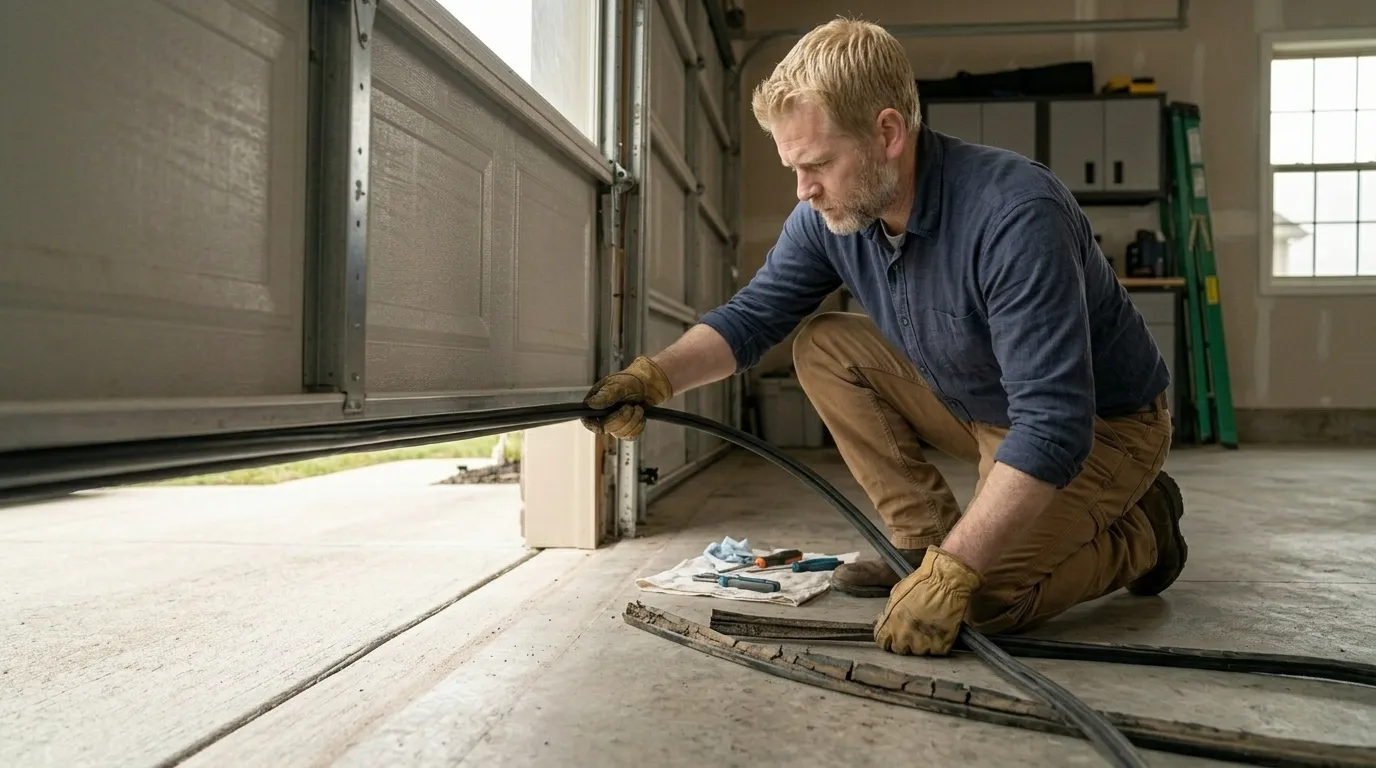
Rollers and weatherstripping, sure - those are low-risk swaps if you've got the patience. A torsion spring is a different animal: it's wound under enough tension to break bones or worse if the winding bars slip, and that risk doesn't go down because the house is nicer or newer. If your door is original to a 2001 build and the spring looks original too, that's not a Saturday project, it's a call. Cables under tension carry the same warning. Anything involving the opener's logic board or force settings is worth having someone check rather than guess at, since a door set too aggressively can come down on a car or a person before the sensor catches it.