
What You Are Seeing
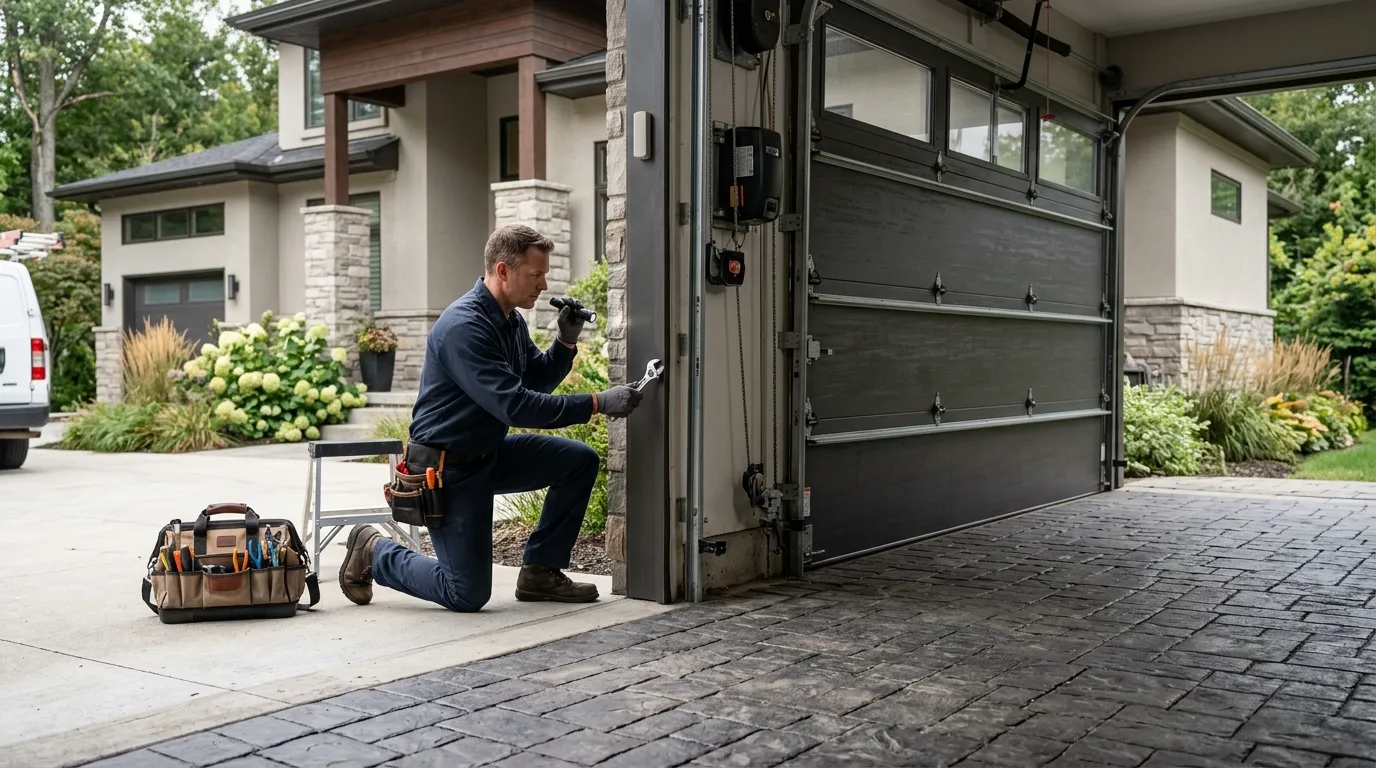
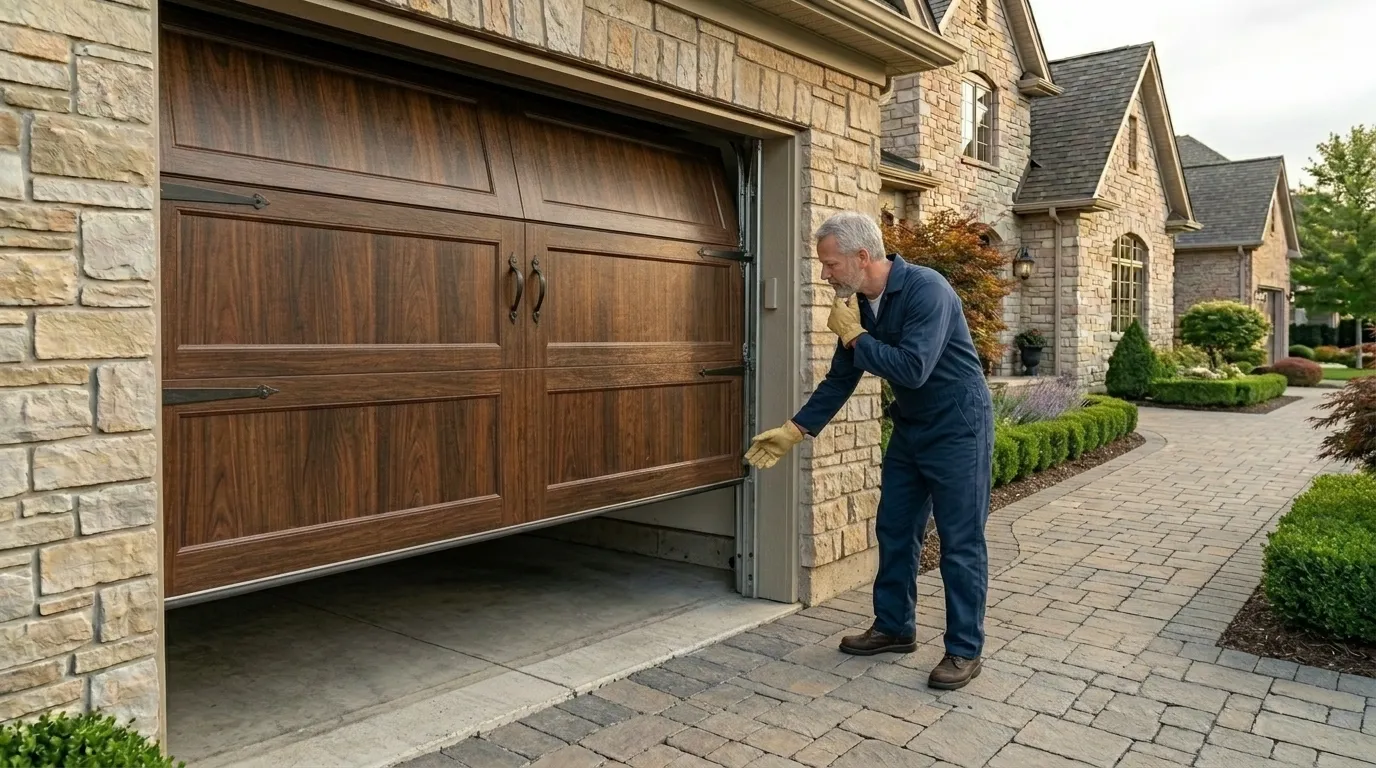
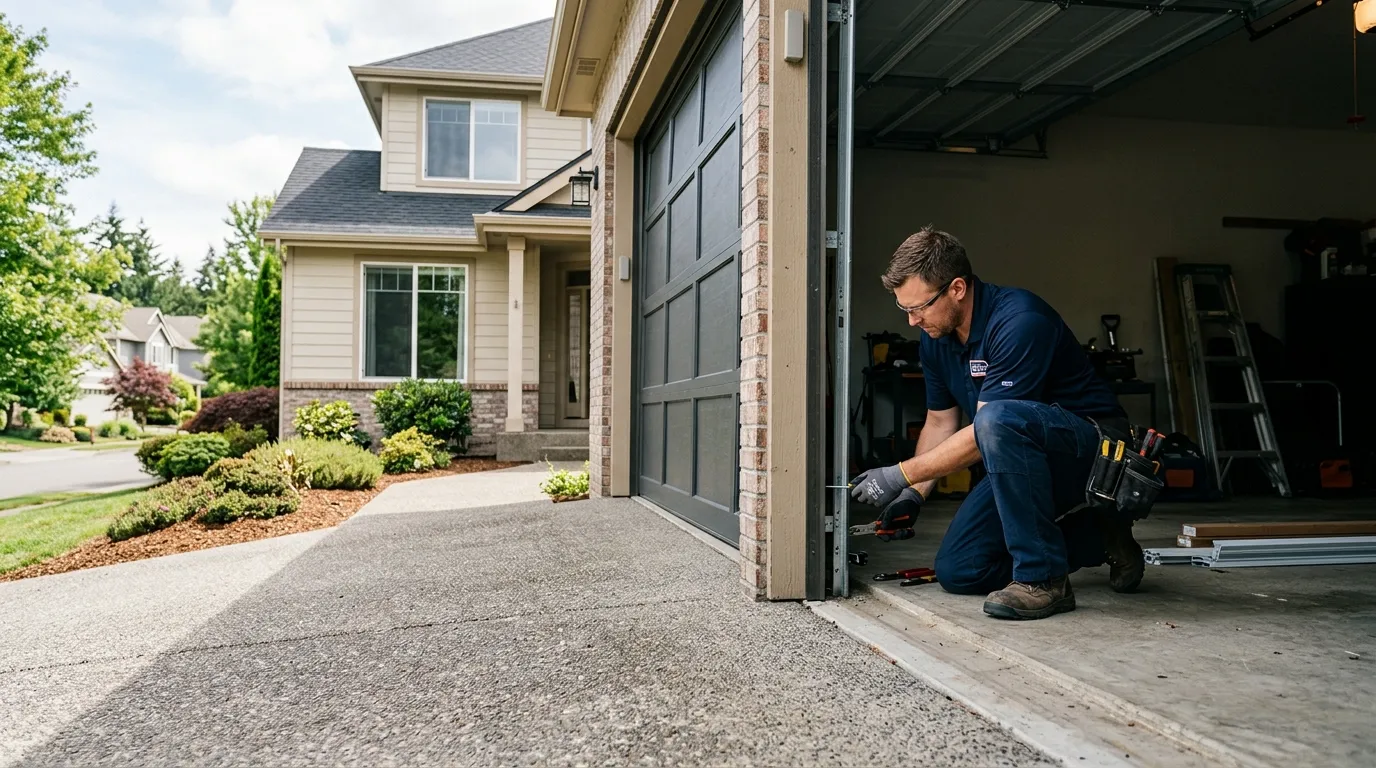
On a commercial door from that 2001-ish construction era, the most common call is a torsion spring that's lost tension gradually, then failed outright - the door feels heavy, then it won't open past a foot, then the opener starts straining and clicking off on thermal overload. Second most common: the opener itself, especially chain-drive units original to the building, grinding louder each month before the gear set strips.
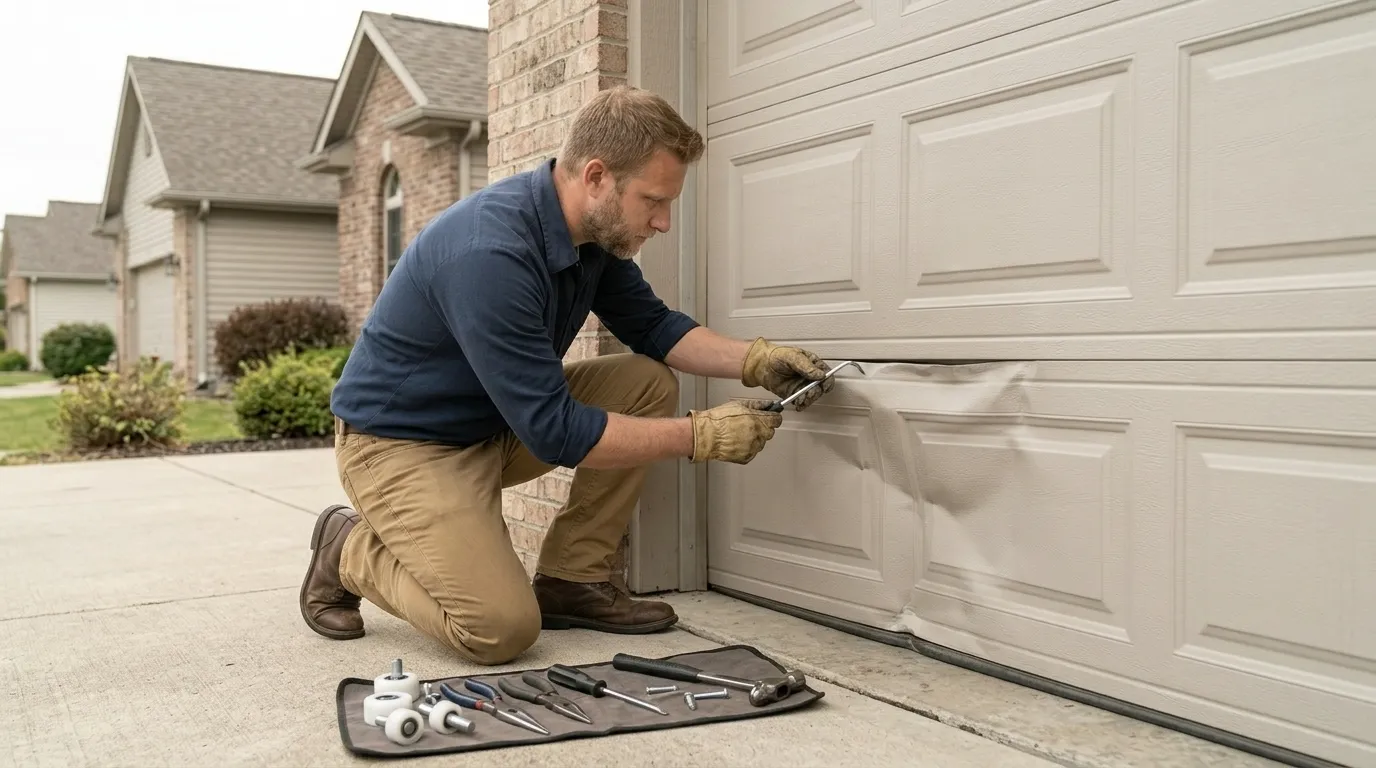
Heath's moderate heat band means these doors aren't fighting extreme cold-snap brittleness the way northern climates do, but summer heat still cycles steel and dries out lubrication on rollers and hinges faster than owners expect. A door that's never been serviced since it went up in the early 2000s is carrying twenty-plus years of that cycling with no relief.
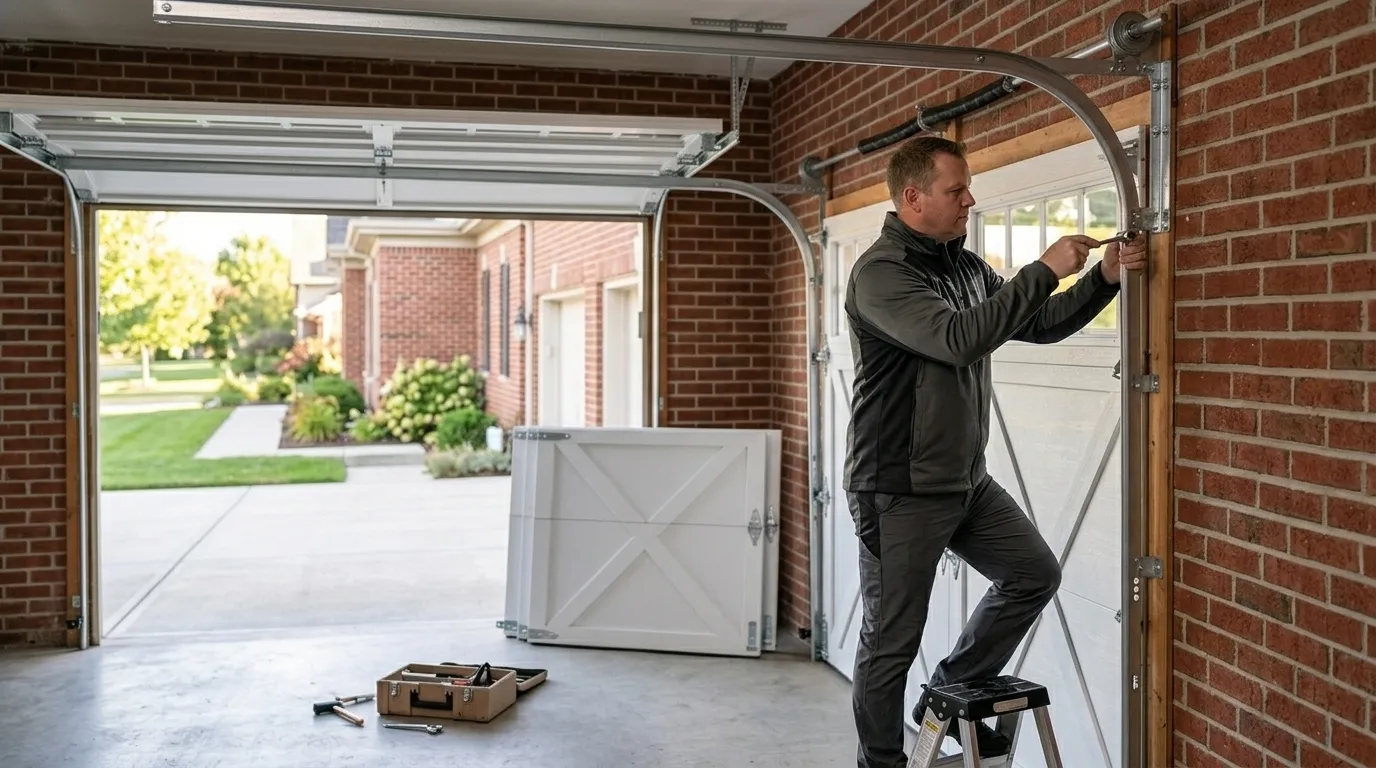
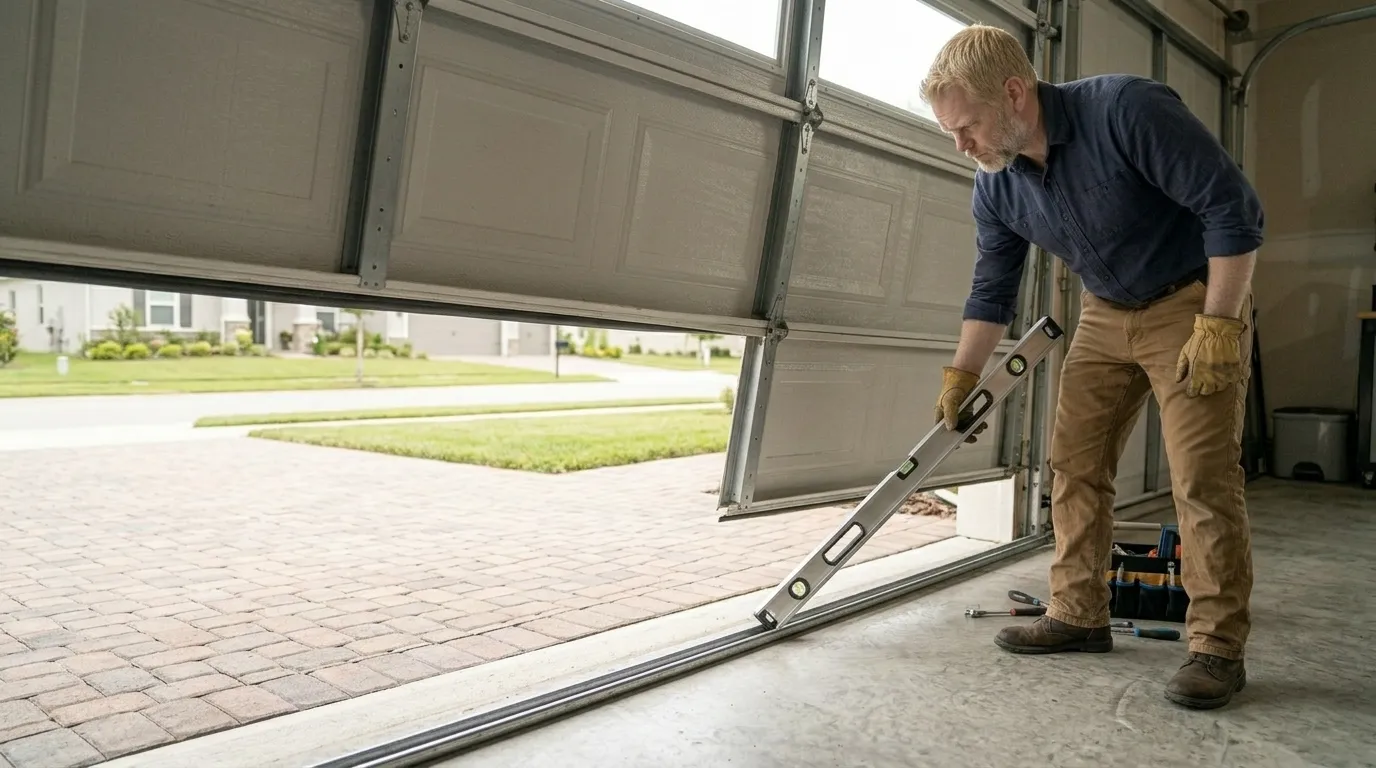
Less common but real: track misalignment on wider commercial bays, where the extra width means more sag over time if the horizontal track brackets were never re-torqued.
Booking a Visit
Because the shop is in Garland and Heath sits roughly ten miles out, booking a commercial visit here means giving a clear window rather than an exact clock time - the crew is coming from off-site, not sitting a mile away. When you call, have the door's basic info ready: single or double bay, chain or belt opener, and roughly how old the building is, since that early-2000s construction era tells the tech a lot about what's likely inside the header before the truck even arrives.
Commercial accounts in Heath tend to book around business hours, since a stuck bay door on a working commercial building is a bigger operational problem than a residential garage that can wait a day. We don't promise a same-hour response for Heath specifically - that's not a number we have - but the trip gets factored into scheduling from the start rather than tacked on as an afterthought.
Can You Do This Yourself
A wound torsion spring on a commercial door carries enough stored force to break bones or worse, and that risk doesn't shrink because the building is small or the door looks residential-sized. Anything involving the spring, the cable, or the drum is not a DIY repair, full stop.
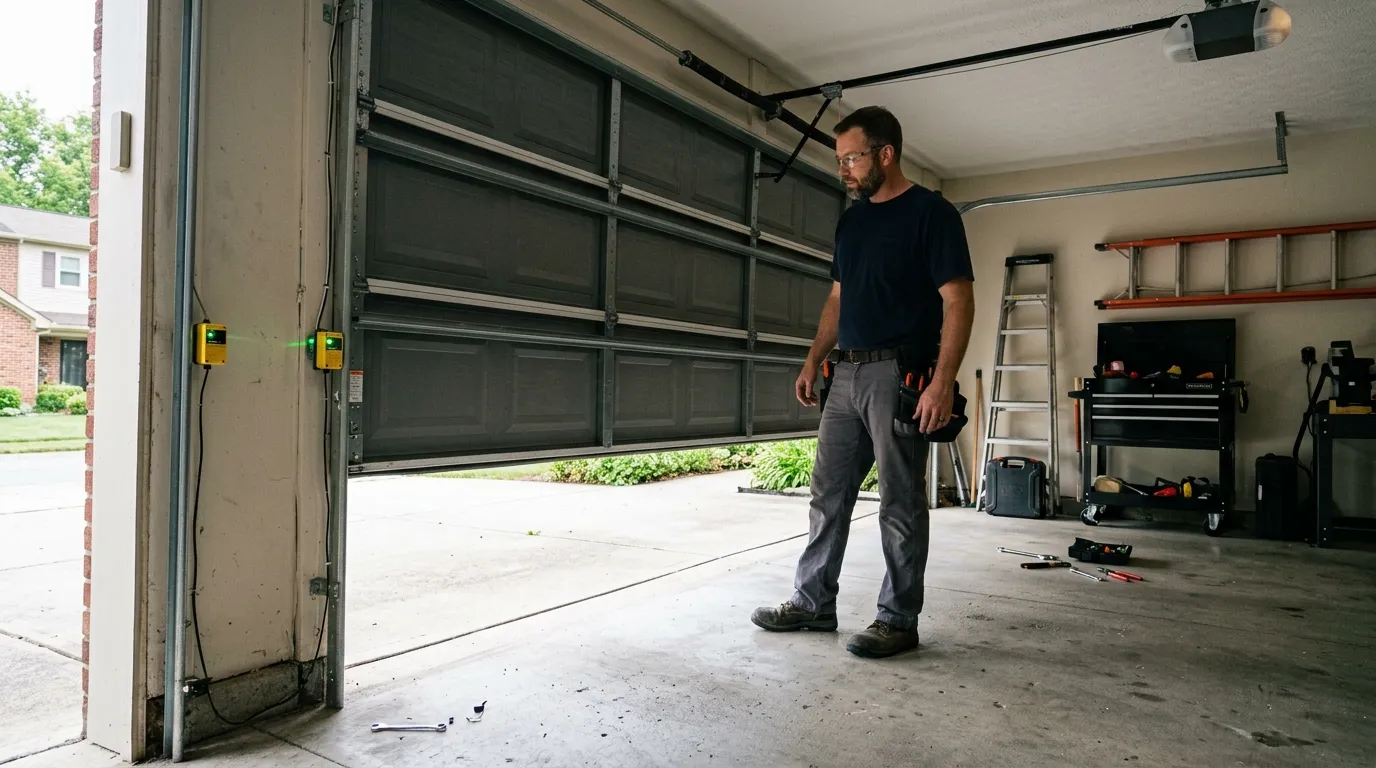
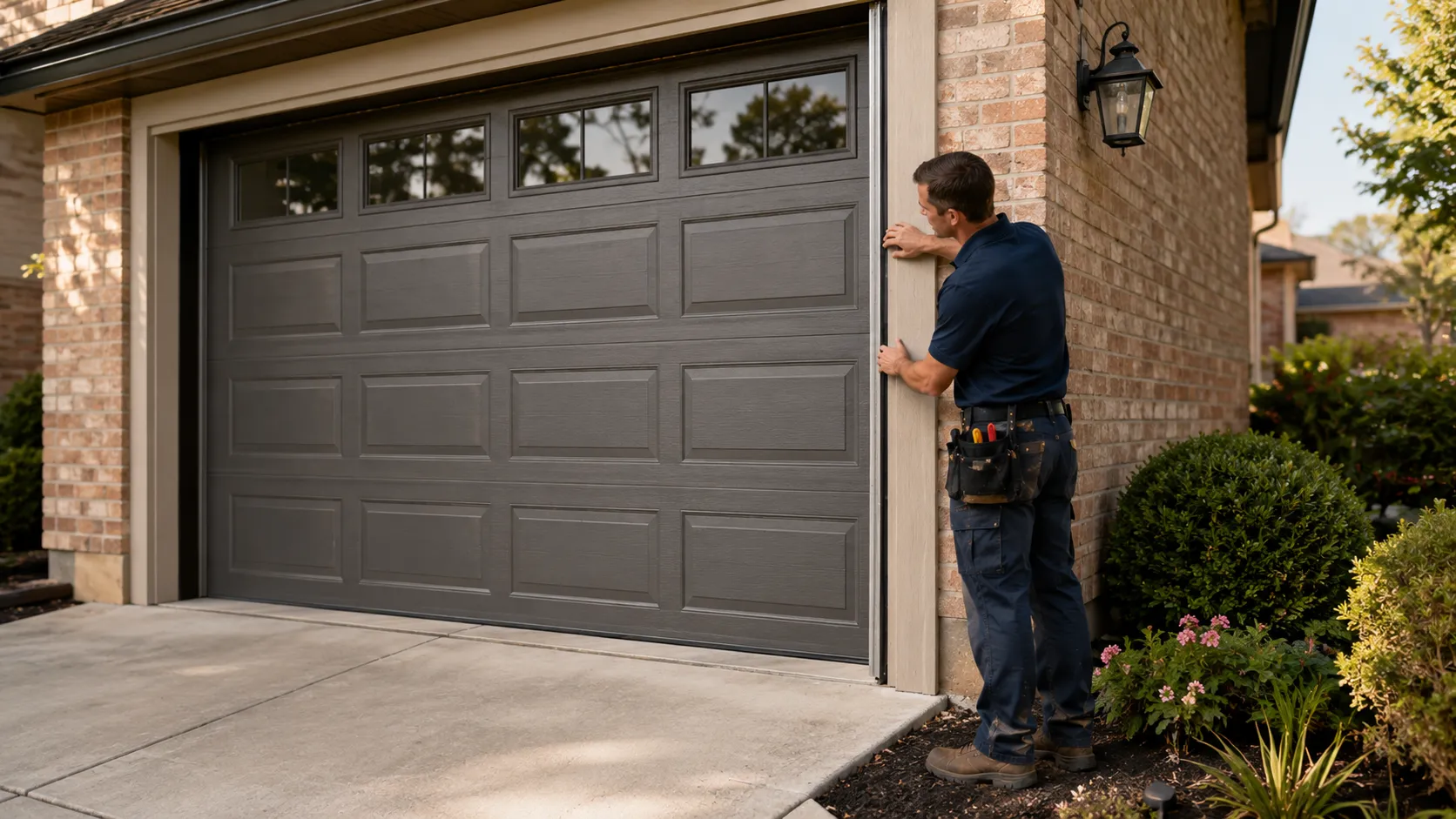
What an owner can reasonably do: keep the tracks clear of debris, listen for new grinding or clicking sounds and log when they started, and check that the photo-eye sensors near the floor aren't knocked out of alignment, which is a common cause of an opener that reverses for no visible reason. Beyond that, on a door old enough to date back to Heath's early-2000s building era, the smart move is to get a professional look before the spring lets go on its own schedule instead of yours.